
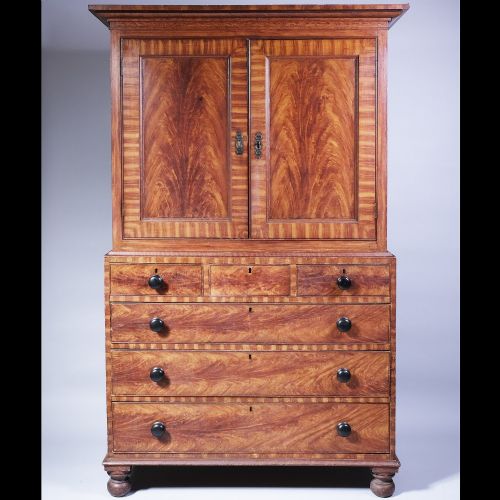


Traditional Linen Chest Cupboard
A traditional linen chest cupboard offers substantial storage for textiles while anchoring a room with period presence and timber character.
Traditional Linen Chest Cupboard
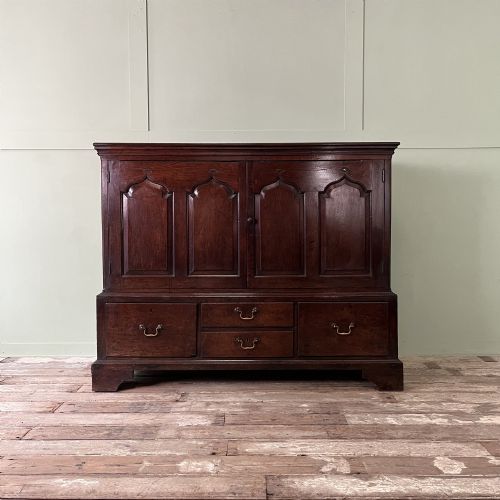
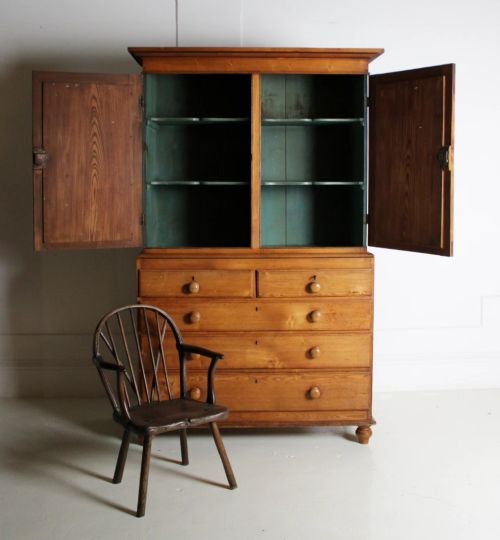
A traditional linen chest cupboard combines deep storage compartments with vertical shelving, frequently appearing as a two-piece wardrobe or a press with internal sliding trays. Buyers searching for this phrase encounter substantial storage furniture designed to keep textiles protected and organised.
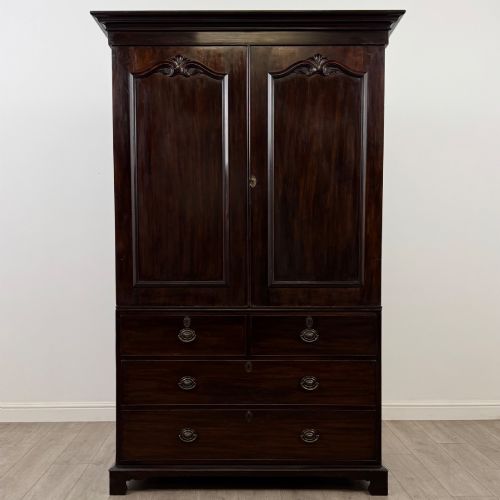
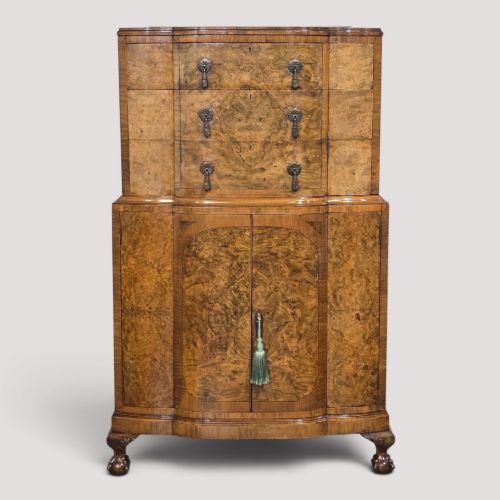
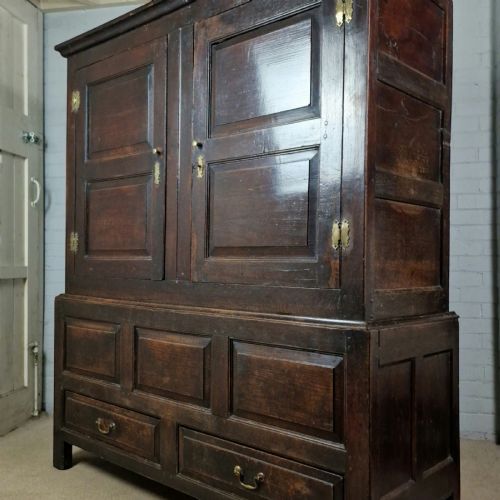
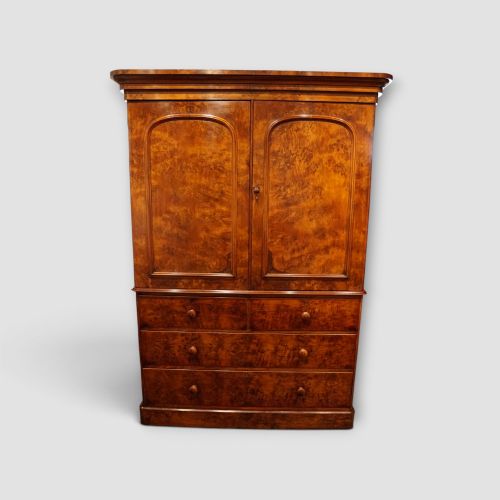
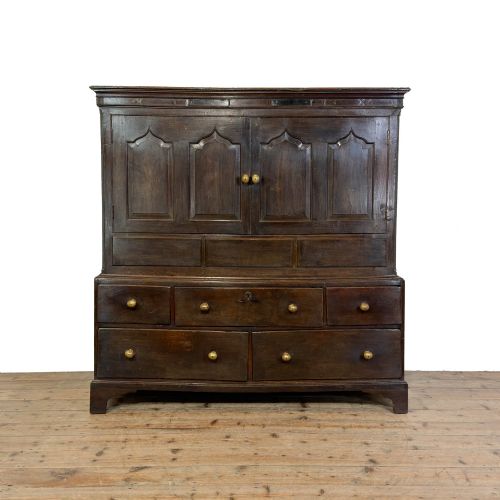
The selections span multiple eras, with Georgian and Victorian examples forming the backbone of the available stock. Pieces range from grand mahogany and burr walnut wardrobe formats to rustic farmhouse pine and Welsh oak coffer designs.
Materials and construction methods
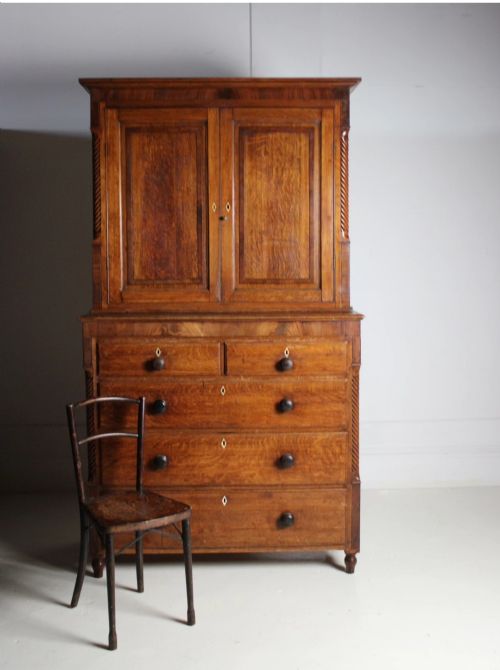
Cabinetmakers relied heavily on solid hardwoods like oak, mahogany, and walnut, alongside softer timbers such as pine and ash for regional farmhouse builds. Surfaces often display figured grain patterns, while applied paint finishes and scumble effects appear on utilitarian domestic furniture.
Joinery techniques involve sturdy panel construction and traditional drawer building to support the heavy loads of domestic linens and garments. Brass hardware and iron hinges secure the large doors enclosing the upper presses and lower chest drawers.
Some nineteenth-century housekeepers insisted on scumble painted finishes to make humble pine look like seasoned oak.
Determinants of craftsmanship and finish
The grade of timber selection dictates much of the visual merit, distinguishing simple utilitarian storage from high-status furniture with figured mahogany veneers or burr walnut panels. Well-executed marquetry inlay, disciplined carving, and original surface patination elevate the standing of a piece.
Proportion and structural integrity define the architectural success of these large storage items, separating balanced architectural proportions from awkward or heavily altered carcases. The retention of original internal sliding trays, shelves, and period hardware influences the integrity of the cabinet.
The Traditional Linen Chest Cupboard Glossary
- Livery Cupboard
- A traditional term for a standing cupboard or wardrobe used for storing provisions or garments. These pieces often feature panelled doors and robust timber framing.
- Coffer
- A large chest with a hinged lid used for storing valuables and household textiles before dedicated drawer units became common. Many early examples sit on sturdy stile feet.
- Scumble Painted
- A decorative paint technique where a translucent top layer is manipulated with combs or rags to imitate the grain of more expensive timber. It appears frequently on nineteenth-century domestic furniture.
- Burr Walnut
- A highly prized timber veneer harvested from the gnarled growth near the roots of a walnut tree. It exhibits complex, swirling grain patterns favored by cabinetmakers for formal furniture.
Traditional Linen Chest Cupboard: Frequently Asked Questions
How do I style a linen press in a modern bedroom?
A traditional linen chest cupboard provides impressive vertical presence, making it an ideal anchor for a bedroom wall. Allow the timber grain or painted surface to take focus by keeping surrounding decor understated.
Internal sliding trays and deep drawers accommodate clothing, bedding, and modern storage needs while maintaining an orderly room. The top surface of lower base units can hold minimal decorative items.
How do I care for antique oak and mahogany furniture?
Maintain timber surfaces by applying natural beeswax periodically to nourish the wood and preserve the historic finish. Avoid placing storage cabinets near direct heat sources or in areas with fluctuating humidity to prevent timber movement.
Dust regularly with a soft, dry cloth and lift rather than drag the furniture when rearranging a room. Gentle cleaning preserves the natural patina accumulated over centuries.
How can I tell a Georgian press from a Victorian one?
Georgian pieces generally exhibit restrained classical proportions, understated bracket feet, and dense native timbers like oak and figured mahogany. Cabinet construction from this era relies on hand-cut dovetails and pegged joinery.
Victorian examples frequently display bolder decorative elements, wider proportions, and alternative materials including burr walnut, pine, and exotic imported hardwoods. Drawer linings and interior fixtures from the Victorian period reflect industrial woodworking advancements.