
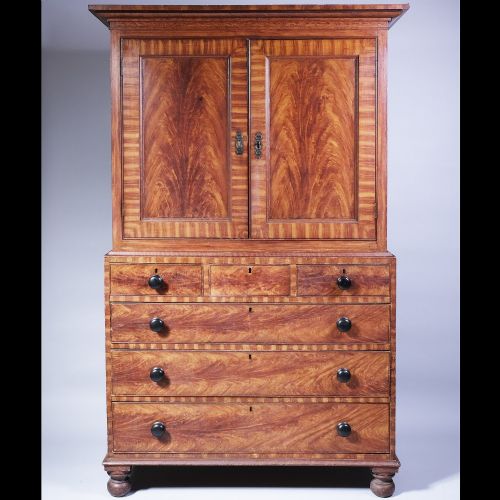
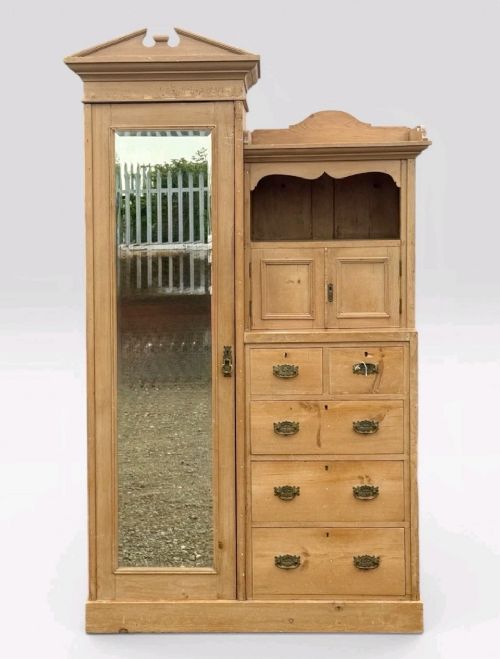
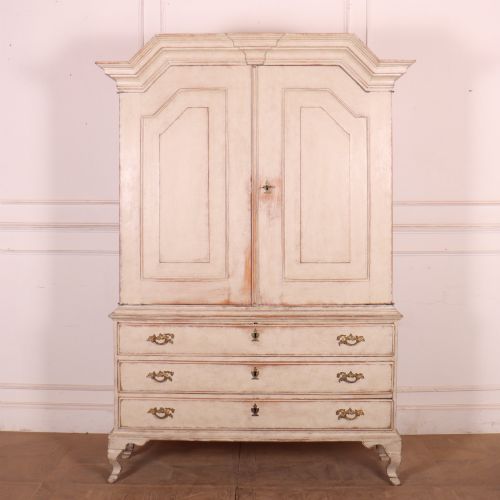


Country Pine Press Chest
A country pine press chest brings honest rural utility and warm timber grain into a modern room.
Country Pine Press Chest
When searching for a country pine press chest, a buyer encounters robust storage furniture designed for household linens and garments. These items bridge the gap between simple utility and regional decorative folk traditions.
The pieces listed on this page span several distinct periods, including Georgian, Victorian, and nineteenth-century examples alongside specific dates like nineteen-twenty. Forms include traditional linen presses, housekeeper's cupboards, wardrobes, and compactum units.
Origin variations are notable among these listings, featuring British country pieces alongside Scandinavian painted examples and Gustavian items. Buyers are most likely to meet substantial two-piece pine presses and scumble-painted cupboards in various states of stripped or original surface finish.
How they were made
Construction relies primarily on solid pine timbers, frequently assembled with panelled doors and fitted internal shelving or hanging space. Metal components such as iron and brass hardware provide functional integrity to doors and drawers.
Surface treatments range from waxed natural pine to scumble-painted finishes and original folk art paint applications. Some larger examples are constructed to partially dismantle for transport, reflecting practical historical considerations in workshop design.
At least one listing proudly confesses to being very quirky and partially dismantles, proving that antique storage once possessed a sense of humour.
What varies in quality
Quality in these items rests upon the integrity of the original timber construction and the preservation of authentic surface finishes. Pieces retaining undisturbed scumble paint or early painted decoration sit at a different level from those stripped down to bare wood in later eras.
Proportion and scale distinguish finer vernacular pieces from standard utilitarian storage. Well-balanced proportions, original brass or iron fittings, and sound structural joinery define the upper tier of surviving examples.
The Country Pine Press Chest Glossary
- Press chest
- A large storage item combining drawer space at the bottom with cupboard doors enclosing sliding trays or hanging space above. This form evolved to store folded linen and garments flat.
- Scumble paint
- A decorative technique where translucent glaze is manipulated over a lighter base coat to imitate wood grain or create mottled patterns. Nineteenth-century country furniture frequently utilised this finish.
- Compactum
- A fitted wardrobe containing a combination of drawers, sliding trays, and hanging sections within a single carcass. It represents a more developed Victorian approach to dedicated clothing storage.
- Gustavian
- The Swedish interpretation of neoclassical style, characterised by lighter proportions and pale painted surfaces. Pieces from this tradition often feature restrained carved detailing.
- Housekeeper's cupboard
- A large storage unit traditionally used in substantial country houses for storing household provisions and linen. They typically feature upper cupboard doors and lower drawer arrangements.
Country Pine Press Chest: Frequently Asked Questions
What is a country pine press chest?
A country pine press chest is a substantial storage furniture piece combining lower drawers with upper cupboard space for linens and garments. Built from pine, these items reflect the practical domestic needs of past centuries.
They serve as focal storage points in bedrooms and hallways, offering deep internal capacity while displaying the natural grain or painted surfaces characteristic of vernacular furniture.
How do I date an old pine cupboard?
Dating involves examining construction methods, timber preparation, and decorative surface treatments. Georgian and early nineteenth-century examples often display hand-planed boards and specific stylistic moulding profiles.
Later Victorian pieces tend to feature heavier proportions and different internal fittings like compactum configurations. Original paint finishes or later stripped surfaces also provide chronological clues.
Where were these painted cupboards made?
The listings show origins ranging from British workshops to Scandinavian and Gustavian traditions. Scandinavian country and folk art pieces often feature distinct painted surfaces not typically found on British utilitarian furniture.
Regional preferences dictated whether a piece received a scumble glaze, a solid painted coat, or a wax finish highlighting the raw pine timber.
How do I live with a large pine press?
Living with these pieces involves acknowledging their substantial footprint and utilising their deep internal shelves and drawers for modern storage. Their presence grounds a room with traditional texture and scale.
Some larger examples are designed to partially dismantle, which assists with positioning them within contemporary homes. Maintenance primarily involves gentle cleaning and preserving the existing waxed or painted surface.