


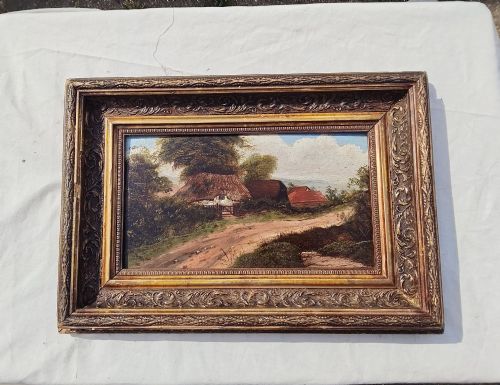
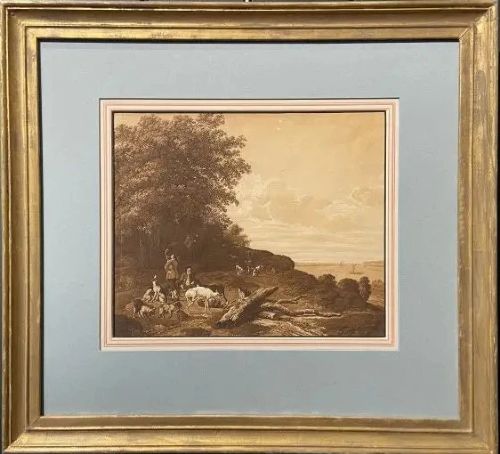
Traditional Landscape Wall Picture
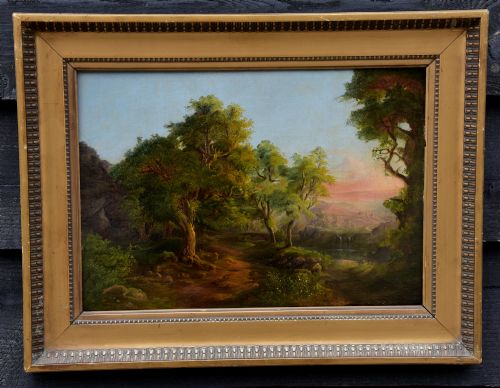
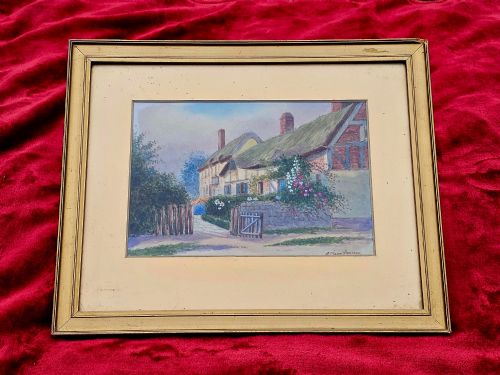
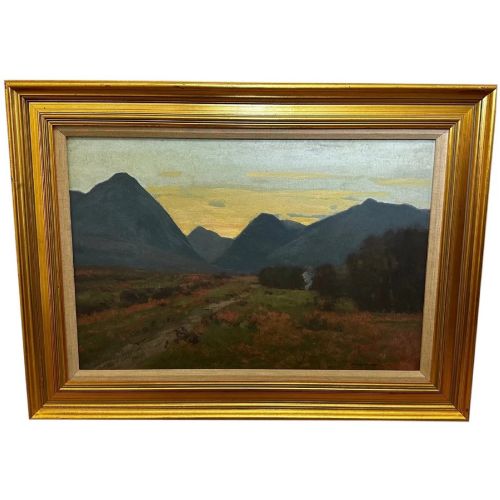
A traditional landscape wall picture brings quiet river views, pastoral valleys and wooded paths into a room through oil and watercolour.
Traditional Landscape Wall Picture
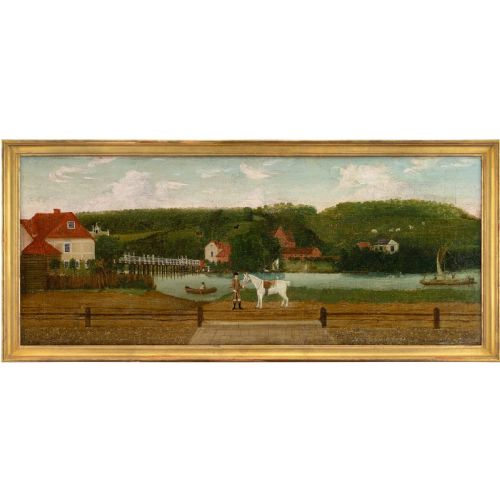
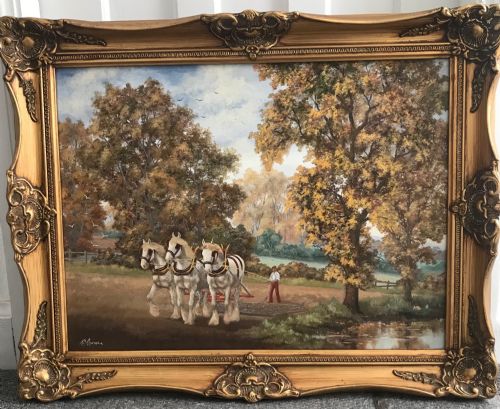
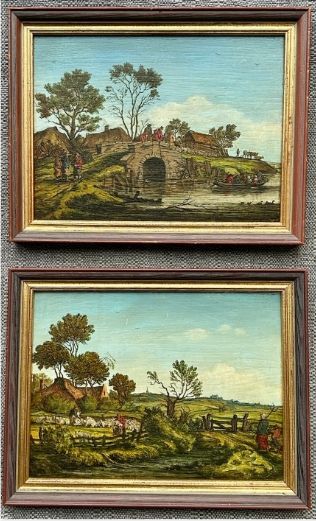
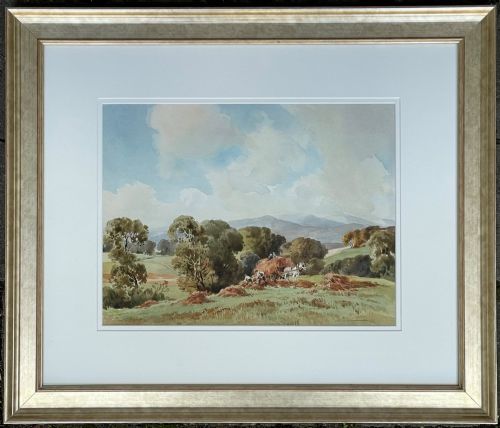
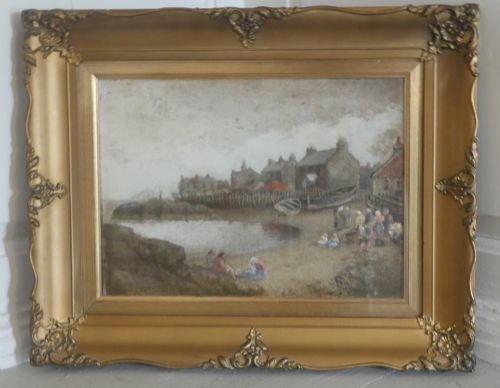
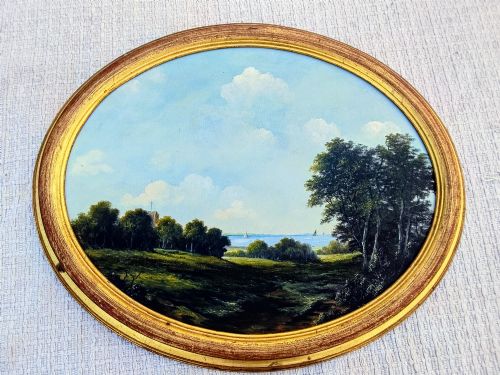
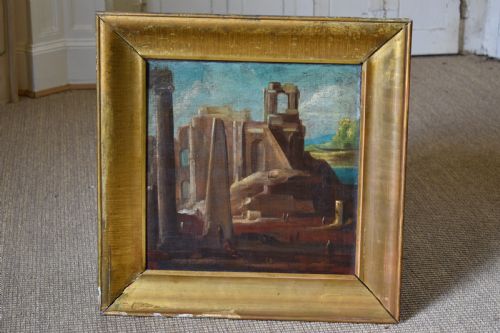
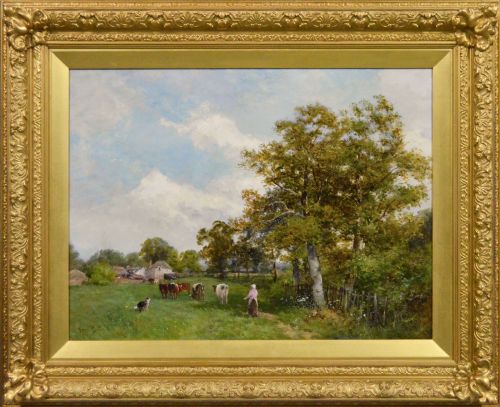
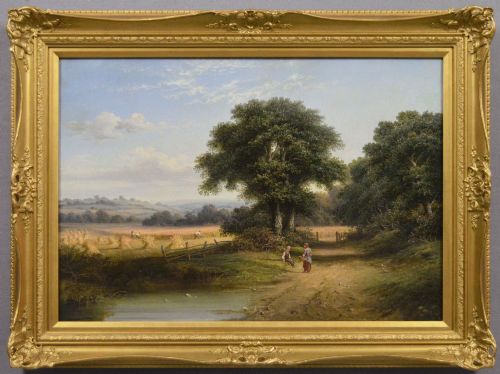
A traditional landscape wall picture encompasses oil paintings on canvas, board or wood panels, alongside watercolours on paper and card. These works capture pastoral scenes, river valleys, woodland views and coastal harbours.
The pieces appearing here span the nineteenth century, the Edwardian era and the early twentieth century. Many carry signatures from British and continental schools, recording figures, animals and rural life.
Buyers find framed artworks ranging from modest watercolours to large canvases in original gilt frames. Subjects vary from domestic farmyards and grazing sheep to expansive mountain passes and sea views.
Materials and Construction
Artists painted using oil and watercolour pigments applied to prepared canvas, wooden panels, board, card and heavy paper. Oil paint allowed for layered depth and textured brushwork, while watercolour provided transparent washes over fine paper surfaces.
Many works retain their original wood and gesso frames, often finished with gilt layers that complement the tones of the painting within. Support structures utilise wooden stretchers for canvases and protective glass panes for works on paper.
Listings feature works created across the nineteenth and twentieth centuries, including Victorian and Edwardian periods.
Distinctions in Quality
Quality rests upon the confidence of the brushwork and the handling of light and atmosphere across the composition. Stronger pieces demonstrate assured draughtsmanship in depicting figures, animals and natural foliage.
The integrity of the original support and the survival of the surface pigment determine the standing of an artwork. Original frames matching the period of the painting add considerably to the cohesion of the piece.
William H Myers·Alfred Young Nutt·Percy Lancaster·George Houston·David Bates·Walter Heath Williams·Johannes Lingelbach·Albert Rieger·Henry Yeen King·Robert Leslie Howey·T C Hofland·Henry Martin Pope·Henry Schouten·Sydney Yates Johnson·Hubert Wellington·Charles Walter Simpson·Henry Charles Fox·Thomas Sidney Cooper
The Traditional Landscape Wall Picture Glossary
- Oil on Canvas
- Pigment mixed with drying oil applied to a stretched woven fabric support. This technique allowed artists to build rich textures and deep colour saturation.
- Watercolour
- Water-soluble pigment suspended in a fine medium, painted onto paper or card. It relies on the white of the paper to shine through translucent washes.
- Gesso
- A plaster-like mixture applied to wooden frames or panels to create a smooth surface for gilding or painting. It provides a crisp base for moulded decorative details.
- Wood Panel
- A solid flat piece of timber used as a rigid painting surface before canvases became common. Panels offered stable foundations favoured by Flemish and continental schools.
Traditional Landscape Wall Picture: Frequently Asked Questions
How do I hang a heavy framed oil painting?
Heavy oil paintings require secure wall fixings directly into studs or solid masonry using rated picture hooks. Steel wire or sturdy brass rings attached to the wooden frame ensure the weight distributes evenly.
Position the centre of the picture at eye level to maintain proper balance within the room. Ensure the wall space avoids direct sunlight to protect the pigments from fading over time.
How do I identify a nineteenth-century frame?
Nineteenth-century frames usually feature heavy wooden mouldings built with corner miters and layered gesso ornament. Guilding applied over red or yellow bole often shows subtle wear revealing the underlying base.
Original frames frequently carry maker stamps or dealer labels pasted onto the reverse wooden stretcher bars. The backboards often consist of aged timber held by traditional flathead nails.
Where should I place landscape art at home?
Landscape art suits rooms designed for relaxation, such as sitting rooms, studies or quiet hallways. Traditional rural scenes pair well with natural wood furniture and neutral wall colours.
Keep paintings away from damp zones like unventilated kitchens or steamy bathrooms to protect the canvas and paper. Stable room temperatures prevent the wooden panels and stretchers from warping.