


Traditional Lake Landscape Art
Traditional lake landscape art captures serene bodies of water framed by mountains and valleys, offering calm vistas for your walls.
Traditional Lake Landscape Art
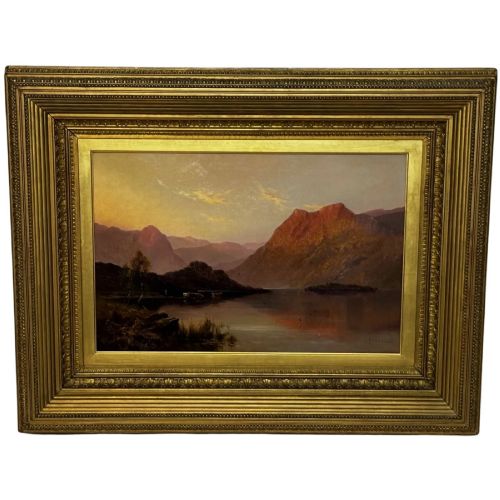
Traditional lake landscape art brings rural scenes of water, mountains, and skies into interior spaces through oil paintings and watercolours. You encounter pieces spanning the nineteenth century, the Edwardian era, and the mid-twentieth century, capturing British, European, and distant views.
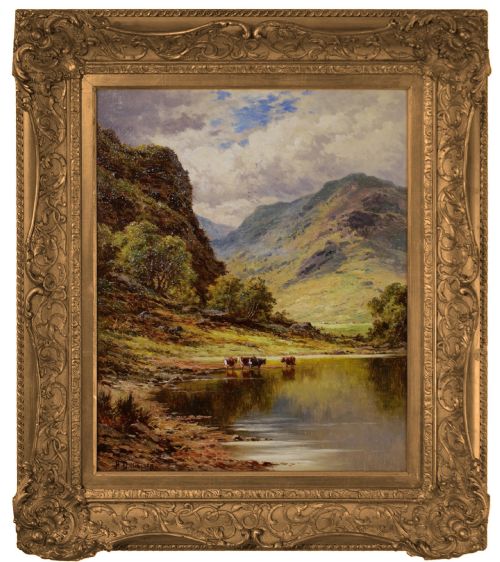
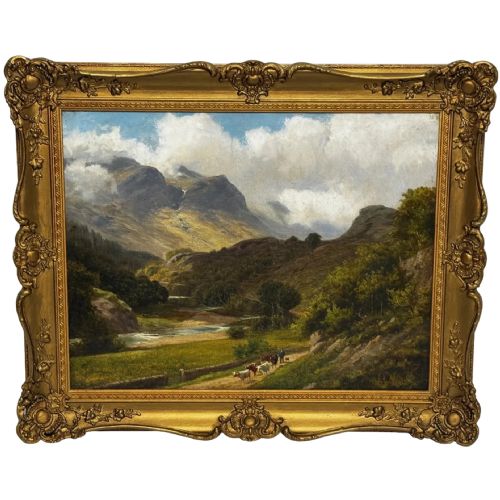
Many works depict specific locations such as the English Lake District, Scottish Highlands, and Alpine regions. These compositions range from intimate depictions of tarns and rivers to expansive mountain panoramas.
Canvases and panels frequently show bodies of water under varying atmospheric conditions, from summer sunlight to moonlight and winter frost. Figures, boats, or cattle occasionally populate the foregrounds to establish scale and human presence.
Methods and materials
Painters used oil paint on canvas or wood panels, building up brushwork to render water reflections and distant hills. Watercolour on paper also appears among these regional views.
Frames are constructed from wood, gesso, and gilt, often matching the period of the painting. Giltwood surrounds enhance the visual depth of the canvases.
Several canvases capture cows pausing near the water, seemingly unfazed by the surrounding dramatic mountain ranges.
Judging quality
Quality rests upon the artist's handling of light, atmosphere, and perspective across the water and terrain. Superior works manage tone and brushwork to create convincing depth.
The integration of the original frame with the canvas contributes to the integrity of the piece. Handling of delicate details in foliage, water movement, and skies separates accomplished compositions from standard works.
Alfred Fontville de Breanski Jr·Henry H Parker·Charles Leslie·Benjamin Williams Leader·William Mellor
The Traditional Lake Landscape Art Glossary
- Giltwood
- Wood carved and coated with gold leaf or gold paint. This material forms the ornate frames frequently found around nineteenth-century oil paintings.
- Gesso
- A plaster mixture applied to wooden frames as a base for gilding. It allows for crisp moulding details along the border.
- Oil on canvas
- Pigment mixed with drying oil applied to stretched woven fabric. This medium dominates the nineteenth-century landscape selections.
- Impressionist
- A style focusing on light and unblended brushstrokes rather than rigid detail. Such works capture transient atmospheric effects over water.
Traditional Lake Landscape Art: Frequently Asked Questions
How do I date a lake landscape painting?
Dating relies on stylistic clues, stretcher construction, and canvas stamps alongside artist biographical records. Victorian and Edwardian works often bear signatures or period framing styles that narrow down the decade.
Examining the back of the panel or canvas reveals labels and inscriptions left by past framers or galleries. These notes frequently record the title and the artist's active years.
Where were these landscape paintings displayed?
Original owners hung these works in domestic reception rooms, parlours, and libraries to bring expansive rural views indoors. They suited the scale of nineteenth-century drawing rooms.
Large canvases commanded prominent wall space above mantelpieces, while smaller watercolours found places in intimate studies. Their subjects reflected a growing appreciation for regional geography and tourism.
What subjects appear besides lakes?
Compositions frequently incorporate mountain ranges, rivers, fells, and valleys surrounding the water. Snow-capped peaks, waterfalls, and ruined castles also feature in the scenery.
Artists introduced human elements such as figures by campfires, boats on the water, or grazing livestock. These additions provide narrative interest and establish scale against the vast terrain.
How do I care for an oil painting?
Keep paintings away from direct sunlight and fluctuating humidity to protect the canvas and paint layers. Stable environmental conditions prevent the wood and canvas from warping.
Dust surfaces gently with a soft, dry brush without applying moisture or cleaning solutions. Professional conservators should handle any deeper cleaning or varnish removal.