


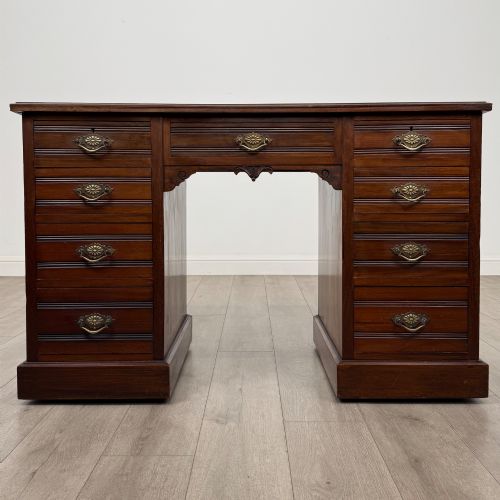
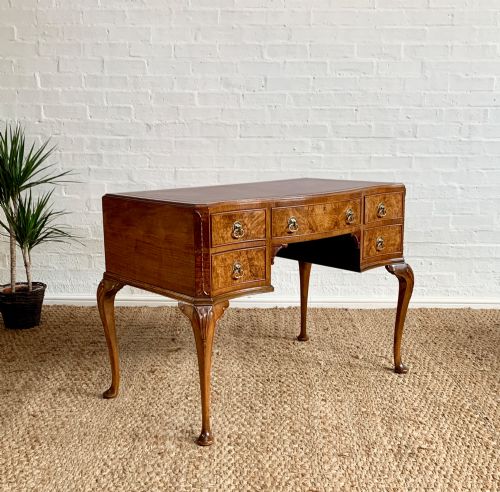
Traditional Kneehole Desk
A traditional kneehole desk offers a compact writing station with twin pedestals, prized for structured storage and classical proportions.
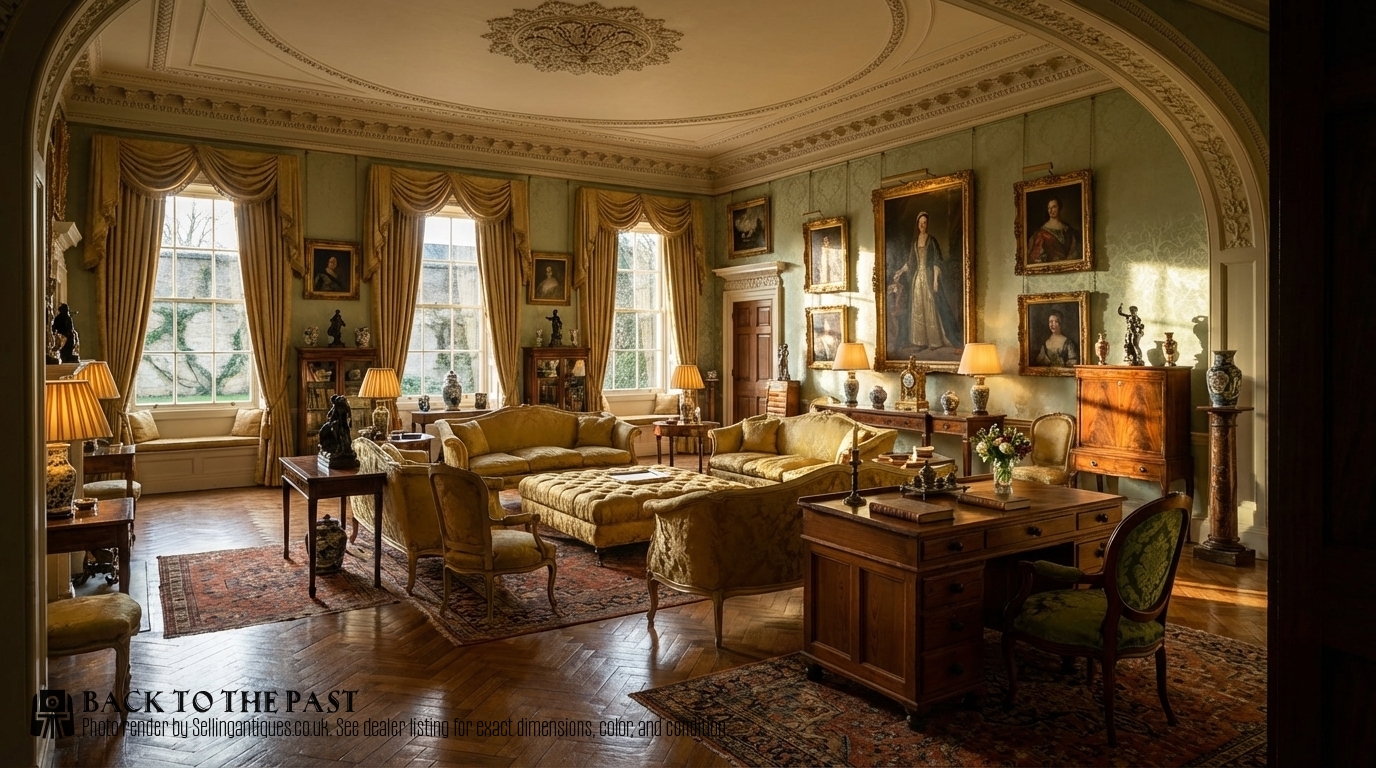
What a traditional kneehole desk is
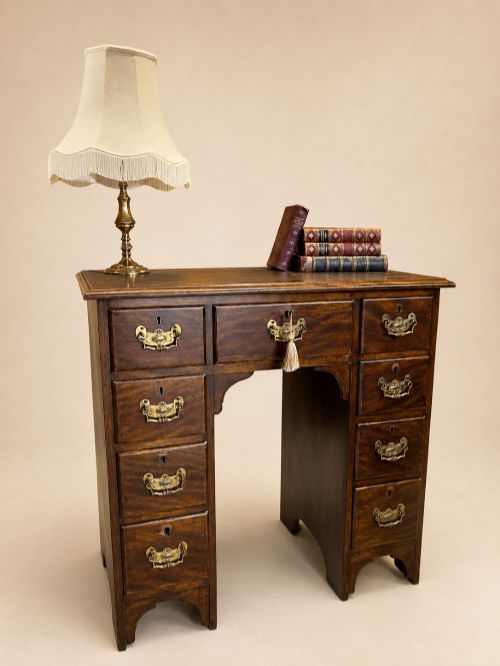
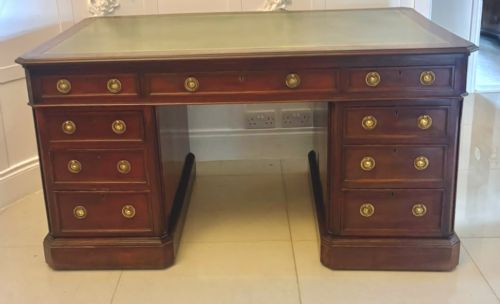
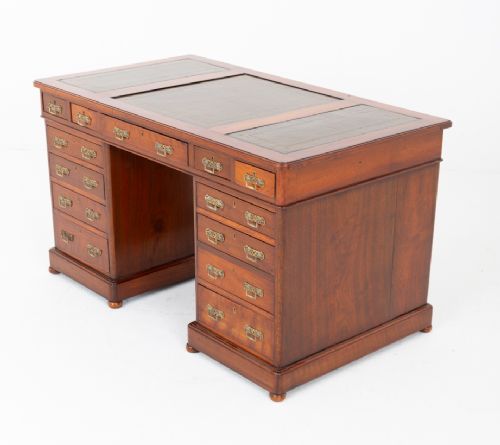
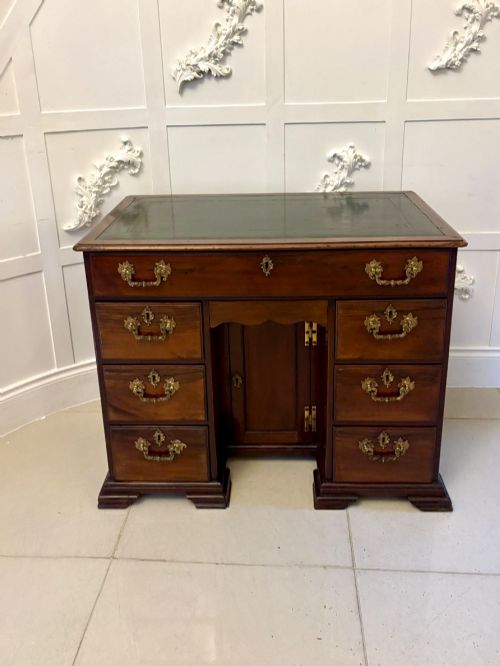
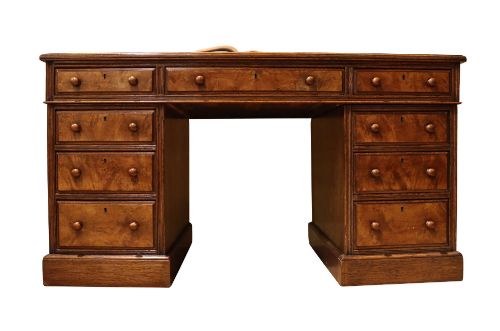
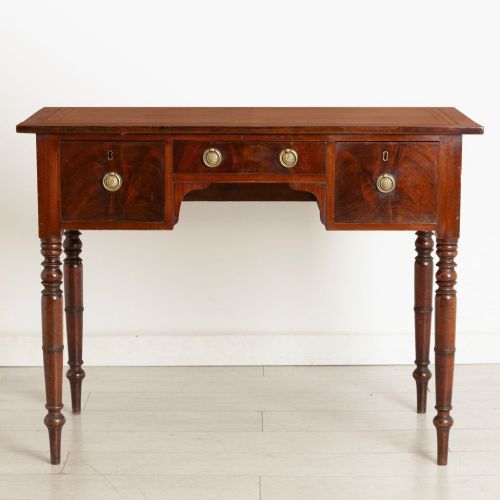
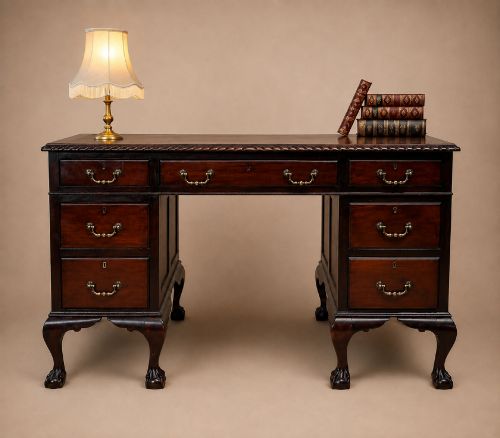
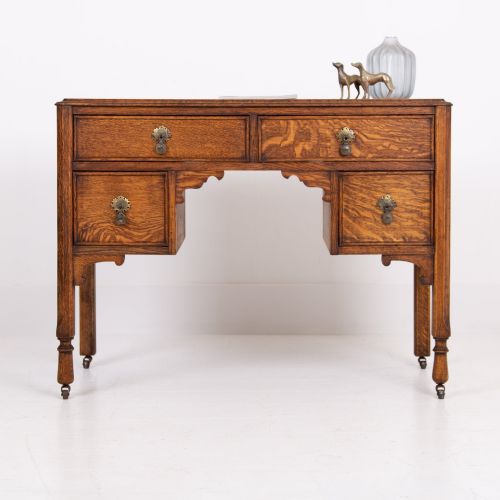
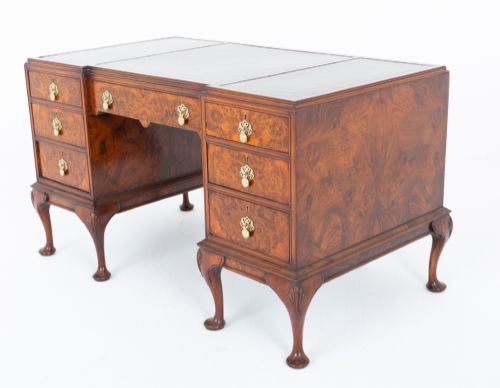
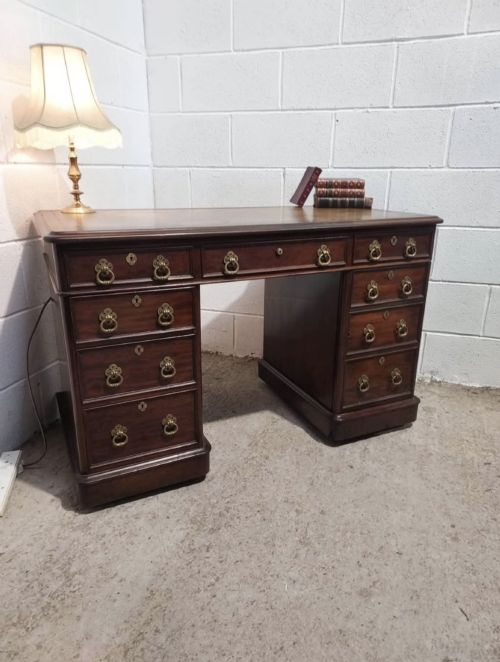
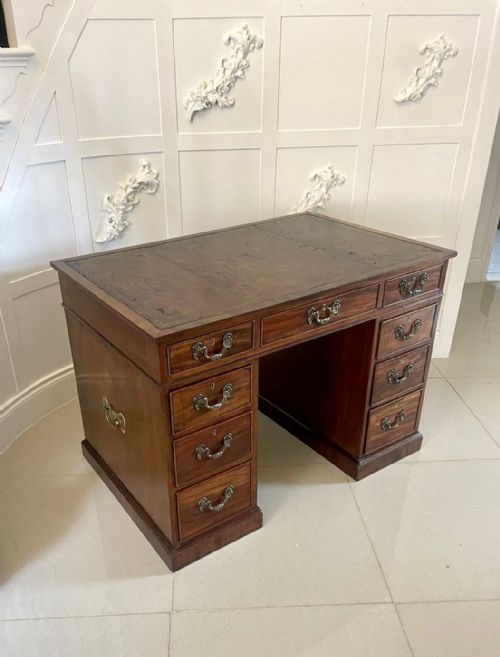
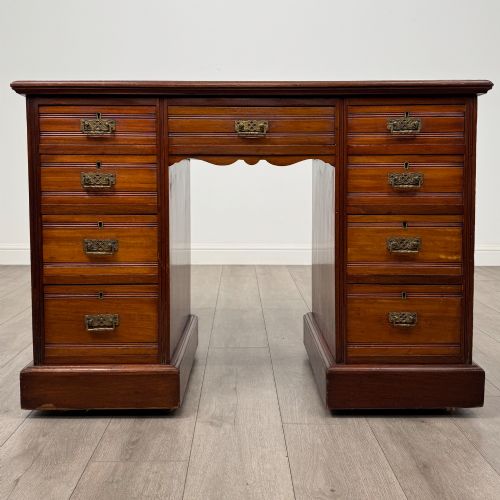
A traditional kneehole desk is a fitted writing table featuring pedestals of drawers on either side of a central recess. These pieces emerge in forms spanning the eighteenth century through to the Edwardian period, Victorian era, and nineteen-twenty.
Buyers select these desks to anchor a study or library with period presence and functional compartmentalised storage. The enduring appeal lies in the integration of a writing surface with pedestals designed for papers and correspondence.
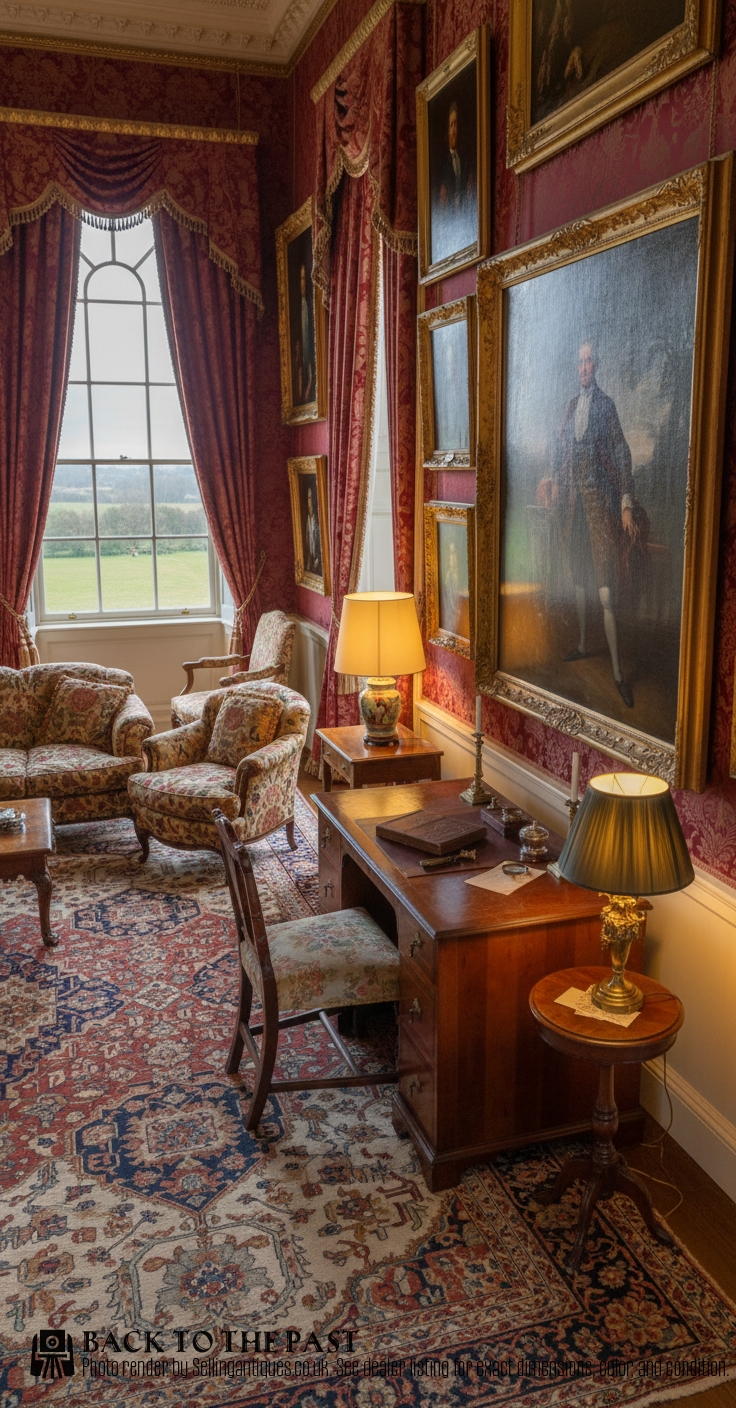
How they were made
Constructed primarily from solid timber and veneers, these desks utilise mahogany, walnut, and pitch pine. The surfaces frequently incorporate inset leather writing panels to provide a smooth, durable plane for ink and paper.
Drawer construction and cabinetry work are reinforced with brass hardware, including handles and escutcheons. Panel work on the pedestal sides reflects traditional joinery methods suited to heavy daily use in private chambers.
Retail Price Guide 2026
Typical UK retail prices for traditional kneehole desk, calculated from the Sellingantiques database of over a million retail prices indexed since 2003. This retail price guide relies exclusively on Sellingantiques data; no external sources or auction records are used, so the figures do not describe the wider market.
Every kneehole desk hides a secret central drawer above your knees that once kept love letters safe from prying eyes.
What varies in quality
The hierarchy of quality rests upon the selection of timber figures, such as the rich grain visible in golden mahogany and figured walnut. Finer execution is evident in the crispness of mouldings and the harmonious proportions between the central recess and the flanking pedestals.
Originality of the brass furniture and the retention of period leather inserts elevate an example above later replacements. The integrity of the internal drawer linings and the weight of the secondary timbers dictate the lasting stability of the piece.
The Traditional Kneehole Desk Glossary
- Kneehole
- A recessed space beneath the central part of a desk designed to accommodate the legs of the user seated before it. This architectural arrangement allows pedestals of drawers to flank the sitter.
- Pedestal
- A vertical structural column or cabinet base containing stacked drawers that supports one side of the desktop. Two such pedestals define the architecture of a kneehole desk.
- Escutcheon
- A protective plate surrounding the keyhole of a drawer or cabinet door, frequently cast in brass. It prevents the surrounding timber from wearing away through repeated use of the key.
- Pitch pine
- A durable, resinous softwood utilised in nineteenth-century cabinet making. It offers a distinct grain pattern and structural firmness distinct from hardwoods like mahogany.
Frequently Asked Questions
What is a traditional kneehole desk?
A traditional kneehole desk is a pedestal writing table featuring a central recessed space flanked by banks of drawers. These pieces provide an organised workspace with enclosed storage compartments.
Examples span from the eighteenth century to the Edwardian era, constructed in materials such as mahogany, walnut, and pitch pine.
How do I date a kneehole desk?
Dating relies on stylistic markers and timber choices associated with specific periods like the George III, Victorian, or Edwardian eras. Cabinetry techniques and the character of the brass hardware offer further chronological clues.
Examining secondary timbers inside the drawer construction helps confirm the manufacturing period of the piece.
Where were these desks used?
These desks were traditionally placed in private libraries, studies, and drawing rooms as writing and administrative stations. Their compact footprint allowed them to sit against walls or within panelled rooms.
Today they function effectively in modern home offices where classical proportion is desired.
What woods are used for these desks?
Makers utilised dense hardwoods such as mahogany and walnut for primary visible surfaces and structural framing. Pitch pine also appears in certain nineteenth-century regional examples.
Leather surfaces were frequently integrated into the top to provide a dedicated writing medium.