






Traditional Japanese Plate
These traditional japanese plate selections range from large chargers to small dishes, offering striking hand-painted displays for collectors.
Traditional Japanese Plate
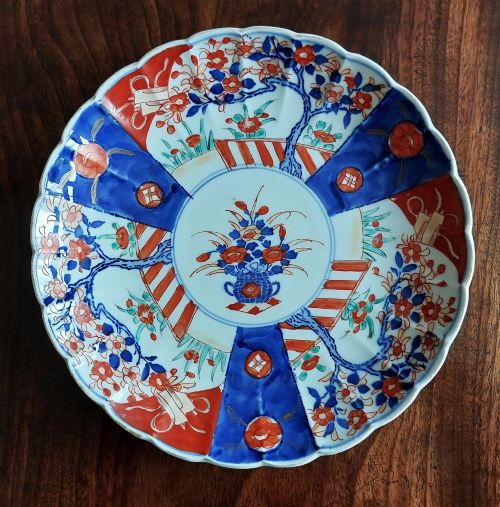
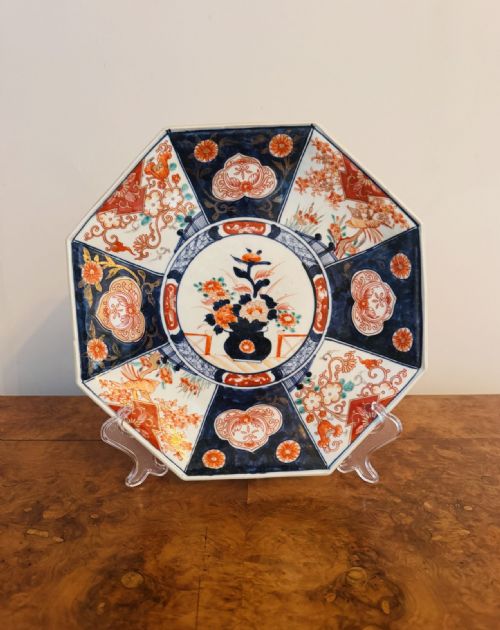
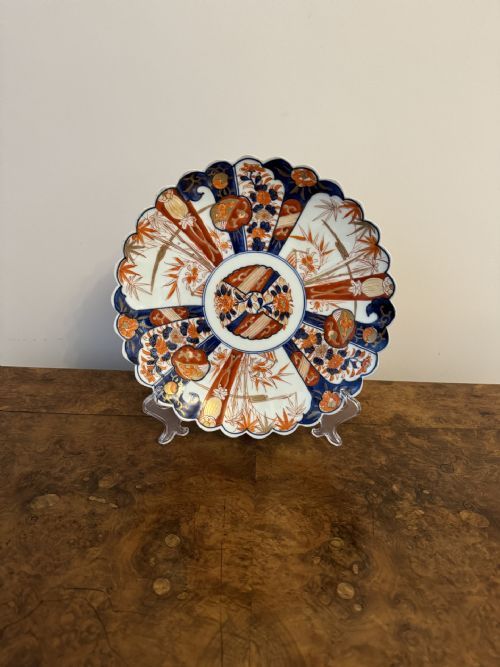
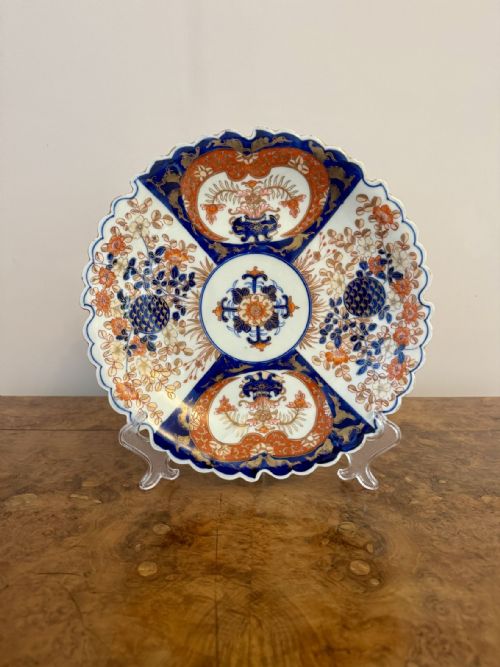
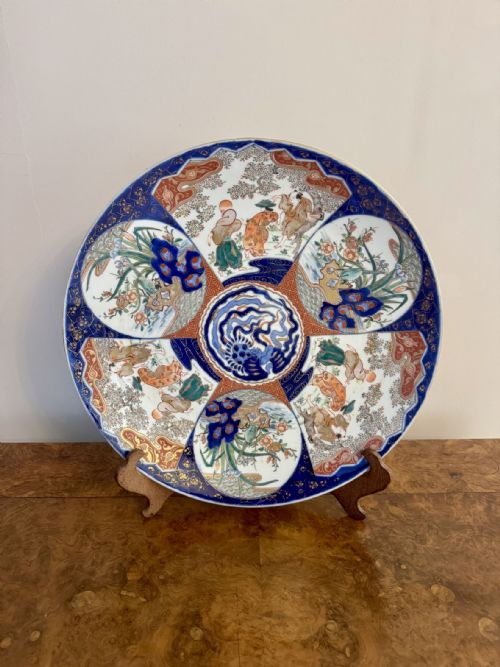
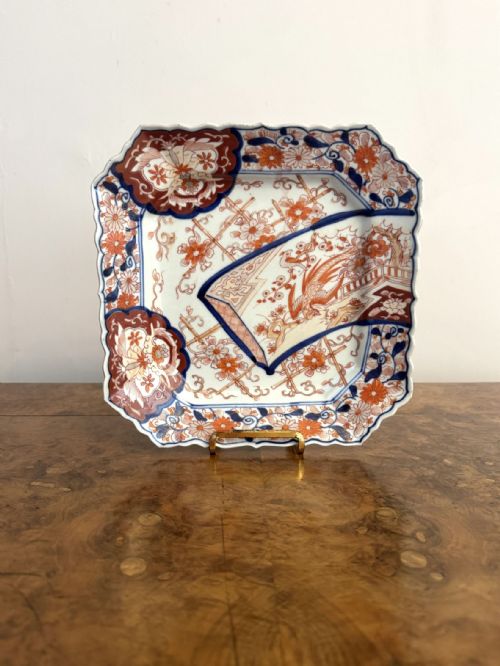
A traditional japanese plate search typically brings up items spanning the late seventeenth century through the early twentieth century. The most common examples met on this page are Japanese Imari plates and chargers originating from the Meiji period and Victorian eras.
Objects vary from standard circular dishes to square shapes, scalloped edges, and large decorative chargers intended for display. Sets complete with storage boxes also appear alongside individual fruit display plates and tea ceremony carved trays.
Materials and Techniques
Items are constructed from porcelain and ceramic, utilising cobalt underglaze, enamel, and glaze finishes. Many pieces incorporate gold leaf, gilding, and hand-painted details.
Wood is also utilised, particularly in carved trays associated with tea ceremonies.
Traditional Japanese Plate Retail Price Guide 2026
Typical asking prices for traditional japanese plate among the pieces listed under this phrase on Sellingantiques today, from the lower quarter to the upper quarter. They describe what is for sale here now, not the wider market.
Several sets arrive complete with their original storage boxes, surviving centuries of quiet travel.
Judging Quality
Quality rests upon the precision of the hand painting and the complexity of the Imari palette. Pieces described as outstanding or unusual often exhibit finer detailing in the cobalt underglaze and enamel work.
The integrity of the porcelain body and the preservation of any gold leaf or gilding distinguish finer examples from standard decorative wares.
The Traditional Japanese Plate Glossary
- Imari
- A style of Japanese porcelain decorated in underglaze blue, iron red, and gold. It was traditionally exported from the port of Imari.
- Charger
- A large decorative plate intended for display on a wall or sideboard rather than for dining use.
- Meiji Period
- The era in Japanese history spanning from 1868 to 1912, associated with significant opening to Western trade and distinct artistic output.
- Aka-e
- Japanese ceramic decoration characterised by red painting, often combined with other colours and gold.
- Cobalt Underglaze
- A blue pigment applied to ceramic pieces before glazing and firing, ensuring permanence under the glassy surface.
Traditional Japanese Plate: Frequently Asked Questions
What is a traditional japanese plate used for?
These pieces were created for both practical dining functions and decorative display purposes.
Larger chargers and platters served as centrepieces or fruit display dishes, while smaller plates suited specific culinary or tea ceremony uses.
How do I identify a Meiji period plate?
Meiji period items align with Japanese production between 1868 and 1912, often reflecting traditional Imari aesthetics.
They frequently combine cobalt underglaze with vibrant enamel and gilding upon porcelain bases.
What is the difference between a plate and a charger?
A charger is substantially larger than a standard dining plate, designed primarily for visual impact.
These large pieces often feature intricate Japanese Imari patterns meant to be showcased on walls or stands.
How should I display antique ceramic plates?
Antique ceramic and porcelain pieces require stable mounting using specialist plate hangers or display stands.
Keep them away from direct sunlight and high humidity to preserve the delicate enamel and gold leaf decorations.