

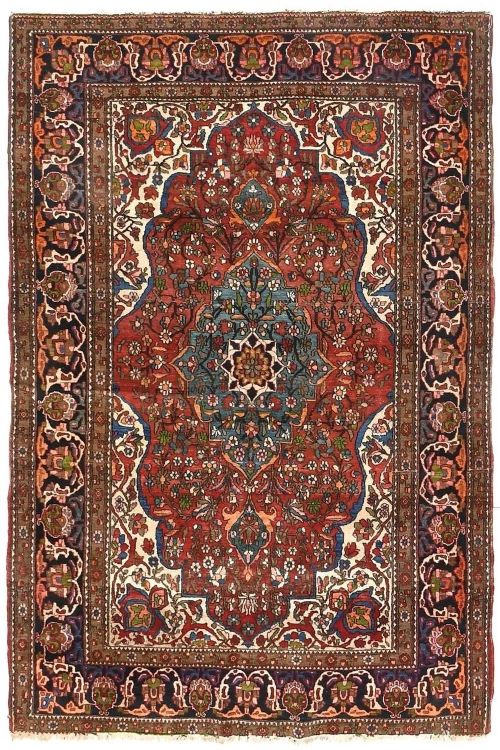


Traditional Isfahan Rug
Traditional isfahan rug pieces offer intricate Central Persian artistry woven with wool and silk highlights, prized for classic medallion designs and enduring elegance.
Traditional Isfahan Rug
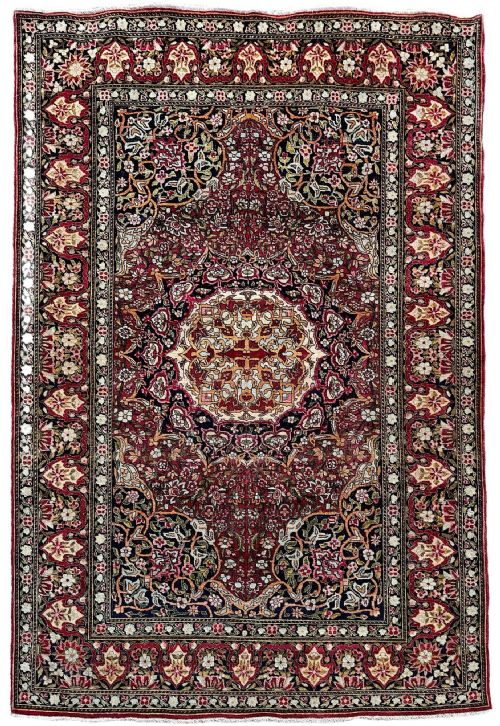
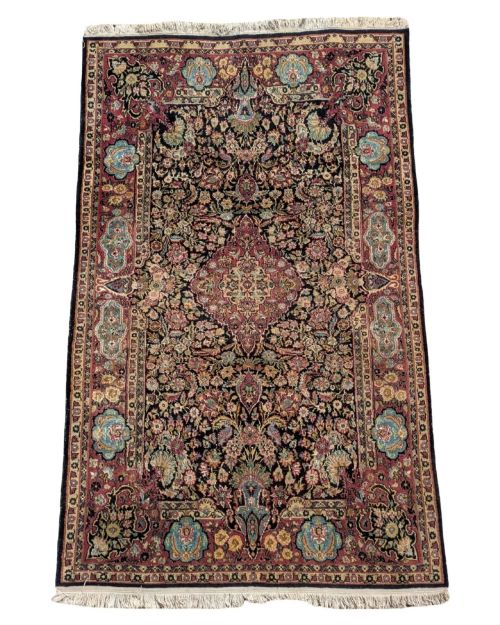
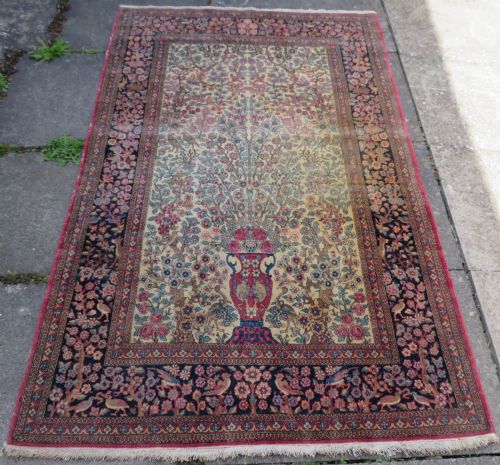
A traditional isfahan rug represents the pinnacle of Central Persian weaving, originating from workshops in the historic city of Isfahan. Buyers searching this phrase look for finely knotted floor coverings that display centuries of design refinement.
The selections available here span the late nineteenth century through to the early decades of the twentieth century. Examples range from compact area rugs to large carpets suited for principal reception rooms.
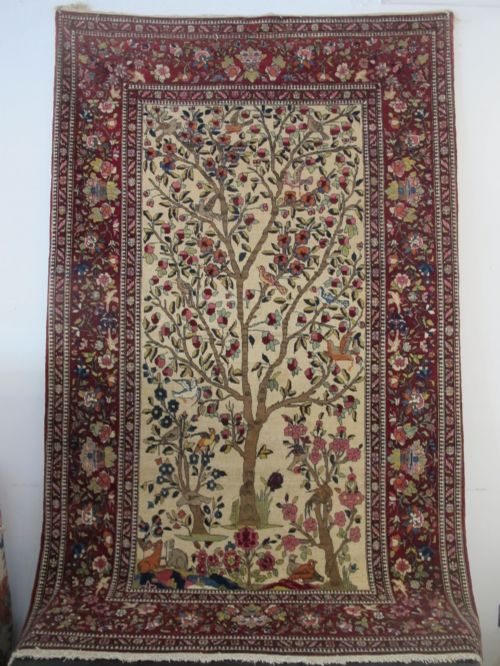
Most pieces encountered on this page follow classic formats such as central medallion layouts or prayer designs. Persian styles dominate the listings, demonstrating traditional motifs passed down through generations of weavers.
How they were made
Weavers constructed these traditional isfahan rug examples using natural materials including wool, lambswool and silk. Foundations frequently combine cotton with silk threads to support dense, intricate knotting.
Many finer specimens incorporate silk highlights to accentuate floral details and borders against a wool pile. Artisans in Central Persia executed these works on vertical looms, maintaining strict control over tension and symmetry.
Traditional Isfahan Rug Retail Price Guide 2026
Typical asking prices for traditional isfahan rug among the pieces listed under this phrase on Sellingantiques today, from the lower quarter to the upper quarter. They describe what is for sale here now, not the wider market.
Some weavers tucked hidden silk highlights into ordinary wool carpets, creating secret glimmers that only catch the eye when lamps are lit.
What varies in quality
Knot density and foundation materials dictate the refinement of a traditional isfahan rug. Pieces possessing lambswool piles on silk foundations represent a higher grade of craftsmanship compared to standard wool on cotton constructions.
The precision of the central medallion design and the crispness of the floral motifs separate standard pieces from finer works. Handling highlights and pictorial elements requires exceptional technical skill from the weaver.
Ahmadi
The Traditional Isfahan Rug Glossary
- Medallion
- A symmetrical central ornament placed in the field of a carpet. This decorative motif forms the focal point of many traditional designs.
- Foundation
- The structural framework of a rug comprising warp and weft threads. Cotton and silk typically serve this purpose in these pieces.
- Pile
- The vertical or slanted yarn surface of a rug formed by knotted loops. Wool, lambswool and silk comprise the pile materials found here.
- Prayer rug
- A small carpet featuring a mihrab or arch design indicating the direction of prayer. These formats often hang as wall art or serve specific functional roles.
- Pictorial
- A design incorporating figurative scenes, animals or human portraits rather than purely geometric or floral patterns.
Traditional Isfahan Rug: Frequently Asked Questions
How do I identify a traditional isfahan rug?
Look for a finely knotted wool or silk pile structured around a central medallion design, often originating from Central Persia.
Examination of the foundation reveals whether cotton or silk supports the intricate floral patterns characteristic of Isfahan workshops.
Where were these rugs made?
These pieces originate from Isfahan in Central Persia, a historic centre renowned for sophisticated carpet production.
Master weavers in this region developed distinct styles that incorporated refined floral motifs and balanced compositions.
What materials are used in these carpets?
Weavers utilised natural wool, lambswool and silk to create the dense surface pile of these floor coverings.
Foundations typically consist of durable cotton or fine silk threads to maintain structural integrity across decades of use.
How should I care for an antique carpet?
Protect the wool and silk fibres by placing the rug in areas with moderate foot traffic and away from direct sunlight.
Professional cleaning tailored for antique textiles preserves the natural dyes and delicate foundation materials.