



Traditional Indian Folk Art
Traditional indian folk art brings handmade character into a room through regional woodwork and ritual objects that carry deep cultural roots.
Traditional Indian Folk Art
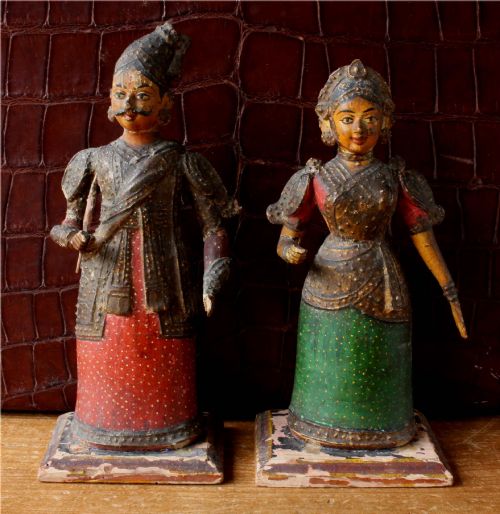
Traditional indian folk art encompasses handcrafted wooden sculptures, painted storage chests, and ritual textiles originating from various regional traditions across the subcontinent. These pieces range from domestic items like spice powder boxes and wedding chairs to ceremonial objects including dancers headdresses and carved goddess figures.
Buyers are most likely to encounter nineteenth century and early twentieth century works fashioned from hardwood, cedar wood, and shisham wood. Many items display traces of original pigment and paint, preserving the vibrant visual language of Indian vernacular and Swat Valley folk art.
How traditional indian folk art pieces were made
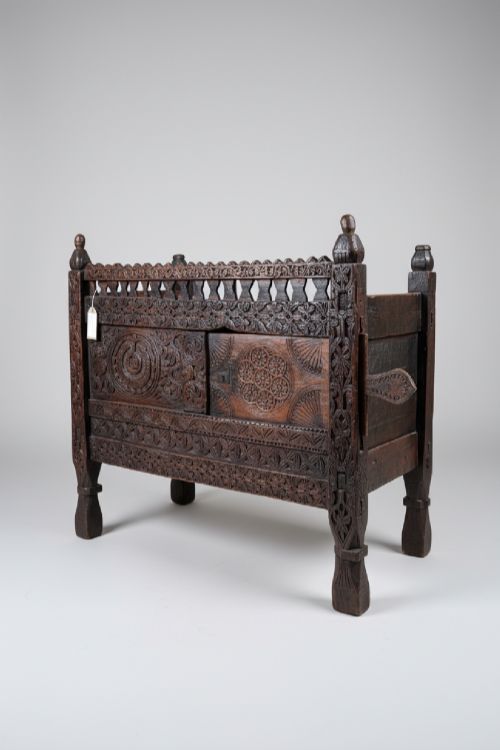
Maker-artisans shaped these works using traditional hand carving techniques applied to local timbers including hard woods, cedar, and oak. Structural elements were joined manually, resulting in sturdy chests, cupboards, and spinning wheels designed for daily household or agricultural use.
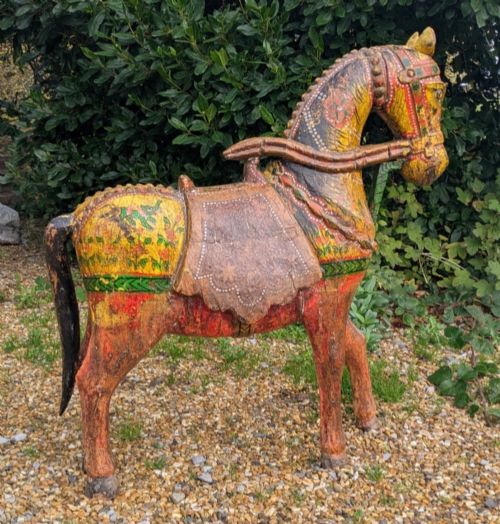
Surfaces frequently received applications of paint and pigment to decorate figures, wall cloths, and architectural panels. Polychrome finishes highlight the carved details of wooden horses, deities, and ceremonial masks.
Traditional Indian Folk Art Retail Price Guide 2026
Typical asking prices for traditional indian folk art among the pieces listed under this phrase on Sellingantiques today, from the lower quarter to the upper quarter. They describe what is for sale here now, not the wider market.
Object forms range widely from utilitarian chests and spice boxes to processional horses, rocking horses, and ceremonial headdresses.
What varies in quality in traditional indian folk art
Quality rests in the crispness of the hand carving and the preservation of original pigment across painted surfaces. Pieces that retain their authentic finish display superior visual depth compared to those with later overpainting.
Proportion and scale distinguish finer sculptures and larger furniture items like dowry chests and shelved cupboards. Structural integrity in functional pieces such as wedding chairs and spinning wheels also marks the distinction between standard vernacular items and masterworks.
The Traditional Indian Folk Art Glossary
- Polychrome
- Decorated in a variety of colours. This term describes carved wooden sculptures and horses retaining their original painted finish.
- Theyyam
- A ritual dance form from Kerala. Headdresses associated with these performances are constructed as elaborate folk art sculptures.
- Shisham
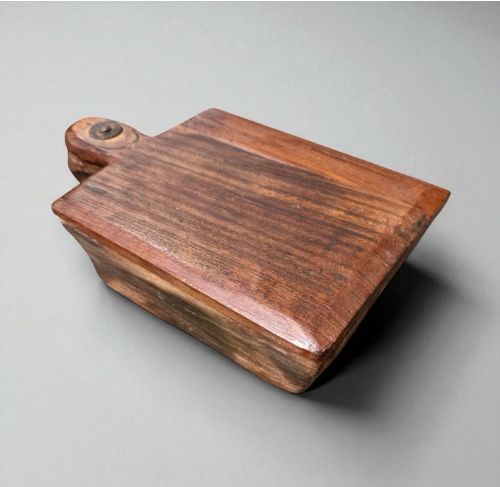
- A durable Indian hardwood commonly utilised for furniture and platters. It provides a dense base for traditional carving.
Traditional Indian Folk Art: Frequently Asked Questions
What is traditional indian folk art?
Traditional indian folk art comprises handmade objects created for domestic, ritual, and ceremonial purposes across different regions of India. These works include carved wooden sculptures, painted storage chests, and textile wall cloths.
Most surviving examples date from the nineteenth and early twentieth centuries, reflecting regional styles such as Swat Valley and South Indian folk art. Each piece serves as a functional item or a cultural artefact shaped by local artisan traditions.
How were these wooden items used?
Many objects fulfilled practical household roles, from dowry chests and spice powder boxes to shelved cupboards and wedding chairs. Others served agricultural or domestic functions, such as spinning wheels.
Ceremonial pieces held distinct ritual purposes within communities. Items like dancers headdresses and goddess figures were integral to local festivals and religious observances.
How do I care for wooden folk art?
Wooden sculptures and furniture require stable indoor humidity levels to prevent the timber from drying out or splitting. Keep pieces away from direct heat sources and strong sunlight to protect painted and pigmented surfaces.
Dust gently with a dry, soft cloth rather than using liquid polishes or chemical cleaners. Preserving the dry, historic surface maintains the character of the original pigment.