



Decorative Carved Wooden Animal
A decorative carved wooden animal brings character to a room, offering craftsmanship from the nineteenth and twentieth centuries.
Decorative Carved Wooden Animal
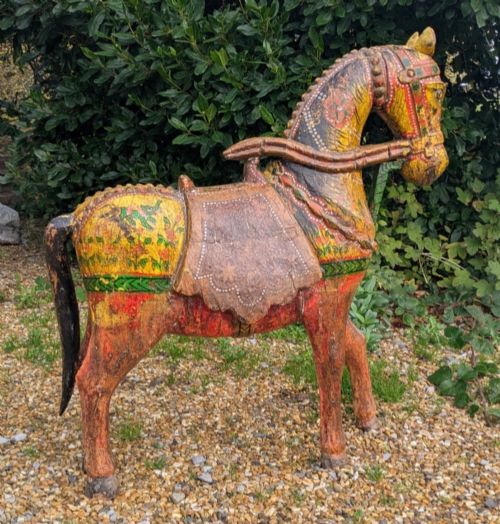
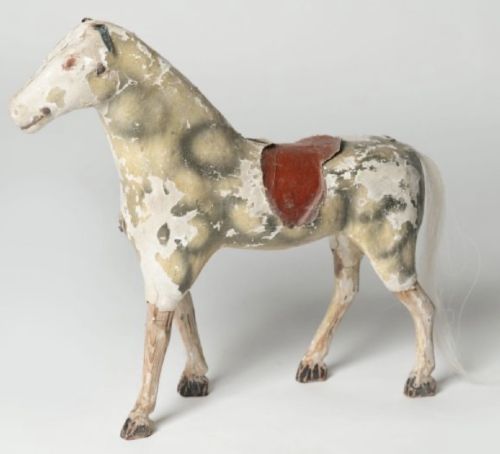
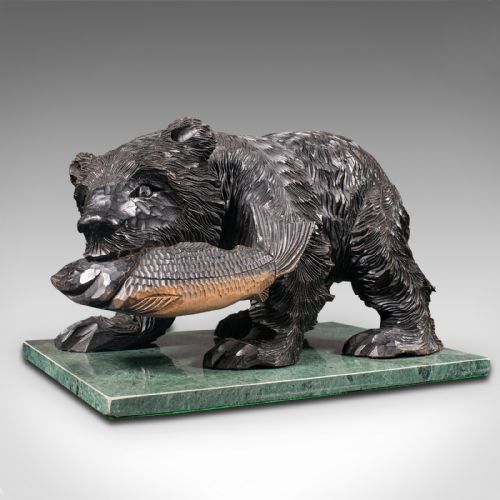
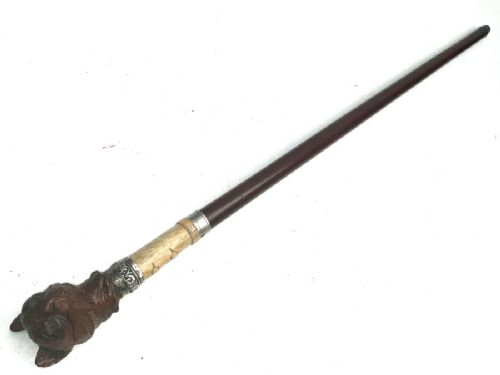
Every decorative carved wooden animal represents a sculptural tradition spanning diverse global workshops, from Victorian England to traditional Chinese studios and Indian folk art centres. Buyers searching for a decorative carved wooden animal encounter forms ranging from life-size lions and elephants to small monkeys, iguanas, horses and tortoises. These pieces manifest across various functional and ornamental objects, including sculptures, wall carvings, walking sticks, trinket boxes and hall benches.
The selection here encompasses figures dating from the late nineteenth century through to the art deco period of the 1930s. Anglo-Indian hardwood studies, Gothic revival motifs and traditional Asian subjects appear frequently among the listings. Collectors select these figures to introduce tactile natural forms and historic craftsmanship into domestic interiors.
Materials and methods
Artisans employed traditional hand tools to shape the timber, often finishing the surface with polishing oils or natural pigments. Sculptural forms range from standalone statues and wall masks to integrated carvings on furniture such as window seats and trinket boxes.
Decorative Carved Wooden Animal Retail Price Guide 2026
Typical asking prices for decorative carved wooden animal among the pieces listed under this phrase on Sellingantiques today, from the lower quarter to the upper quarter. They describe what is for sale here now, not the wider market.
An Indian star tortoise box safely keeps small treasures without demanding lettuce or a heat lamp.
Assessing quality and execution
Quality rests primarily upon the anatomical accuracy and expressive vigour achieved by the carver. Superior examples display subtle life in the posture and careful attention to grain direction, whereas lesser pieces exhibit stiff proportions and mechanical finishing.
The handling of secondary materials also distinguishes the range. Finely fitted bone inlay, delicate painted decoration, and crisp retention of detail in dense hardwoods indicate superior workshop standards.
The Decorative Carved Wooden Animal Glossary
- Hardwood
- Timber derived from broad-leaved trees, providing the dense foundation required for intricate and enduring animal sculptures. Ebony is a notable example seen in these carvings.
- Bone Inlay
- A decorative technique where small pieces of bone are set flush into the wooden surface to form patterns or highlights.
- Anglo-Indian
- A style reflecting British aesthetic tastes applied by artisans working within the Indian subcontinent during the nineteenth and early twentieth centuries.
- Folk Art
- Objects created by self-taught or traditional artisans outside academic fine art traditions, prioritising direct expression over strict naturalism.
- Ming Style
- Design characteristics inspired by the Ming dynasty, often reproduced or reinterpreted in later ceramic and wood objects.
Decorative Carved Wooden Animal: Frequently Asked Questions
How do I date an antique wooden animal?
Dating relies upon examining tool marks, timber shrinkage, and stylistic indicators consistent with periods such as the Victorian era or the 1930s.
Comparison with documented regional styles, such as Raj period Indian carvings, helps narrow the decade of production.
Where should I place a carved animal figure?
These sculptures suit placement on side tables, mantelpieces, or integrated into larger arrangements of natural curiosities.
Larger statues and wall masks require prominent wall space or dedicated floor areas to display their full scale.
How do I clean antique carved wood?
Dust gently with a soft, dry brush to prevent accumulation in recessed carved details without disturbing the surface.
Avoid water and chemical cleaning agents, which can strip historic polishes and dry out the timber.
What is the difference between folk art and studio carvings?
Folk art pieces display charming irregularities and regional vernacular traits rooted in local craft traditions.
Studio or ceremonial carvings from periods like the Raj typically exhibit formal academic training and strict anatomical precision.