







Traditional Imari Porcelain
Traditional imari porcelain pieces bring rich iron-red and cobalt underglaze palettes to domestic display through plates, vases, and chargers.
Traditional Imari Porcelain
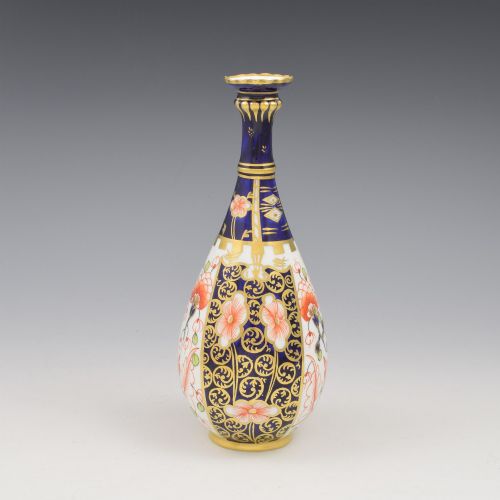
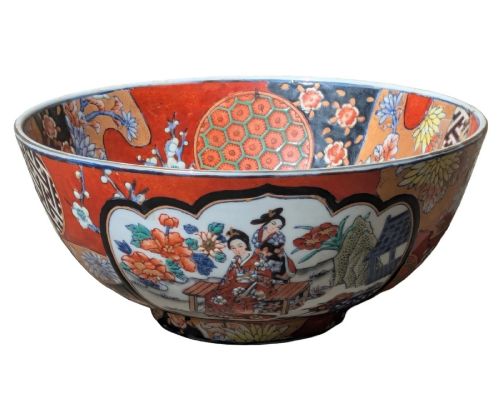
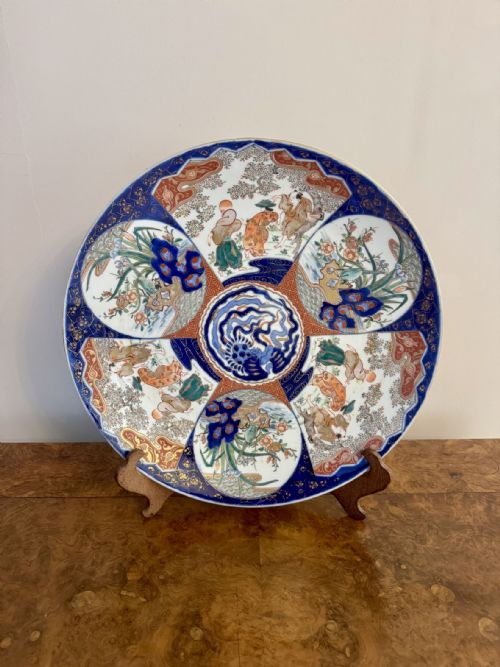
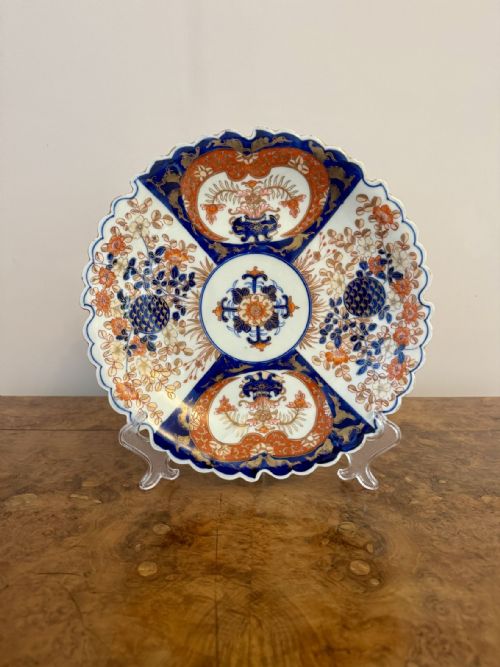
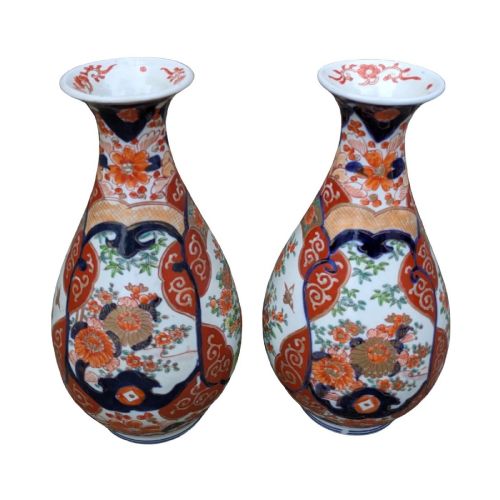
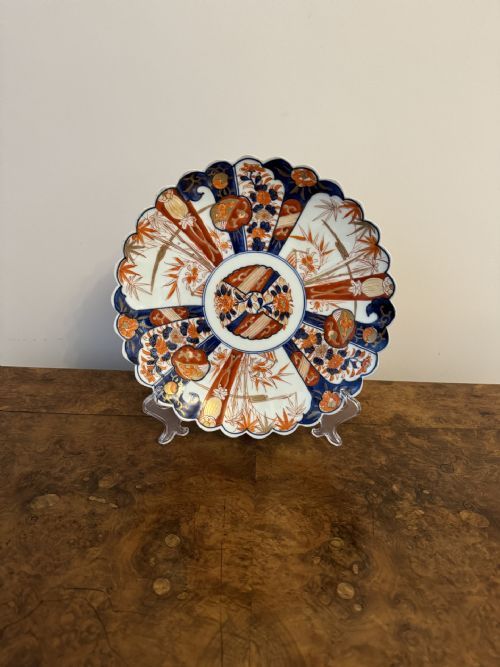
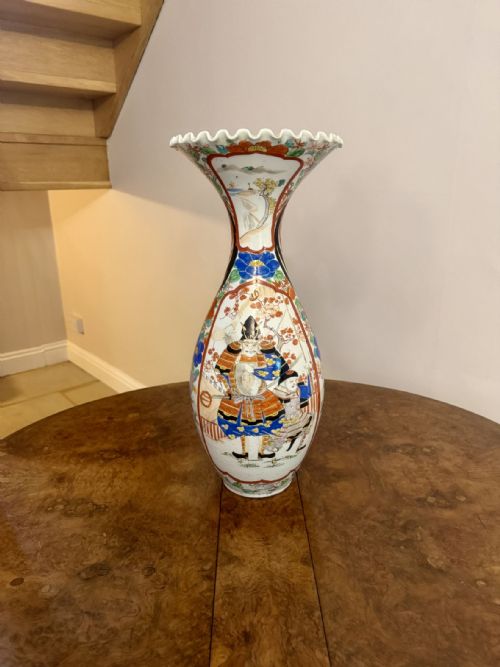
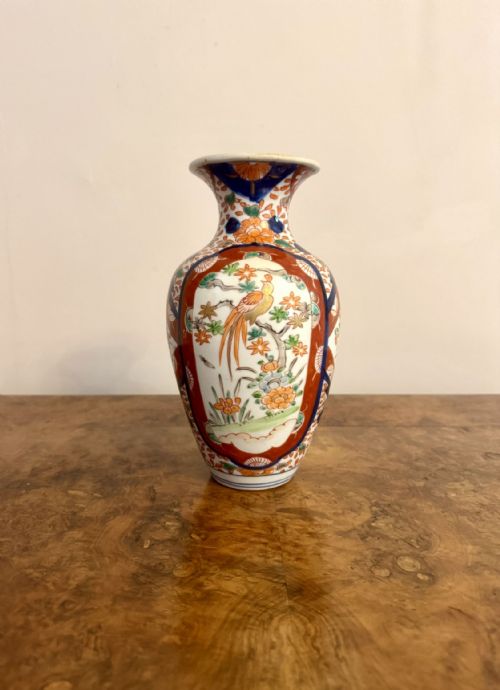
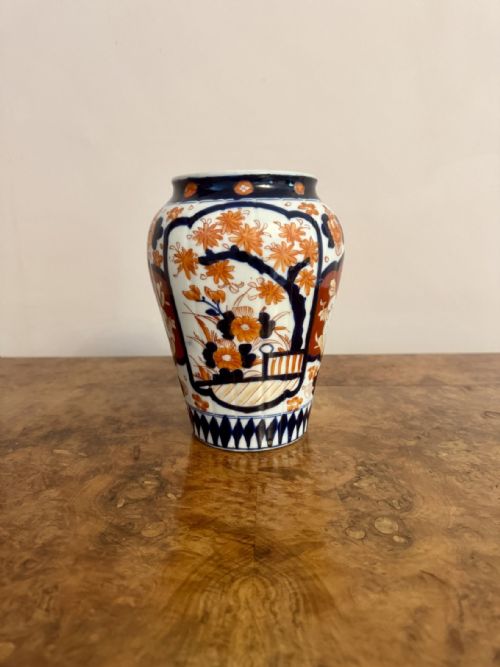
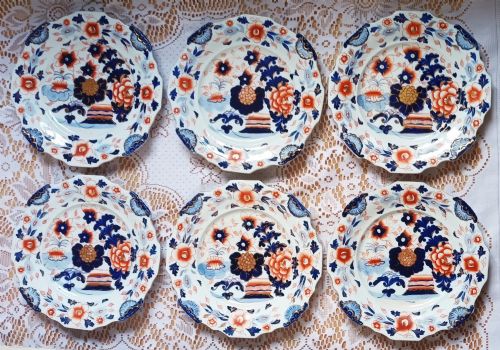
Traditional imari porcelain encompasses decorative plates, chargers, bowls, and vases that originate primarily from Japanese Meiji, Edo, and 19th-century periods alongside English interpretations. Collectors searching for traditional imari porcelain encounter hexagonal plates, scalloped dishes, lidded jars, and large baluster vases decorated in characteristic schemes.
Japanese examples dominate the selection, spanning late 17th-century pieces through to early 20th-century items, alongside Victorian and Georgian English iterations like Ironstone China and Royal Crown Derby wares. The forms remain largely decorative and functional, including afternoon tea service components, stem vases, and expansive chargers designed for prominent placement.
How traditional imari porcelain pieces were made
Potters shaped ceramic and porcelain bodies into plates, bowls, and vases before applying cobalt underglaze pigments to the raw clay. Artisans then fired the pieces to fix the blue designs beneath the clear glaze coat.
Workers added overglaze enamels, gilding, and gold leaf details in subsequent lower-temperature firings to build the rich surface patterns characteristic of the style.
Traditional Imari Porcelain Retail Price Guide 2026
Typical asking prices for traditional imari porcelain among the pieces listed under this phrase on Sellingantiques today, from the lower quarter to the upper quarter. They describe what is for sale here now, not the wider market.
Listings feature porcelain, ceramic, and ironstone materials decorated with cobalt underglaze, enamel, and gold leaf across Victorian, Meiji, and Georgian periods.
What varies in quality
The precision and depth of the cobalt underglaze work separate standard wares from finer examples, alongside the richness of the applied enamel and gold leaf detailing. Hand-painted brushwork on plates and chargers displays varying degrees of control and complexity across different maker outputs.
The crispness of moulded forms, such as scalloped edges, square shapes, and hexagonal profiles, indicates the care taken during production. Well-preserved gilding and vibrant, stable enamel layers contribute substantially to the visual weight and desirability of individual vases and jars.
Royal Crown Derby
The Traditional Imari Porcelain Glossary
- Cobalt Underglaze
- A blue pigment applied to ceramic bodies before glazing and firing that survives high temperatures without losing colour.
- Enamel
- Opaque glass-like coloured paints applied over the fired glaze and fixed in a muffle kiln.
- Charger
- A large decorative plate intended for display on a wall or sideboard rather than dining use.
- Baluster
- A vase form with a rounded body that tapers toward the neck, resembling an architectural column support.
- Scalloped Edge
- A curved, shell-like rim profile commonly shaped onto plates and bowls during forming.
Traditional Imari Porcelain: Frequently Asked Questions
What is traditional imari porcelain?
Traditional imari porcelain refers to decorative ceramics featuring a distinctive palette of cobalt underglaze blue, iron-red enamel, and gold leaf highlights.
Originating in Japan and later copied by English potteries, these pieces include plates, chargers, bowls, and vases produced across several centuries.
How were imari pieces used?
These ceramics served primarily as decorative display items, particularly large chargers and vases placed in reception rooms.
Some examples formed part of functional dining and afternoon tea services, combining utility with rich ornamentation.
How do I date imari porcelain?
Dating relies on examining the porcelain body, potting style, and the composition of the underglaze blue and overglaze enamels.
Japanese pieces often align with Edo or Meiji periods, while English versions reflect Victorian or Georgian manufacturing traits.
Are English imari pieces different from Japanese ones?
English potteries like Royal Crown Derby and makers of Ironstone China produced wares inspired by Japanese designs using local ceramic bodies.
These interpretations often incorporate British service shapes alongside the familiar red, blue, and gilt colour schemes.