



Traditional Highland Oil Artwork
Traditional highland oil artwork captures misty glens and shaggy cattle, offering a rustic window into nineteenth-century Scotland.
Traditional Highland Oil Artwork
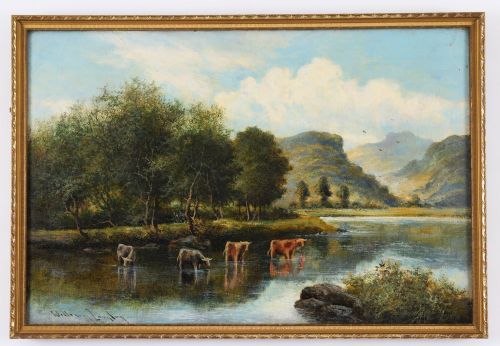
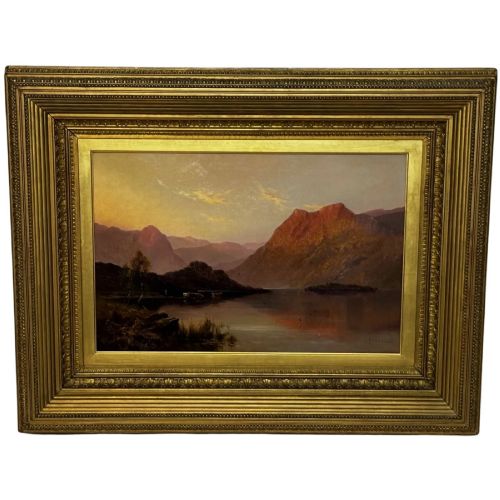
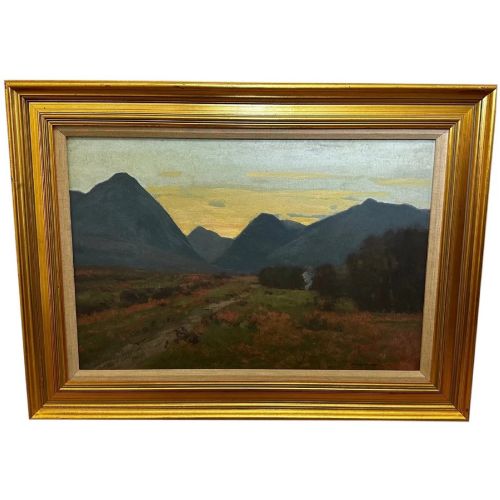
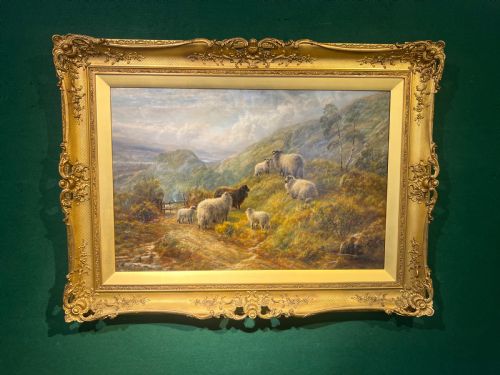
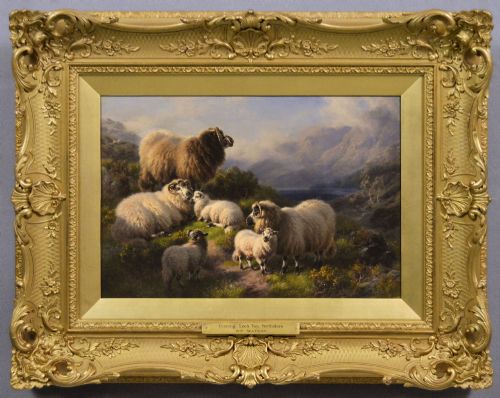
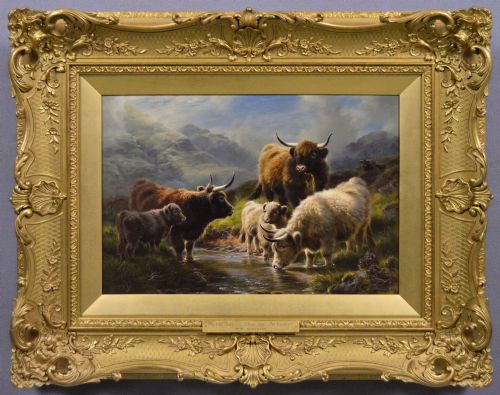
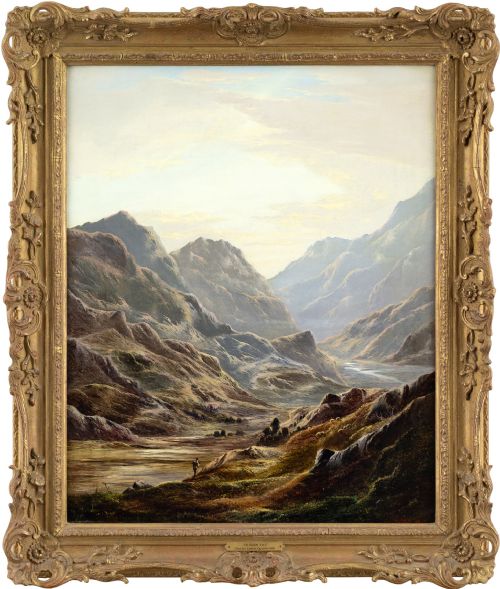
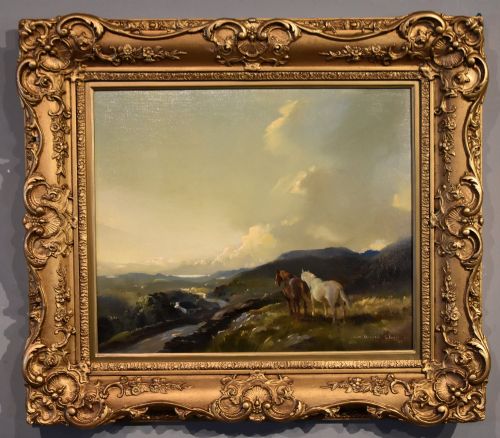
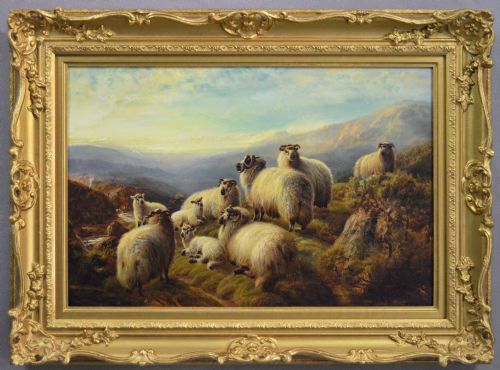
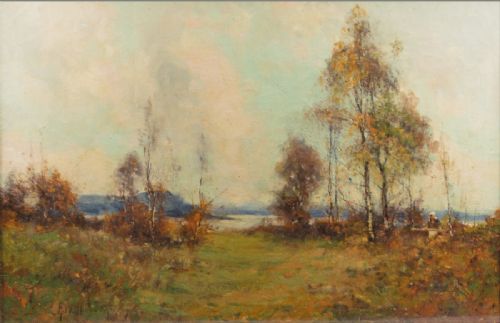
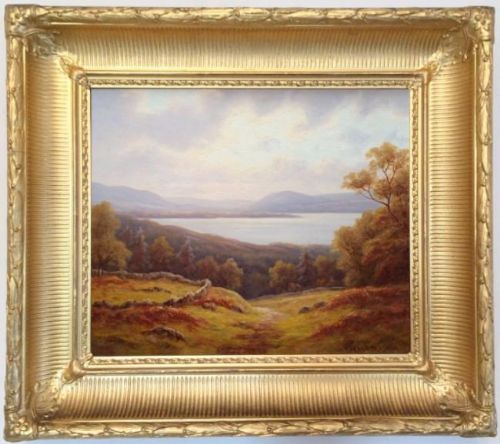
Traditional highland oil artwork comprises framed landscapes and pastoral scenes produced during the nineteenth and early twentieth centuries. These paintings depict mountainous terrain, misty lochs, and native livestock such as Highland cattle and sheep. Buyers seek these canvases for their atmospheric portrayal of rural Scottish scenery and historical domestic interiors.
The pieces on this page lean heavily towards Victorian and early twentieth-century creations, spanning styles from Scottish Impressionism to British Realism. Works range from intimate panel paintings of rustic bothies to large canvases featuring majestic peaks like Ben Lawers and Sgurr nan Gillean. Subjects frequently include drovers, sheep resting by loch shores, and highland lassies collecting water.
How They Were Made
Artists painted primarily with oil paint on prepared canvas or wood panels, utilising gesso grounds to seal the support before applying pigment. These materials allowed painters to build rich textures for heather, wool, and craggy rock formations. Frames were typically constructed from wood and finished with intricate gesso and giltwood mouldings.
Techniques combined fine brushwork for distant atmospheric skies with heavier impasto for foreground cattle and foliage. The interaction of light on water and mist was achieved through careful glazing and layering of oil colours.
Several highland cattle appear thoroughly unimpressed by the Scottish weather.
What Varies in Quality
Quality rests upon the artist's ability to render light, atmosphere, and animal anatomy with conviction. Stronger compositions balance the vast expanse of highland terrain with detailed focal points such as figures or livestock. Handling of the oil medium ranges from flat, formulaic application to expressive brushwork that captures the damp chill of a mountain glen.
The preservation of the original canvas and frame significantly influences the integrity of the piece. Surviving examples retain their original giltwood framing and untouched oil surfaces without heavy overpainting.
William Beattie-Brown RSA·Tom Campbell·Alfred Fontville de Breanski Jr·George Houston RSA RSW·Robert Watson·William Watson Jnr·Charles Leslie·Vernon DeBeauvoir Ward·Alexander Wellwood Rattray·Everett Watson Mellor·Archibald Kay RSA·Henry Robinson Hall·William Henry Mander·Henry Hillier Parker·William Grant Murray·James Bell Anderson·Sidney Yates Johnson·John Charles Tunnard·Charles Jones·Nasmyth·George Melvin Rennie·George Turner·John W Morris·Alfred de Breanski Snr·Gustave De Brianski
The Traditional Highland Oil Artwork Glossary
- Oil on Canvas
- Pigment suspended in a drying oil, applied to a stretched woven fabric support. This combination provides a flexible and durable surface favored by nineteenth-century landscape painters.
- Giltwood
- Wood carved and coated with gold leaf or a gold-colored metallic finish. It forms the decorative ornamental frames common in Victorian fine art.
- Gesso
- A paint mixture consisting of a neutral binder mixed with chalk, gypsum, or pigment. It served as a smooth preparation layer on wood panels and canvas frames.
- Impasto
- Paint applied thickly to a canvas, standing out from the surface so that the brush or palette-knife marks are visible. This technique adds tactile depth to highlights on water and animal coats.
- Wood Panel
- A rigid flat wooden support used instead of canvas for painting. Panels offer a stable surface for smaller, highly detailed landscape works.
Traditional Highland Oil Artwork: Frequently Asked Questions
What subjects appear in traditional highland oil artwork?
These paintings typically feature mountainous Scottish landscapes, misty lochs, and rural glens. Common additions include Highland cattle, sheep flocks, and figures in traditional settings.
Scenes range from tranquil sunset vistas over water to winter landscapes blanketed in snow.
How do I date a traditional highland oil artwork?
Dating relies on stylistic clues, artist signatures, and framing materials. Victorian and early twentieth-century works often feature canvas stamps or inscriptions on the reverse.
Examining the stretcher frames and the style of the giltwood moulding provides additional chronological context.
Where were these landscape paintings displayed originally?
Such artworks hung principally in nineteenth-century drawing rooms and country houses. They served to bring romanticized views of the Scottish wilderness into domestic urban interiors.
Owners appreciated them for celebrating domestic heritage and natural scenery.
How should I care for an oil painting on canvas?
Keep canvases away from direct sunlight and fluctuating humidity to prevent cracking in the paint layer. Dust the surface gently with a soft, dry brush without applying pressure.
Avoid using liquid cleaners on both the canvas and the giltwood frame.