
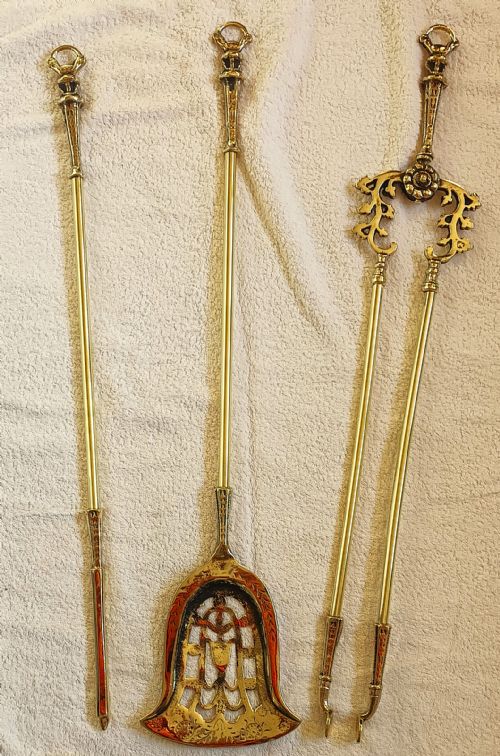
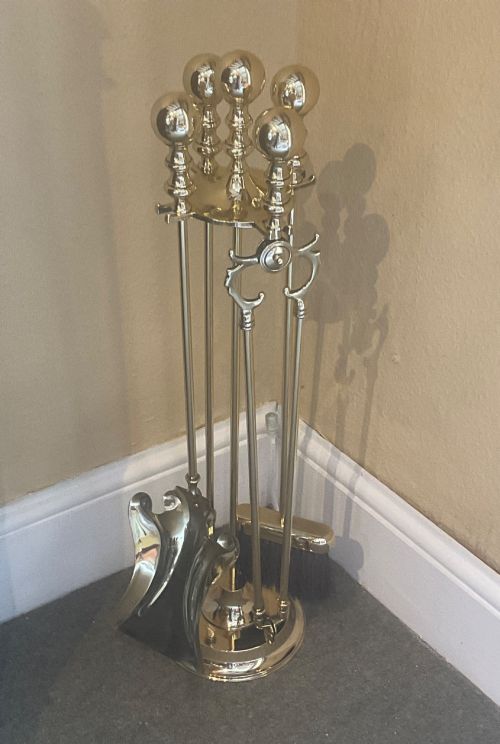
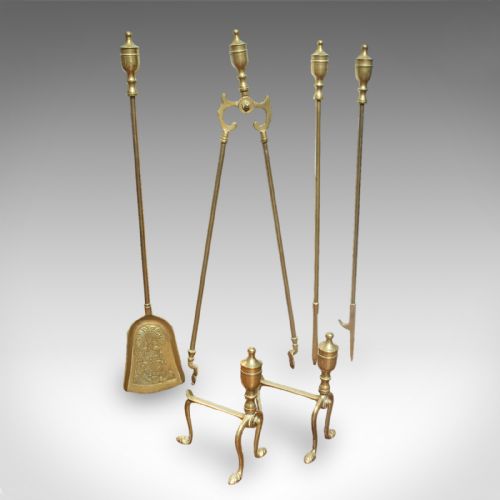


Traditional Hearth Tool Set
A traditional hearth tool set gathers the shovel, poker and tongs required to manage an open fire with practical grace.
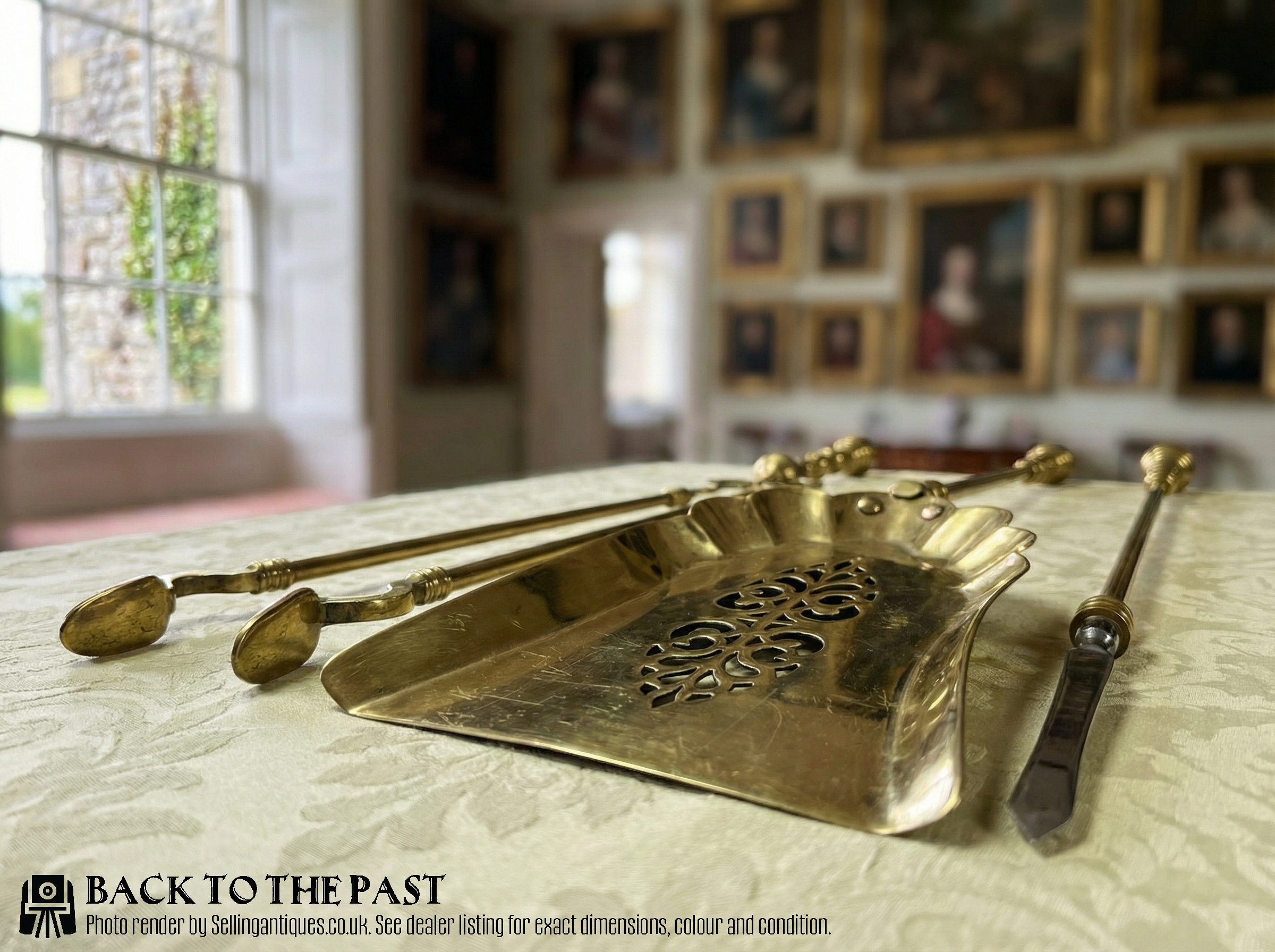
Traditional Hearth Tool Set
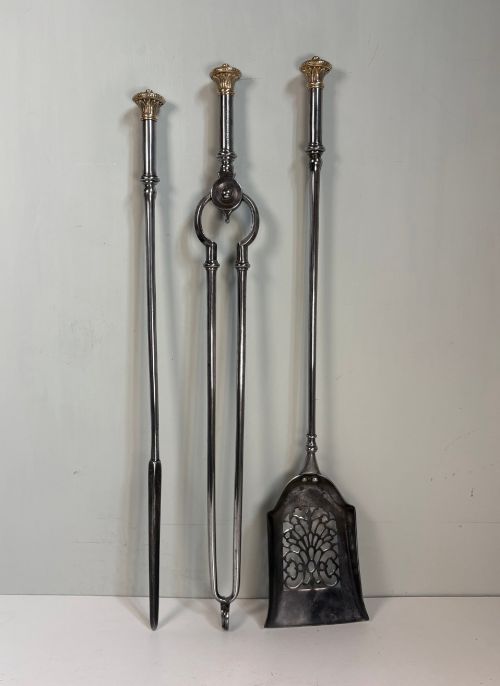
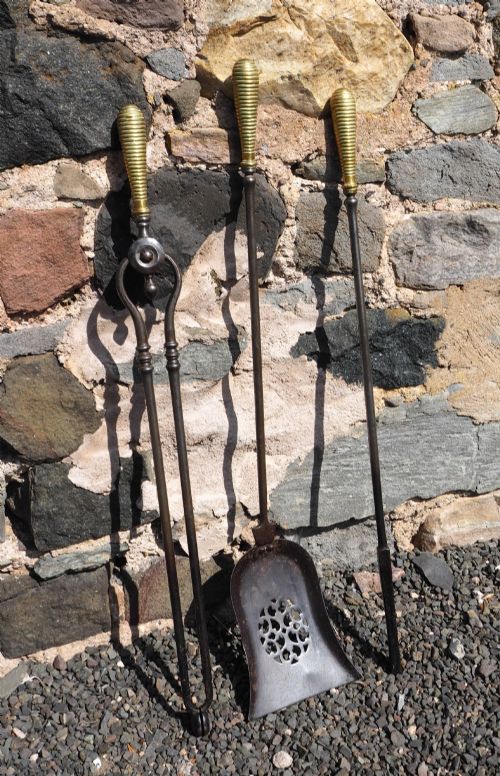
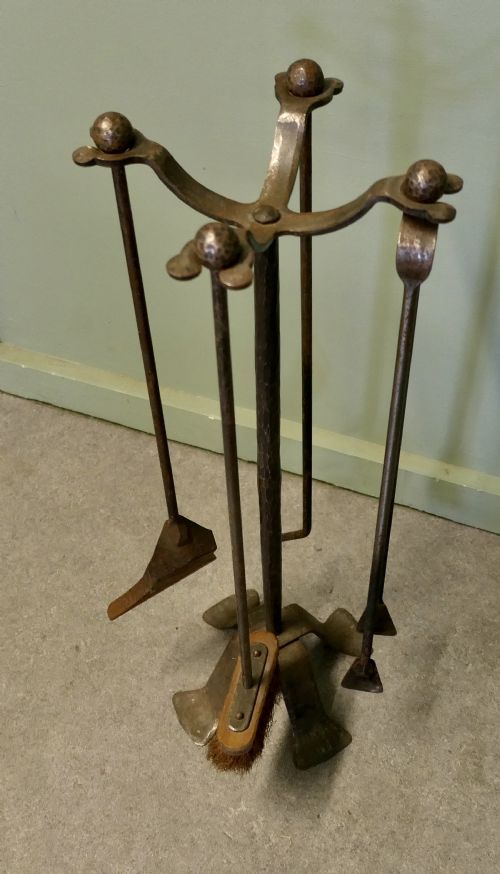
A traditional hearth tool set comprises the fundamental implements required to tend an open fire, usually grouping a shovel, poker and tongs together on a stand or with fire dogs. When searching for a traditional hearth tool set, buyers encounter collections spanning from the eighteenth century through to the Edwardian period, with Victorian examples appearing most frequently.
The materials reflect the practical demands of the hearth, combining durable iron and steel with polished brass for visual warmth. Pieces range from simple country house inglenook tools to decorative sets executed in the Gothic Revival, Rococo Revival and Arts and Crafts styles.
Materials and construction methods
Blacksmiths and metalworkers utilised wrought iron and cast iron for structural strength, forging tools to withstand intense heat and heavy daily use. Steel provided a resilient alternative, often polished to a bright finish that caught the flickering light of the fire.
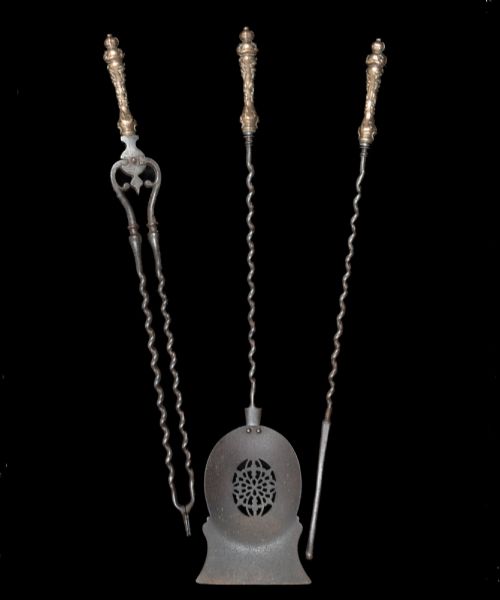
Brass was heavily favored for handles, shafts and companion stands, bringing a warm metallic lustre to the fireplace. Detail was often introduced through casting, hand-beating, or decorative elements such as rope twist handles.
Design influences recorded across the inventory include Gothic Revival, Rococo Revival, Arts and Crafts and French Country styles.
Distinctions in quality and execution
Quality in a traditional hearth tool set rests upon the weight of the metal and the integrity of the joins between handles and shafts. Heavier gauges of brass and iron indicate substantial construction intended for enduring service rather than mere display.
Refinement of detail distinguishes finer examples, visible in crisp casting, well-balanced proportions and decorative flourishes like rope twist handles or matched fire dogs. The harmony between the individual tools and their stand points to deliberate design by skilled makers.
The Traditional Hearth Tool Set Glossary
- Companion set
- A collection of fireplace tools arranged together on a dedicated stand or rack. These sets typically include a poker, shovel and tongs.
- Fire irons
- The individual metal implements used for tending a fire, historically comprising a shovel, poker and tongs. They are often displayed resting against fire dogs or within a fender.
- Fire dogs
- Andirons placed on the hearth to support logs, frequently found accompanying sets of brass or iron fire tools. They protect the hearth base and improve airflow beneath the wood.
- Rope twist
- A decorative spiral carving or moulding resembling twisted rope, commonly seen on brass handles. This technique adds texture and visual interest to otherwise plain metal shafts.
- Inglenook
- A large, recessed fireplace space designed to accommodate seating within the chimney corner. Tools designated for this setting tend to be of substantial size.
Traditional Hearth Tool Set: Frequently Asked Questions
What tools belong in a companion set?
A standard set comprises a shovel for clearing ash, a poker for adjusting logs, and tongs for moving burning fuel safely. Additional items like brushes or fire dogs occasionally join the group.
These pieces work in concert to maintain a clean and controlled fire, each designed to handle a specific aspect of hearth management.
How do I date a brass fire tool set?
Dating relies on stylistic clues such as the ornate curves of Rococo Revival pieces or the restrained lines of Georgian and Edwardian designs. Manufacturing marks, metal composition and handle construction methods also provide clues to the era of origin.
Victorian sets frequently combine heavy brass with steel shafts, whereas eighteenth-century examples lean towards simpler iron and steel forms.
Can antique fire tools be used daily?
Many surviving sets are robustly forged from iron, steel or heavy brass and remain fully capable of regular service. Solid construction allows them to handle active fires just as they did in past centuries.
Care should be taken with delicate decorative finishes on polished brass to preserve their appearance over time.
What is the difference between iron and brass tools?
Iron and steel tools offer greater structural rigidity and resistance to intense heat, making them ideal for heavy labour in the hearth. Brass components bring a bright, decorative element that softens the darker appearance of coal and wood fires.
Many period sets combine both metals, using iron or steel for the working ends and brass for the handles and stands.