

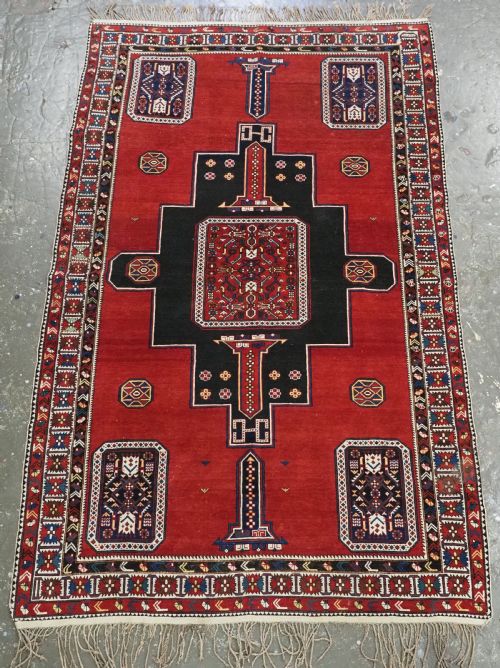
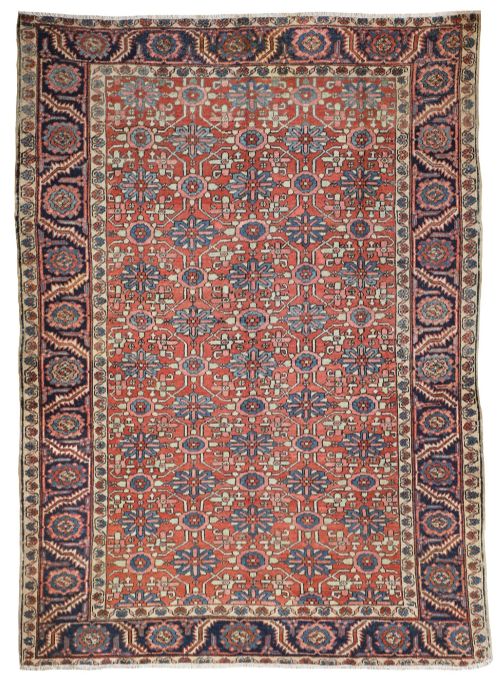
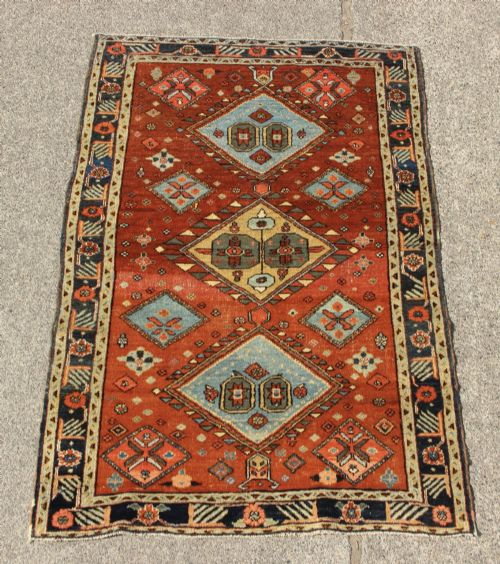
Traditional Handwoven Area Rug
These pieces are traditional handwoven area rug examples built to bring warmth, colour and regional craft directly into living spaces.
Traditional Handwoven Area Rug
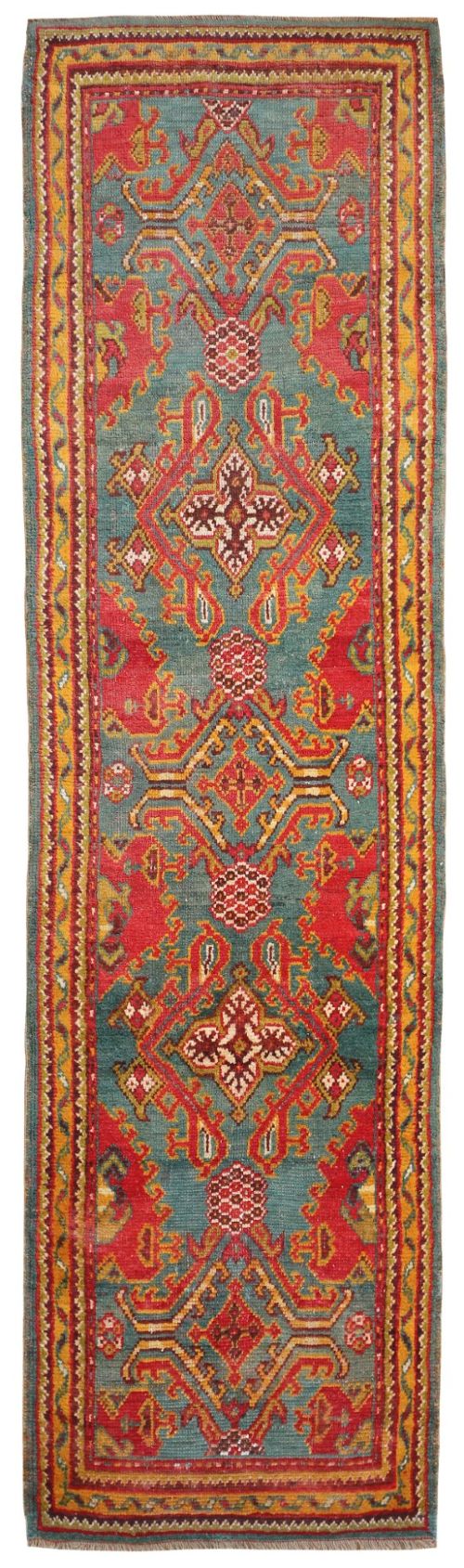
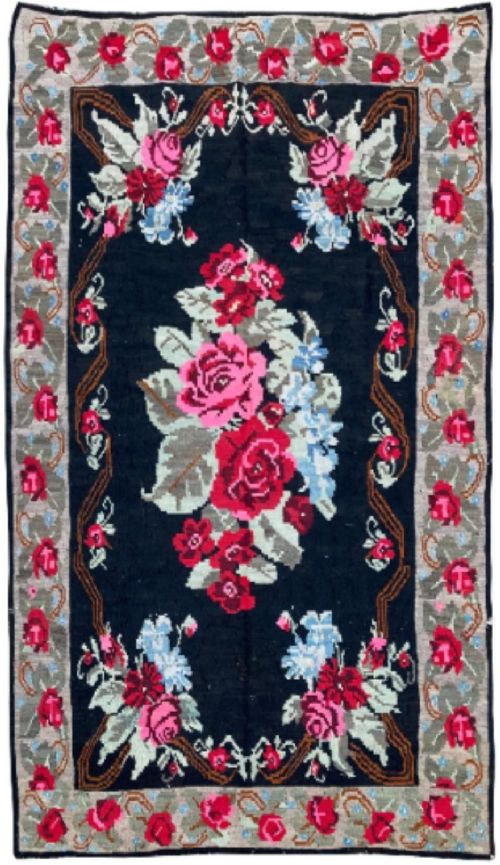
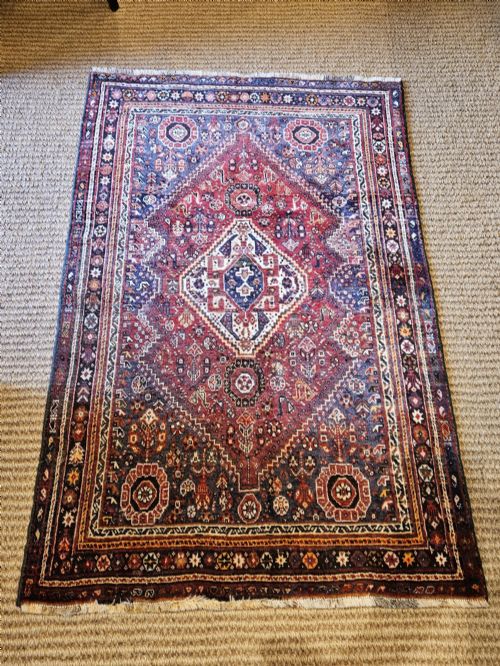
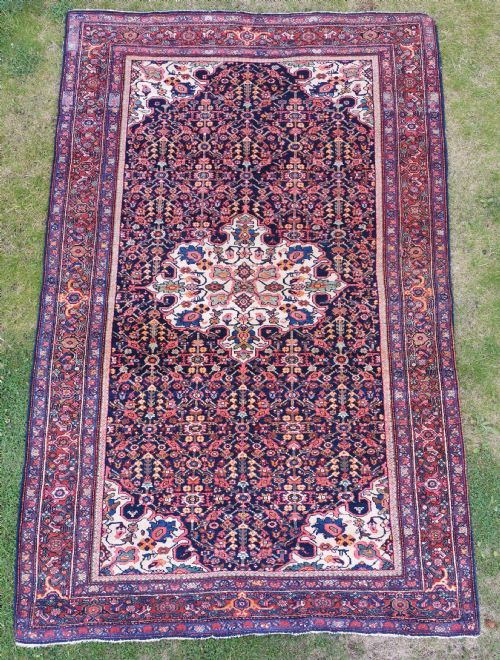
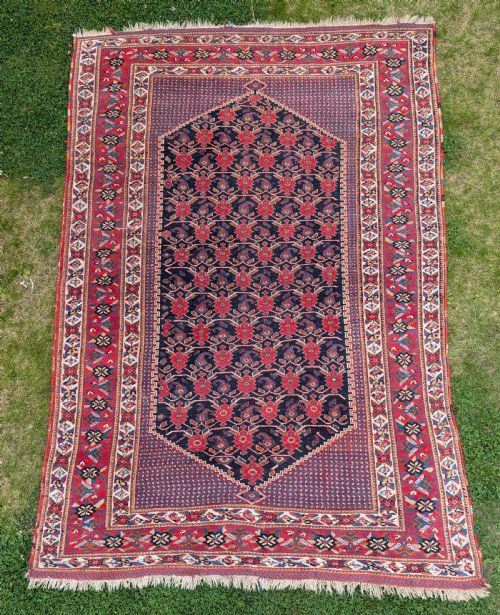
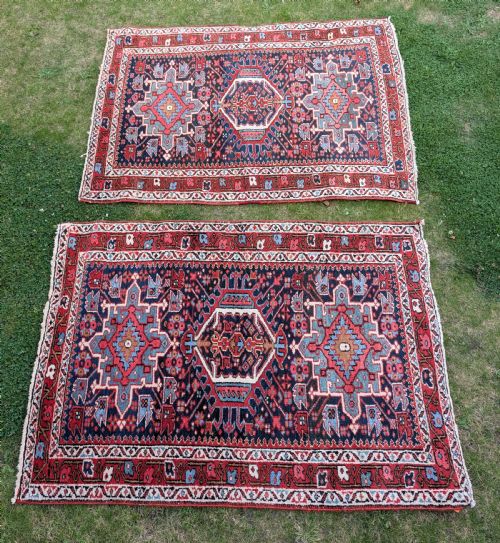
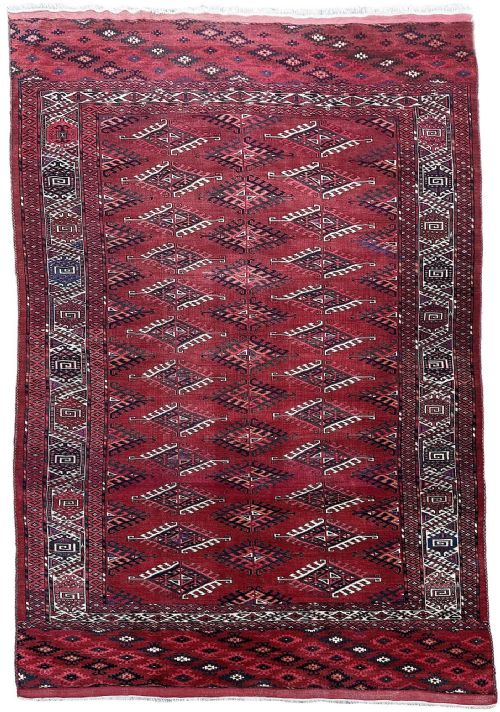
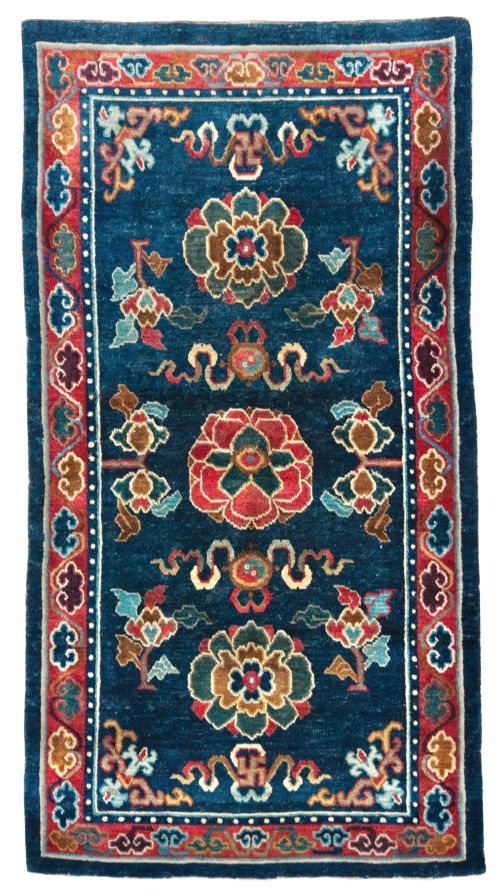
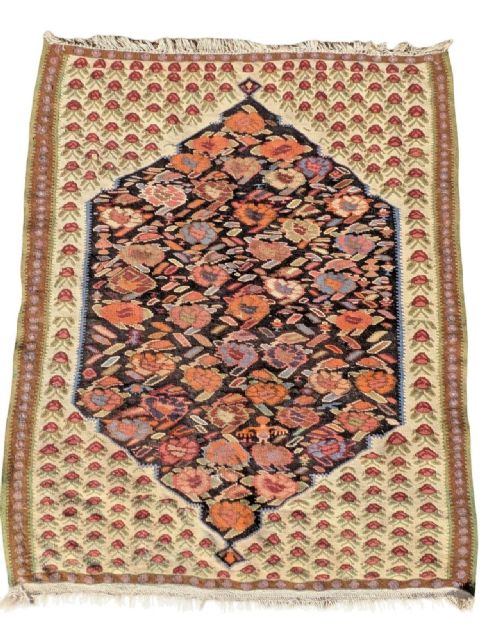
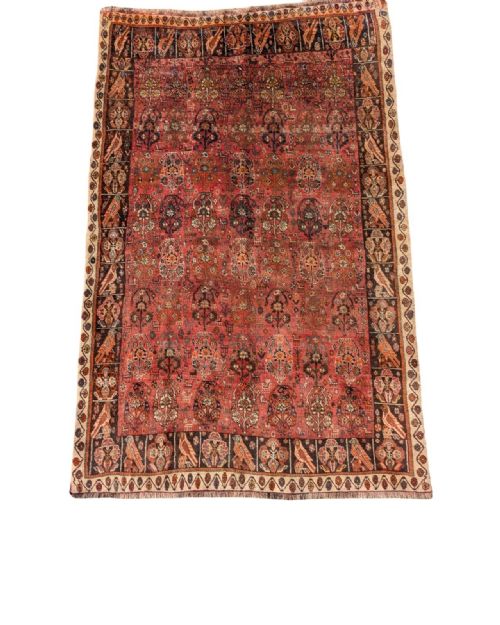
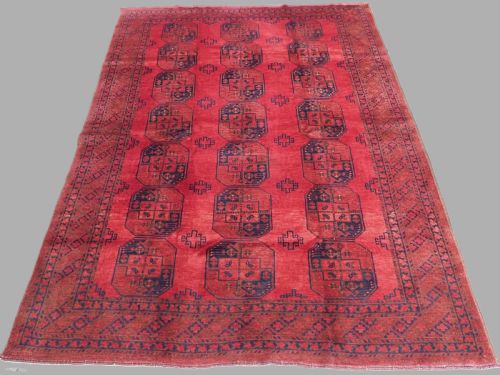
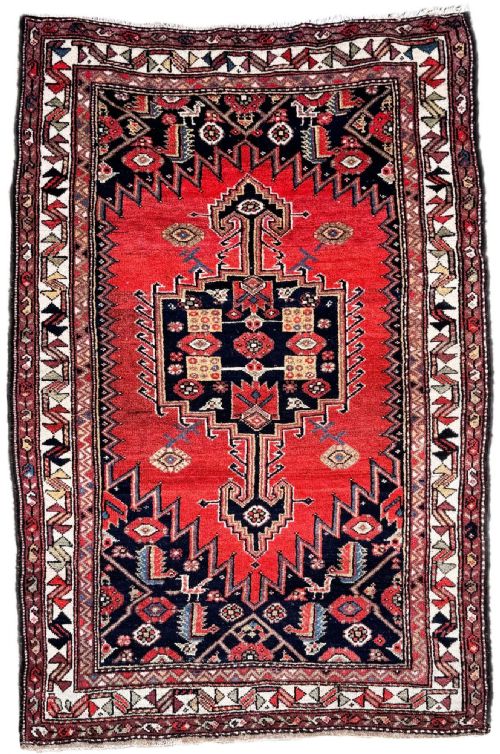
A traditional handwoven area rug encompasses tribal and village floor coverings originating from Persia, the Caucasus, Anatolia and Tibet, dating from the late nineteenth century through to the mid-twentieth century. Buyers encounter formats ranging from small prayer mats and runners to large carpets bearing distinctive regional geometries.
The inventory demonstrates deep roots in specific weaving traditions such as Heriz, Bidjar, Afshar and Karabagh. These pieces serve practical floor functions while displaying historical tribal iconography passed down through generations.
Materials and construction methods
Construction relies upon hand-spun wool and cotton foundations manipulated by traditional handweaving techniques. Artisans utilise natural dyes to achieve the varied colour palettes seen across the regional styles.
Weavers knot or flatweave the wool yarns onto cotton or wool warps and wefts, producing dense textile structures designed to withstand decades of use.
Nomadic weavers sometimes worked outdoors on horizontal ground looms, occasionally trapping accidental desert sand within the wool foundation.
Judging quality in these textiles
Quality rests upon the tightness of the weave, the handling of the wool and the clarity of the natural dyes. Denser knotting and resilient hand-spun wool denote higher competence in the workshop.
Design execution also dictates standard, with precise geometric or floral motifs and balanced borders setting superior examples apart from simpler village productions.
The Traditional Handwoven Area Rug Glossary
- Kilim
- A flatwoven carpet or rug produced without a pile, featuring sharp geometric patterns created by interlocking weft threads.
- Runner
- A long, narrow carpet format traditionally utilised in corridors, hallways or alongside staircases.
- Prayer rug
- A small textile featuring a niche or mihrab design at one end, traditionally used for individual daily prayer.
- Medallion
- A central ornamental motif positioned in the middle of the rug field, common in Persian and Caucasian weaving.
- warp
- The vertical foundation threads stretched lengthwise on the loom before weaving commences.
Traditional Handwoven Area Rug: Frequently Asked Questions
How do I clean an old wool rug?
Gentle surface brushing and professional specialist washing preserve the natural wool fibres and dyes.
Avoid harsh chemical treatments or soaking that can destabilise historical foundations.
Where were these carpets made?
Production centres span villages and tribal regions across Persia, the Caucasus, Anatolia, and Tibet.
Each area developed distinct palettes and geometric or floral motifs reflecting local heritage.
Can I place these rugs in hallways?
Longer formats and runner variants suit corridors and high-traffic domestic walkways.
Using a quality underlay prevents slipping and cushions the wool against hard flooring.
How do I identify different regional styles?
Study the specific medallion structures, border patterns, and primary colour combinations characteristic of each weaving group.
Heriz pieces often show bold geometric medallions, while Caucasian examples favour sharp rectilinear motifs.