







Traditional Handmade Rug
A traditional handmade rug brings genuine tribal character and enduring craftsmanship into a room through rich wool and distinctive regional patterns.
Traditional Handmade Rug
A traditional handmade rug encompasses tribal and village woven textiles originating from regions such as Persia, the Caucasus, Anatolia, and Turkmenistan. These pieces span from the mid nineteenth century to the early twentieth century, reflecting centuries of nomadic and village weaving traditions.
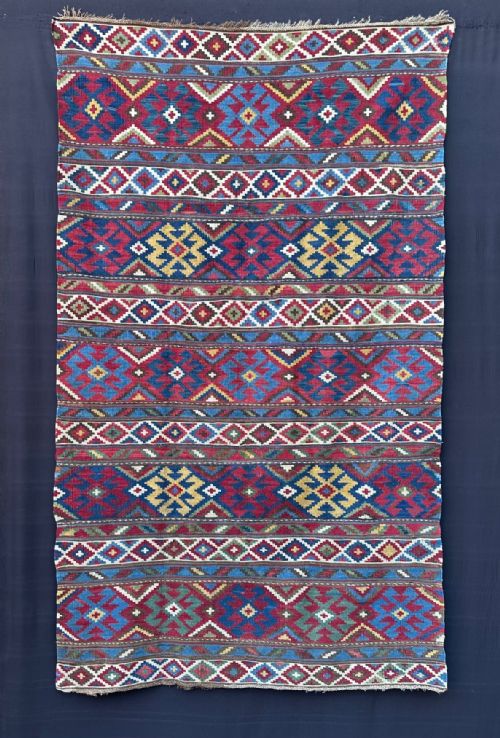
Buyers browsing this selection will encounter varied forms including area rugs, hearth sized pieces, village prayer rugs, and flatwoven kilims. Alongside floor coverings, the category includes related tribal weavings such as torbas, sofres, and decorative cushions.
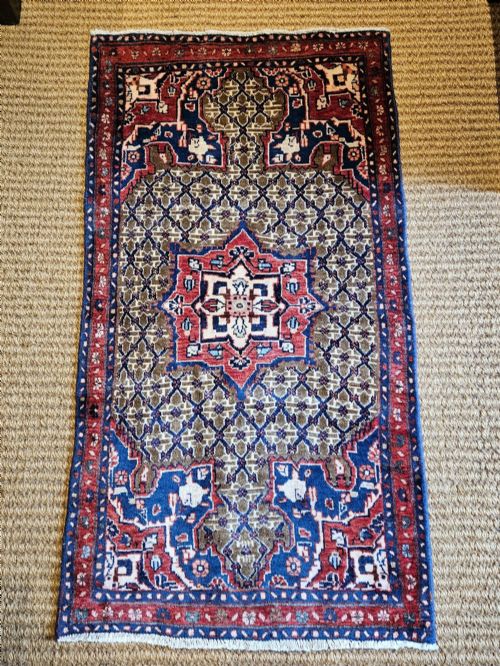
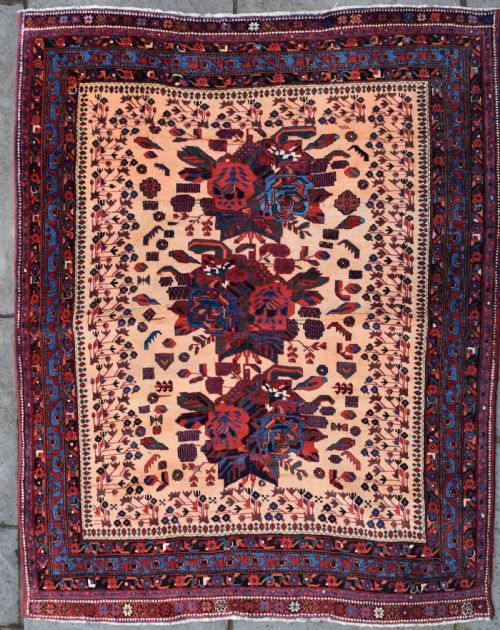
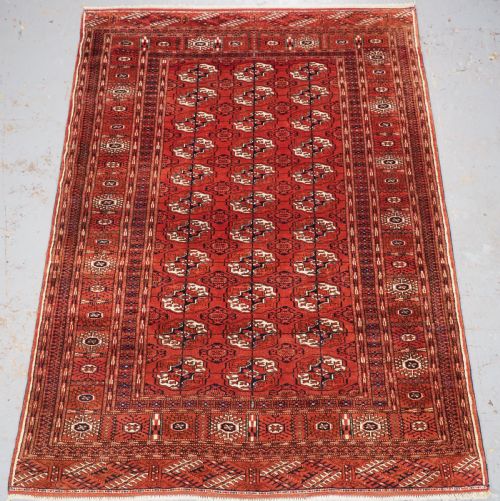
The aesthetic is defined by regional tribal designs, geometric motifs, medallions, and traditional village patterns. Each textile displays the distinct character of the specific tribe or province where it was knotted or flatwoven.
How they were made
These textiles are constructed primarily from wool pile on cotton or wool foundations, utilising hand-spun wool for durability and rich texture. Certain pieces, such as Uzbek yurt rugs, are assembled by weaving separate strips together.
Weavers employed traditional techniques specific to their regions, ranging from knotted pile carpets to flatwoven kilims and chain stitch embroidery. Natural dye traditions provide the varied colour palettes seen across the nineteenth and early twentieth century pieces.
Traditional Handmade Rug Retail Price Guide 2026
Typical asking prices for traditional handmade rug among the pieces listed under this phrase on Sellingantiques today, from the lower quarter to the upper quarter. They describe what is for sale here now, not the wider market.
Listings feature textiles spanning from the 1850s to the 1930s, utilising wool, hand-spun wool, and cotton materials.
What varies in quality
The standard of a traditional handmade rug depends heavily on the fineness of the weave, the integrity of the foundation, and the vibrancy of the wool. Superior examples retain crisp geometric or medallion detailing and balanced proportions.
Material quality also dictates value, with hand-spun wool and cotton elements showing superior depth and resilience. Pieces preserving strong structural integrity alongside well-defined tribal motifs represent the higher tier of these historic textiles.
The Traditional Handmade Rug Glossary
- Kilim
- A flatwoven textile produced without a pile, commonly utilised for rugs and decorative cushions across Anatolia, the Caucasus, and Persia.
- Gul
- A repeating octagonal or ovoid medallion motif frequently found in Turkmen tribal rugs and related nomadic weaving traditions.
- Sofre
- A specific type of tribal weaving traditionally used for spreading food or preparing dough, originating from Persian and Baluch communities.
- Ensi
- A specialised Turkmen rug featuring a cruciform design, traditionally hung as a tent door hanging.
Traditional Handmade Rug: Frequently Asked Questions
How do I identify a tribal rug?
Tribal rugs are typically identified by their geometric motifs, repeating guls, and asymmetrical designs that reflect the heritage of specific nomadic groups. They often feature hand-spun wool and distinctive regional colour palettes passed down through generations.
Examining the weave structure and fringe construction provides further clues to their nomadic or village origins in regions like Persia, the Caucasus, or Anatolia.
Where were these rugs made?
These textiles originate from traditional weaving centres across the Caucasus, Persia, Anatolia, and Central Asia. Specific regions include Shirvan, Khorassan, Kurdistan, and Turkmenistan.
Nomadic tribes and village communities in these areas produced utilitarian and decorative pieces tailored to their local cultural practices.
How should I care for an antique rug?
Antique rugs require gentle maintenance, primarily through regular light vacuuming without a rotating brush bar to protect the wool pile. Professional cleaning suited for antique textiles should be utilised when deep care is necessary.
Placing the textile out of direct sunlight helps preserve the natural dyes used in nineteenth and early twentieth century pieces.
What is the difference between a kilim and a pile rug?
A kilim is a flatwoven textile created by tightly interweaving warp and weft threads without forming a raised pile surface. This technique produces a lighter, reversible fabric commonly used for rugs and cushions.
In contrast, a pile rug involves knotting individual strands of wool or cotton onto a foundation, creating a thick, plush surface with a distinct nap.