






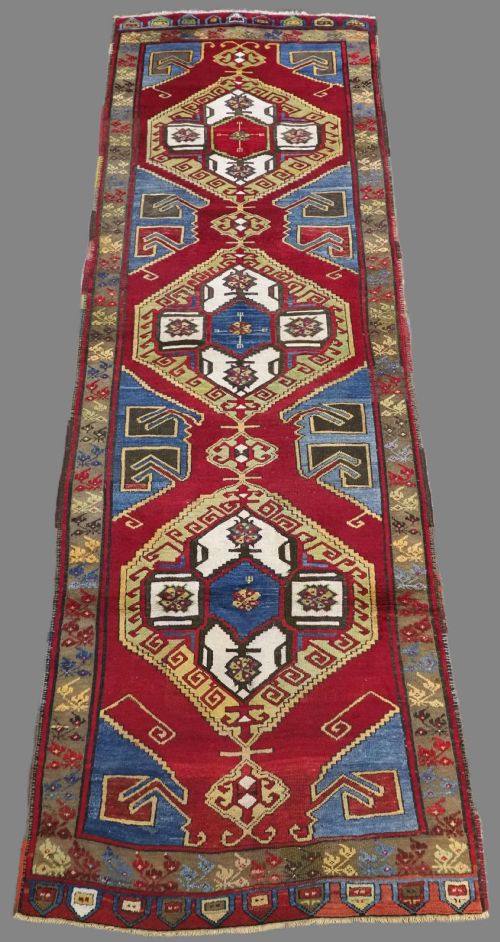

Traditional Hallway Rug
A traditional hallway rug brings warmth and character to long spaces, offering a durable and decorative foundation for high-traffic corridors.

Traditional Hallway Rug
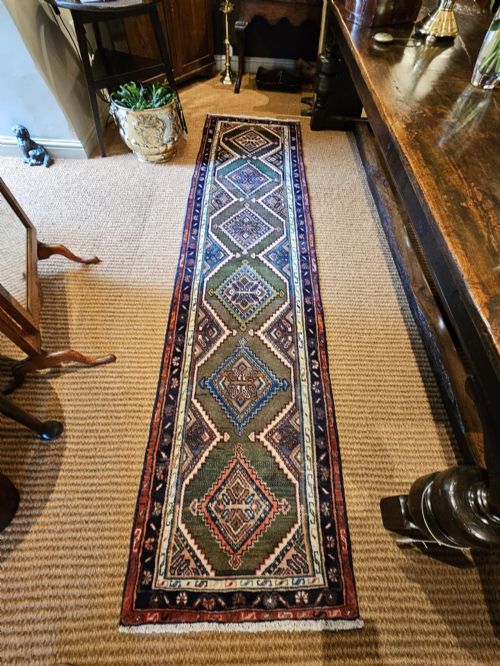
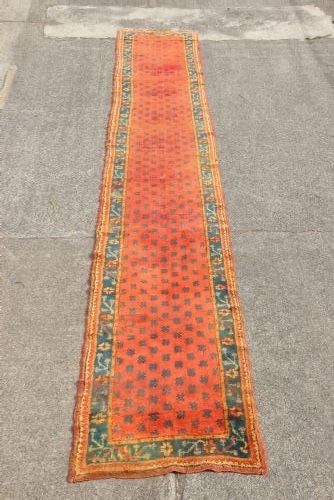
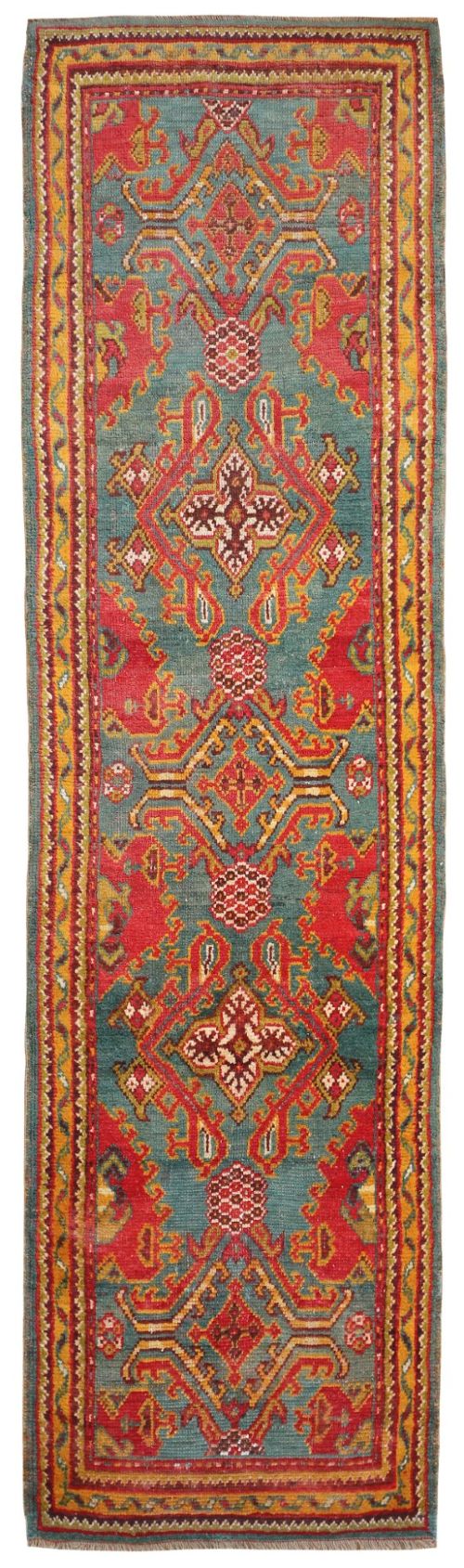
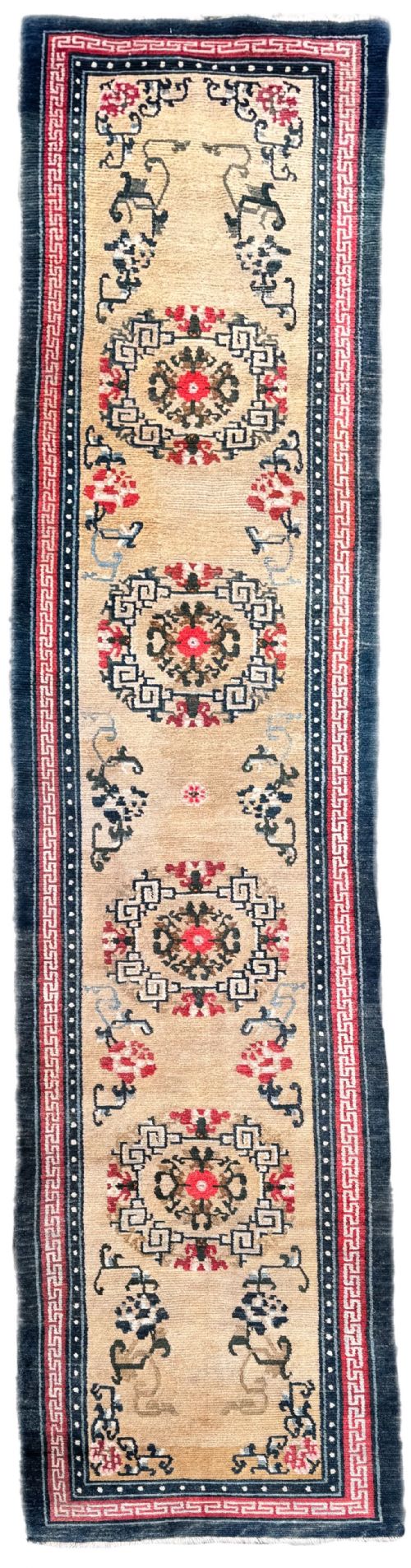
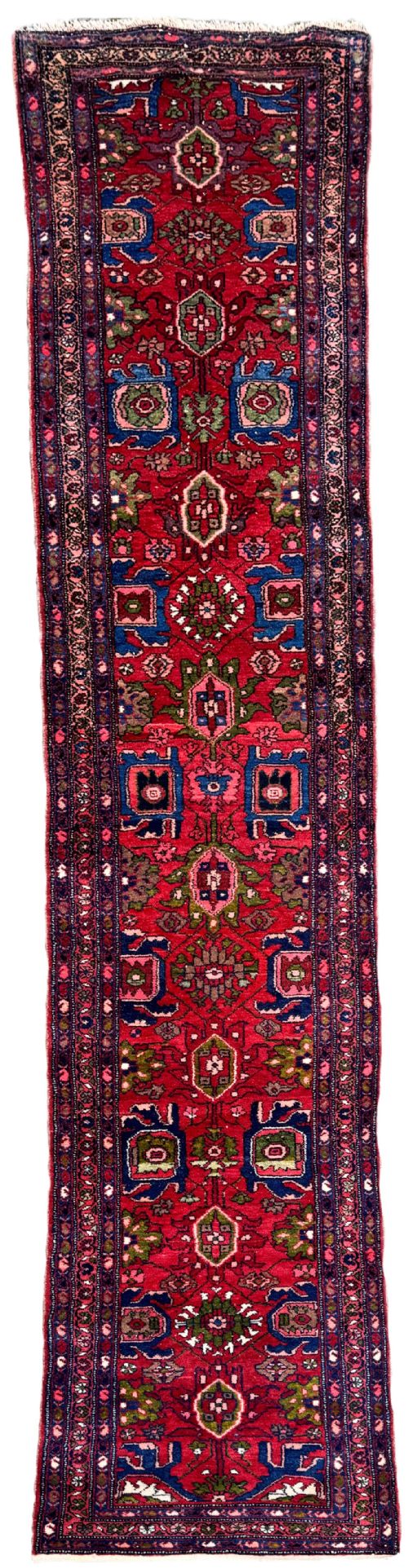
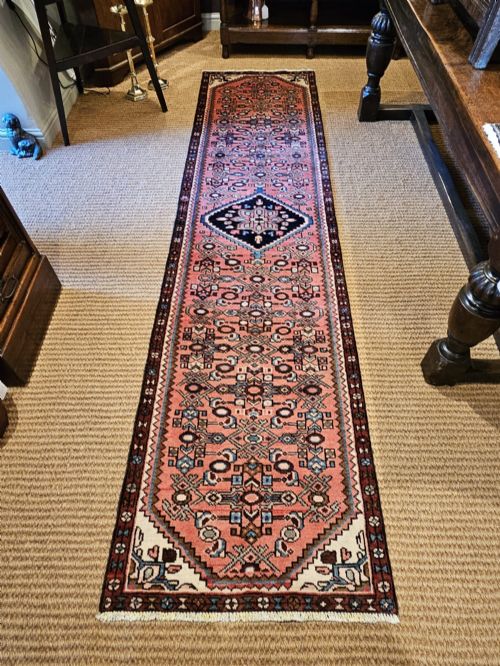
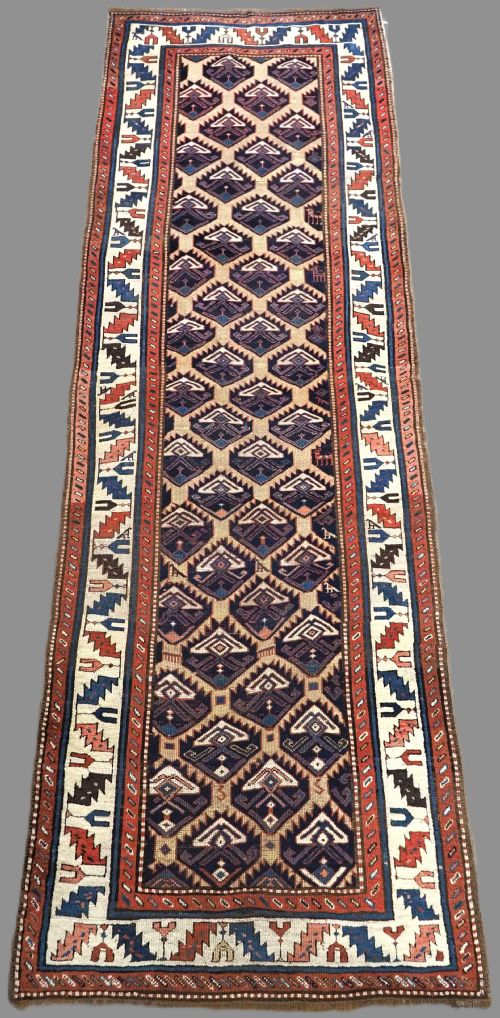
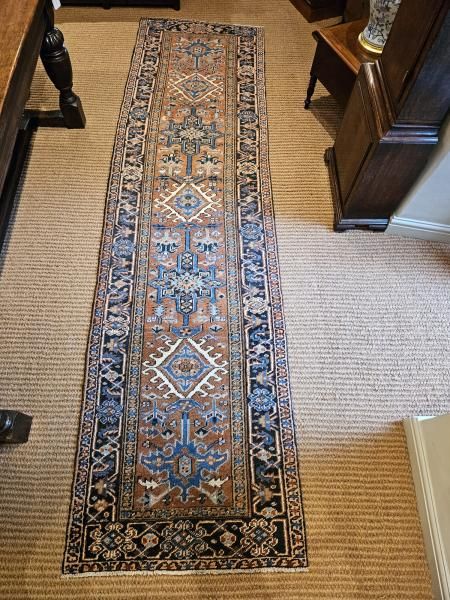
A traditional hallway rug typically presents as a long runner, designed specifically to fit narrow corridors, halls and landings. The selection spans the nineteenth century through to the mid-twentieth century, capturing varied regional weaving traditions.
Most pieces seen here originate from Persian, Caucasian, Turkish and Kurdish workshops or tribal regions. These examples include specific regional types such as Heriz, Ushak, Kurdish, Kazak and Hamadan runners, often characterised by geometric or floral motifs.
Buyers will encounter formats ranging from compact runners to exceptionally long carpets stretching over several metres. These textiles provide practical floor coverings tailored to the linear dimensions of older hallways.
Materials and construction methods
These floor coverings are constructed primarily using wool and cotton. Wool serves as the main pile material for its resilience under foot traffic, while cotton frequently provides the foundation warp and weft threads.
Pieces are handwoven, relying on traditional knotting or flatweaving techniques passed down through generations. Natural dye sources provide the distinct colour palettes seen across the nineteenth and early twentieth-century pieces.
Traditional Hallway Rug Retail Price Guide 2026
Typical asking prices for traditional hallway rug among the pieces listed under this phrase on Sellingantiques today, from the lower quarter to the upper quarter. They describe what is for sale here now, not the wider market.
Listings feature wool and cotton materials across periods spanning the nineteenth century through to the mid-twentieth century.
Distinctions in quality and execution
Knot density and structural tightness dictate the precision of the pattern and the longevity of the pile. Finer examples display crisper geometric or floral delineation due to more meticulous hand-knotting.
The integrity of the original wool, the survival of natural dyes and the preservation of original selvedges and ends distinguish superior specimens. Even wear across a long runner indicates balanced material strength throughout the piece.
The Traditional Hallway Rug Glossary
- Runner
- A long, narrow carpet format specifically proportioned for corridors, hallways and stairs. These pieces measure significantly longer than they are wide.
- Pile
- The vertical or upright surface of a rug formed by the cut ends of knotted yarn. This layer absorbs footfall and protects the structural foundation.
- Warp
- The stationary longitudinal threads stretched tightly on a loom before weaving begins. The pile knots are tied around these parallel foundation strands.
- Weft
- The horizontal threads passed alternately over and under the warp threads to bind the knots in place. This grid provides structural stability to the textile.
- Selvedge
- The finished side edges of a rug formed by wrapping lateral cords. This reinforcement prevents the exterior warp threads from fraying.
- Medallion
- A central ornamental motif positioned in the middle field of a rug. Regional weavers often constructed entire geometric compositions around this focal point.
Traditional Hallway Rug: Frequently Asked Questions
How do I measure for a hallway runner?
Measure the clear floor space of your corridor, leaving an equal margin of exposed flooring around the perimeter. Account for door clearance so that interior doors swing freely over the pile height.
Take length measurements in sections if your hallway has turns, though traditional hallway rug pieces are typically straight linear formats. Ensure you avoid blocking heating vents or baseboard fixtures.
Are these rugs suitable for heavy traffic?
Wool pile construction provides natural resilience and elasticity, making these textiles well-suited for busy corridors and entranceways. The dense fibre structure resists crushing and helps hide everyday dust.
Using an appropriate underlay beneath a traditional hallway rug prevents slipping and reduces friction between the backing and the floorboards. This extra layer extends the working life of the textile under constant footfall.
How do I identify a tribal runner?
Tribal runners typically display bold geometric patterns, stylised animal or plant motifs, and spontaneous design variations rather than rigid symmetry. Weavers in nomadic or village communities worked from memory rather than precise cartoon drawings.
Colour palettes in these pieces often incorporate saturated tones derived from traditional dye plants. The resulting aesthetic reflects the specific regional heritage of groups such as the Kurdish, Kazak or Afshar makers.