

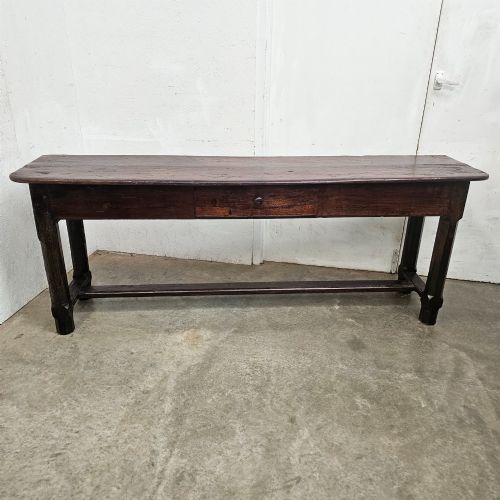
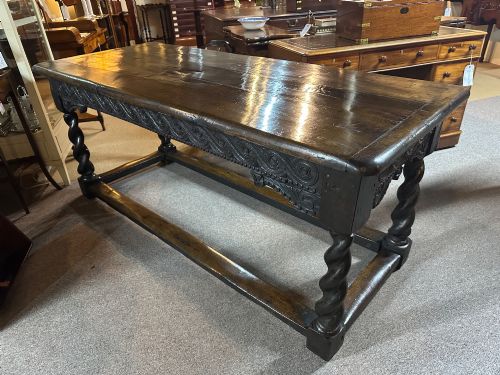
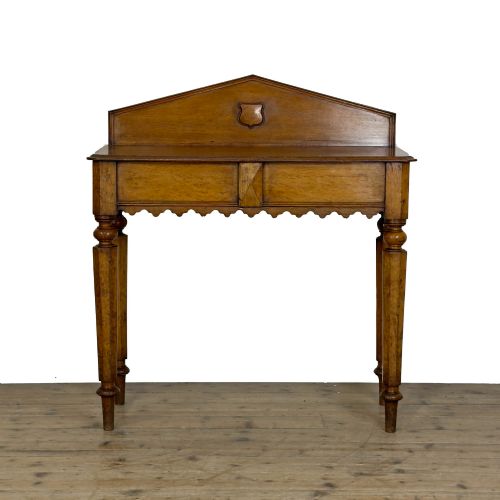
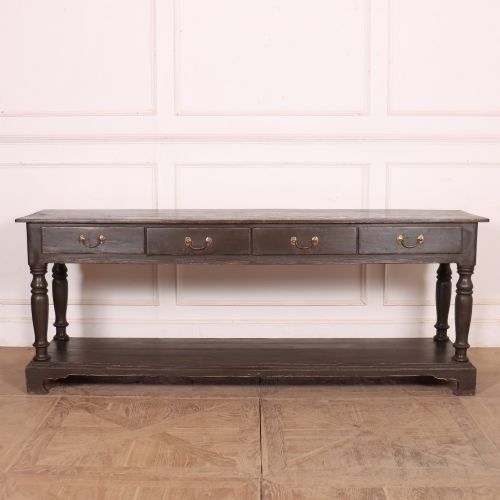
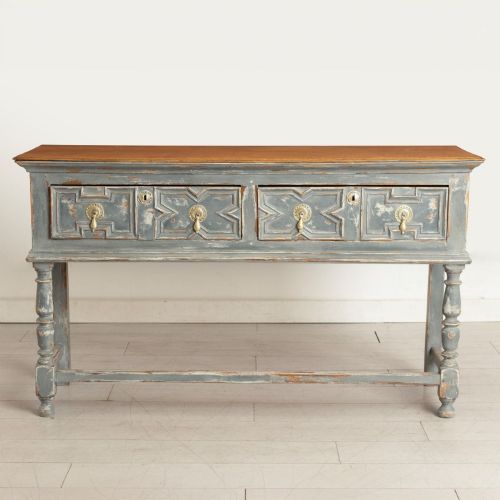
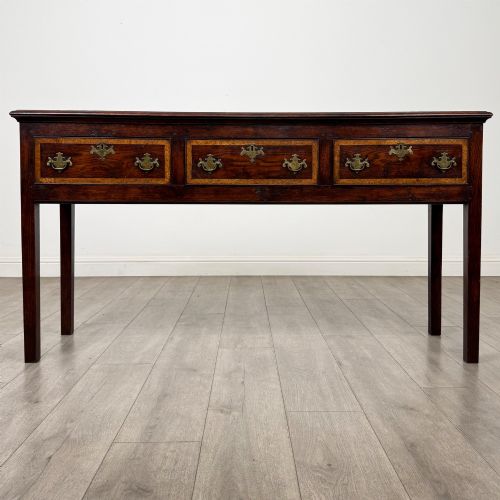
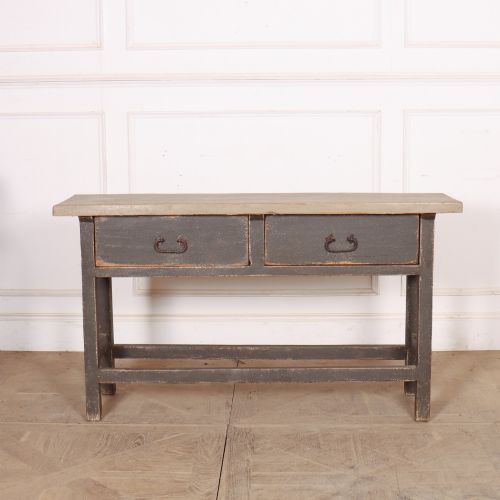
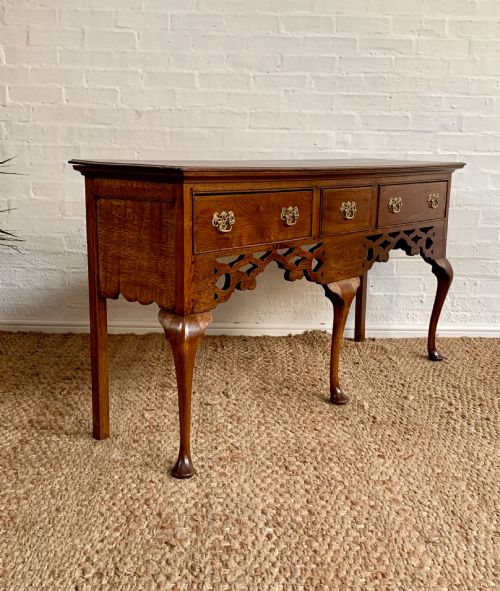
Traditional Hallway Console Table
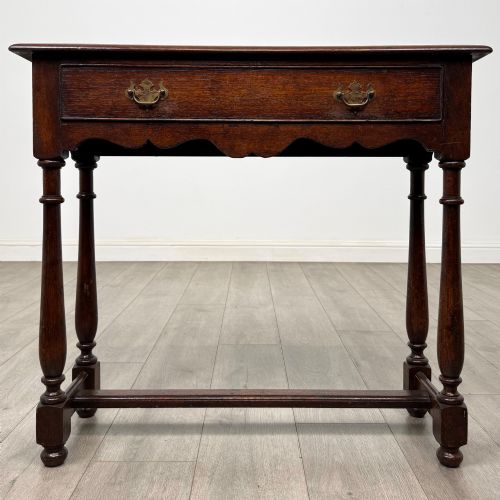
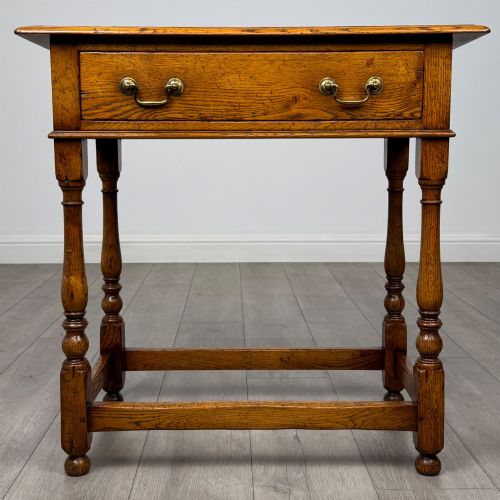
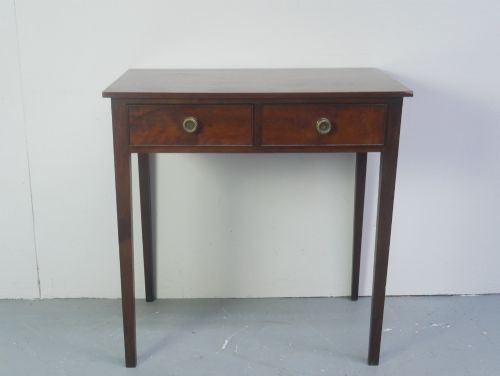
A traditional hallway console table brings purposeful surface space and proportion to an entryway, spanning utilitarian country pine and formal mahogany designs.
Traditional Hallway Console Table
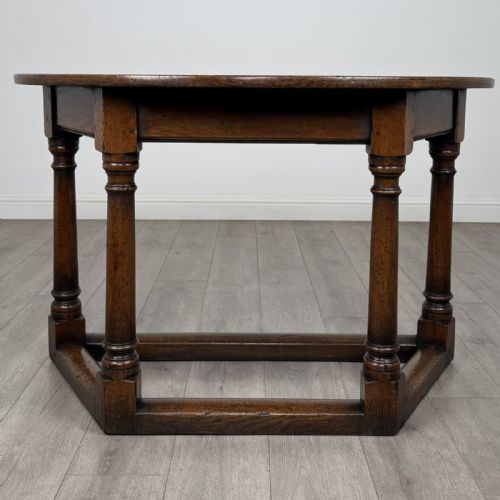
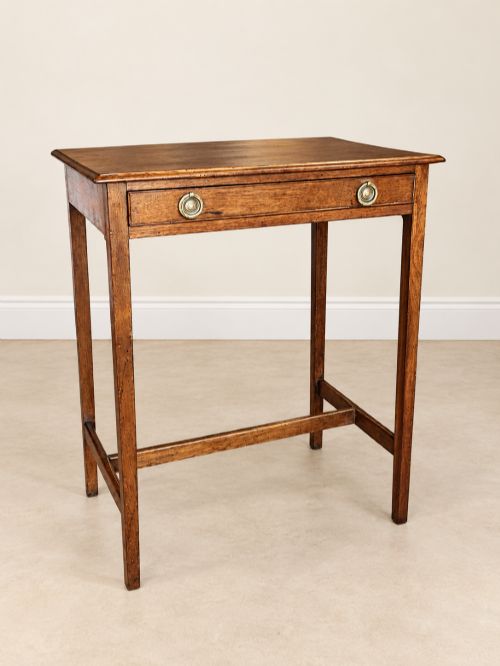
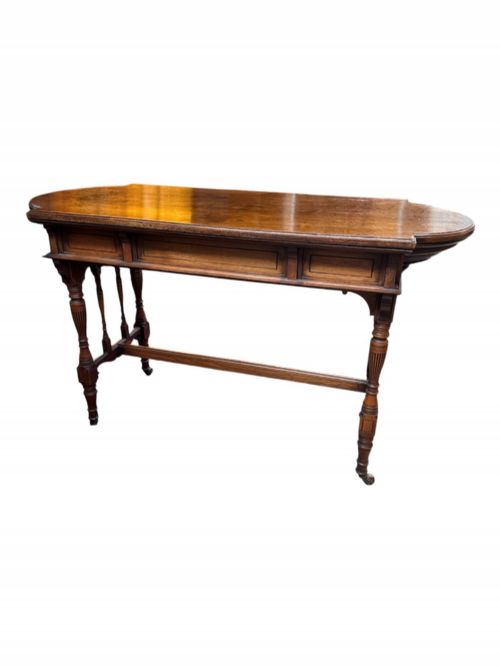
A traditional hallway console table appears across multiple periods including the 18th century, Victorian era, and Edwardian decades. These surfaces serve narrow spaces through forms such as side tables, dresser bases, lowboys, and altar tables.
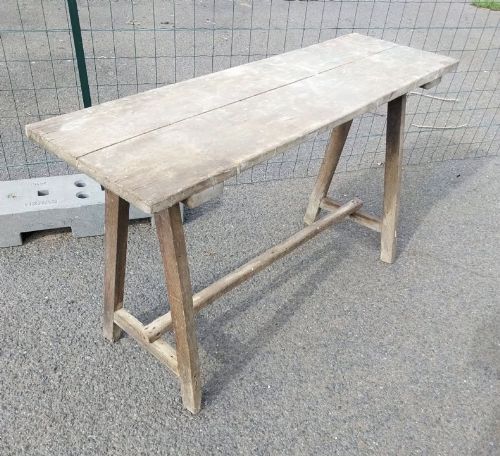
Makers adapted furniture types for specific entry functions, leading to variations like narrow side tables, pot board dresser bases, and marble-topped washstands. Examples range from English country oak to Chinese elm altar tables.
Buyers encounter everything from Georgian revival servers and walnut lowboys to painted country house servers and demi-lune console tables. Each shape fulfills the requirement for a shallow surface positioned against an entrance wall.
Materials and construction
Cabinetmakers utilised solid timbers including mahogany, oak, pine, elm, and cherrywood to construct these narrow tables. Secondary woods and painted finishes appear frequently on functional pieces designed for daily domestic use.
Joinery techniques span traditional pegged construction on early oak dresser bases to fine dovetailing on mahogany drawers. Applied brass hardware, marble tops, and inlaid details punctuate the finished woodwork across various periods.
Traditional Hallway Console Table Retail Price Guide 2026
Typical asking prices for traditional hallway console table among the pieces listed under this phrase on Sellingantiques today, from the lower quarter to the upper quarter. They describe what is for sale here now, not the wider market.
Some Edwardian halls still retain the exact stick stand designed so guests could deposit wet umbrellas right beside the console.
Assessing quality
Quality rests in the selection of timber, where tightly grained golden oak or figured mahogany distinguishes better examples from utilitarian painted pine. Proportion dictates visual balance, with narrow or demi-lune profiles demonstrating careful planning for restricted circulation spaces.
The integrity of original construction, from drawer linings to structural stretchers, separates superior workshop output from later adaptations. Surface patination achieved through centuries of handling adds depth that newer finishes cannot replicate.
The Traditional Hallway Console Table Glossary
- Console table
- A table designed to stand against a wall, frequently supported by brackets or legs at the front. These pieces provide narrow surface areas suitable for entrance halls and reception rooms.
- Dresser base
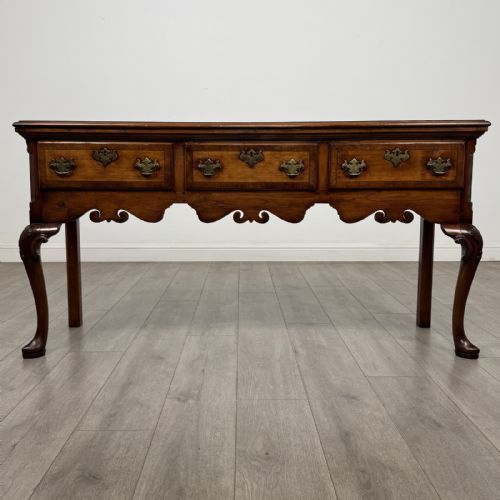
- The lower section of a traditional kitchen or dining dresser, utilised independently as a sideboard or serving table. They usually incorporate multiple drawers and a lower pot board shelf.
- Lowboy
- A small kneehole dressing table or side table dating from the 18th century onwards. They typically feature one or more tiers of drawers beneath a rectangular top.
- Demi-lune
- Having the shape of a half-moon or semicircle. Tables in this configuration fit flush against hallway walls while projecting minimally into the floor space.
Traditional Hallway Console Table: Frequently Asked Questions
What defines a traditional hallway console table?
These pieces comprise narrow tables designed specifically for placement against entry walls where floor space is limited. They encompass various historical forms including side tables, lowboys, and serving tables.
Materials range from domestic oak and mahogany to imported Chinese elm. Their primary function is providing surface area for lighting or decorative objects without obstructing passage.
How do I choose the correct depth?
Measure the clearance between your wall and any opposing doors or furniture before selecting a table. Demi-lune and narrow rectangular formats offer shallow profiles that accommodate restricted corridors.
Consider whether drawers or lower shelves will interfere with foot traffic or opening doors. Proportion remains key to maintaining a balanced entranceway.
Can I use a dresser base in a hall?
Dresser bases provide excellent surface area and storage drawers for larger entrance halls. Their substantial timber construction anchors the room visually.
Many historic examples feature lower pot boards or shelves suitable for baskets or boots. Ensure the overall length and depth match your specific hallway dimensions.
What is the difference between a side table and a console?
Side tables typically feature four freestanding legs and finished sides designed to be viewed from multiple angles. Console tables traditionally rely on wall support or specific bracket configurations.
In modern usage, these terms often overlap considerably. Both categories supply the essential narrow surface required in hallways.