


Traditional Hall Stand
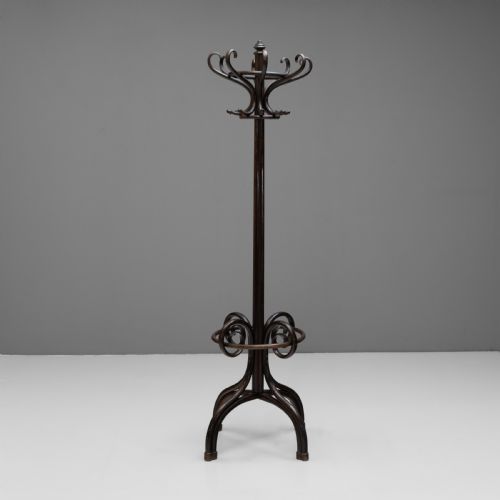
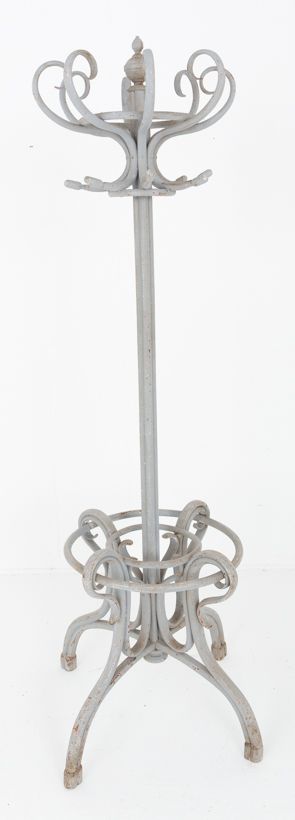
A traditional hall stand gathers coats, hats and wet umbrellas near the front door in solid oak, mahogany or bentwood.
Traditional Hall Stand
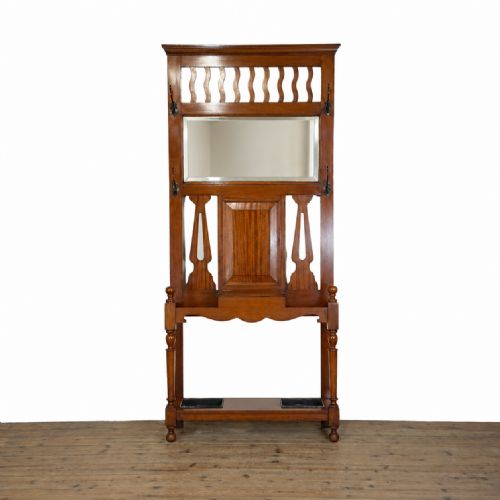
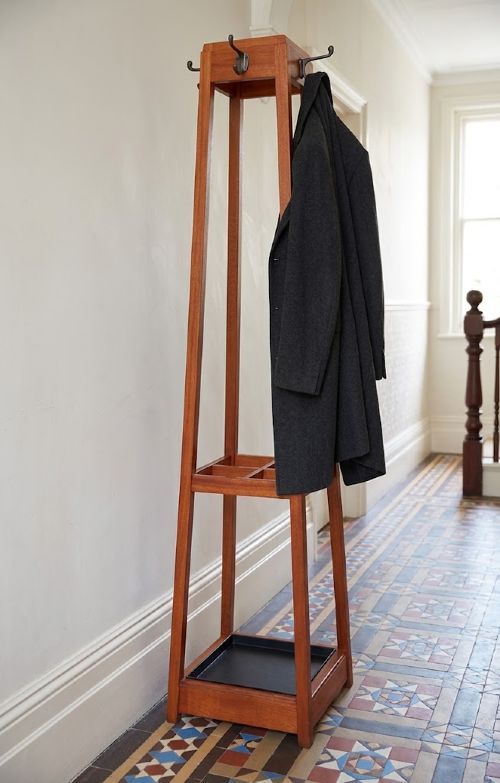
A traditional hall stand is a utilitarian piece designed to organise outerwear and walking gear at the entrance of a home. The pieces appearing under this heading encompass standalone coat racks, hat stands, umbrella holders and multi-functional hall seats.
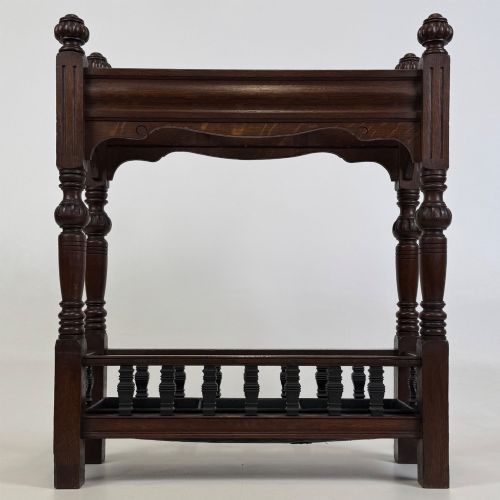
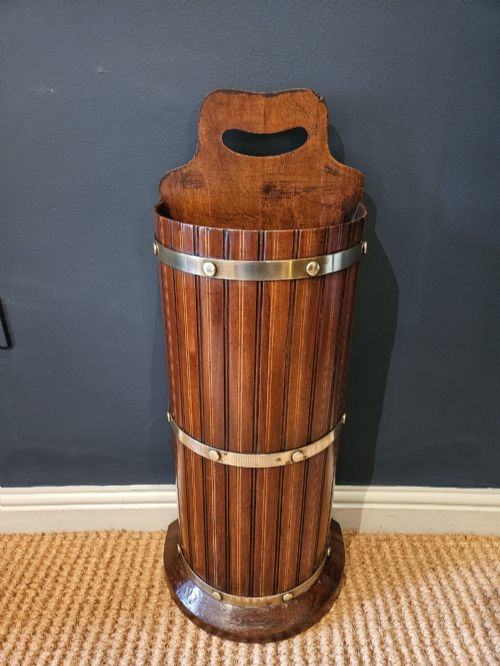
Examples span the Victorian, Edwardian and early twentieth century periods, executed in woods such as oak, mahogany, bentwood and beech. Many combine hooks for garments with compartments for sticks and metal drip trays for damp umbrellas.
The common form meets the practical demands of an entranceway while reflecting the dominant cabinet-making styles of its decade of manufacture. Buyers encounter designs ranging from carved oak frames to steam-bent beech frameworks.
Materials and construction
Makers utilised solid timbers like oak and mahogany for heavy structural frameworks, employing joinery techniques suited to load-bearing coat hooks and umbrella wells. Brass and cast iron appear frequently in hardware, hooks and integrated drip trays.
Bentwood examples rely on the steam-bending of beech, a technique that allows continuous curving frames for lightweight hat and coat stands. Glass, metal and iron also contribute functional elements to specific variants.
Traditional Hall Stand Retail Price Guide 2026
Typical asking prices for traditional hall stand among the pieces listed under this phrase on Sellingantiques today, from the lower quarter to the upper quarter. They describe what is for sale here now, not the wider market.
Materials recorded across the inventory include solid oak, mahogany, bentwood, beech, brass, iron and glass.
Distinctions in quality
Quality rests in the selection of timber, such as figured mahogany or golden oak, and the integrity of the structural joints. Pieces exhibiting hand-carved detailing or integrated metalwork demonstrate a higher standard of workshop execution.
The survival of original brass hooks, drip trays and bevelled glass components elevates a piece above standard utility items. Conversely, later replacements or heavy restoration alter the integrity of the surface and finish.
James McCabe·ELLIOTT
The Traditional Hall Stand Glossary
- Bentwood
- Wood shaped by exposure to steam, allowing makers to curve beech into smooth structural loops for coat stands.
- Drip tray
- A metal base insert placed beneath umbrella compartments to catch water from wet walking sticks.
- Marquetry
- Decorative veneer patterns inlaid into the wooden surface of cabinet furniture to create pictorial designs.
- Paterae
- Circular ornamental roundues carved or applied in relief to furniture friezes during the Georgian and Victorian eras.
Traditional Hall Stand: Frequently Asked Questions
What is a traditional hall stand?
A traditional hall stand is an entranceway furnishing built to hold coats, hats, walking canes and umbrellas.
These pieces combine storage hooks, umbrella wells and sometimes seating or mirrors into a single unit.
How were bentwood hat stands made?
Makers subjected lengths of beech timber to steam until pliable, bending them into curves before securing the joints.
This technique produced lightweight yet sturdy frames for hanging garments in narrow hallways.
Where should I place a hall stand?
Hall stands belong in an entrance hall or vestibule where household members and visitors discard outerwear.
Ensure adequate wall clearance for coat hooks and floor space for umbrella drip trays.
How do I identify an Edwardian hall stand?
Edwardian examples often feature lighter oak timbers, simpler geometric carvings and inlaid marquetry panels.
They reflect the domestic interior trends of the early twentieth century, contrasting with heavier Victorian designs.