

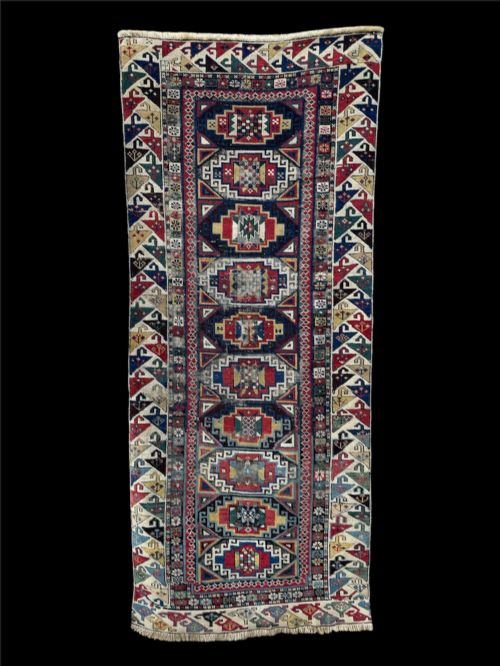


Traditional Hall Carpet
A traditional hall carpet provides a long, narrow path of warmth and pattern designed specifically for corridors and narrow spaces.
Traditional Hall Carpet
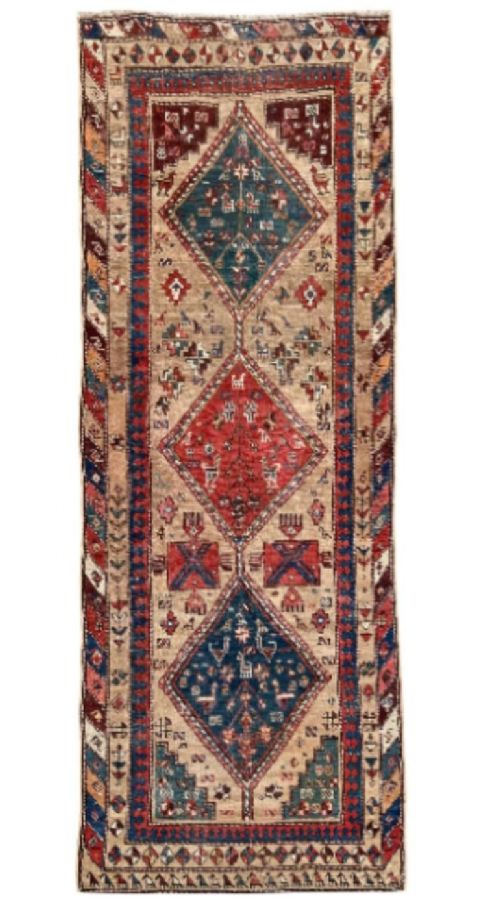
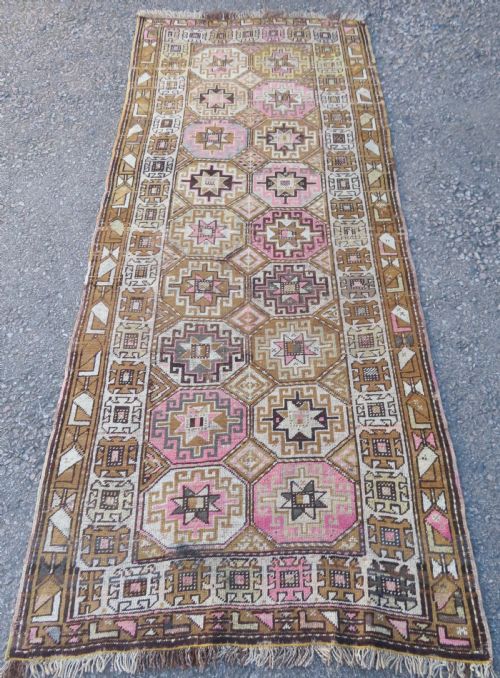
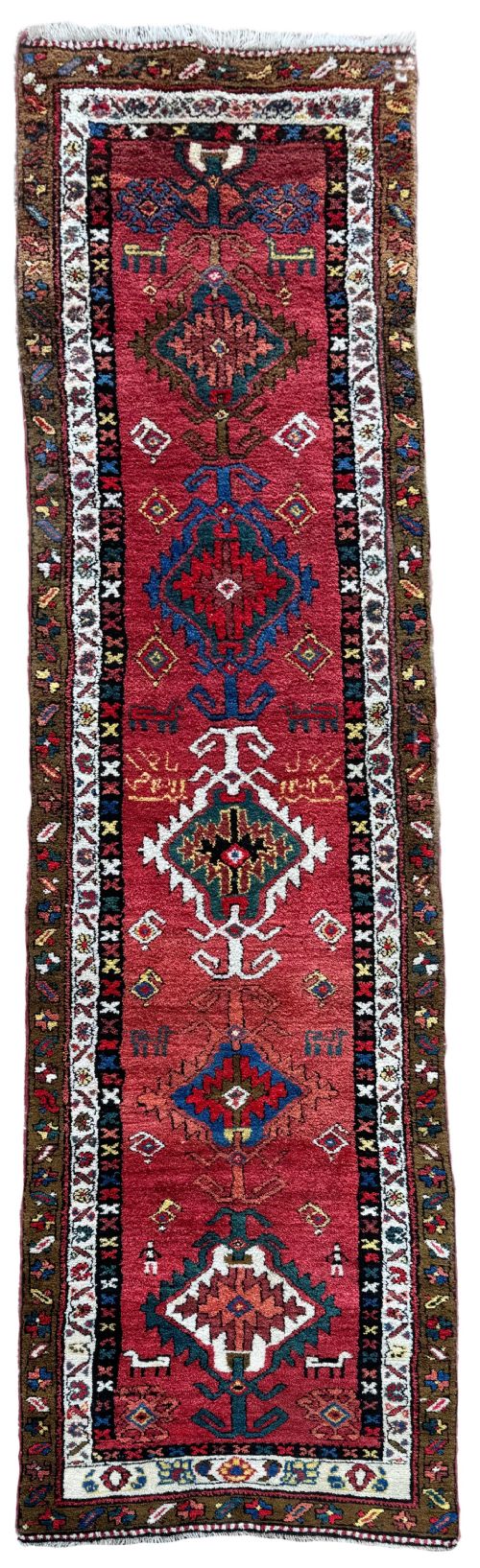
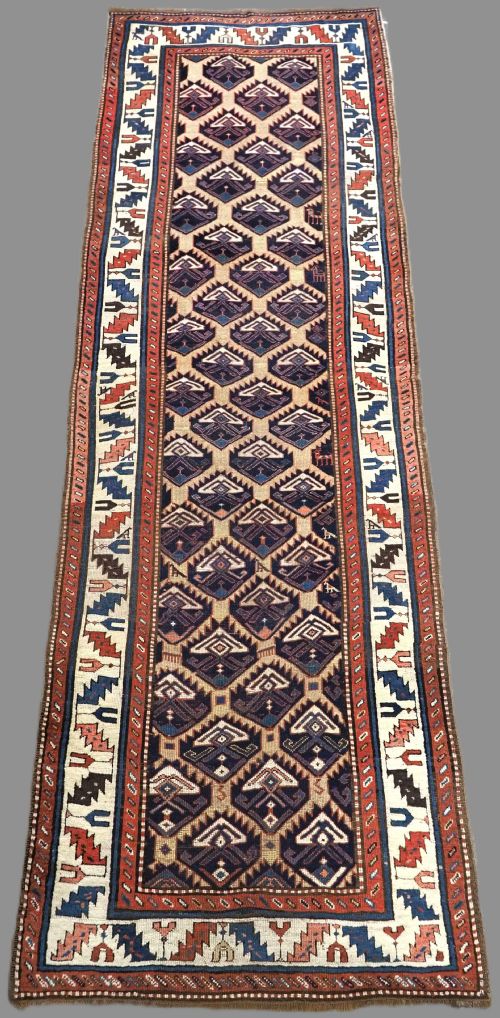
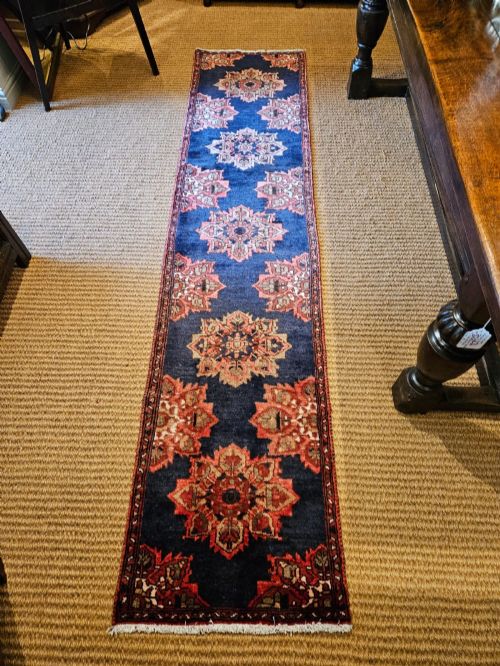
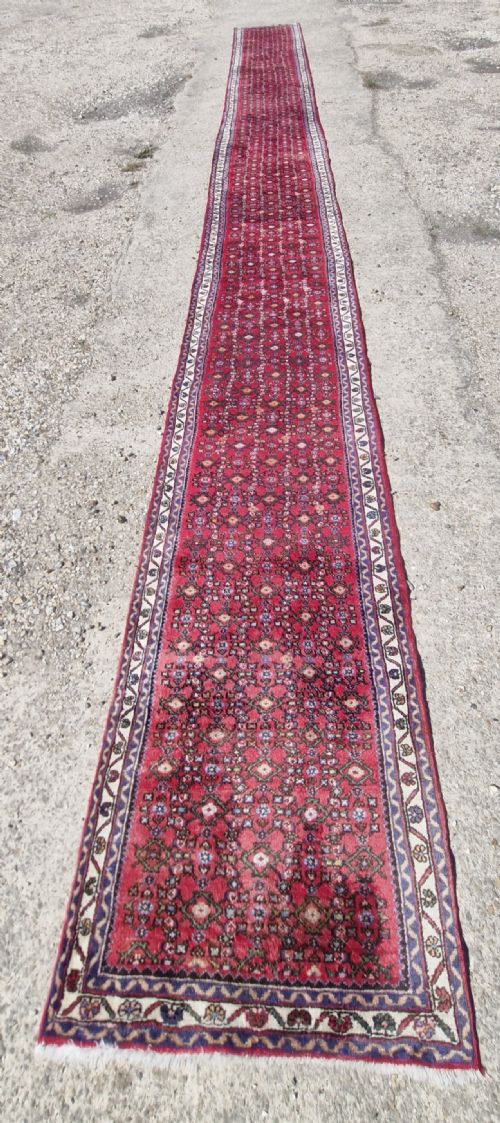
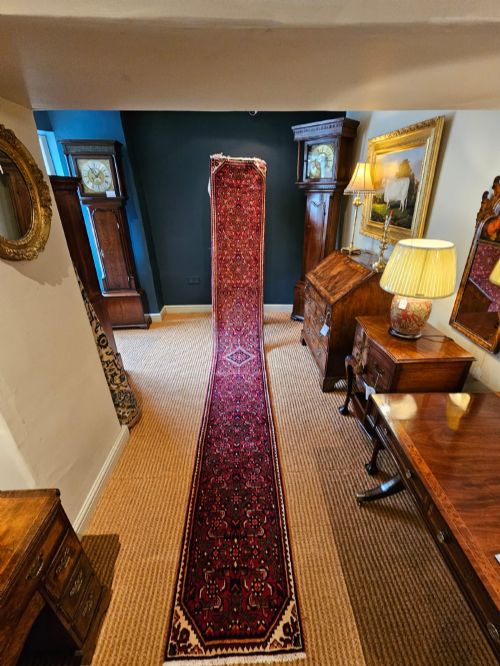
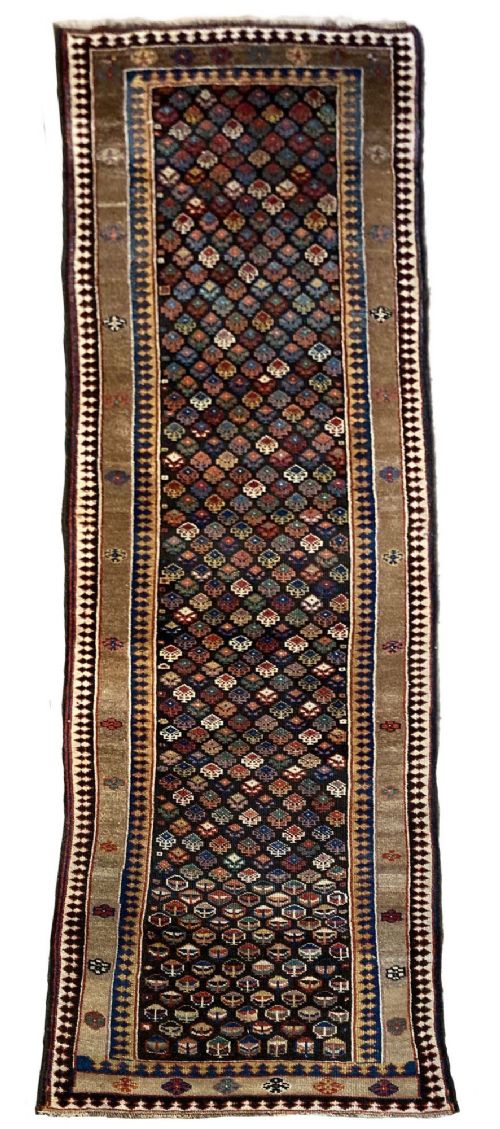
A traditional hall carpet serves as a functional and decorative floor covering tailored for long corridors, landings and narrow walkways. These pieces typically take the form of runner rugs, hallway runners and long carpets spanning various lengths.
The selections available on this page reflect regional weaving traditions originating from Persian, Caucasian, Turkish and Kurdish makers. Examples range from nineteenth-century specimens to early twentieth-century floor coverings.
Buyers will encounter distinct regional styles including Heriz, Gendje, Kazak, Sarouk and Hamadan designs. These elongated formats suit high-traffic domestic thresholds while introducing historical texture to interior spaces.
How they were made
Weavers constructed these long carpets primarily using wool and cotton foundations, often employing hand-spun wool for the pile. Natural dyes impart the rich tonal variations observed across the surviving examples.
Certain pieces incorporate durable materials such as camel hair alongside standard wool fibres to build resilience. Artisans knotted these runners by hand within tribal or village workshops, ensuring structural longevity for domestic walkways.
Traditional Hall Carpet Retail Price Guide 2026
Typical asking prices for traditional hall carpet among the pieces listed under this phrase on Sellingantiques today, from the lower quarter to the upper quarter. They describe what is for sale here now, not the wider market.
Listings feature traditional hall carpets spanning the nineteenth century through to the 1960s, constructed primarily from wool, cotton and natural dyes.
What varies in quality
The standard of a traditional hall carpet depends heavily on the fineness of the knotting and the complexity of the geometric or floral design. Tighter foundations generally provide greater durability under heavy foot traffic.
The integrity and depth of the natural dyes influence visual appeal, with well-preserved colour saturation distinguishing finer examples. Furthermore, exceptional length combined with narrow proportions requires deliberate skill from the weaver to maintain straight edges and balanced symmetry.
The Traditional Hall Carpet Glossary
- Runner
- A long, narrow carpet format specifically designed for hallways, corridors and staircases. These pieces measure significantly longer than their width.
- Natural Dyes
- Colourants derived from plant, insect or mineral sources rather than synthetic chemicals. They age gracefully and develop subtle tonal shifts over time.
- Camel Hair
- Undyed animal fleece utilised in weaving to provide natural shades of brown and beige, known for its durable qualities. It appears frequently in tribal carpets.
- Boteh
- A traditional almond-shaped or paisley motif representing a floral shoot or cypress tree. This ancient symbol occurs often in Persian and Caucasian rug designs.
- Pile
- The upright yarn loop or cut surface that forms the usable upper layer of a carpet. The density of this wool or cotton layer dictates physical texture.
Traditional Hall Carpet: Frequently Asked Questions
How do I choose the right length for my hallway?
Measure your corridor carefully, leaving a uniform border of exposed flooring around the perimeter of the rug. Ensure doors can swing open freely over the pile height of the chosen runner.
Consider the placement of furniture and radiators along the hallway to determine the maximum workable length and width.
Are these runners suitable for heavy foot traffic?
Traditional hall carpets woven with hand-spun wool and dense foundations handle daily corridor use effectively. The durable materials selected by historical weavers withstand regular walking.
Placing an appropriate underlay beneath the carpet prevents slippage and absorbs impact, extending the lifespan of the fibres.
How do I identify a Caucasian runner?
Caucasian pieces typically display bold geometric medallions, stark linear patterns and sharper primary colour palettes. These designs contrast with the curved floral motifs often found in Persian equivalents.
Examining the structural knotting and wool characteristics helps confirm the regional weaving origin.
How should I clean a vintage wool runner?
Vacuum the carpet gently using suction attachment only, avoiding rotating brush bars that can pull at the wool pile. Address spills immediately by blotting with a clean, dry cloth rather than rubbing.
Professional specialist cleaning is recommended periodically to preserve natural dyes and textile integrity.