

Traditional Gold Ring
A traditional gold ring brings together enduring forms from the Victorian era through the mid-twentieth century.
Traditional Gold Ring
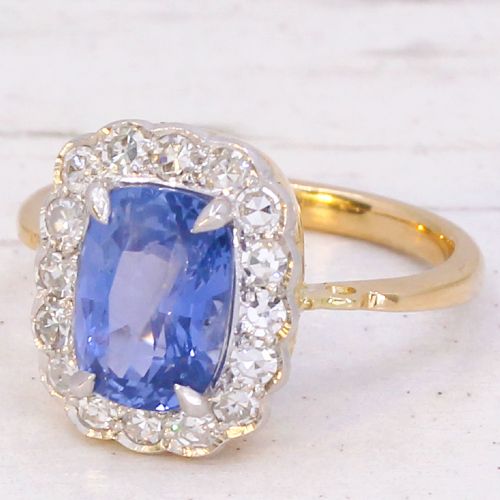
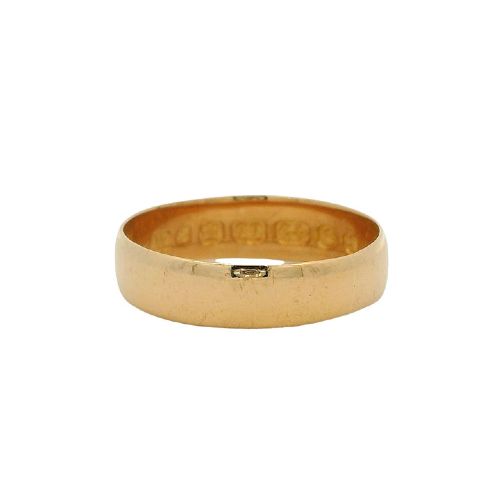
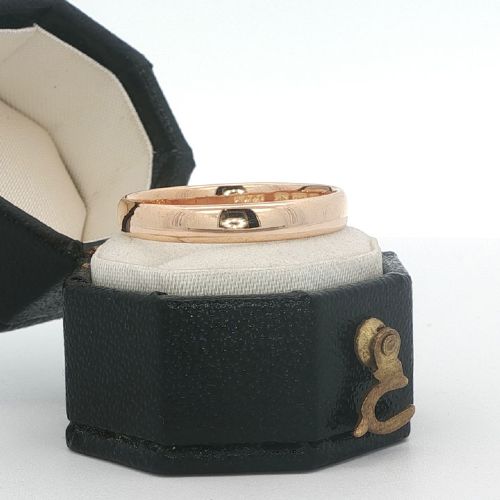
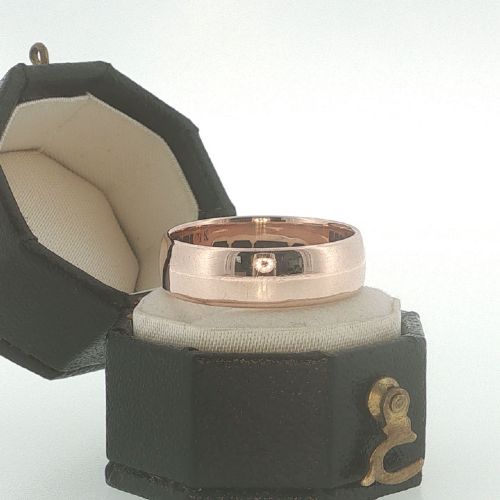
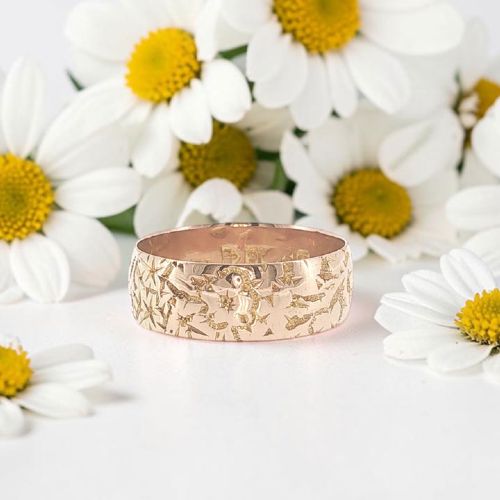
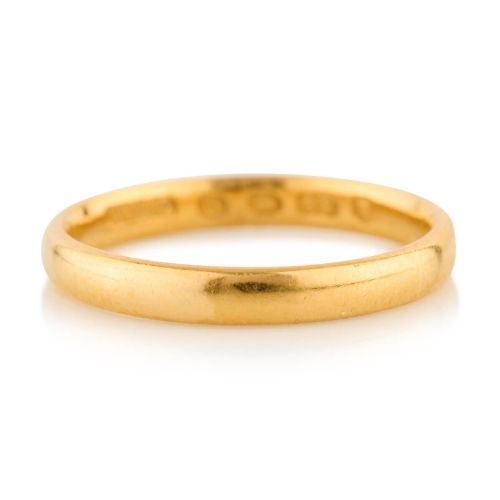
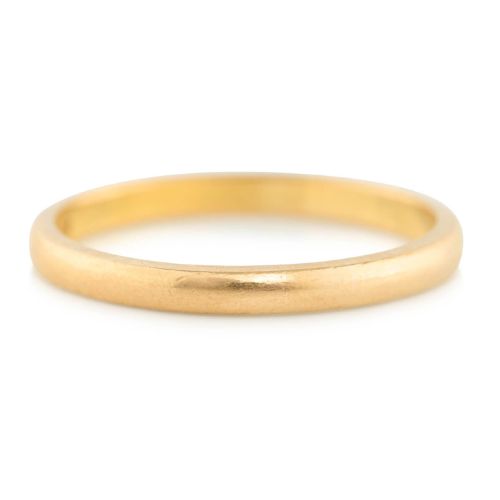
A traditional gold ring encompasses plain wedding bands, cluster settings, and diamond or gemstone arrangements spanning the Victorian period to the mid-twentieth century. When searching for a traditional gold ring, buyers encounter pieces fashioned in high-carat yellow gold, white gold, and rose gold.
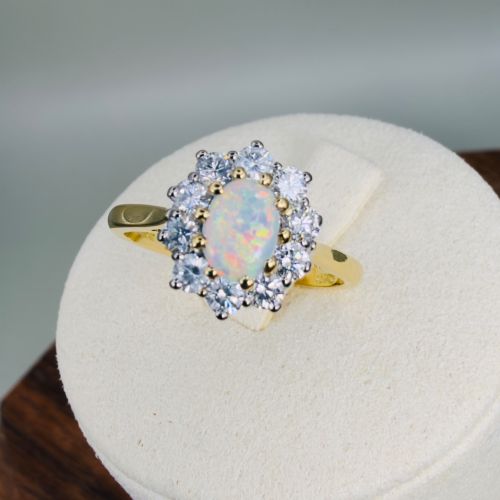
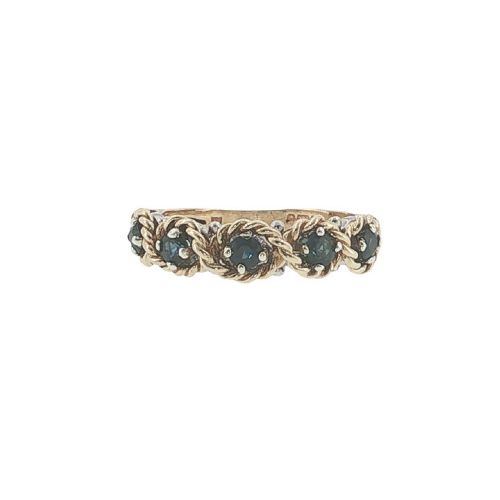
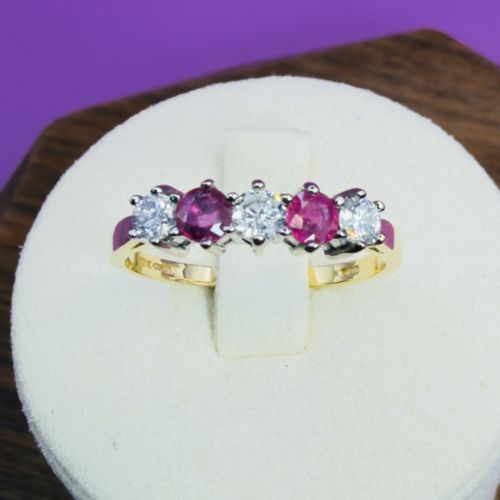
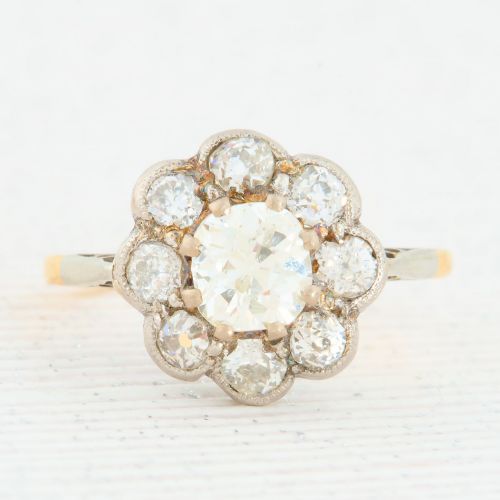
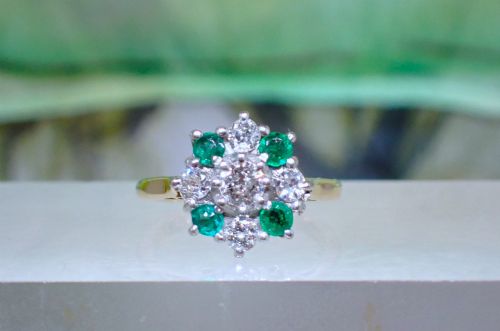
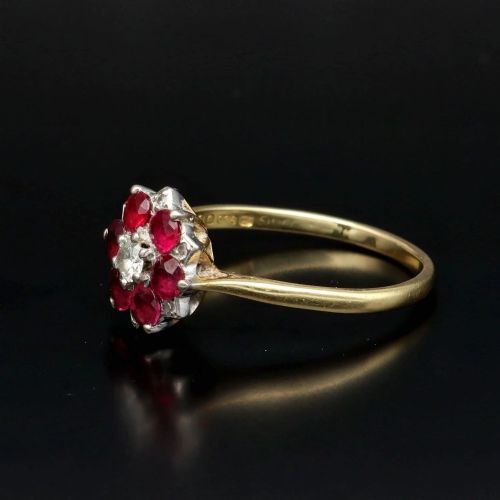
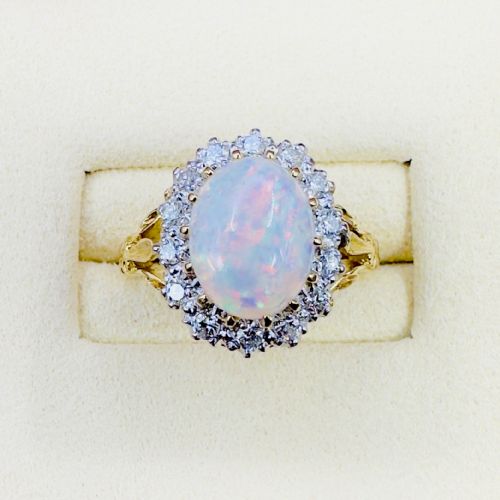
The selections on this page heavily feature wedding bands in substantial purities alongside gem-set cluster rings involving sapphires, opals, and diamonds. These forms reflect both sentimental milestones and decorative tastes from periods including the Edwardian era and the 1950s and 1960s.
Materials and construction methods
The pieces rely on precious metals including 22ct gold, 18ct yellow and white gold, 9ct gold, and platinum as the primary structural foundations. Jewellers utilised traditional casting, hand-engraving, and claw or illusion settings to secure stones.
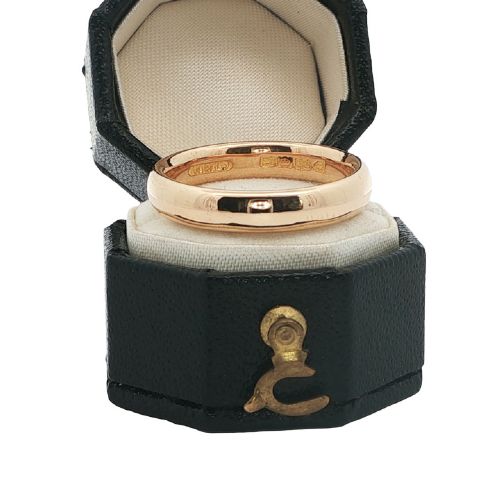
Gemstones such as old-cut diamonds, Ceylon sapphires, rubies, and cabochon opals were integrated directly into the metalwork, often accompanied by hallmark stamps indicating assay offices and production dates.
Listings feature yellow gold, white gold, rose gold, and platinum across Victorian, Edwardian, and mid-century periods.
Factors of distinction
Quality rests upon the purity of the gold and the preservation of the original metal weight, particularly in heavy wedding bands that see daily wear. Marks of distinct craftsmanship appear in the crispness of hand-engraving and the secure housing of cluster stones.
The fineness of the selected gemstones, from matched diamond facets to unblemished cabochon opals, distinguishes standard production items from finer examples.
The Traditional Gold Ring Glossary
- Band ring
- A finger ring of uniform width and thickness around the hoop, frequently used for weddings.
- Cluster ring
- A ring featuring a central gemstone surrounded by a group of smaller stones, often diamonds.
- Hallmark
- An official stamp applied to precious metals indicating purity, origin, and date of assay.
- Old cut
- A diamond cutting style characteristic of older periods, featuring a small table and high crown.
- Cabochon
- A gemstone shaped and polished with a smooth, rounded surface rather than faceted edges.
Traditional Gold Ring: Frequently Asked Questions
What periods do these rings come from?
The pieces span from the nineteenth century through the Victorian, Edwardian, and mid-century decades up to the 1960s.
Each era contributes distinct design markers, from heavy high-carat bands to intricate gemstone clusters.
How do I identify gold purity?
Purity is typically determined by examining official hallmarks stamped inside the hoop denoting the karat weight, such as 22ct or 18ct.
These stamps often provide clues to the assay office and year of creation.
Are these rings suitable for daily wear?
Many solid gold bands and robust settings were built for everyday use, particularly higher-carat wedding bands.
Gemstone rings require more care to protect settings and stones from heavy impact.
What stones are common in these settings?
Diamonds, sapphires, opals, and rubies appear frequently, often paired together in multi-stone cluster formations.
These stones reflect the popular gemstone combinations of the Victorian and mid-century periods.