
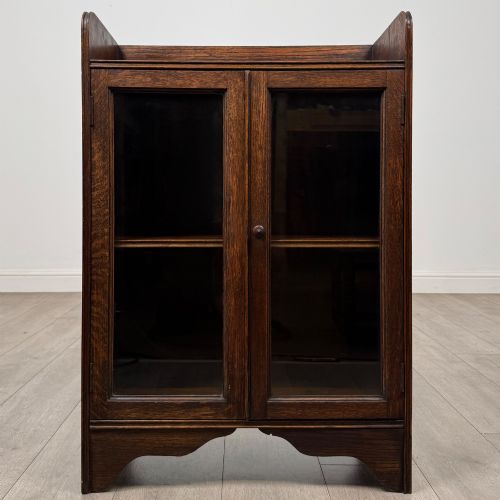
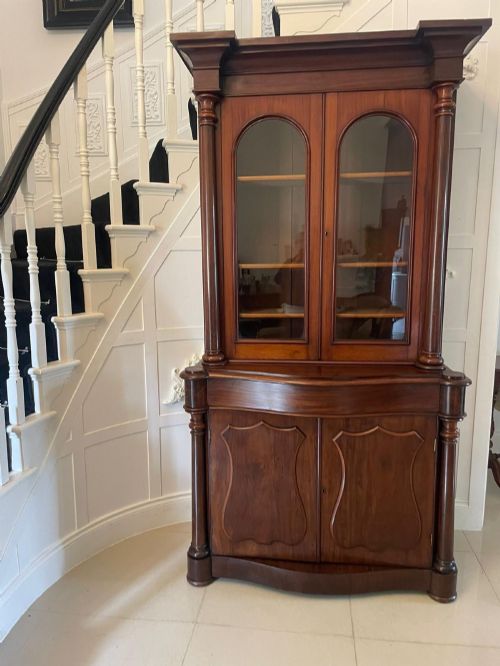
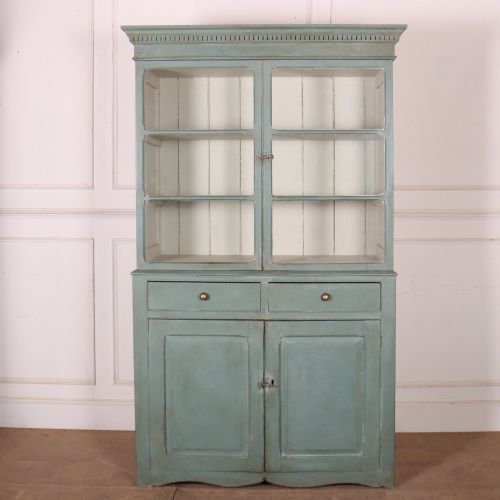
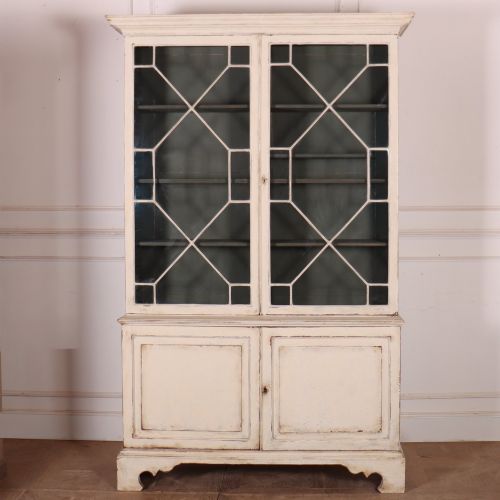
Traditional Glazed Cupboard
A traditional glazed cupboard brings sturdy utility and glass-fronted display together, offering room to store tableware or books while keeping the room bright.
Traditional Glazed Cupboard
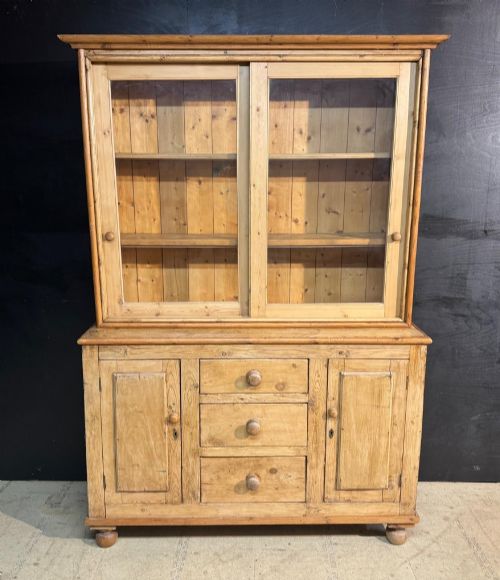
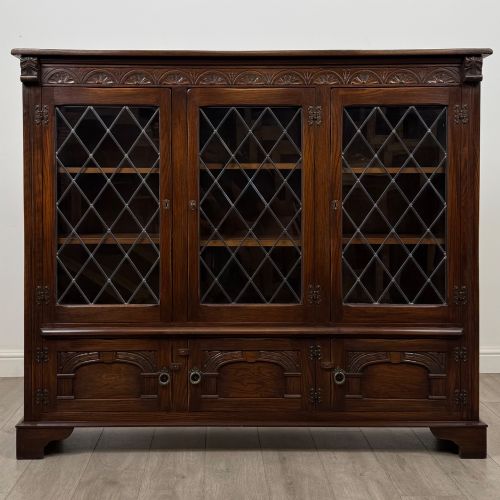
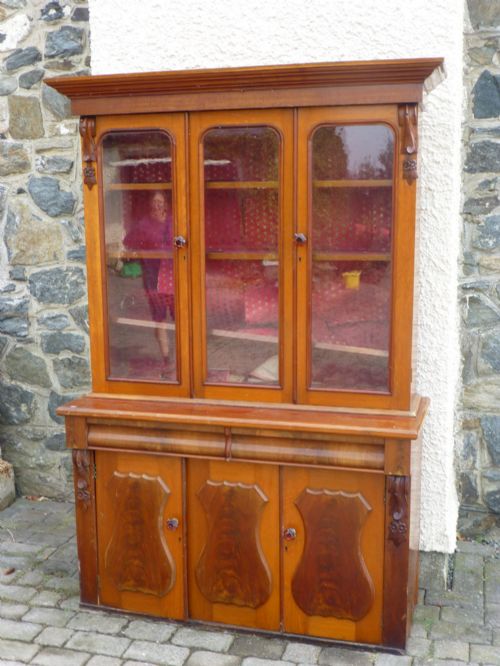
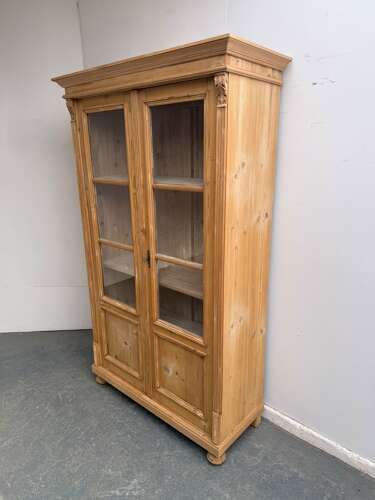
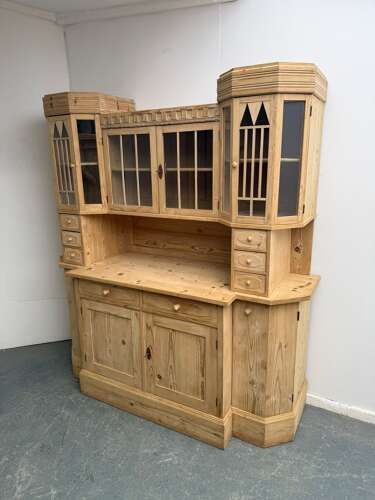
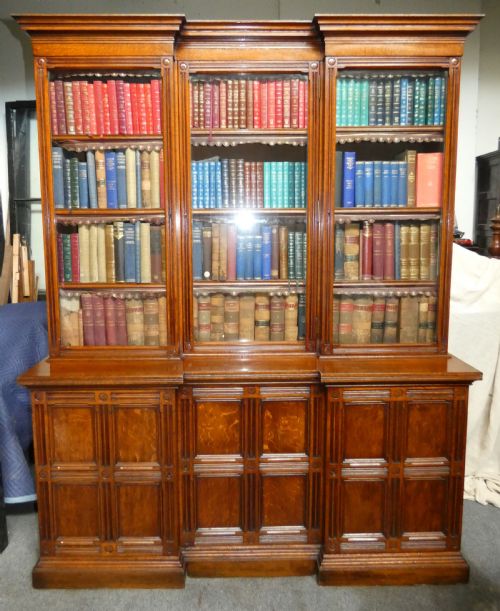
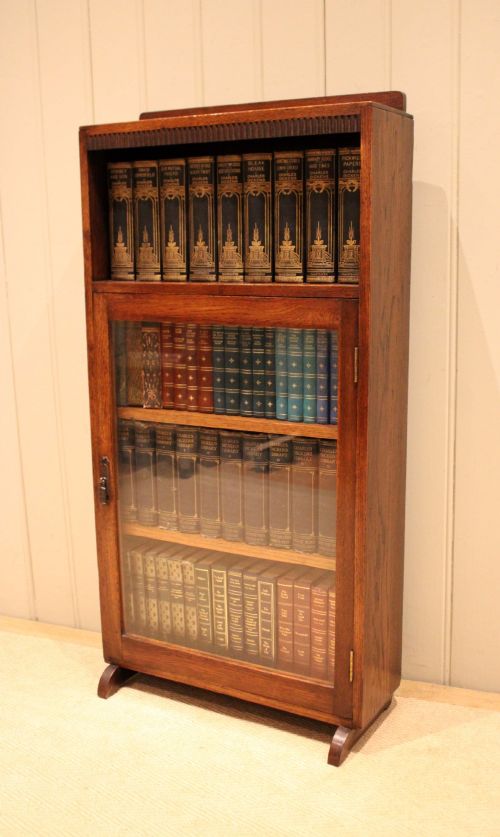
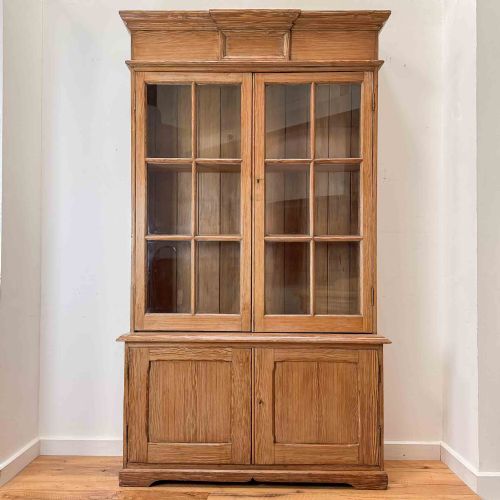
A traditional glazed cupboard provides timber storage with glass panels in the upper doors, designed to keep contents visible yet protected from dust. These pieces serve primarily as bookcases, display cabinets, and kitchen dressers across domestic interiors.
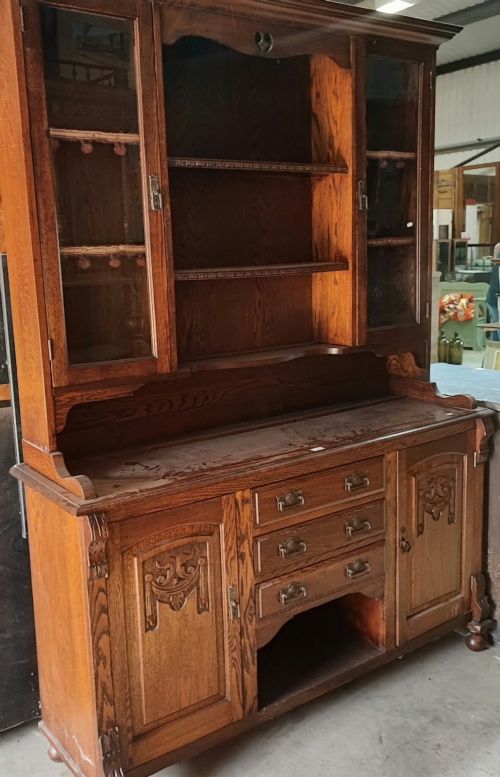
The selection on this page centres on sturdy regional furniture from the eighteenth, nineteenth, and early twentieth centuries. Oak, mahogany, and pine form the backbone of these pieces, alongside regional variations such as Welsh and West Country dressers.
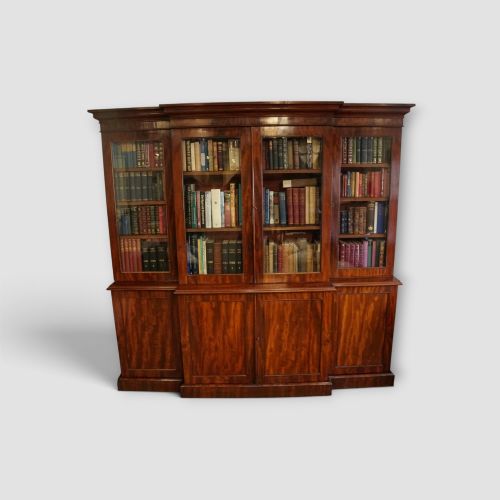
Victorian and Edwardian versions appear most frequently, spanning simple farmhouse pine cabinets to formal mahogany breakfront bookcases. Buyers often find corner cabinets and housekeepers' cupboards built for specific domestic rooms.
How they were made
Cabinet makers built these pieces using solid timbers like oak, mahogany, and pine, frequently pairing denser woods for primary structures with secondary softwoods for internals. Joinery relied on traditional methods such as dovetailing for drawers and mortise and tenon frames for doors.
Glass panes were held in place with wooden glazing bars, creating multi-pane doors that required precise carpentry. Surfaces were finished with wax, paint, or scumble glaze, preserving the grain or adding decorative colour according to regional taste.
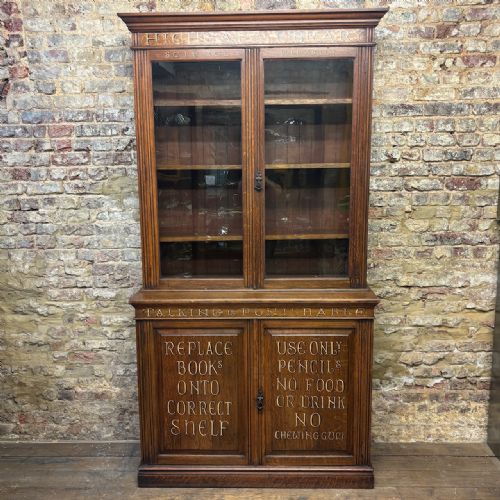
One exceptional oak bookcase bears hand-signwritten details recording its former service inside the British Broadcasting Company.
What varies in quality
Quality rests in the selection of timber and the restraint of the carving, where well-figured mahogany or tiger oak elevates a piece above standard utility furniture. Proportion and the crispness of the glazing bars reveal the skill of the original workshop.
Internal fittings, such as adjustable shelving and original brass hardware, separate utilitarian storage from finer display cabinets designed for formal reception rooms.
The Traditional Glazed Cupboard Glossary
- Breakfront
- A cabinet design where the central section projects forward from the flanking wings. This architectural arrangement creates depth and visual rhythm in large bookcases.
- Scumble paint
- A decorative surface treatment applied to imitate finer wood grains or create mottled patterns. Artisans dragged combs or brushes through a translucent top coat over a pale ground.
- Linenfold
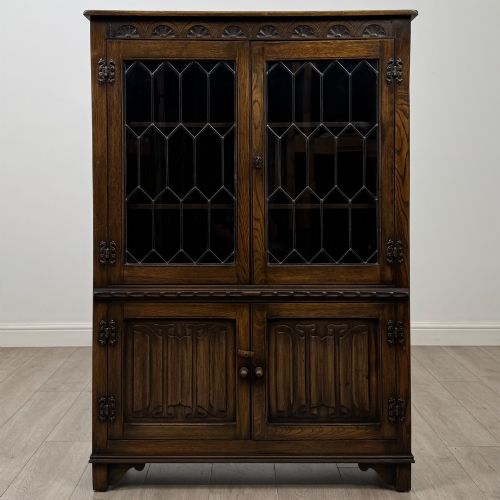
- A carved wood panel motif resembling folded cloth linen. It appears frequently on panels of oak cabinets from revivalist periods.
- Corner cabinet
- A cupboard shaped specifically to fit into the ninety-degree angle of a room. These pieces make efficient use of difficult domestic space.
Traditional Glazed Cupboard: Frequently Asked Questions
Where should I put a glazed cupboard?
These cabinets suit dining rooms, kitchens, or living spaces where books and tableware need dust-free storage.
Ensure the floor is level so the glazed doors hang true and latch correctly against the frame.
How do I clean antique pine?
Dust regularly with a soft, dry cloth to prevent dirt accumulation in the grain or carved mouldings.
Apply a traditional beeswax polish sparingly to nourish waxed pine surfaces without building up heavy residue.
Are the shelves adjustable?
Many nineteenth and twentieth-century bookcases feature fixed wooden shelves supported on wooden bearers or fixed dado grooves.
Finer library cabinets sometimes include rack-and-pinion or sawtooth vertical supports for movable shelving heights.
How do I identify mahogany?
Mahogany displays a reddish-brown hue that deepens with age, often showing a chatoyant grain when polished.
Georgian and Victorian cabinet makers favoured this hardwood for its stability and fine carving properties.