

Traditional Glass Lighting
Traditional glass lighting brings together period brass frameworks and hand-finished crystal or glass to illuminate rooms with genuine historical character.
Traditional Glass Lighting
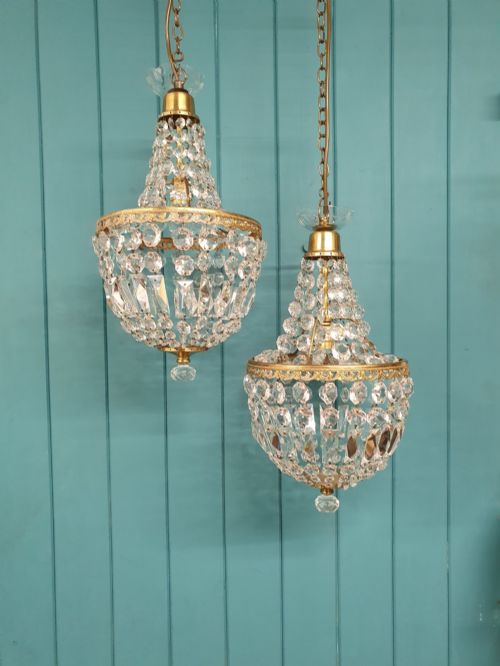
Traditional glass lighting spans functional ceiling lights, wall lanterns and grand chandeliers designed to cast a warm radiance across period interiors. These fixtures originate primarily from the Victorian, Edwardian and early twentieth century eras.
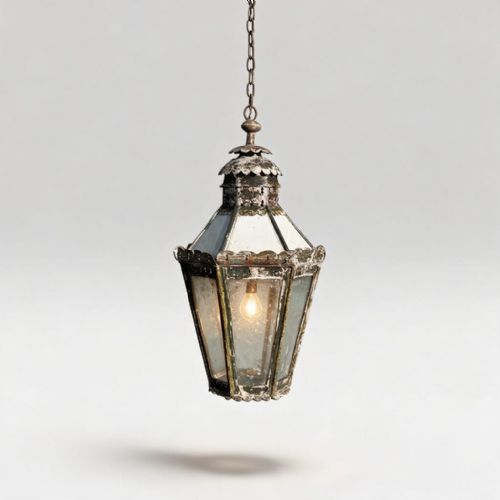
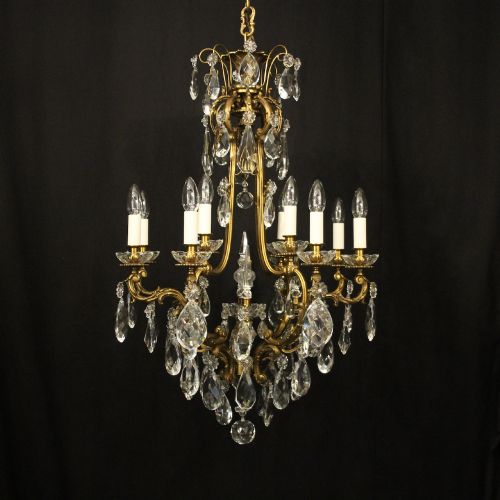
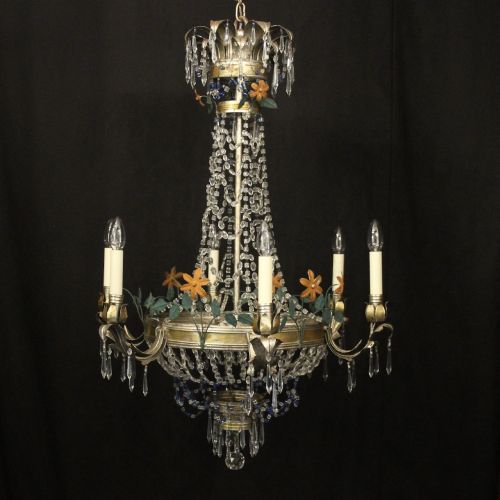
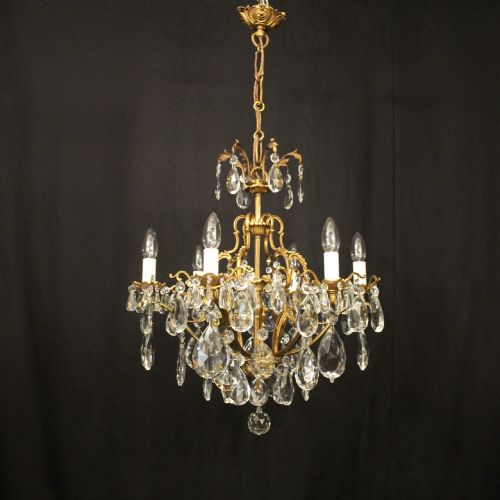
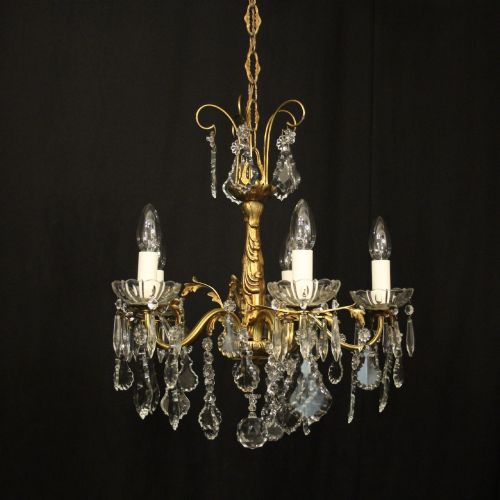
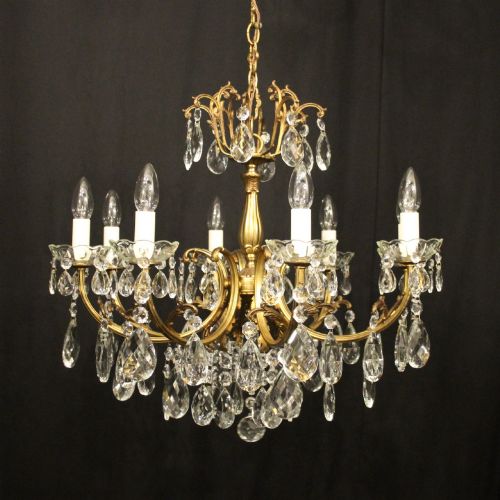
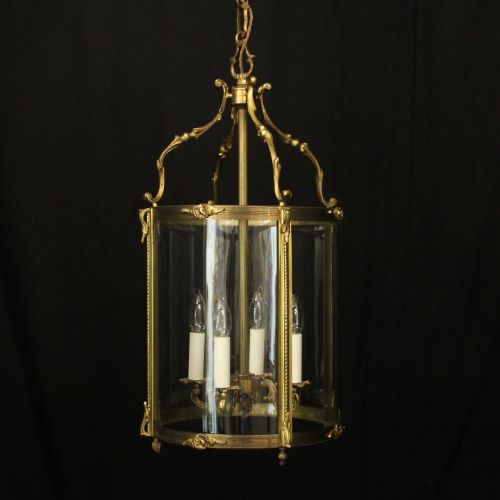
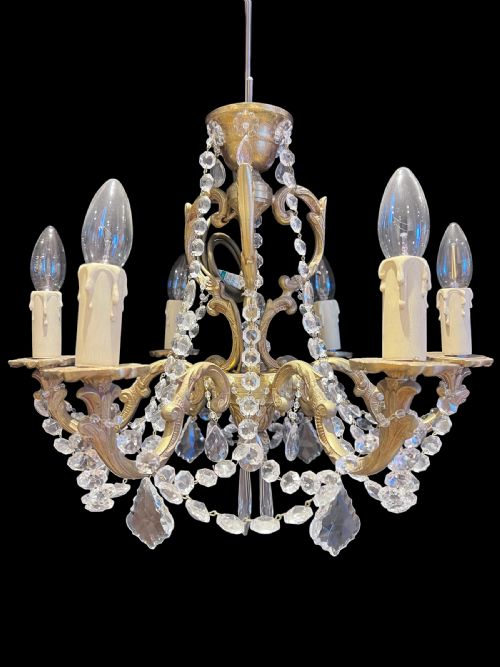
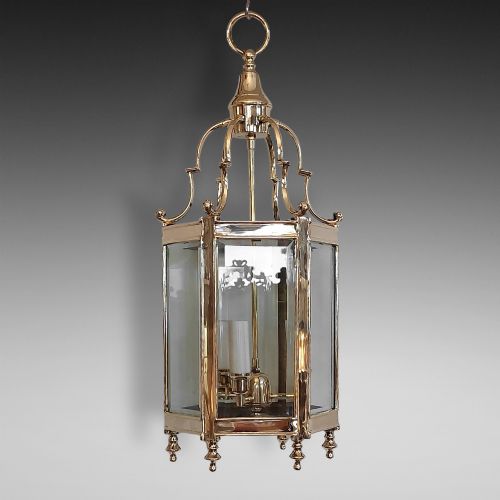
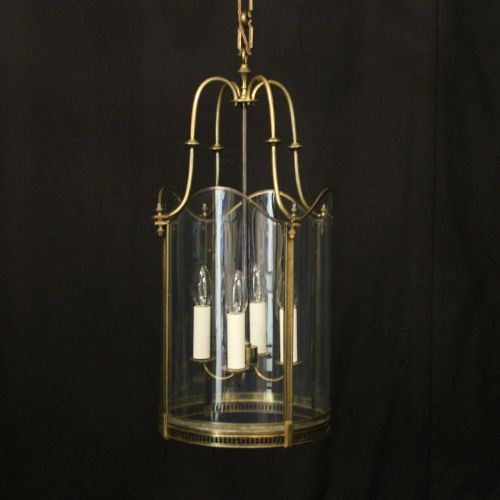
The selections encountered most frequently on this page include French and English hall lanterns alongside multi-light chandeliers decorated with crystal lustres. These objects reflect stylistic influences ranging from French Empire to Gothic Revival and Grand Regency.
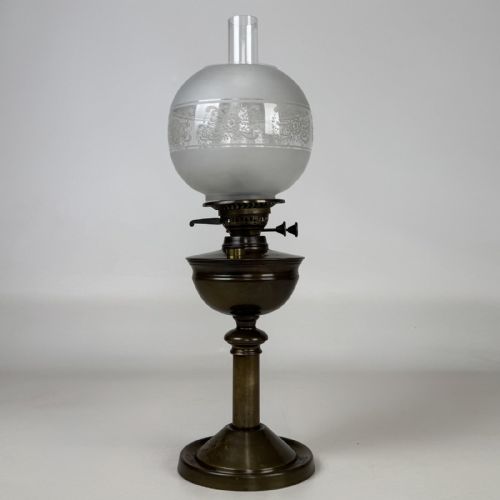
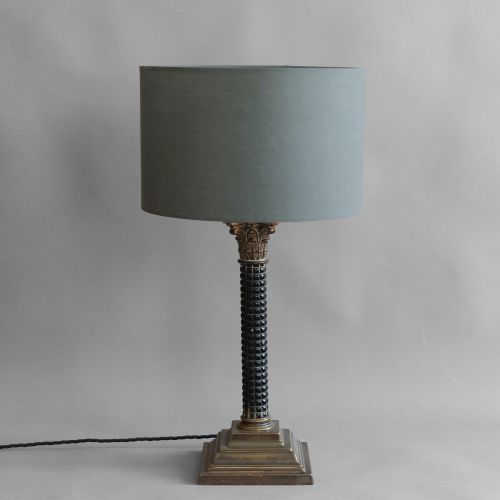
Table lamps and reading lamps also appear among the architectural lanterns and hanging pendants, offering smaller scale options for domestic spaces. Brass frameworks dominate the structural forms, paired with cut glass, crystal and hand blown components.
Materials and construction
Makers utilised cast and spun brass alongside gilt bronze and copper to build sturdy metal frames that could support heavy glass elements. These metal components were frequently gilded or polished to enhance the visual weight of the fixture.
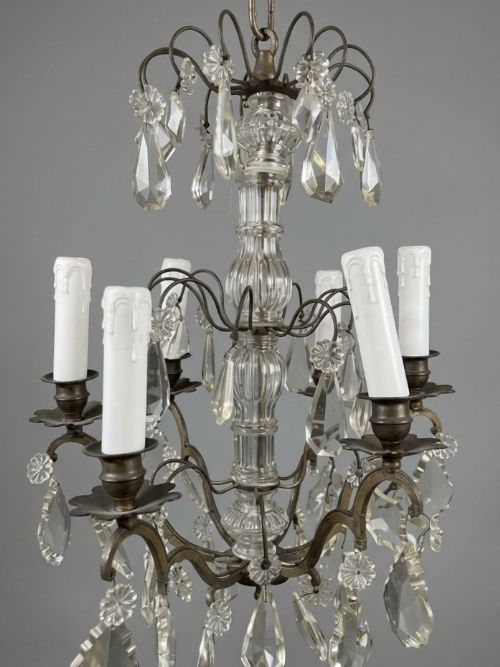
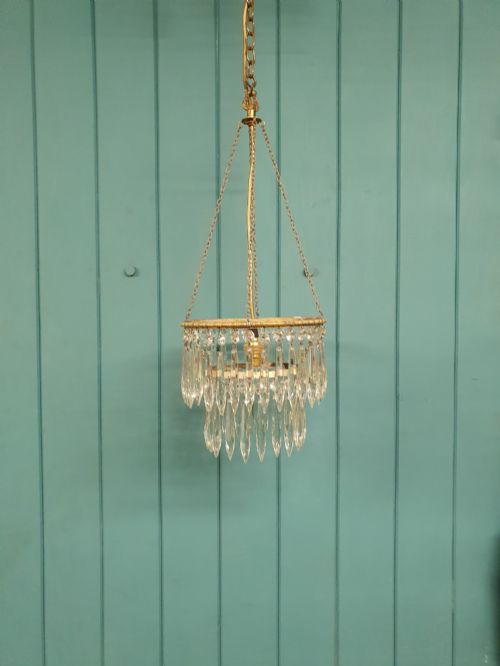
Glass elements range from plain hand blown bulls eye panes to heavily cut crystal lustres and drops. Individual pieces were wired or assembled by hand, often incorporating multiple candle arms or internal light clusters.
Listings feature items dated from eighteen sixty through to the nineteen thirties, encompassing Victorian and Edwardian manufacturing periods.
Factors of quality
The calibre of traditional glass lighting depends heavily on the crispness of the metal casting and the depth of the hand cutting on the crystal components. Superior examples display intricate detailing on the bronze or brass mounts and higher clarity in the glass panes.
Proportion and scale dictate the distinction between standard domestic fixtures and grander pieces intended for ballrooms or hallways. The complexity of the design, such as multi-tiered waterfalls or elaborate brass framing, marks the distinction in craftsmanship.
The Traditional Glass Lighting Glossary
- Chandelier
- A branched ceiling-mounted lighting fixture designed to hold multiple bulbs or candles. These pieces often feature glass drops and crystal lustres.
- Lantern
- An enclosed lighting fixture with glass sides and a metal frame, frequently hung in hallways or mounted near doorways. They protect the light source while distributing illumination.
- Plafonnier
- A ceiling light fixture designed to sit flush or very close to the ceiling surface. These often incorporate moulded or cut glass bowls.
- Crystal lustre
- A cut glass pendant or bead hung from a chandelier to refract light. They catch and multiply the illumination from the lamps.
- Bulls eye glass
- A thick circular pane of glass featuring a prominent central bump left by the glassblowing process. It creates distorted, textured patterns when light passes through it.
Traditional Glass Lighting: Frequently Asked Questions
How do I hang a heavy chandelier safely?
Heavy fixtures require direct attachment to ceiling joists using a properly rated steel hook and electrical box. Professional installation is essential to bear the combined weight of the metal frame and glass components.
Ensuring the ceiling structure can support the downward pull prevents any risk of failure. Consult a qualified electrician familiar with period wiring requirements.
Can these antique lights use modern bulbs?
Most wired fixtures accept standard modern LED or incandescent bulbs provided the wattage matches the historical capacity. Rewiring is often recommended to meet current safety standards.
Check the lamp holders during installation to confirm they are suitable for contemporary power loads. A professional can easily adapt older sockets without altering the exterior appearance.
How should I clean cut crystal chandeliers?
Regular dusting with a soft feather duster prevents grime buildup on the glass surfaces. For a deeper clean, apply a specialist glass cleaner to a cloth and wipe each crystal individually.
Avoid spraying liquid directly onto the metal frame or electrical components. Taking down detachable lustres for washing in warm soapy water yields the brightest sparkle.
What rooms suit a hall lantern best?
Hall lanterns fit naturally into entranceways, corridors and high-ceilinged stairwells where vertical space allows adequate clearance. Their enclosed design directs light downwards effectively in narrow areas.
Choosing a convex or hexagonal shape helps distribute illumination evenly across transitional spaces. They set a formal historical tone right at the entrance of a home.