
Tier Crystal Light Fixture
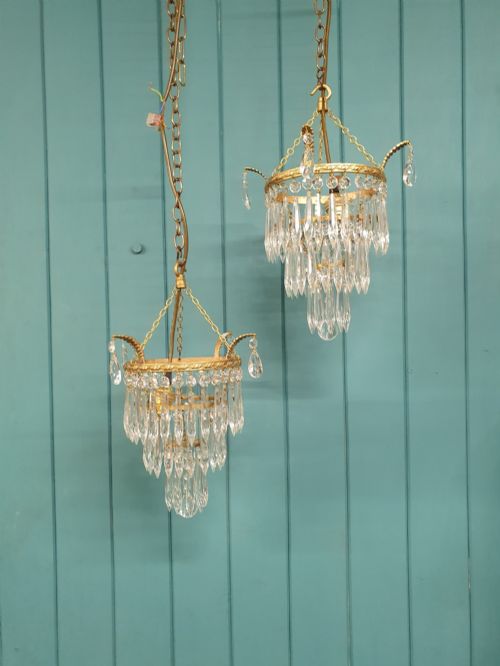
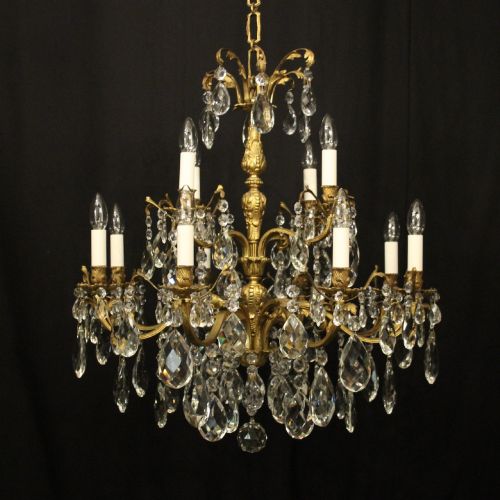
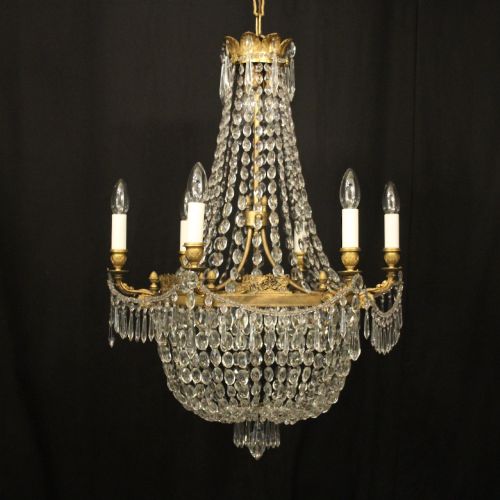
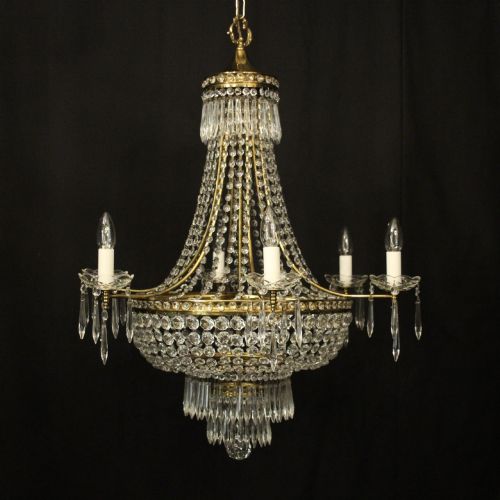
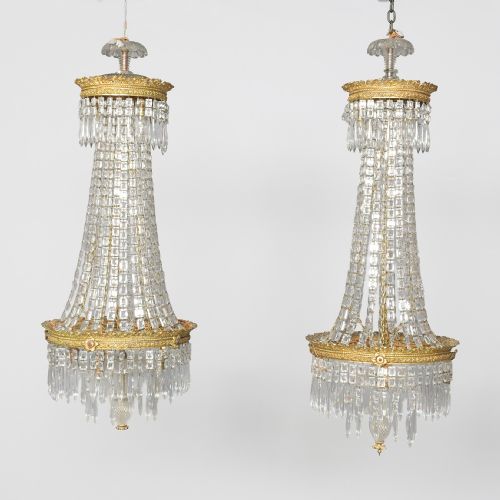
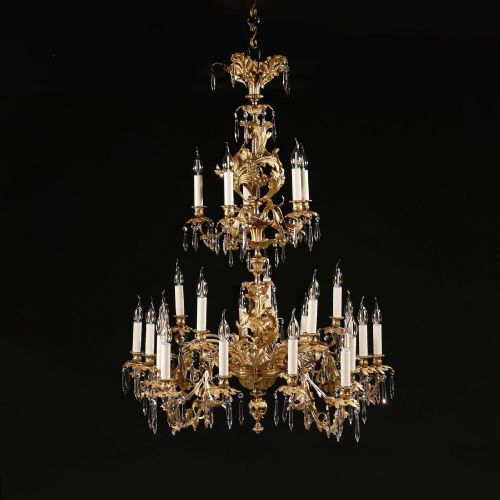
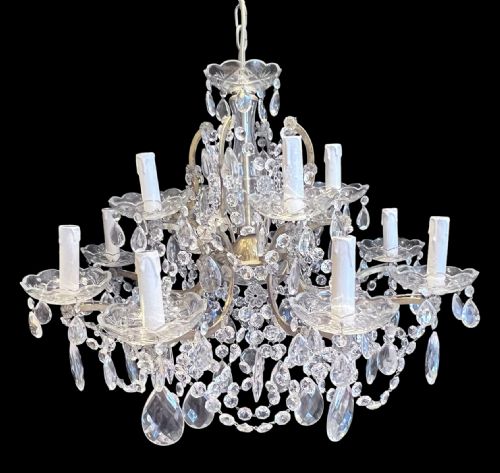
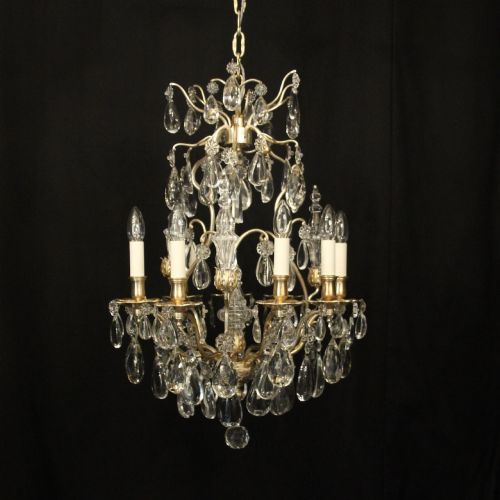
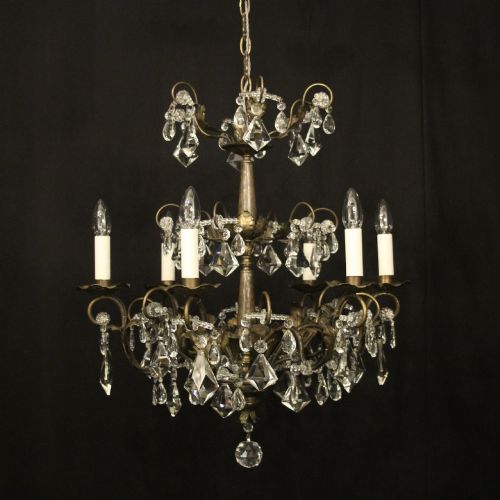
These tier crystal light fixtures bring dramatic illumination and hanging prism sparkle to a room.
Tier Crystal Light Fixture
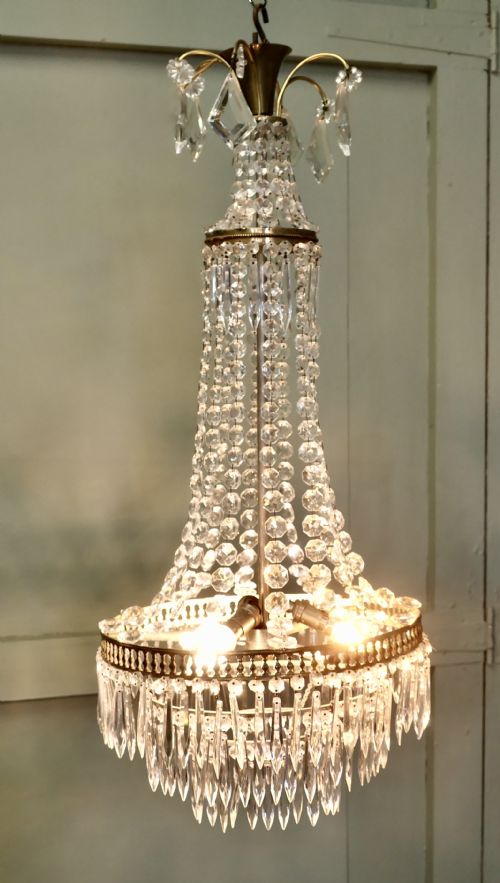
A tier crystal light fixture takes the form of a multi-level chandelier or ceiling light designed to distribute illumination across several horizontal layers. When you search for a tier crystal light fixture, you encounter pieces spanning from the nineteenth century through the art deco period. French and Italian workshops dominate the selection, alongside English examples.
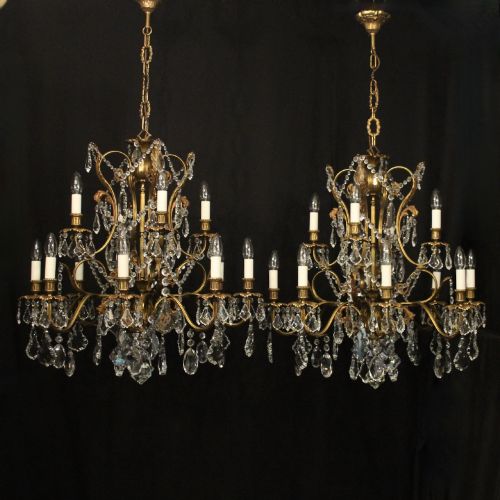
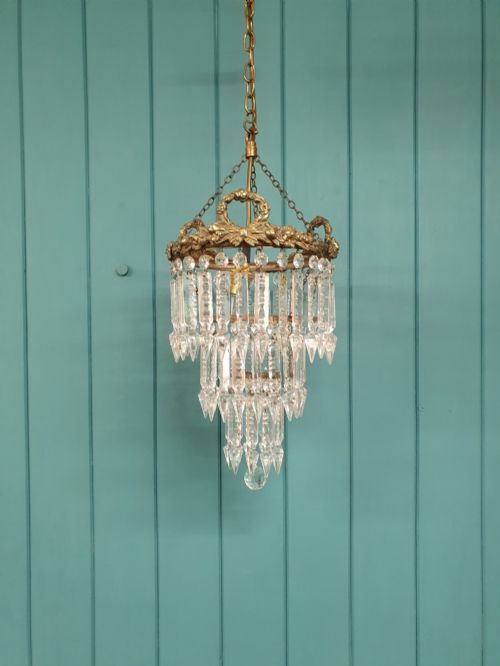
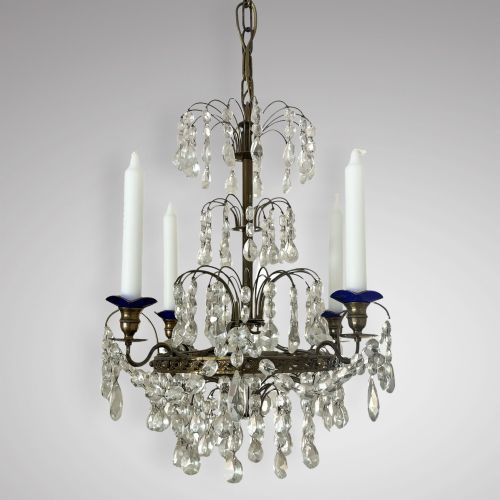
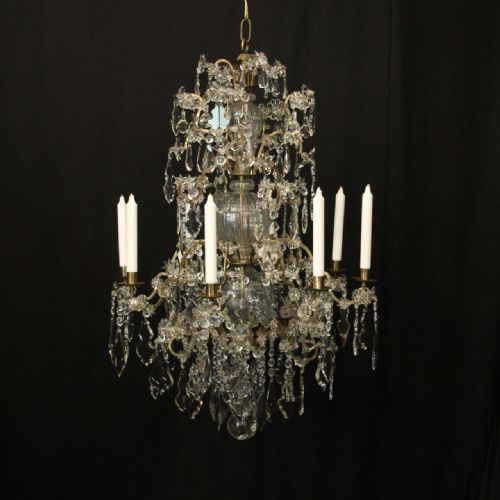
The objects on this page appear primarily as multi-branched chandeliers, pendant lights, and ceiling lights featuring structured tiers of drops. Styles range from French empire and rococo to art deco and regency. Multiple tiers allow light to refract through rows of cut glass and crystal pendants.
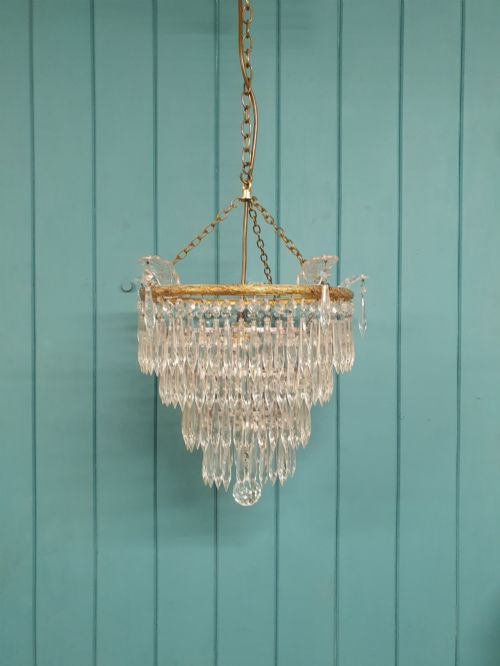
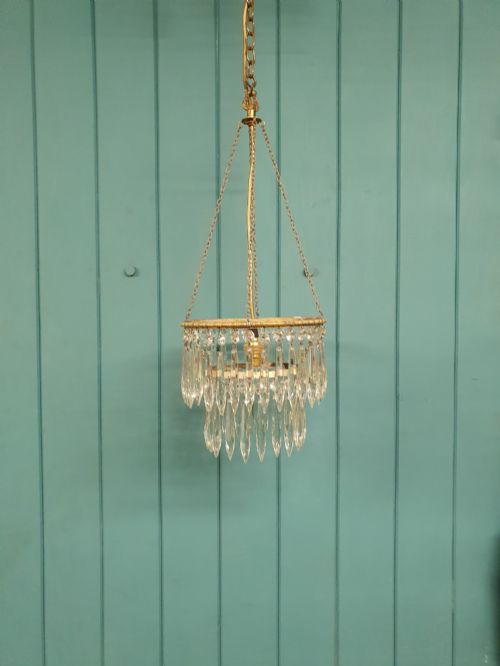
Double tiered chandeliers and multi-tiered lampshades form the core of this group. The construction often incorporates brass, bronze, or gilt metal frameworks supporting strings of beads, waterfall drops, and lustres.
Materials and construction methods
Metal frames form the structural skeleton, utilising brass, bronze, and gilt metal shaped into rings, bands, and branching arms. Silver gilding and polychrome finishes appear on select Italian and French frames. These metals provide the rigidity required to support heavy arrangements of glass elements.
Cut glass and crystal elements hang from the metal armature using wire loops or pins. Workshops shaped these elements into drops, beads, lustres, and waterfall strands. The glass relies on lead content or clear mineral composition to achieve light refraction.
Ballroom chandeliers in this selection carry up to forty-one lights, ensuring nobody ever dances in the dark.
Distinctions in quality
The refinement of the metalwork separates tier crystal light fixtures into distinct tiers of craftsmanship. Cast bronze frames with chased detailing indicate higher production standards than stamped or plain brass structures. Gilt and silvered finishes show depth through hand application rather than uniform modern plating.
The cut and clarity of the crystal elements define the optical performance of the fixture. Hand-cut crystal drops with sharp facets scatter light differently than moulded glass pendants. The density of the hanging drops and the integration of beaded arms determine the visual weight of the piece.
The Tier Crystal Light Fixture Glossary
- Tent and waterfall
- A lighting configuration where an upper conical section of glass strings feeds down into a wider cascading fringe of drops. This arrangement directs light across multiple vertical planes.
- Lustre
- A pendant drop of cut glass suspended from a chandelier to reflect illumination. Lustres hang from the arms and tiers of the fixture.
- Electrolier
- A light fixture originally designed for electricity or subsequently converted from gas or candles. These units retain traditional chandelier aesthetics.
- Plafonniere
- A ceiling-mounted light fixture sitting flush or close to the ceiling surface rather than hanging on a long drop. They often utilise bowl or tiered glass forms.
- Cut glass
- Glass shaped by grinding and polishing wheels to create faceted surfaces that refract light. It differs from moulded glass by its sharp edges and optical clarity.
Tier Crystal Light Fixture: Frequently Asked Questions
How do I hang a tier crystal light fixture?
Installation requires a ceiling hook capable of supporting the combined weight of the metal frame and glass drops. Professional electricians handle the internal wiring and suspension chain connection.
Ceiling height dictates the hanging position, particularly for multi-tiered fixtures that extend downward into the living space. Adequate clearance ensures the fixture commands the room without obstructing movement below.
What rooms suit a multi-tiered chandelier?
Dining rooms, entrance halls, and high-ceilinged reception spaces accommodate multi-tiered chandeliers effectively. The vertical spread of tiers demands generous spatial dimensions to look properly proportioned.
Smaller spaces utilise compact ceiling lights or single-tier pendants from the early twentieth century. These smaller variants maintain the sparkle of cut glass without overwhelming the room volume.
How do I clean a crystal chandelier?
Maintenance involves wiping individual crystal drops with a specialist glass cleaning solution and a soft cloth. Removing the drops allows for thorough cleaning when accumulation requires it.
Metal frames need dry dusting to preserve gilt or bronze finishes. Harsh chemical sprays damage the underlying metal patination and wire fixings.
How do I date an antique crystal fixture?
Dating relies on examining the metal casting techniques, wiring methods, and glass cutting styles. Nineteenth-century examples often feature hand-chased bronze and hand-cut lead crystal elements.
Early twentieth-century and art deco pieces display geometric frameworks and machine-cut components. Documented styles like regency or empire provide stylistic context but require physical construction analysis to confirm the era.