

Traditional Glass Light Fitting
A traditional glass light fitting brings immediate presence to a room through cut crystal and cast metal.
Traditional Glass Light Fitting
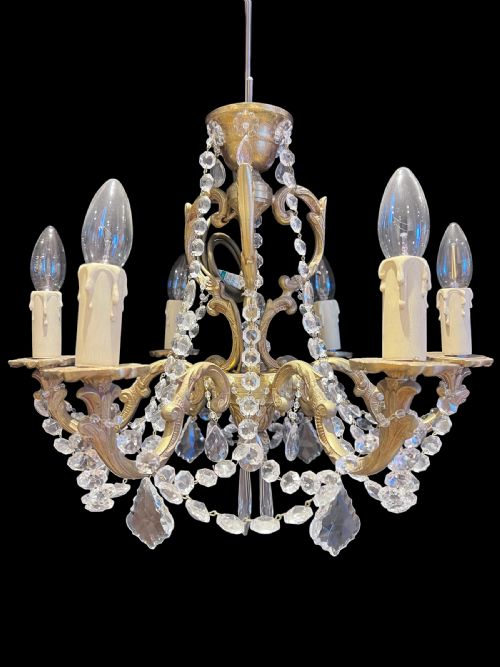
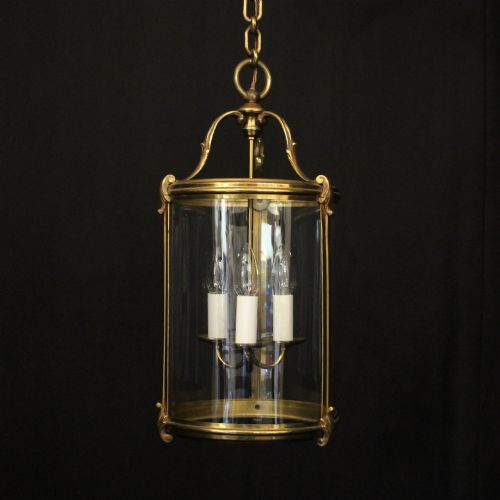
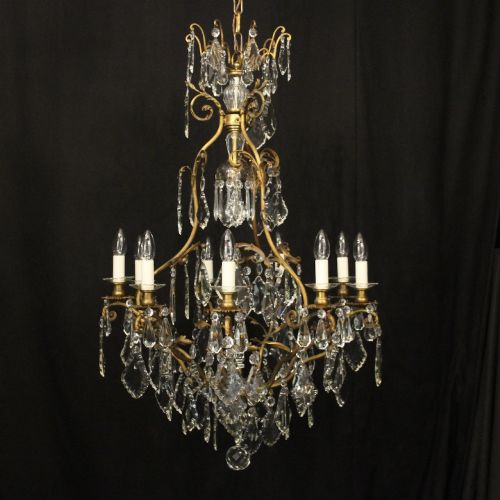
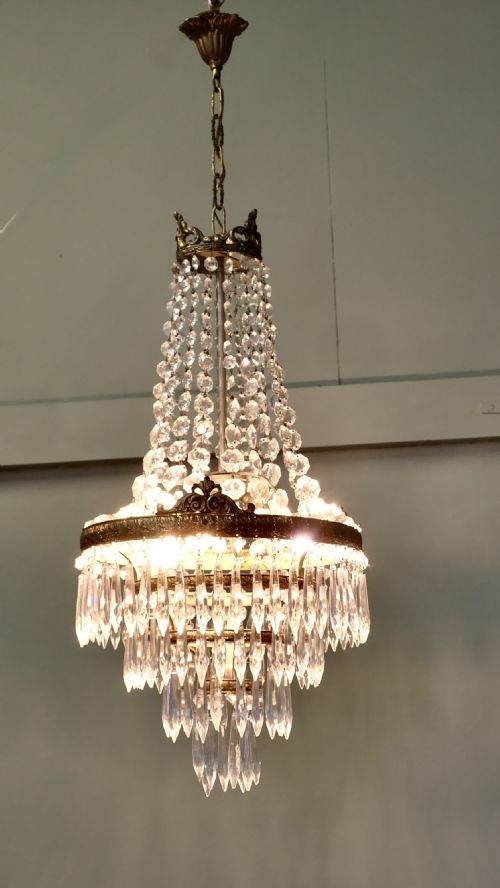
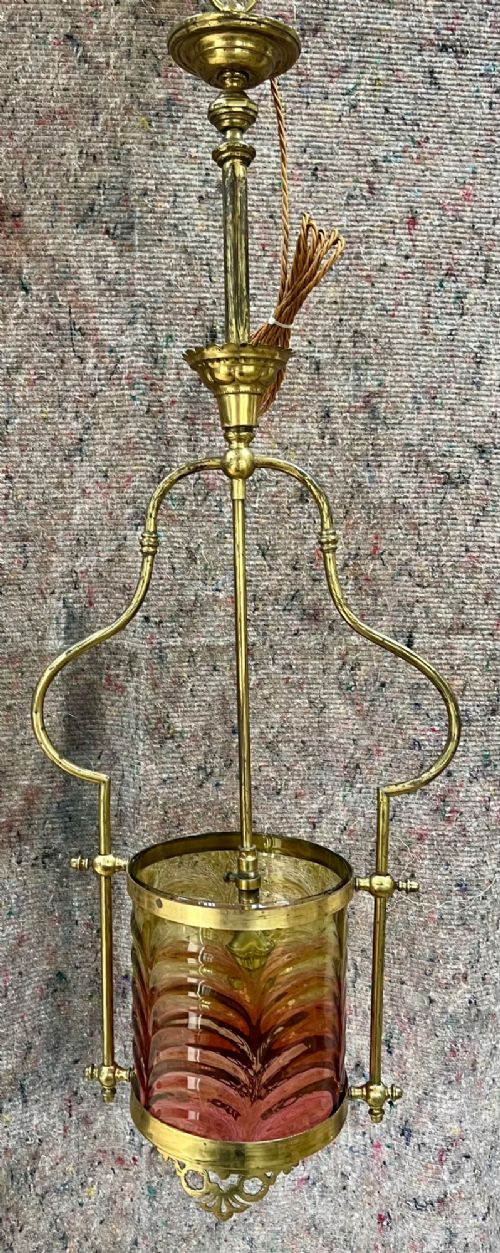
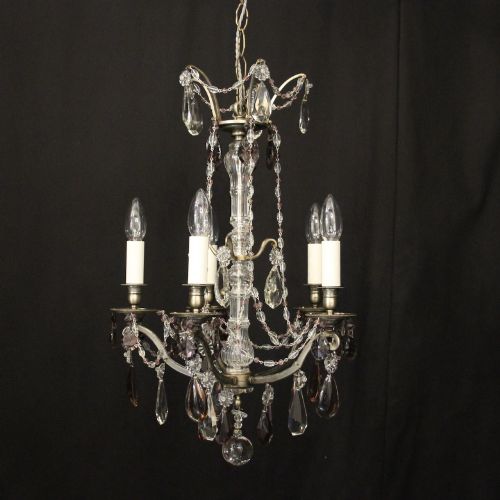
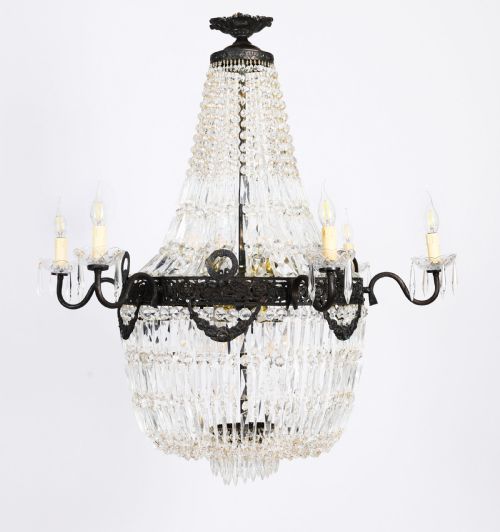
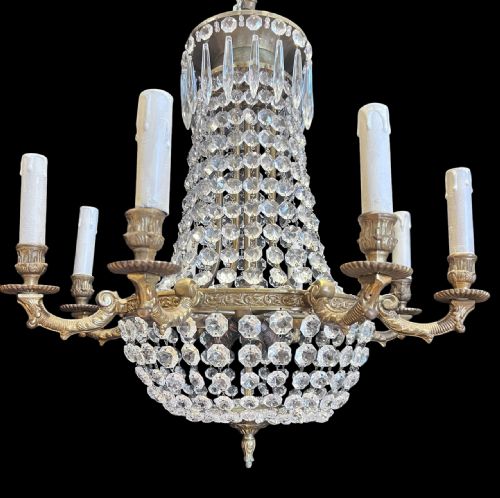
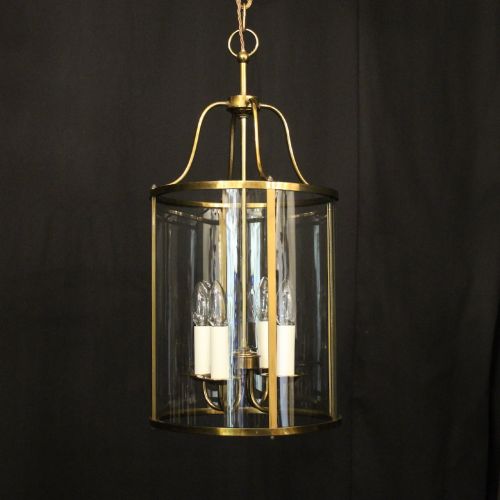
When searching for a traditional glass light fitting, buyers encounter a diverse selection of period ceiling illumination originating predominantly from the late nineteenth century through to the 1930s. These pieces range from grand multi-armed chandeliers styled in the French Empire or Maria Theresa manner down to compact hall lanterns and pendant lights.
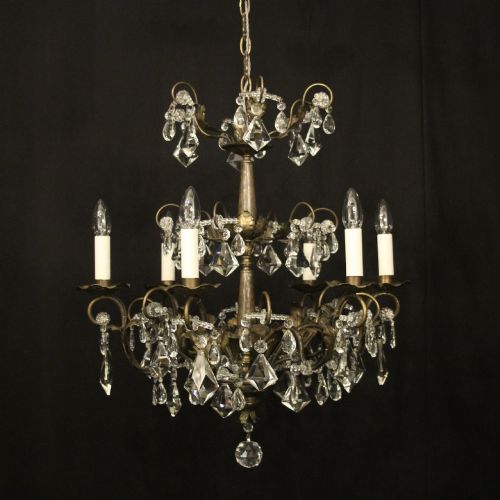
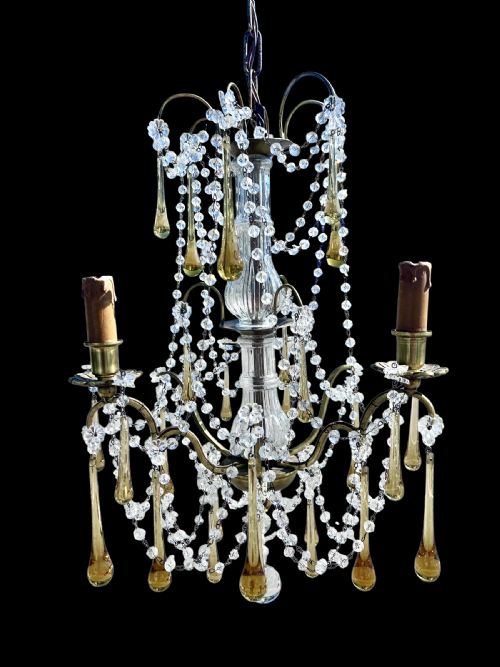
The most common examples on this page are French and Italian fixtures dating from the 1920s, heavily featuring cut crystal, moulded glass drops, and brass or gilded bronze frames. Alongside these continental works, English brass and cut glass designs from the Victorian and Edwardian eras appear regularly.
Materials and construction
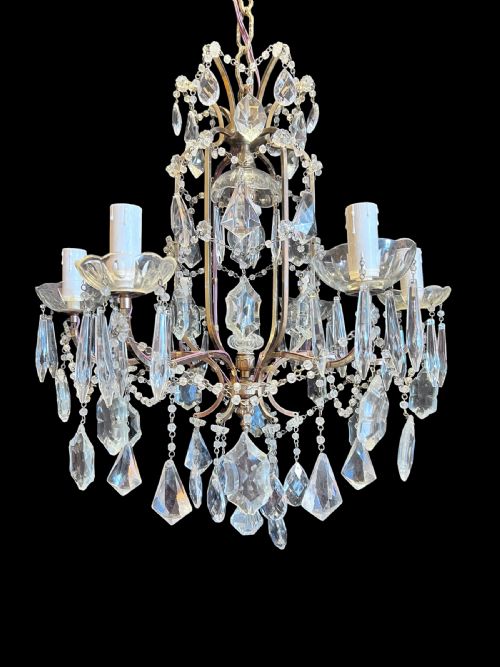
Construction relies upon a metal armature of brass, gilded bronze, or wrought iron that supports the weight of numerous glass or crystal elements. Individual glass drops, beads, and pendeloques are wired or pinned to the frame by hand, creating complex tiers and waterfall effects.
Metalwork components are cast, chased, or silver-gilt, providing structural rigidity while complementing the refractive qualities of the cut crystal and coloured glass bodies.
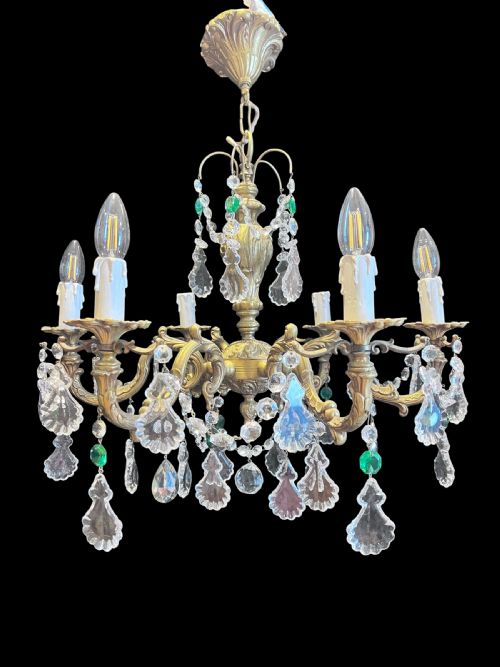
Several pieces include hidden coloured crystals tucked among clear drops, ready to catch the light unexpectedly.
Evaluating quality in glass fittings
Quality rests upon the purity and depth of the cut crystal and glass, where sharper facets yield superior light refraction compared to softer moulded alternatives. The weight and intricacy of the metal casting, whether finely chased gilded bronze or simple dark brass, dictate the overall calibre of the piece.
The completeness and originality of the crystal drops, beads, and matching arms distinguish standard production fittings from more ambitious architectural chandeliers and elaborate bag fixtures.
The Traditional Glass Light Fitting Glossary
- Bag Chandelier
- A style of light fixture featuring a flat top ring from which numerous glass crystals suspend in a bag or pear shape before gathering at a lower terminal.
- Hall Lantern
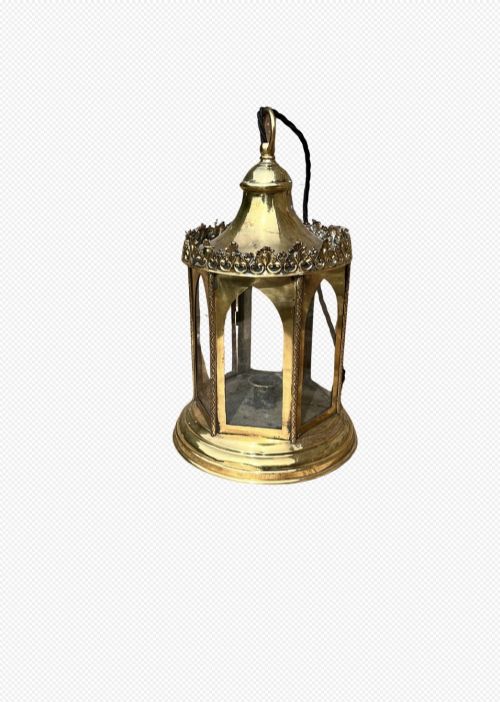
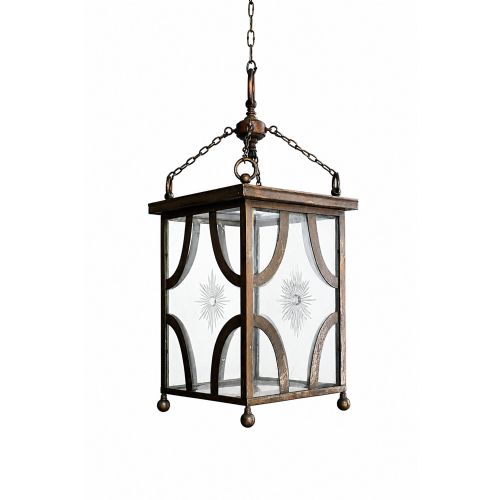
- A ceiling-mounted or chain-hung light enclosed in a glass and metal frame, designed specifically for corridors and entrance halls.
- Tent and Waterfall
- A configuration where upper strings of beads form a conical tent shape above a tiered cascade of crystal drops.
- Pendeloque
- A hanging crystal drop, often cut with multiple facets, suspended from the arms or frame of a chandelier to catch and scatter light.
- Gilded Bronze
- Bronze metal treated with a thin layer of gold leaf or gilt wash, providing a durable and decorative surface finish.
Traditional Glass Light Fitting: Frequently Asked Questions
How do I hang a heavy antique chandelier safely?
Heavy chandeliers require direct attachment to ceiling joists using a steel support hook capable of bearing the total weight.
Professional installation is essential to ensure the electrical wiring and ceiling fixings can safely sustain large brass and crystal fixtures.
Can these antique fittings be wired for modern electricity?
Most period fittings found here have already been electrified or adapted for contemporary wiring standards during their history.
A qualified electrician can easily check internal candle tubes and lamp holders to ensure they meet current safety regulations.
How do I clean a crystal chandelier properly?
Regular dusting with a soft feather duster prevents grime accumulation on the intricate glass drops and metal arms.
For deeper cleaning, apply a specialist glass spray onto a cloth and wipe each crystal individually while it remains hanging on the frame.
What is the difference between a pendant light and a hall lantern?
Pendant lights typically suspend exposed lamps or glass shades directly from a chain or cord, focusing illumination downwards.
Hall lanterns enclose the light source entirely within a structured glass and metal housing designed to protect the flame or bulb from drafts.