

Traditional Glass Hanging Light
A traditional glass hanging light brings a distinct architectural presence to halls and rooms through period metalwork and luminous glass.
Traditional Glass Hanging Light
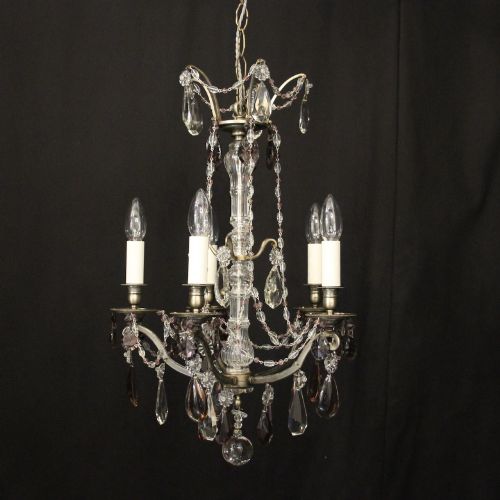
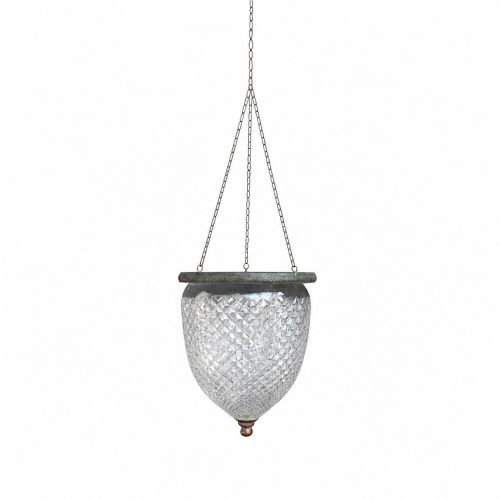
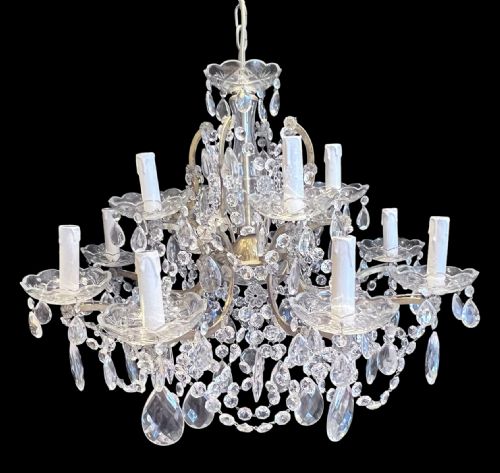
A traditional glass hanging light encompasses various forms including chandeliers, hall lanterns, and pendant lights suited to domestic spaces. These pieces emerge from periods spanning the nineteenth century through the early twentieth century, incorporating Edwardian and Victorian designs.
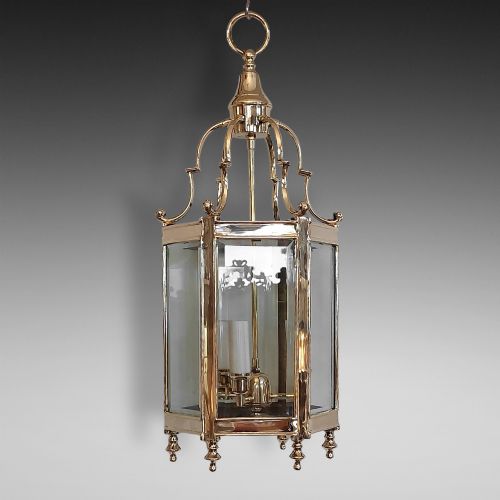
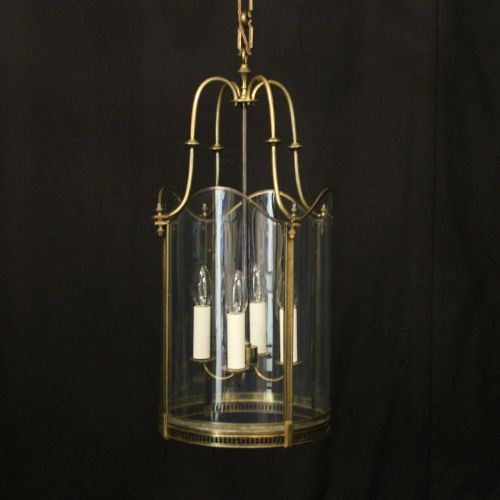
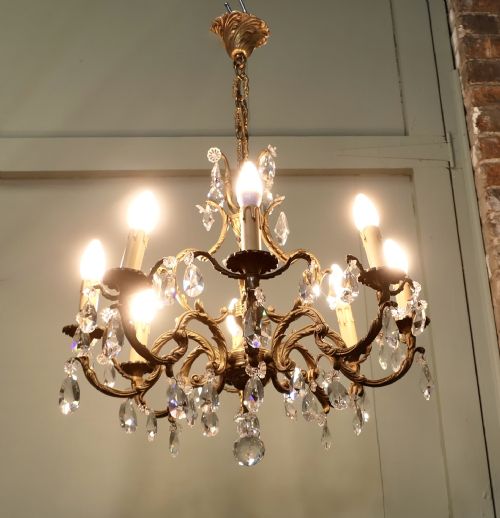
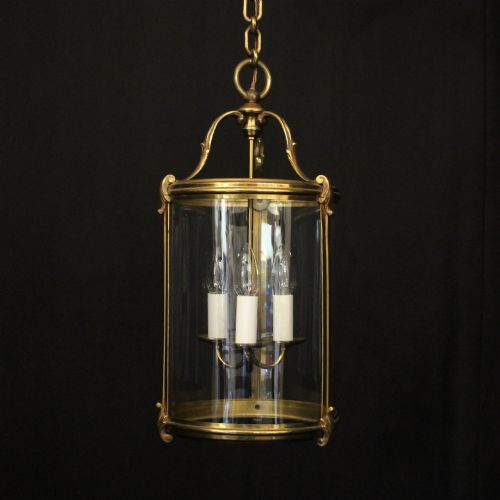
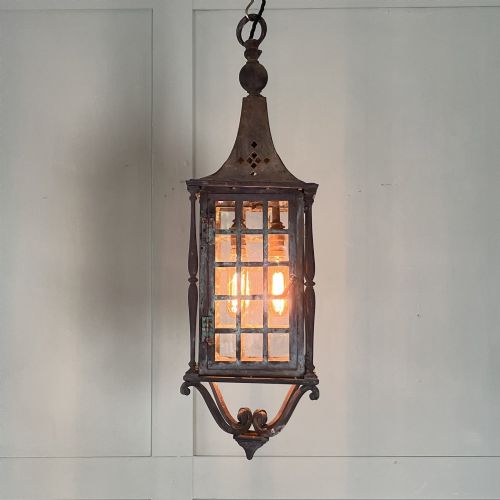
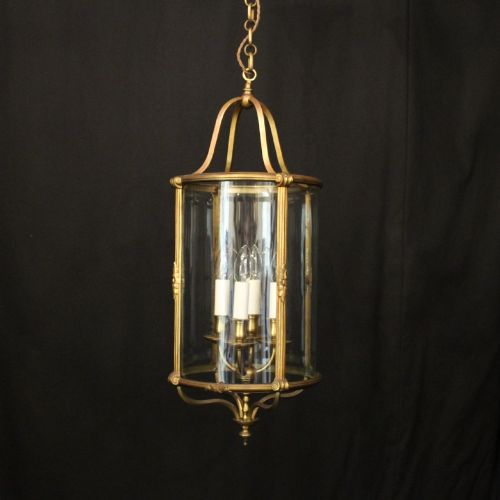
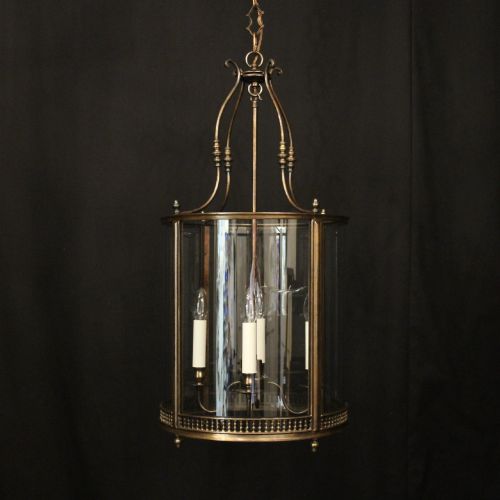
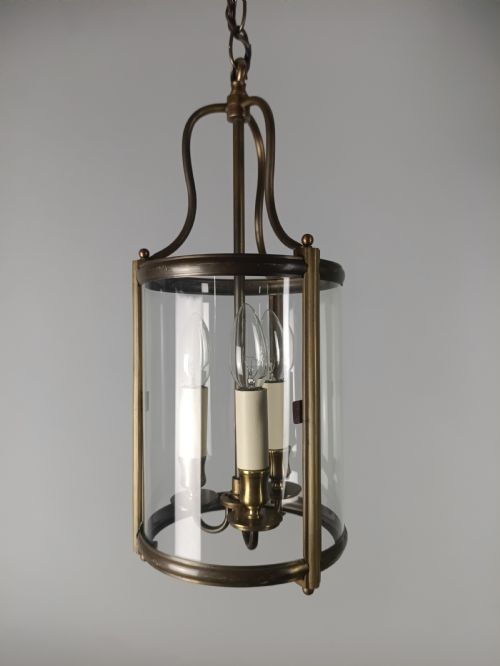
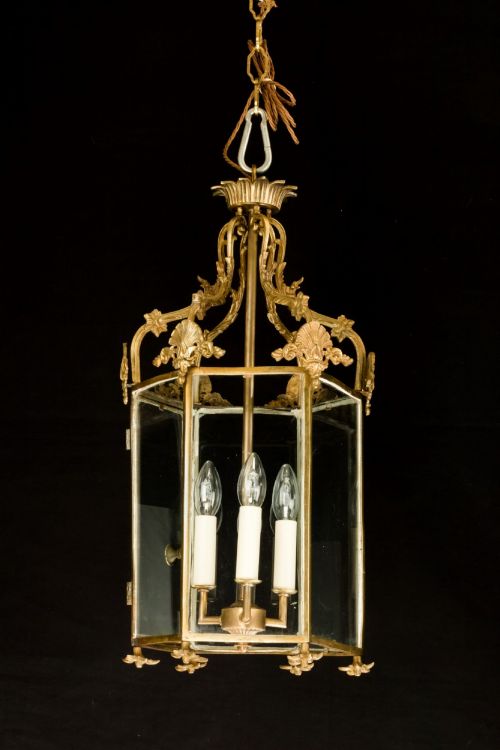
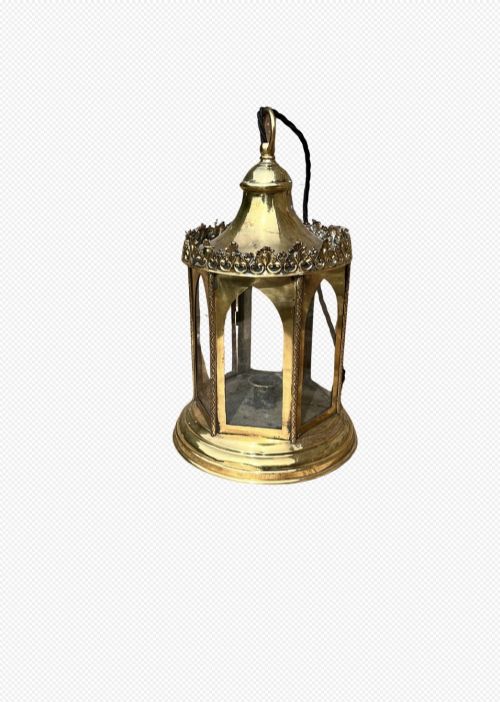
The most common examples encountered on this page are brass and glass hall lanterns, often featuring hexagonal or convex shapes. Alongside these, French gilded bronze chandeliers and English cut glass fixtures appear frequently.
Makers and designers from this era utilised regional aesthetics ranging from Arts and Crafts simplicity to French Rococo and Gothic Revival ornamentation. Buyers find both multi-light chandeliers and single-bulb pendants designed for specific architectural placements.
Materials and Construction
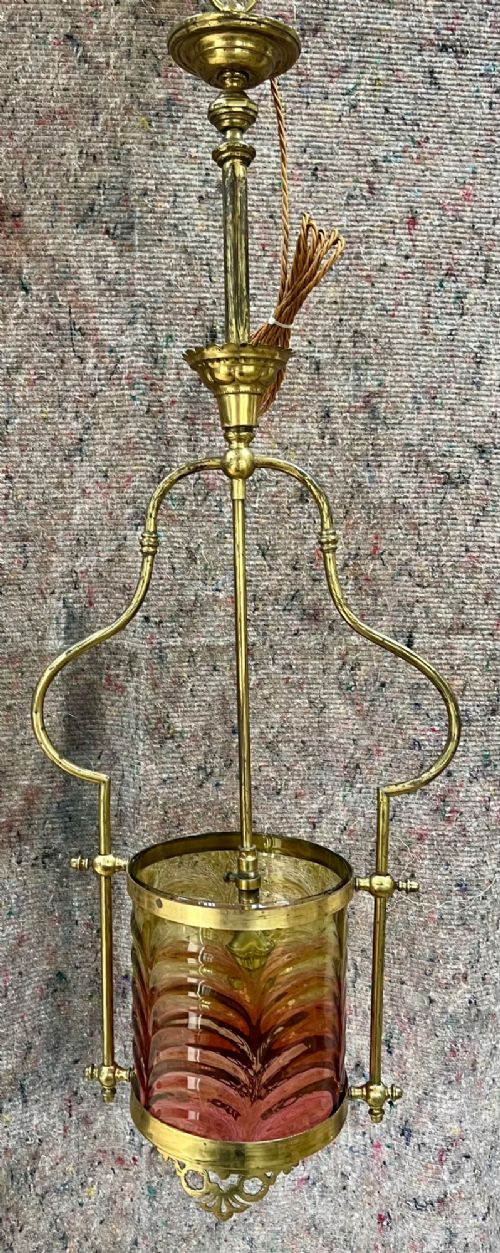
Constructed primarily using brass, bronze, and gilt metal frames, these hanging lights secure panels of glass, crystal, or cut glass. Metal components are cast, forged, or spun, then assembled with mechanical fasteners or soldered joints.
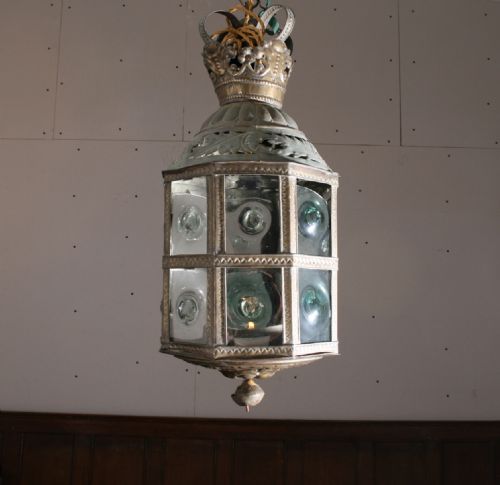
Glass elements include hand-blown bullseye panes, moonstone glass, and bevelled plates fitted tightly into metal frameworks. Chandeliers incorporate crystal lustres and teardrops suspended from wire pins attached to arms and crowns.
Listings span from the 1860s through the 1930s, uniting materials such as brass, bronze, cut glass, and crystal in ceiling-mounted forms.
Evaluating the Pieces
Quality separates through the weight of the metal casting and the precision of the glass cutting or blowing. Heavier brass and bronze frames maintain structural integrity better over time than lighter pressed metal alternatives.
The clarity and depth of the glass panes, especially bevelled or hand-blown examples, define the finer pieces in this range. Crystal components with sharp facets refract light differently than moulded glass pendants with softer edges.
The Traditional Glass Hanging Light Glossary
- Plafonnier
- A ceiling-mounted glass light fixture that sits flush or close to the ceiling surface. These often feature decorative cut glass bowls or domes.
- Hall lantern
- An enclosed hanging light designed specifically for corridors and entranceways. They utilise glass panels mounted within a metal frame to protect the internal candle or bulb.
- Crystal lustre
- A cut or moulded glass pendant hanging from a chandelier. These pieces scatter light across the room when illuminated.
- Bulls eye glass
- Glass formed with a circular centre swirl or thickening left by the glassblowing process. It adds texture and distorts light uniquely.
- Gilt bronze
- Bronze metal treated with a thin layer of gold or gold-coloured wash. This technique provides a durable metallic sheen.
Traditional Glass Hanging Light: Frequently Asked Questions
Where should I hang a hall lantern?
Hall lanterns suit entranceways, stairwells, and narrow corridors where overhead lighting is necessary without taking up floor space.
Ensure adequate clearance beneath the fixture for people to pass underneath comfortably.
How do I date a brass lantern?
Dating relies on stylistic clues like Edwardian proportions, Arts and Crafts simplicity, or Victorian Gothic detailing present in the metalwork.
Construction methods such as cast versus stamped brass also help place the piece within its historical period.
Are these lights compatible with modern wiring?
Most antique hanging lights accommodate modern electrical components and standard bulbs safely.
Professional rewiring is recommended to ensure the internal lamp holders meet current electrical standards.
What is the difference between a chandelier and a pendant?
Chandeliers feature multiple branching arms designed to hold several light sources at once.
Pendants typically consist of a single suspended shade, globe, or lantern hung from a single chain or rod.