




Traditional Gilt Artwork
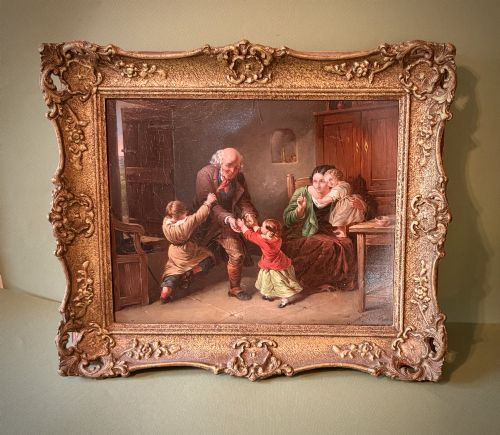
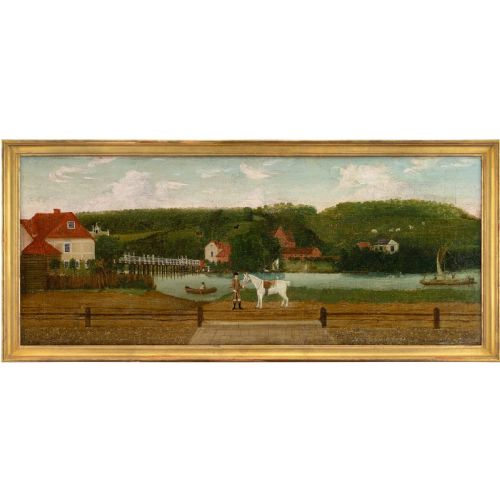
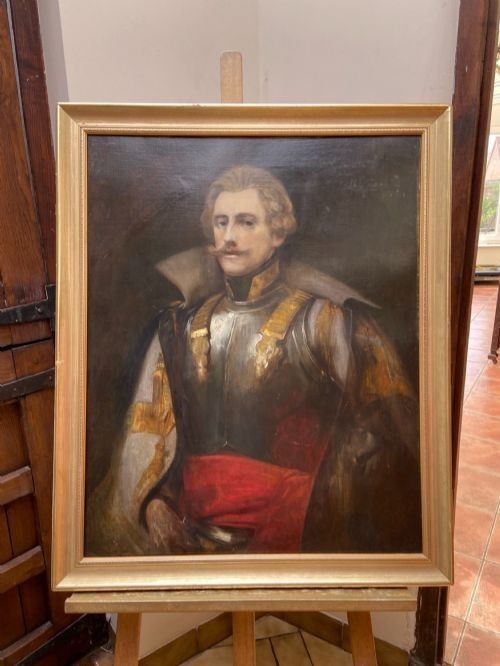
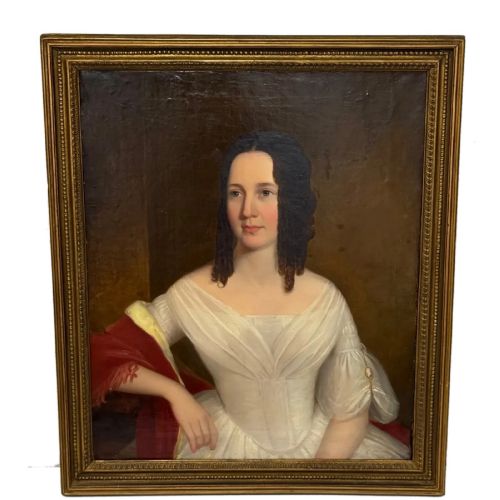
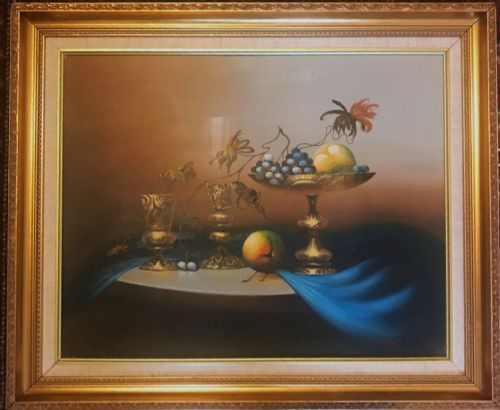
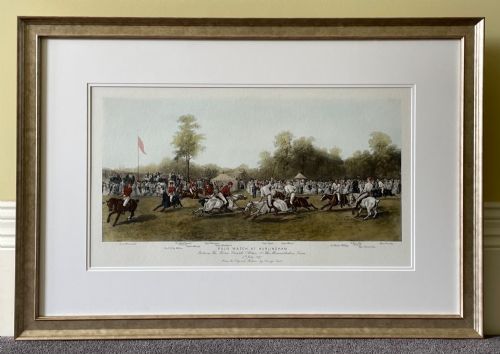
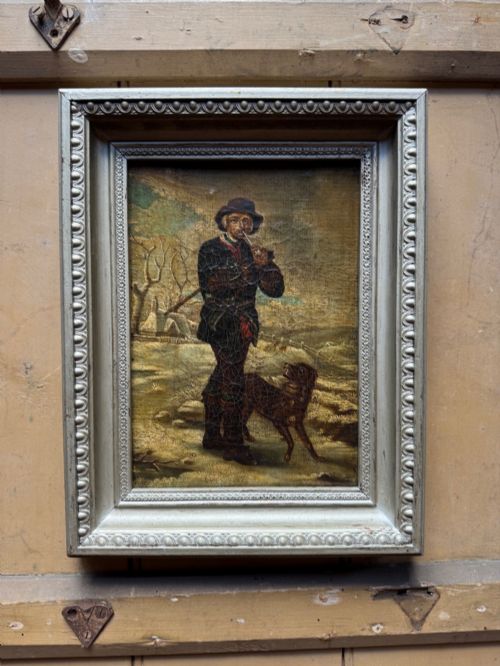
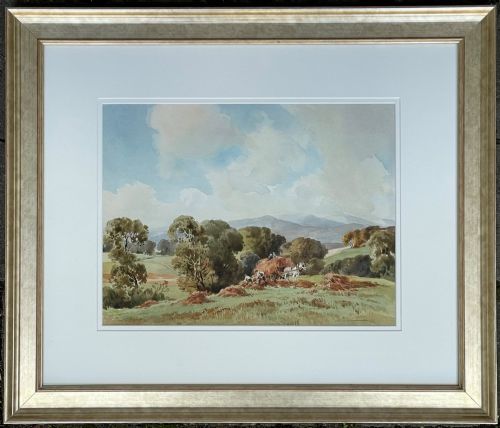
Traditional gilt artwork brings together painted canvases and carved wooden frames finished in gold leaf.
Traditional Gilt Artwork
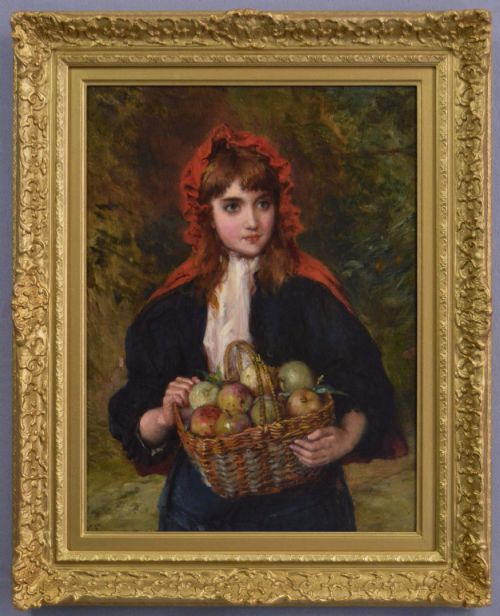
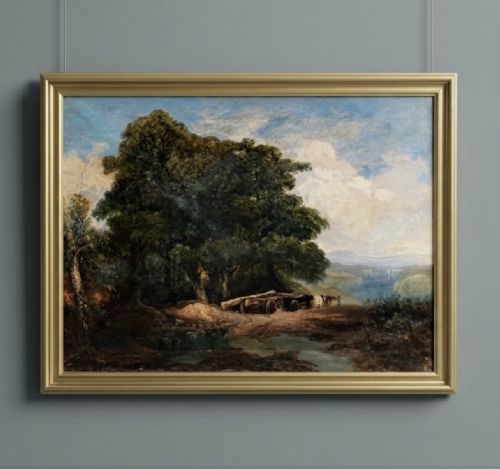
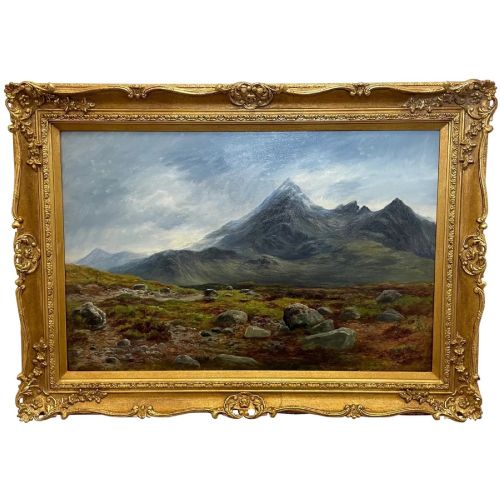
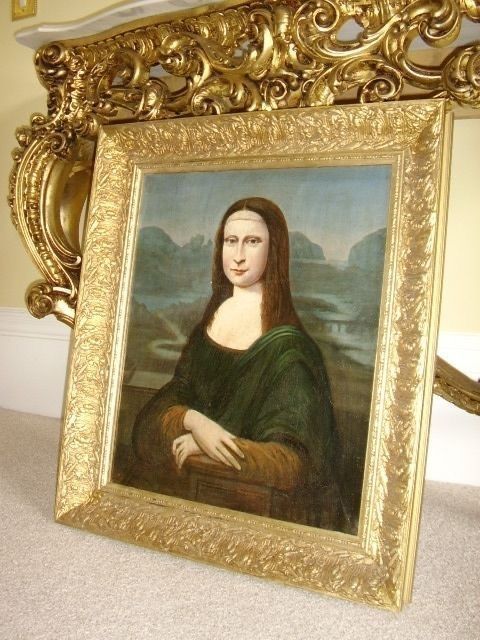
Traditional gilt artwork encompasses oil paintings, watercolours, lithographs and mezzotints housed within decorated golden frames. These pieces span the nineteenth century and into the twentieth, showing portraits, landscapes, marine scenes and still lifes.
Oil on canvas remains the most frequent medium encountered in this selection, often paired with wood panels and paper prints. Subjects range from British rural landscapes and livestock portraits to classical copies and maritime views.
The frames themselves form an integral part of these works, utilising carved wood and applied gesso finished with gold leaf. Victorian and Edwardian examples dominate the selection, alongside pieces from the interwar decades.
Materials and construction
Painters applied oil paint and watercolour onto stretched canvas, prepared wooden panels or paper supports. Pigments were worked by hand to build depth in portraits, seascapes and pastoral scenes.
Frames were constructed from timber, then coated with gesso to create a smooth surface for gilding. Artisans applied thin layers of gold leaf or metallic gilt over the prepared moulding, occasionally working in decorative corner motifs.
Several horses captured in these paintings appear to have spent considerable time posing in damp British fields.
Distinguishing quality in gilt pieces
The skill of the brushwork defines the success of the painted surface, evident in the rendering of light, proportion and detail. Stronger compositions display confident handling of pigment across both figures and backgrounds.
Frame construction also dictates the standing of a piece, separating hand-carved gesso mouldings from simpler later replacements. The integrity of the original gilt surface remains central to the character of the object.
William Oliver·Richard Sebastian Bond·William Beattie-Brown·Jozsef Molnar·James Watson·John Horace Hooper·William McAlpine·Reginald Arthur Borstel·A Marie Parsons·William Joseph Shayer Senior·Alfred Fontville de Breanski Jr·Edward Mills·George Houston·William Banks Fortescue·Thomas Barker of Bath·Thomas W Lascelles·David Bates·Thomas Smythe·Albert Clark
The Traditional Gilt Artwork Glossary
- Gesso
- A plaster mixture applied to wood frames to create a smooth base for gilding. It is carved or moulded before the gold leaf is laid down.
- Giltwood
- Wood that has been coated with gold leaf or a metallic substitute. It provides the bright finish characteristic of traditional framing.
- Mezzotint
- A printmaking process of the intaglio family where the plate is roughened to achieve tones and shades. It allows for subtle gradations of light and dark.
- Lithograph
- A planographic printing method using a stone or metal plate. Artists use this technique to produce multi-coloured prints and reproductions.
Traditional Gilt Artwork: Frequently Asked Questions
What periods do these paintings come from?
The selection spans the nineteenth and twentieth centuries, with particular concentrations in the Victorian and Edwardian eras. Pieces range from early nineteenth-century oils to mid-century works.
Dates are determined by stylistic evidence, artist signatures and framing methods typical of specific decades.
How should I care for a gilt frame?
Gilt frames require gentle maintenance using a soft, dry brush to remove dust from the carved recesses. Avoid water, modern chemical cleaners and abrasive cloths.
Keep pieces away from direct sunlight and damp environments to protect both the canvas and the delicate gesso surface.
Are all the frames original to the art?
Many pieces retain their period frames, showing matching wear and construction techniques appropriate to the date of the canvas. Some items have been reframed or restored over time.
Examination of the rebate and fixings reveals whether the frame and artwork have a shared history.
What subjects are most common?
Landscapes, portraits and marine scenes form the majority of the subjects available. Rural views, livestock and floral still lifes also appear frequently.
These subjects reflect the popular tastes of British and European artists working through the nineteenth and twentieth centuries.