



Traditional French Sofa
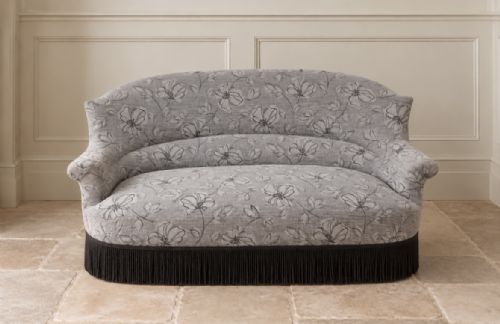
A traditional french sofa brings enduring continental elegance into a room through carved timber frames and plush upholstery.
Traditional French Sofa
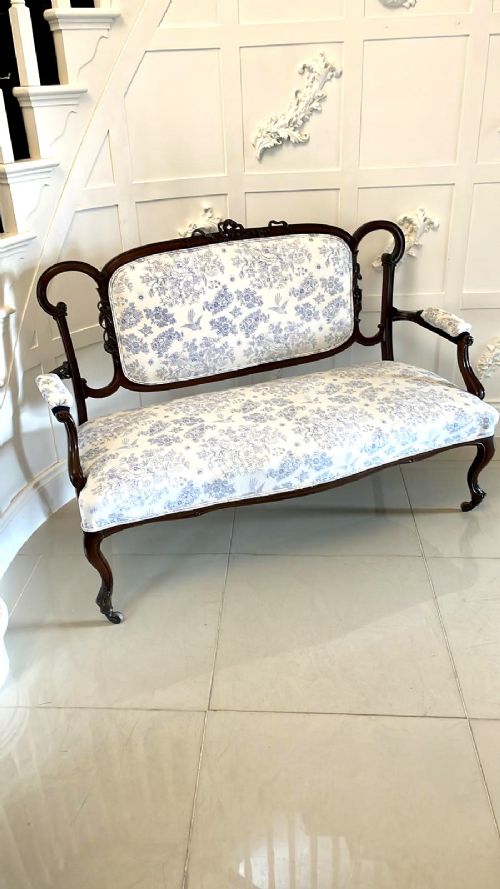
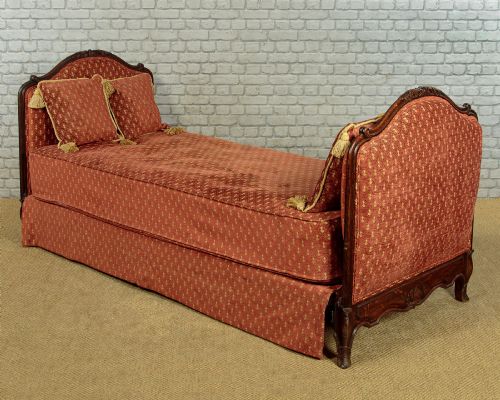
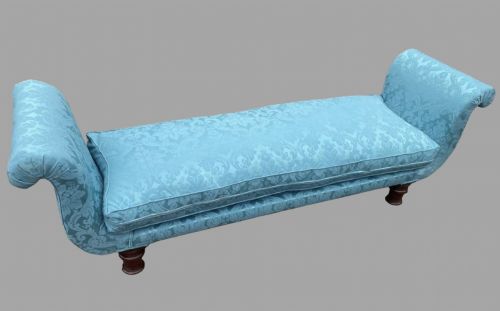
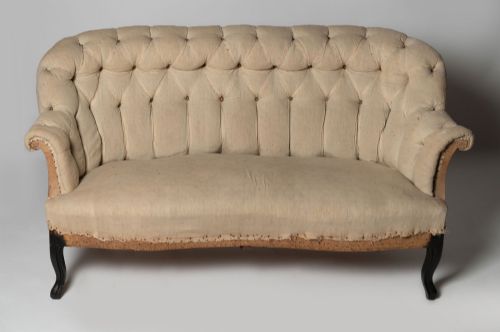
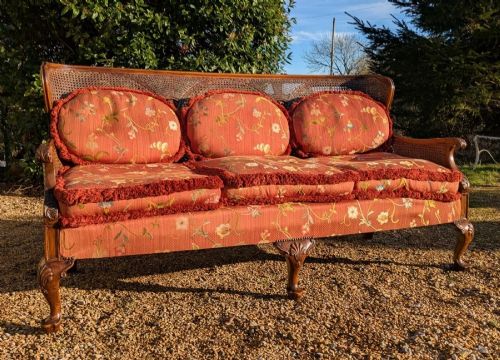
A traditional french sofa encompasses upholstered settees, daybeds, and canapes originating from periods such as the nineteenth century, the Edwardian era, and the nineteen-twenties. These pieces draw on styles like French Provincial, French Country, French Classic, and nineteenth century French Empire, alongside Victorian interpretations.
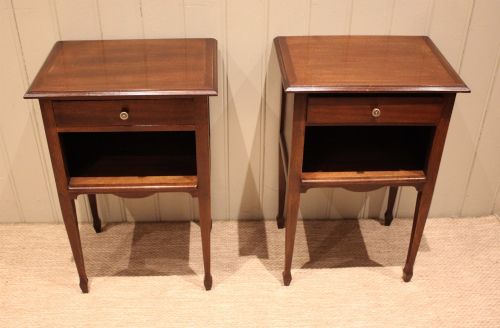
Buyers encounter forms ranging from large reception salon chaises and three-seater sofas to button-backed canapes and bedroom sofas. Many examples are accompanied in the listings by related seating, console tables, bedside tables, and cushion covers utilising antique Belgian linen.
How They Were Made
Makers utilised solid timbers including mahogany, fruitwood, cherrywood, bleached oak, walnut, and burr elm to construct sturdy structural frames. Many of these wooden frames feature detailed carving work.
Upholstery relies on traditional textiles such as velvet, linen, and general upholstery fabric, often accented with buttoning, tassel trims, and feather-filled cushions.
Traditional French Sofa Retail Price Guide 2026
Typical asking prices for traditional french sofa among the pieces listed under this phrase on Sellingantiques today, from the lower quarter to the upper quarter. They describe what is for sale here now, not the wider market.
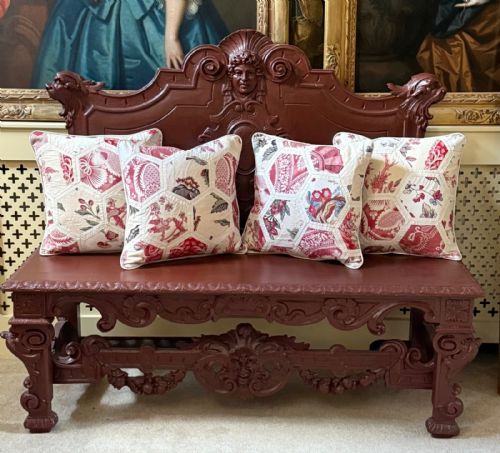
Several pieces arrive paired with eighteenth-century Belgian linen cushion backs, proving that even a scatter cushion can boast an aristocratic heritage.
What Varies in Quality
Quality differences emerge in the execution of the timber frame, distinguishing plain wood construction from deeply carved walnut or mahogany structures. The depth of hand-carved detail and the choice of primary wood dictate the foundational grade of the piece.
The standard of upholstery materials and padding further separates examples, particularly where luxury textiles like velvet and buttoned detailing are employed alongside feather inners.
The Traditional French Sofa Glossary
- Canape
- An ornamental settee or sofa featuring an exposed wooden frame and upholstered seat and back.
- Bergere
- An enclosed upholstered armchair or sofa with wooden framing, often incorporating exposed timber and loose cushions.
- Chaise Longue
- An elongated upholstered chair designed for reclining, functioning as a hybrid between a chair and a couch.
- Lit Bateau
- A boat bed characterised by scrolled head and footboards of equal height, occasionally adapted as a daybed.
Traditional French Sofa: Frequently Asked Questions
What defines a traditional french sofa?
A traditional french sofa is an upholstered seating piece reflecting historical continental designs from the nineteenth and early twentieth centuries. These items typically combine exposed carved wooden frames with fabrics such as velvet or linen.
The aesthetic draws heavily on regional styles like French Provincial, French Country, and French Empire. They range from formal reception salon chaises to intimate bedroom settees.
How do I clean antique upholstery fabric?
Cleaning antique upholstery fabric requires gentle methods to preserve delicate nineteenth-century textiles and velvet piles. Professional textile cleaning is generally recommended for older materials.
Regular light brushing or vacuuming with a low-suction attachment helps remove surface dust without damaging the underlying structure or stuffing.
Are these sofas suitable for daily sitting?
Many of these pieces are built on robust mahogany, walnut, or fruitwood frames capable of supporting regular use. The inclusion of feather cushions and sturdy upholstery provides comfortable everyday seating.
Consider the age and structural integrity of individual pieces when selecting them for high-traffic living spaces versus formal rooms.
How can I date a wooden sofa frame?
Dating a wooden sofa frame involves examining the primary timber used, such as mahogany, fruitwood, or bleached oak, alongside the carving style. Stylistic markers from periods like Victorian, Edwardian, or Art Deco offer clear chronological clues.
Joinery techniques and the presence of original upholstery tacks or webbing also provide helpful indicators of age.