


Traditional French Oil Painting
Traditional french oil painting spans centuries of canvas and panel works, offering buyers rich portraits, landscapes, and still lifes.
Traditional French Oil Painting
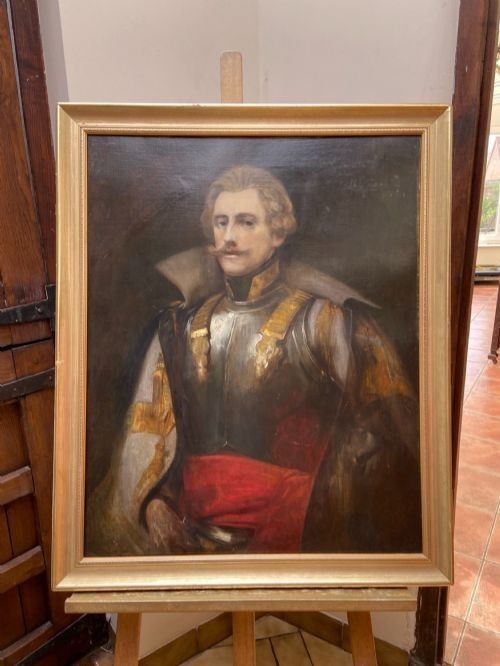
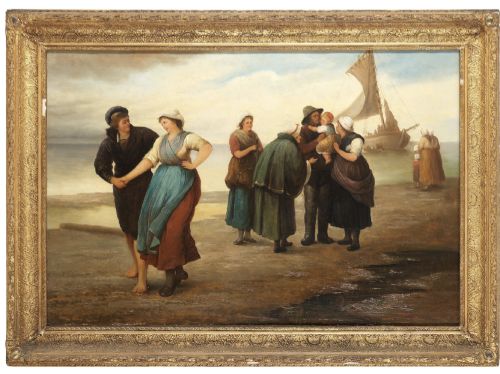
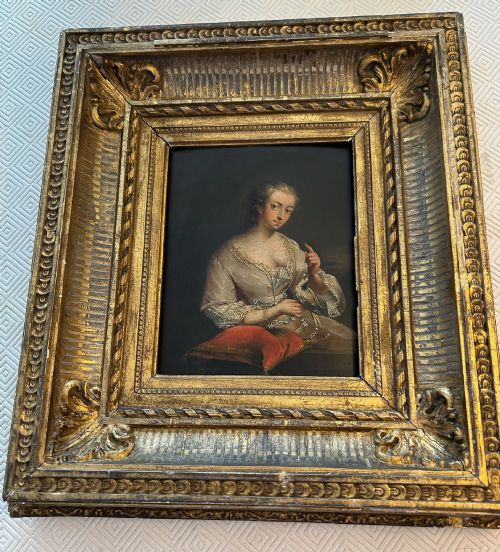
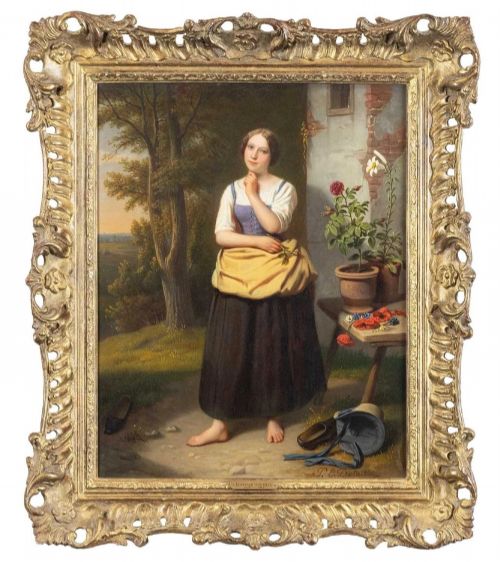
A traditional french oil painting brings domestic interiors and gallery spaces historical depth through diverse subjects like portraits, landscapes, and coastal townscapes. Buyers seeking traditional french oil painting encounter works ranging from eighteenth-century aristocratic portraits to mid-twentieth-century harbour scenes and still lifes of roses in vases.
The nineteenth century dominates the selection, yielding impressionist landscapes, equestrian scenes, and genre studies created by regional schools and named artists. These paintings span canvas, wood panels, and giltwood framing, reflecting the shifting aesthetic currents of French realism, post-impressionism, and rococo influence.
Materials and construction
Painters applied oil paint directly onto stretched canvas or wooden panels, utilising gesso layers to prepare rigid grounds where necessary. Giltwood frames frequently house these compositions, adding ornamental borders suited to domestic display.
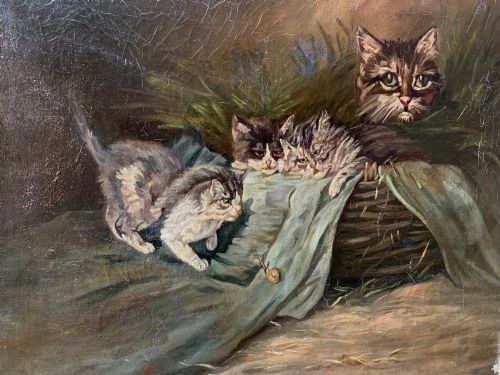
Brushwork varies from tight, detailed academic precision seen in portraits to looser, expressive marks characteristic of impressionist landscapes and coastal townscapes.
Materials across these listings include oil paint, canvas, wood, gesso, and giltwood frames.
Distinctions in quality
Quality rests upon the confidence of the brushwork, the proportion of the composition, and the handling of light within the scene. Superior works display a deliberate command of pigment that brings depth to figures, foliage, and water.
Condition of the canvas, stability of the oil paint, and the preservation of original or period-appropriate frames distinguish exceptional survivals from compromised examples.
Alexandre Le Bihan·Marc Aldine·Fernand Jean Barbier·Pierre Louis Joseph De Coninck·Edward Henry Holder·Pauline Delacroix Garnier·Charles Edmond Rene His·Jules Felix Ragot
The Traditional French Oil Painting Glossary
- Canvas
- A heavy woven fabric stretched across a wooden frame to serve as a support for oil paint. It provides a flexible yet durable ground for centuries of European fine art.
- Gesso
- A plaster mixture applied to wood panels or canvases to prepare a smooth surface for painting. This ground seals the support and receives the oil layers.
- Giltwood
- Wood carved and coated with a thin layer of gold leaf. Frames executed in this technique surround many traditional paintings.
- Impressionism
- A nineteenth-century painting style prioritising visible brushstrokes and the shifting effects of light. Practitioners captured outdoor scenes and contemporary life directly.
- Panel
- A flat piece of wood used as a rigid support for oil painting instead of woven fabric. Panels appear frequently in earlier works.
Traditional French Oil Painting: Frequently Asked Questions
What periods do these paintings cover?
The selection spans from the eighteenth century through the nineteenth century and into the mid-twentieth century.
Works reflect changing artistic movements including rococo, realism, impressionism, and post-impressionism.
What subjects appear most often?
Portraits of officers, gentlemen, and young women form a substantial portion of the available artwork.
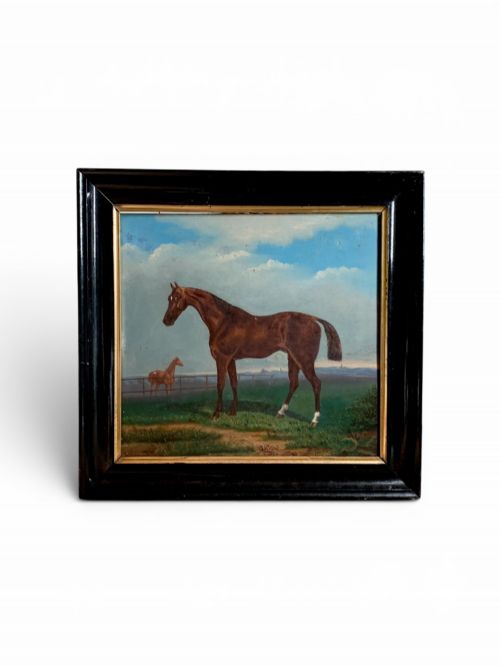
Landscapes, equestrian scenes, floral still lifes, and coastal townscapes also appear frequently across the listings.
Are the paintings framed?
Many pieces retain framing, including giltwood structures that complement the period of the artwork.
Frames add architectural presence and protect the edges of the canvas or panel.
How do I care for an oil painting?
Keep paintings away from direct sunlight and sources of extreme heat or humidity to protect the canvas and oil paint.
Dust surfaces gently with a soft, dry cloth without applying liquid cleaners.