


Traditional Framed Prints
Traditional framed prints bring historic artwork and graphic imagery into domestic spaces within protective borders of wood and glass.
Traditional Framed Prints
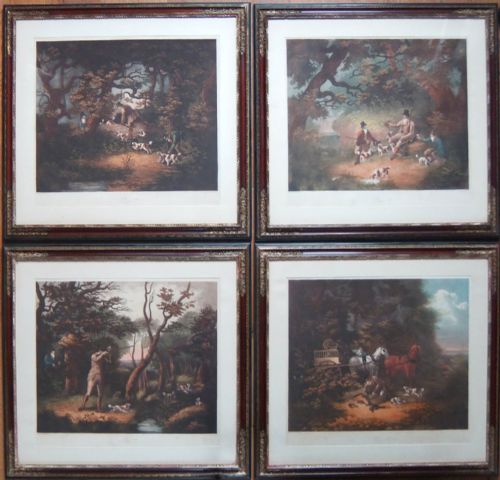
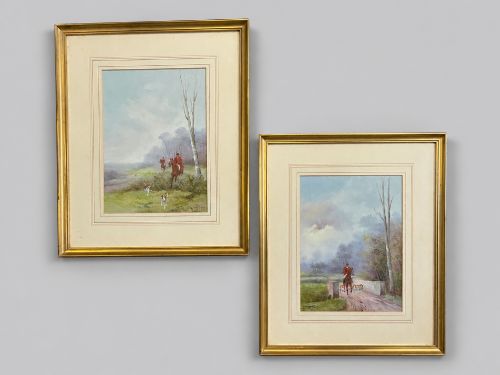
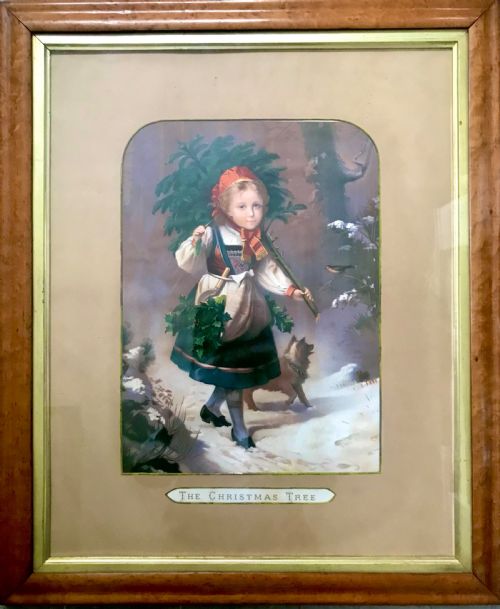
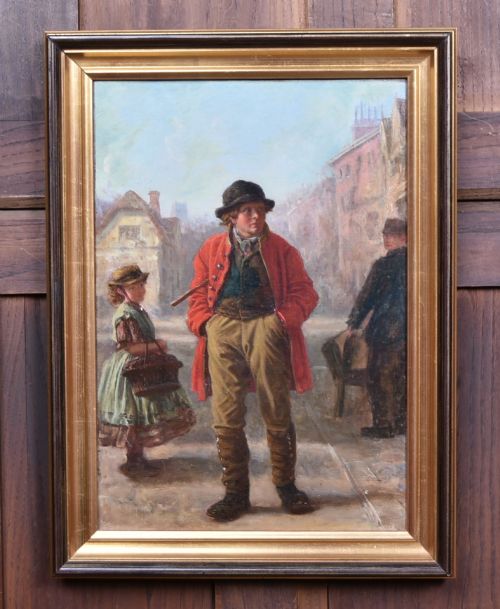
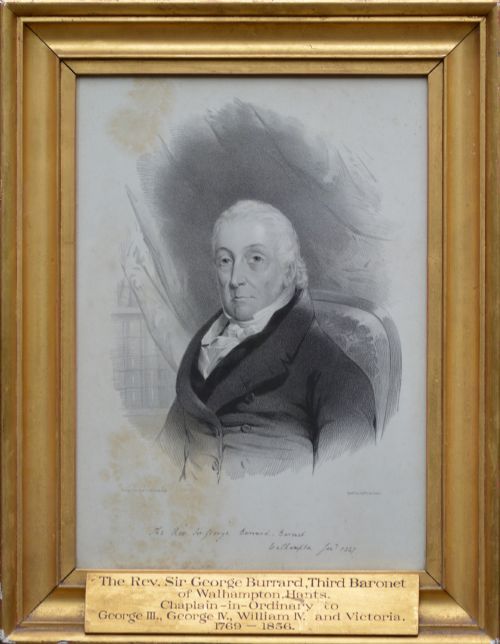
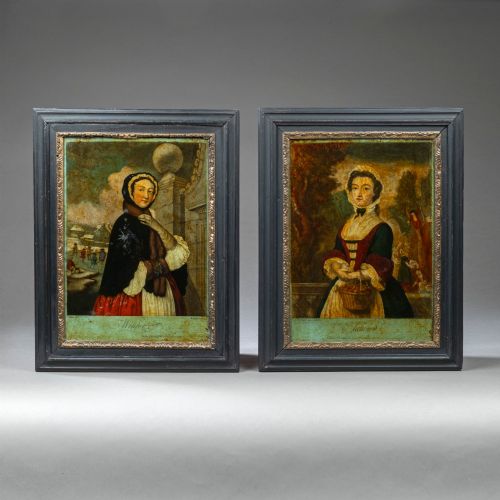
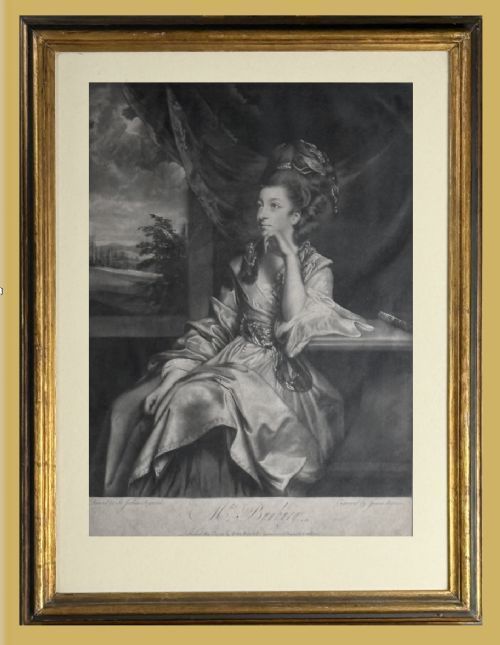
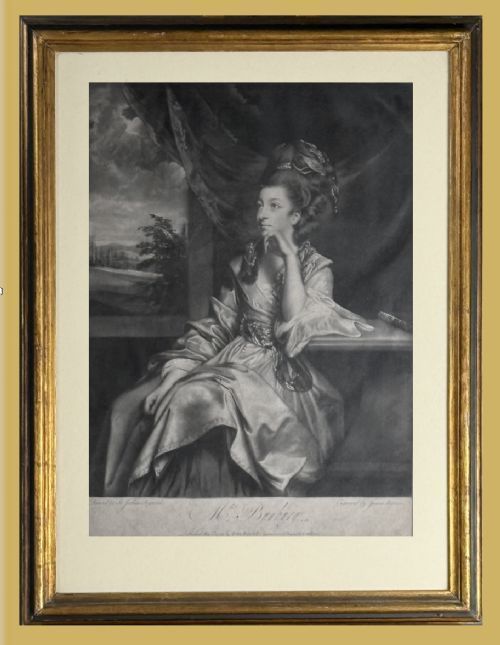
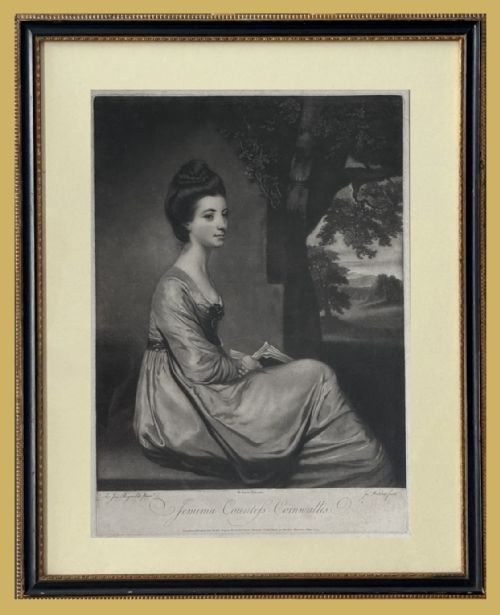
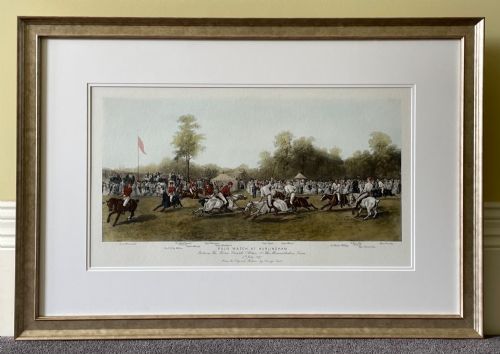
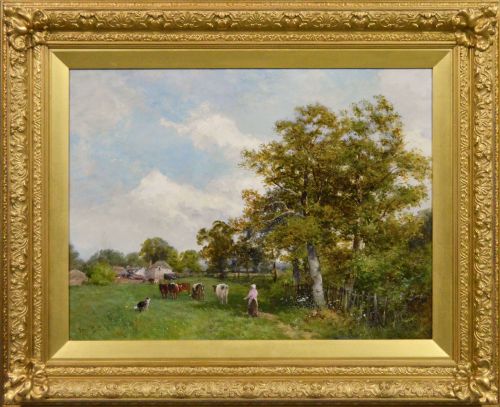
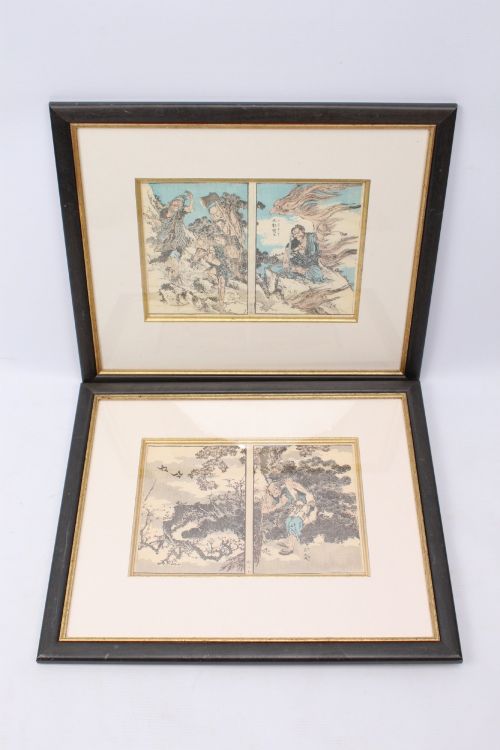
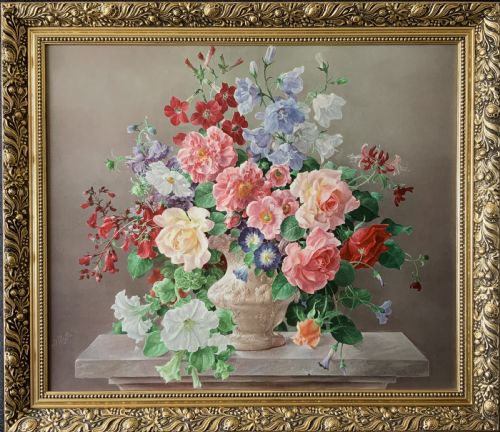
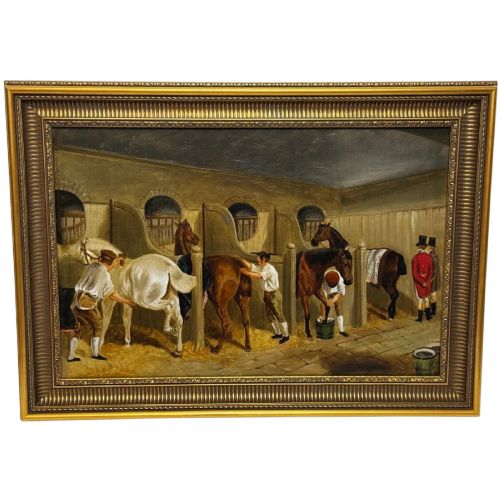
Traditional framed prints encompass wall art produced through techniques such as lithography, mezzotint engraving, and woodblock printing, alongside oil paintings and watercolours. These pieces frequently draw upon 19th-century and earlier aesthetic traditions, spanning sporting subjects, portraiture, landscapes, and floral still lifes.
Buyers encountering this selection will find examples originating across the Victorian, Edwardian, and mid-20th-century eras, often presented in period surrounds. The assortment bridges domestic decorative works and formal art prints from British, European, and Japanese traditions.
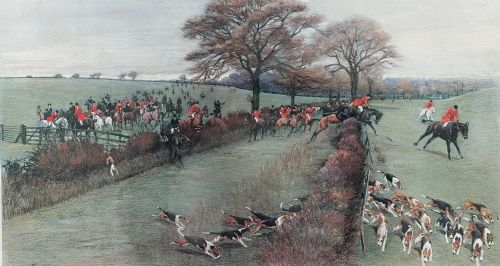
Subjects range from equestrian scenes and hunting gatherings to classical portraiture and Far Eastern woodblock works. Each piece preserves historical imagery within physical formats designed for wall display.
Materials and Construction
These works rely on paper, canvas, and ink housed behind glass and mounted within timber frames. Frames frequently incorporate gilt finishes or solid oak constructions.
Printmaking methods include lithography, hand-coloured engravings, mezzotints, and Japanese woodblock carving. Painters utilised oil and watercolour on canvas or paper support layers.
Traditional Framed Prints Retail Price Guide 2026
Typical asking prices for traditional framed prints among the pieces listed under this phrase on Sellingantiques today, from the lower quarter to the upper quarter. They describe what is for sale here now, not the wider market.
Several Victorian sporting prints capture foxes outwitting hounds with expressions that suggest they find the entire chase rather amusing.
Distinctions in Quality
Quality rests upon the clarity of the print impression, the crispness of ink application, and the preservation of the paper or canvas substrate. Early impressions struck from plates or blocks before wear occur display greater detail than later reproductions.
The integrity and period appropriateness of the surrounding frame contribute to the overall standard of the piece. Hand-carved and gilded wooden frames display distinct craftsmanship compared to later mass-produced surrounds.
James Watson·Sir Joshua Reynolds·David Bates·John Alfred Wheeler·Charles Faulkner
The Traditional Framed Prints Glossary
- Mezzotint
- A printmaking process of the intaglio family where the plate is roughened to produce dark tones and scraped to create light areas. This technique allows for rich tonal variations and smooth gradations.
- Lithography
- A planographic printing method based on the mutual repulsion of oil and water. Artists draw directly onto a stone or metal plate to produce multiple impressions.
- Woodblock
- A relief printing technique where an image is carved into a block of wood, leaving the printing parts elevated. This method originated extensively in Japanese Ukiyo-e traditions.
- Oleograph
- A mechanical print textured to imitate an oil painting, frequently produced during the 19th and mid-20th centuries. These items apply lithographic ink onto canvas surfaces.
- Engraving
- A method of incising a design onto a hard surface, traditionally metal plates, by cutting grooves with a burin. The resulting lines hold ink for transfer under pressure.
Traditional Framed Prints: Frequently Asked Questions
How are traditional framed prints dated?
Dating relies on stylistic markers within the imagery, the publishing dates recorded in the margins, and the physical composition of the backing and frame. Paper characteristics and printing technology also offer chronological clues.
Examinations of plate marks and signature styles help separate original period print runs from later commemorative editions or mid-20th-century decorative reproductions.
Where should these prints be hung?
These works suit study rooms, hallways, and living spaces where natural sunlight remains indirect to protect the pigments. Stable indoor humidity prevents warping in the wooden frames.
Traditional subjects pair effectively with period interiors, libraries, and heritage decor schemes that complement their historical origins.
What is the difference between an engraving and a lithograph?
Engravings involve cutting lines into a metal plate to hold ink under high pressure, producing sharp and precise linear details. Lithography relies on chemical reactions on a flat stone or plate surface to transfer broader tonal ranges.
Under magnification, engravings show ink resting inside indented grooves, while lithographic ink sits flush across the porous printing surface.
How do I care for antique framed art?
Maintenance requires keeping the pieces away from direct heat sources and damp environments to protect both the paper and the timber frame. Dusting should occur with a soft, dry cloth without applying liquid cleaners directly to the glass or gilt surfaces.
Checking the rear backing paper and hanging cord periodically ensures the physical security of the artwork within its original housing.