


Traditional Food Cupboard
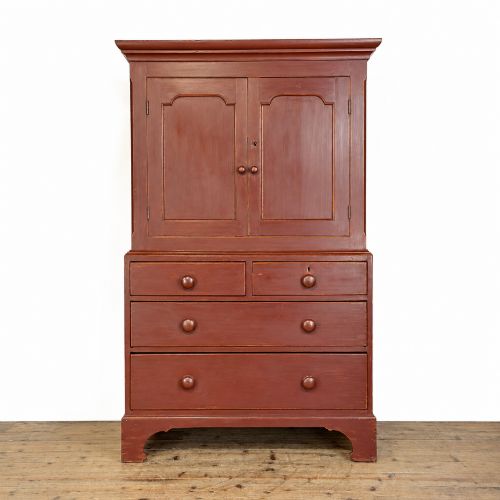
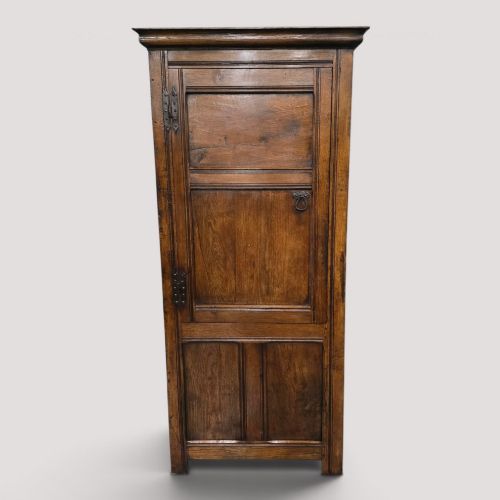
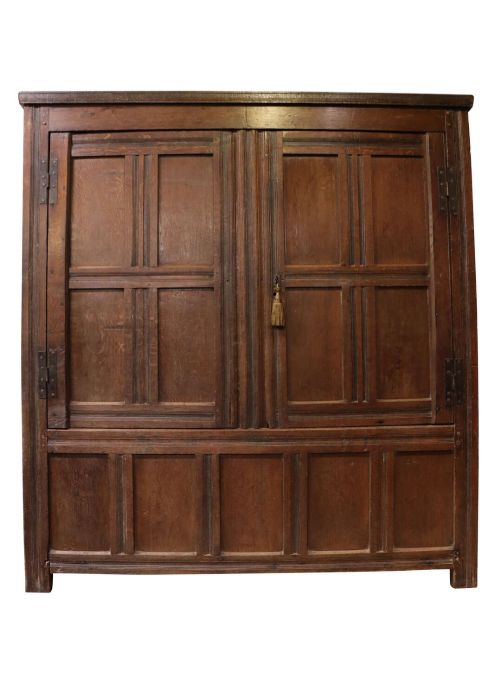
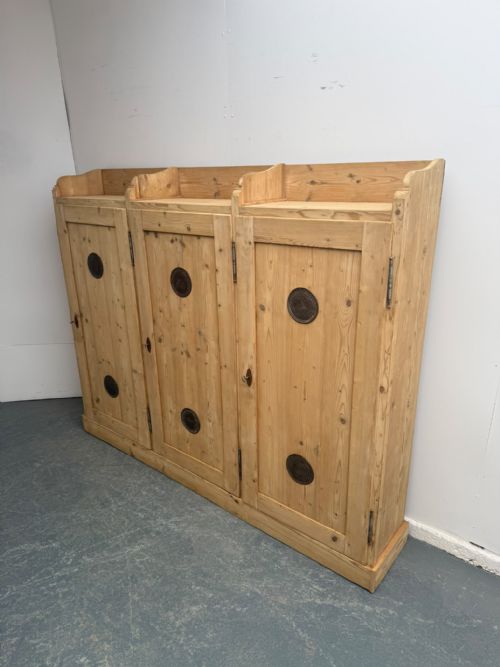
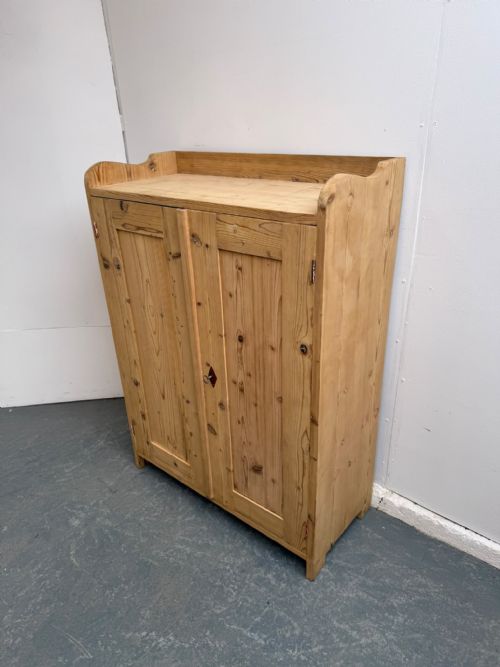
A traditional food cupboard stores provisions in timber, ranging from 17th-century oak court cupboards to 19th-century pine larder and bread-and-cheese pieces.
Traditional Food Cupboard
A traditional food cupboard encompasses storage furniture built to hold provisions, kitchenware, and linens across centuries of domestic life. When searching for a traditional food cupboard, buyers encounter regional British vernacular forms alongside continental examples.
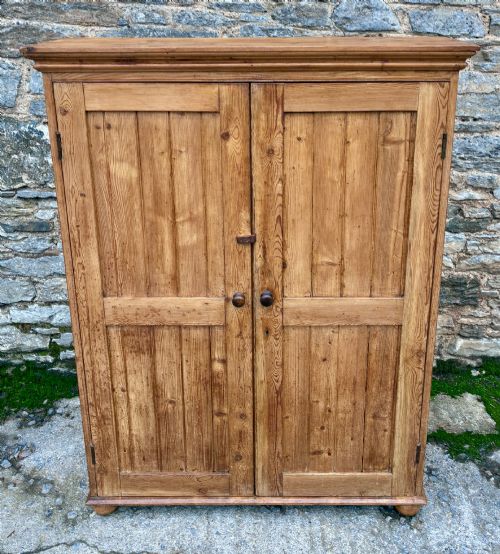
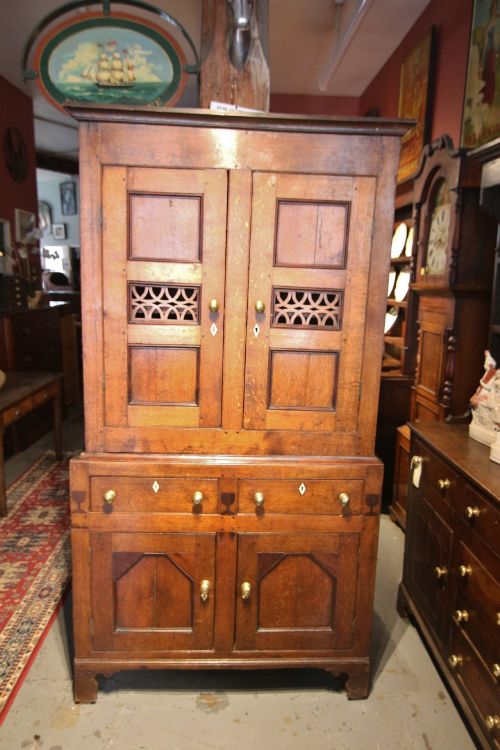
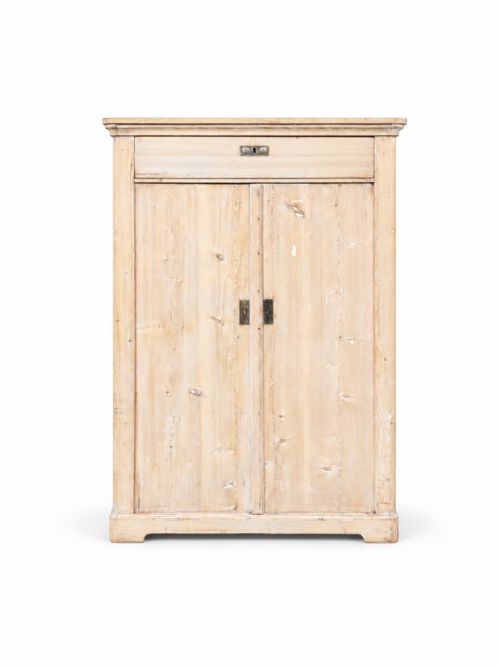
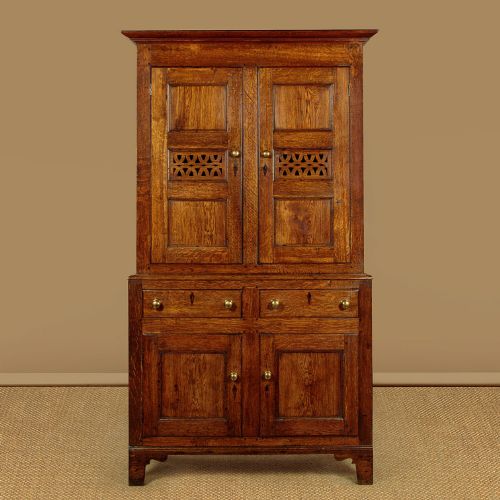
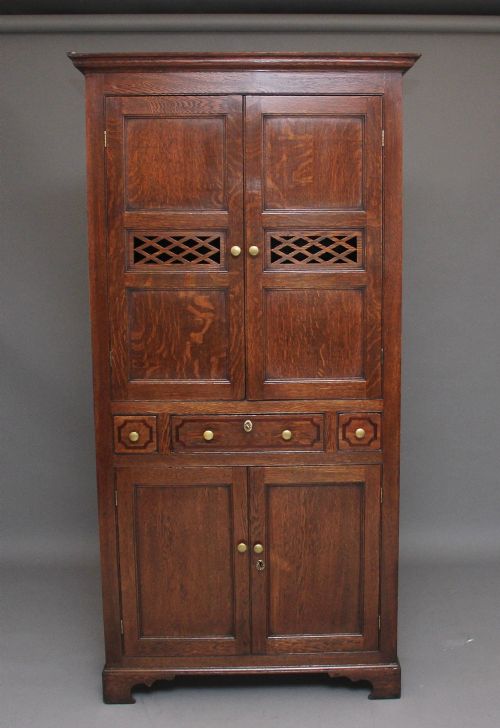
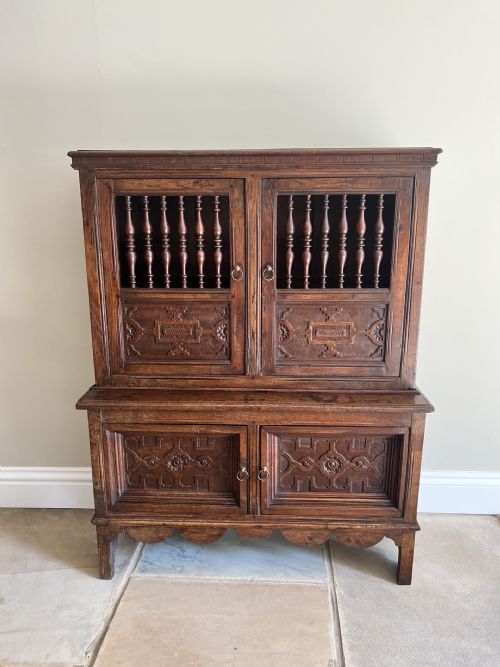
The evidence spans heavy 17th-century oak court and vestment cupboards, Georgian and 18th-century Welsh pieces like the cwpwrdd tridarn or bread and cheese cupboard, and functional 19th-century pine housekeepers cupboards. These items served as the primary storage units in domestic kitchens and halls before fitted cabinetry.
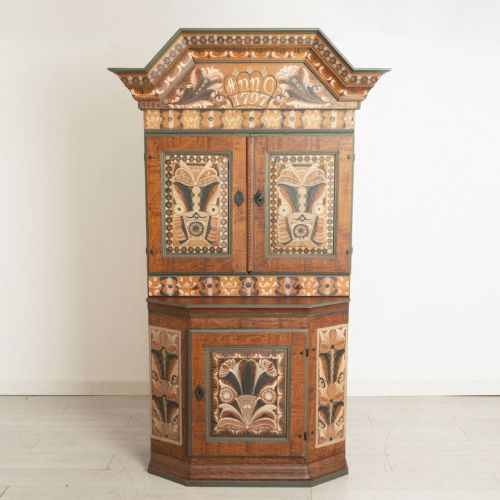
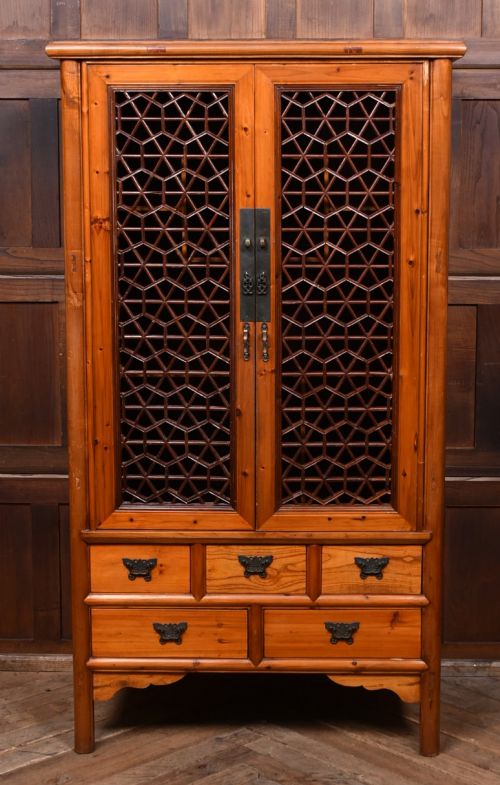
Regional styles include Welsh vernacular, French provincial, Scandinavian country, and folk art painted finishes. The selection here reflects this utility, offering solid timber construction designed to ventilate or secure provisions.
Materials and construction
Makers relied primarily on native hardwoods and softwoods, predominantly oak and pine, supplemented by elm and walnut. Joinery techniques such as framing, paneling, and pegged joints ensured stability in heavy pieces like court cupboards and press cupboards.
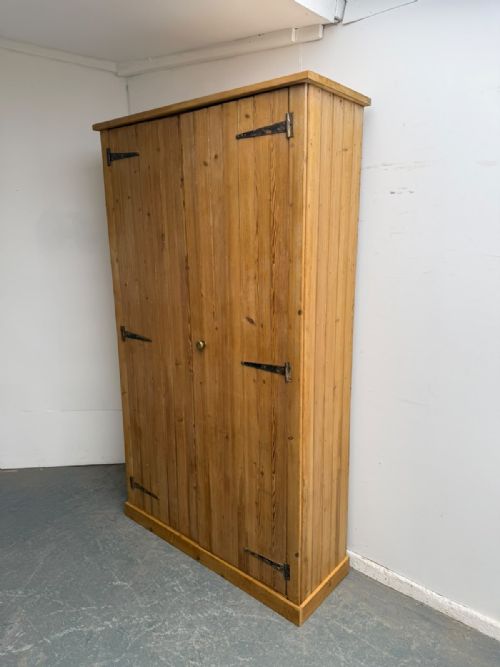
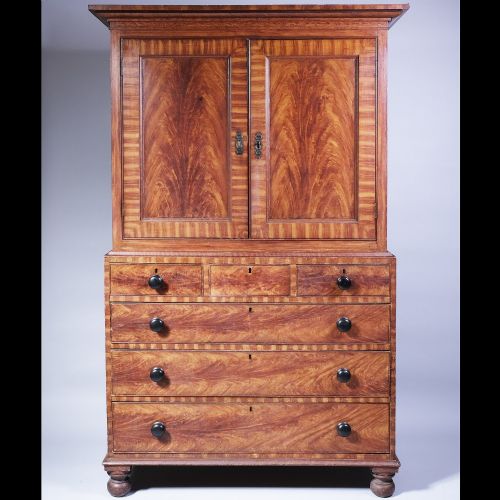
Surfaces received various treatments depending on the region and period, from waxed plain oak to painted finishes, scumble paint, and folk art decoration. Iron and wrought iron hinges, alongside brass fittings, secured heavy doors on larder cupboards and food safes.
Traditional Food Cupboard Retail Price Guide 2026
Typical asking prices for traditional food cupboard among the pieces listed under this phrase on Sellingantiques today, from the lower quarter to the upper quarter. They describe what is for sale here now, not the wider market.
Listings feature oak and pine predominantly, spanning the 17th century through to 1910 in various regional styles.
Assessing the craftsmanship
Quality rests in the integrity of the timber selection and the retention of original surface treatments, whether natural oak patina or historic paint. Pieces retaining their original wrought iron hardware and interior shelving exhibit superior authenticity.
Proportion and regional vernacular detailing differentiate standard utility items from finer formal examples like Georgian carved cupboards or multi-tiered Welsh pieces. The precision of the joinery in panelled doors and the retention of period backboards define the better specimens.
The Traditional Food Cupboard Glossary
- Court cupboard
- A traditional open or enclosed two-tier cupboard used for displaying plate and storing provisions. These sturdy pieces date frequently to the 17th and 18th centuries.
- Bread and cheese cupboard
- A regional storage piece featuring ventilated panels or pierced woodwork designed to keep dairy and baked goods fresh. They are closely associated with Welsh vernacular furniture.
- Housekeeper's cupboard
- A large storage cabinet, usually in pine or oak, featuring upper shelving and lower drawers or cupboards for linens and provisions. They originated in large country houses.
- Cwpwrdd tridarn
- A traditional Welsh three-tier cupboard built in oak, providing substantial enclosed storage and display space. These date back to the 18th century and earlier.
- Scumble paint
- A decorative paint technique applied to simulate the grain of more expensive timbers or to create patterned surfaces on pine furniture. It appears frequently on 19th-century pieces.
Traditional Food Cupboard: Frequently Asked Questions
What is a bread and cheese cupboard?
A bread and cheese cupboard is a traditional food storage piece featuring ventilated sections to keep provisions cool and fresh. They are particularly associated with Welsh vernacular cabinet making.
These pieces utilised pierced panels or slats rather than solid doors to allow air circulation before refrigeration existed.
How do I identify a court cupboard?
A court cupboard is a heavy, multi-tiered timber cabinet usually constructed in oak during the 17th or 18th centuries. They often feature recessed upper sections supported by turned columns.
Historically used for displaying wealth and storing food or tableware, their joined panel construction marks them out as significant vernacular furniture.
Where were housekeepers cupboards used?
Housekeepers cupboards stood in the service rooms of large country houses and farmhouses to store household linens, dry goods, and provisions. Their large scale reflects the organizational needs of large domestic staffs.
Today, they adapt well to modern kitchens and utility rooms as pantry storage.
Are these cupboards made of solid wood?
Yes, traditional food cupboards use solid timbers such as oak, pine, elm, and walnut rather than modern manufactured boards. Construction relies on traditional joinery methods like pegged mortise and tenon joints.
This solid construction accounts for their survival over centuries of domestic use.