



Traditional Floral Study
A traditional floral study brings botanical life and rich colour to your walls, capturing blooms in oil paint and watercolour across several centuries.
Traditional Floral Study
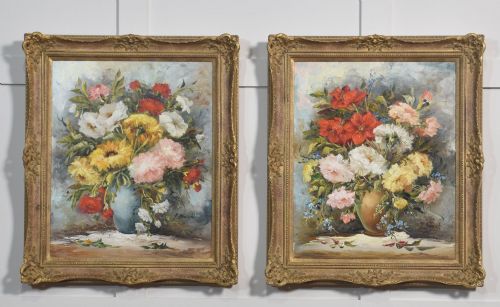
A traditional floral study encompasses framed paintings, oil works and watercolours depicting botanical subjects, flowers and still life arrangements. These pieces range from delicate depictions on silk to robust compositions on canvas.
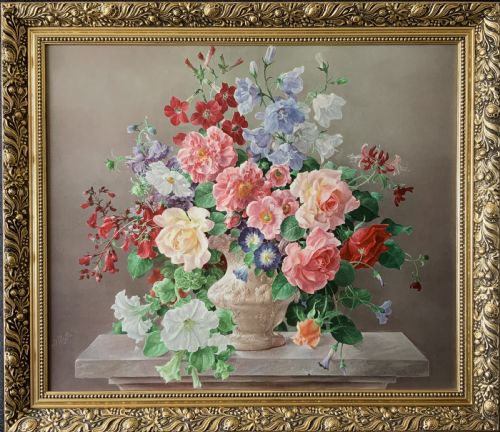
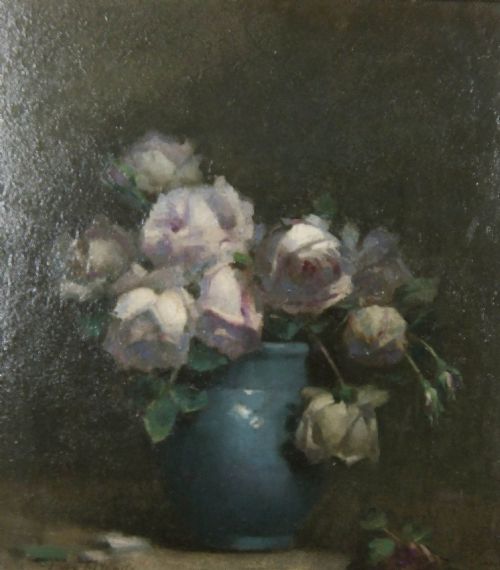
The selection on this page draws heavily from Victorian and early twentieth-century works, alongside Georgian and eighteenth-century examples. You will frequently encounter oil paintings and watercolours signed by period artists focusing on roses, anemones and summer blooms.
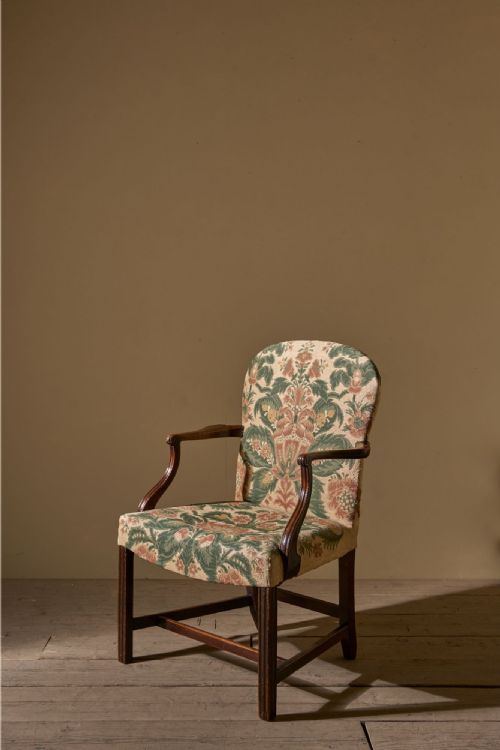
Beyond wall art, the broader evidence reveals desks, armchairs and seating associated with study spaces, though the core of this phrase remains botanical painting. These artworks capture the enduring appeal of natural subjects rendered through classical artistic traditions.
How they were made
Artists utilised oil paint on canvas or watercolour on paper to build depth and luminosity in these floral compositions. Wooden frames often incorporated gesso and gilt finishes to complement the artwork.
Support materials range from traditional canvas to delicate silk, particularly in Chinese export pieces. Hand-carved mahogany and oak form the physical structure of associated study furniture.
Traditional Floral Study Retail Price Guide 2026
Typical asking prices for traditional floral study among the pieces listed under this phrase on Sellingantiques today, from the lower quarter to the upper quarter. They describe what is for sale here now, not the wider market.
White spider lilies and butterflies share canvas space alongside roses, anemones, azaleas and morning glories.
What varies in quality
Quality rests in the precision of the brushwork and the naturalism of the floral arrangement. Masterful handling of light and shadow distinguishes superior paintings from simpler decorative prints.
The choice of framing, the condition of the canvas and the reputation of the artist elevate certain pieces above standard decorative works.
Manuela Bonati·William Thomas Wood·L Wilford·Charlotte Isa James·Margaret Evangeline Wilson·Owen Bowen·Kershaw Schofield·Minnie Smythe
The Traditional Floral Study Glossary
- Oleograph
- A mechanical print textured to imitate an oil painting. These prints replicate traditional subjects using lithographic inks.
- Gouache
- An opaque water-based paint that produces vibrant, matte colours. It often appears on silk or paper in botanical illustrations.
- Gesso
- A plaster-like mixture applied to wood surfaces as a base for gilding or painting. It provides a smooth ground for decorative frames.
- Still life
- An artwork depicting inanimate subject matter, typically everyday objects or natural specimens like flowers. These compositions allow artists to explore light and form.
Traditional Floral Study: Frequently Asked Questions
How do I hang a floral study?
Choose a wall with balanced natural light to showcase the colours in the oil paint or watercolour without causing fading. Ensure the frame is secured safely to support the weight of the canvas and wooden backing.
Pair smaller miniature paintings together to create a focal point, or let a larger oil painting stand alone above a desk or seating area.
What periods do these paintings come from?
The pieces span from the eighteenth century through the Victorian era up to post-war vintage works from nineteen-sixty. Each period brings distinct framing styles and painting techniques to the botanical subject matter.
Nineteenth-century works often feature rich oil on canvas, while earlier pieces explore delicate watercolours and gouache on silk.
How should I clean my painting?
Dust frames gently with a dry, soft cloth and avoid using liquid cleaners on the canvas or paper surface. Professional conservators should handle any deep cleaning of oil paintings or fragile watercolours.
Keep pieces away from direct sunlight and damp environments to preserve the integrity of the paint and wood.
Are these works signed by the artists?
Many of the oil paintings and watercolours feature visible signatures or attribution to period artists and painters. Signatures help historians trace the provenance and creation date of the artwork.
Unsigned decorative studies still reflect the stylistic conventions and techniques of their respective centuries.