





Traditional Floral Runner Rug
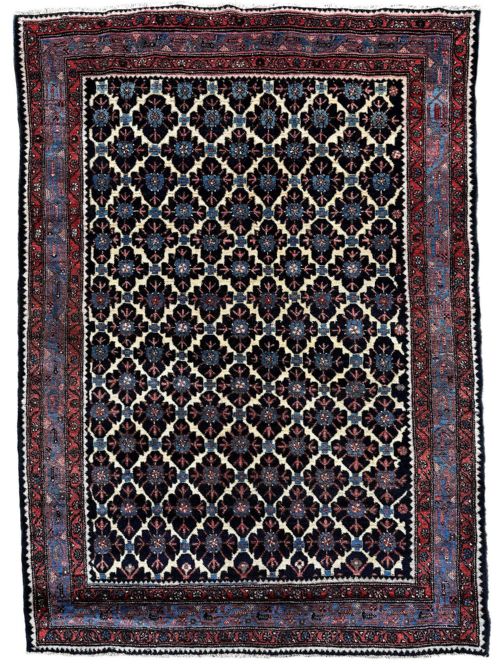
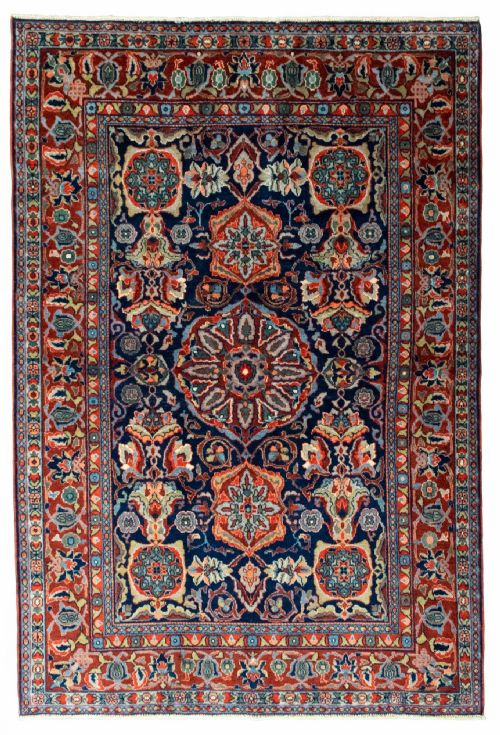
A traditional floral runner rug brings centuries of woven history and intricate botanical motifs straight to your hallway or narrow space.
Traditional Floral Runner Rug
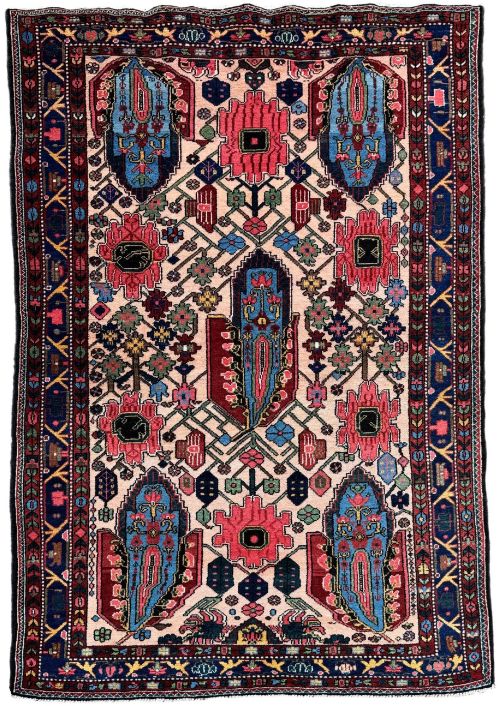
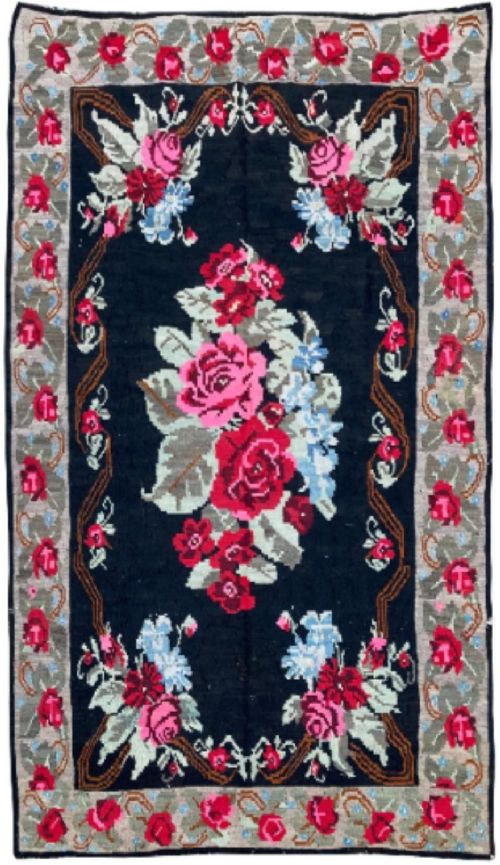
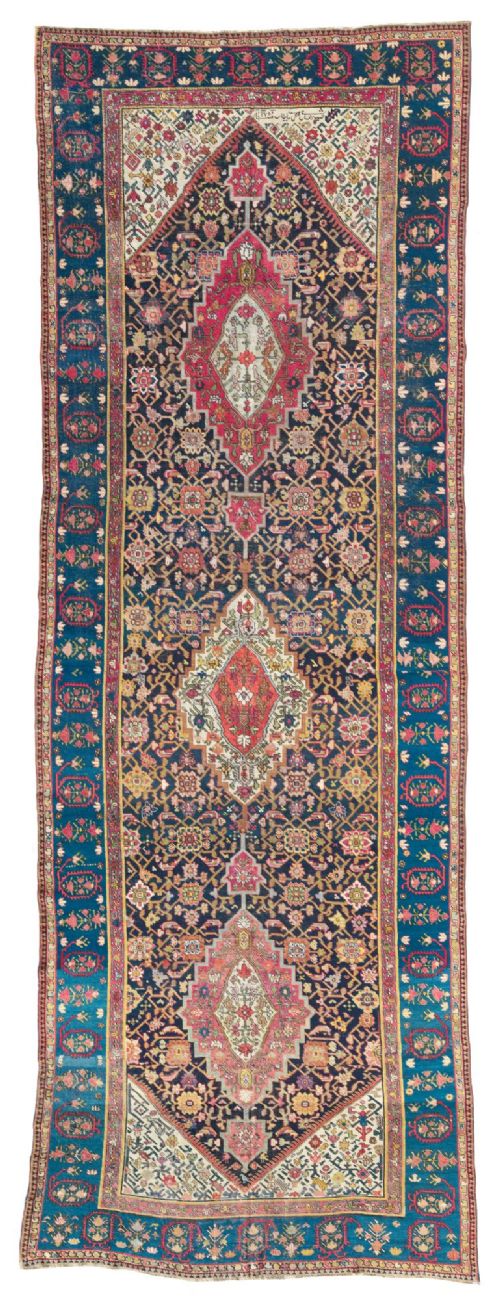
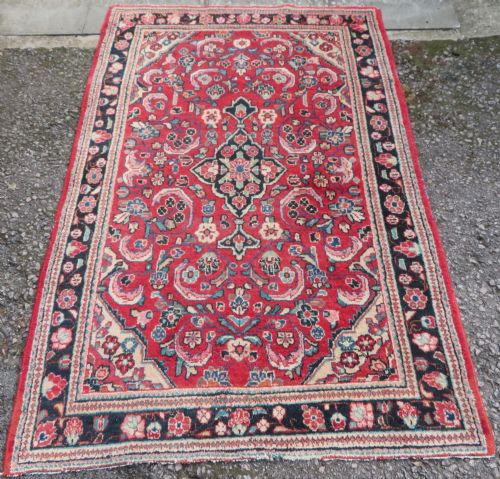
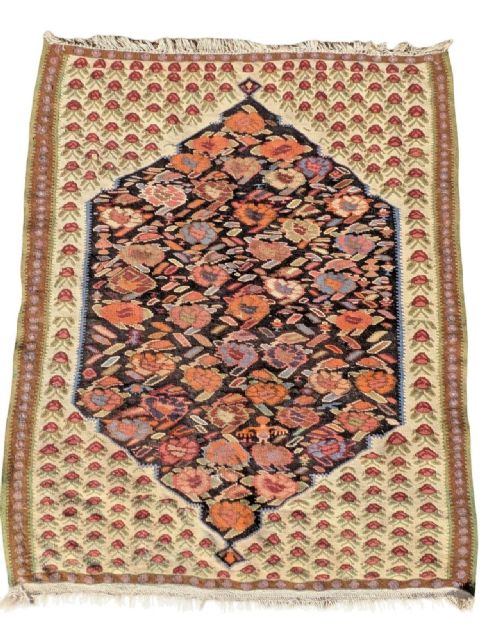
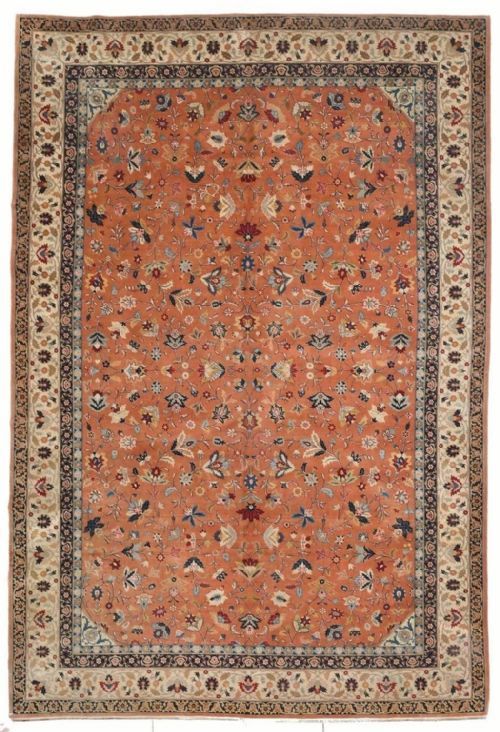
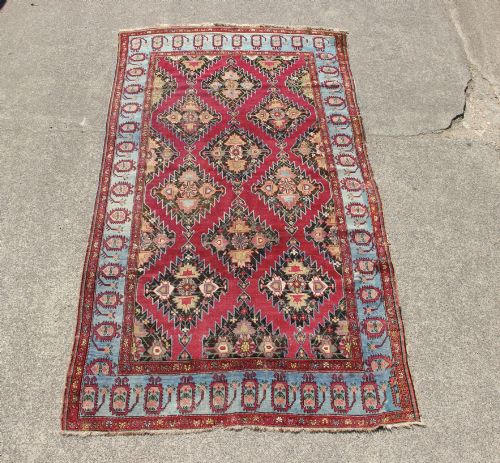
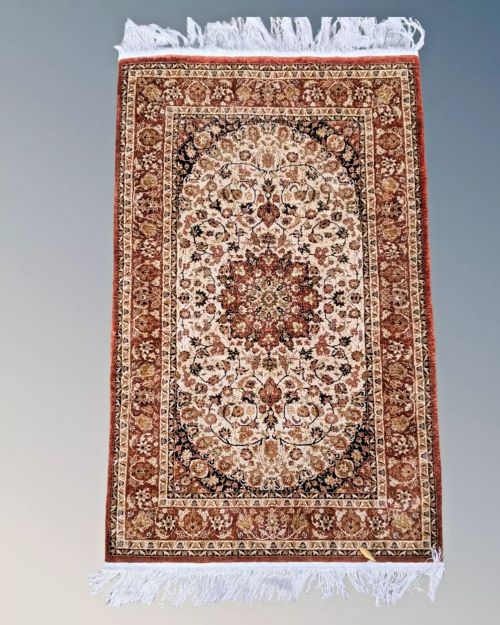
When you search for a traditional floral runner rug, you encounter hand-knotted and flat-woven floor coverings originating from diverse regional weaving traditions. The selection includes long hallway runners as well as broader carpets that share botanical and floral design schemes. Pieces emerge from nineteenth-century workshops and early twentieth-century village looms across Persian, Caucasian, Ottoman, and Indian centres.
The inventory on this page spans distinct cultural styles, encompassing Persian village weaves alongside Bessarabian kilims and Kashmir chain-stitch creations. You find narrow formats designed for corridors alongside square and rectangular formats carrying medallion and vase patterns. Dating stretches from the mid-nineteenth century through the 1930s, capturing diverse regional aesthetics.
Materials and construction
Weavers utilised natural fibres including wool, cotton, and silk to construct these textiles, often combining a sturdy cotton or wool foundation with a dense wool or silk pile. Certain examples incorporate art silk or mercerised cotton to impart specific textural highlights and sheen to the botanical motifs. Flat-weaves such as kilims employ interlocking or slit-tapestry techniques without a raised pile.
Dyes derived from natural botanical and mineral sources provided the rich palettes seen across the nineteenth and early twentieth centuries. Skilled artisans knotted the yarn by hand around the foundation warps, securing each row with sturdy weft threads to ensure structural durability.
The listings span the nineteenth century through the 1930s, incorporating wool, cotton, silk, and mercerised cotton across Persian, Caucasian, and Ottoman styles.
What distinguishes quality
Knot density and structural tightness dictate the crispness of the floral patterns and the overall resilience of the textile under foot traffic. Finer wool selection and tightly spun yarns yield a supple handle and distinct drawing within the medallions and vines.
The consistency of the natural dyes and the precision of the village or workshop weaving influence the visual depth of the composition. Well-executed pieces display harmonious colour saturation and balanced border proportions that reflect the weaver's mastery of regional conventions.
The Traditional Floral Runner Rug Glossary
- Runner
- A long, narrow carpet format specifically proportioned for corridors, hallways, and staircases. These pieces measure significantly longer than they are wide.
- Kilim
- A flat-woven textile produced without a pile, utilising slit-tapestry weaving techniques. These pieces often feature geometric and stylised floral motifs.
- Pile
- The upright yarn loops or cut ends that form the soft surface of a carpet. Density of pile influences texture and durability.
- Warp
- The stationary lengthwise threads stretched on a loom that form the structural foundation of the rug. Weft threads are woven across these structural lines.
- Medallion
- A central ornamental motif positioned in the middle of the field, frequently incorporating symmetrical floral and botanical arrangements.
Traditional Floral Runner Rug: Frequently Asked Questions
Where should I place a runner?
These narrow textiles suit hallways, corridors, and bedside areas where floor space is limited. Their elongated proportions guide the eye along a room while protecting high-traffic wooden or tiled flooring.
Ensure you measure the available corridor length and account for door clearances before selecting a specific piece.
How do I care for a wool rug?
Regular gentle vacuuming without a rotating brush roll prevents dust accumulation within the pile fibres. Promptly address spills by blotting with a clean cloth rather than rubbing.
Professional cleaning suited to antique textiles preserves the natural lanolin in the wool and maintains dye stability.
How can I tell the age of a rug?
Examining the materials, dye types, and structural wear provides key indicators of a piece's vintage. Natural dyes and hand-spun wools typically point to nineteenth or early twentieth-century production.
Slight irregularities in symmetry often confirm authentic hand-knotted origins rather than modern machine replication.