

Traditional Floral Painting
Traditional floral painting captures enduring blooms across canvas, porcelain and wood, offering a rich study in botanical arrangement.
Traditional Floral Painting
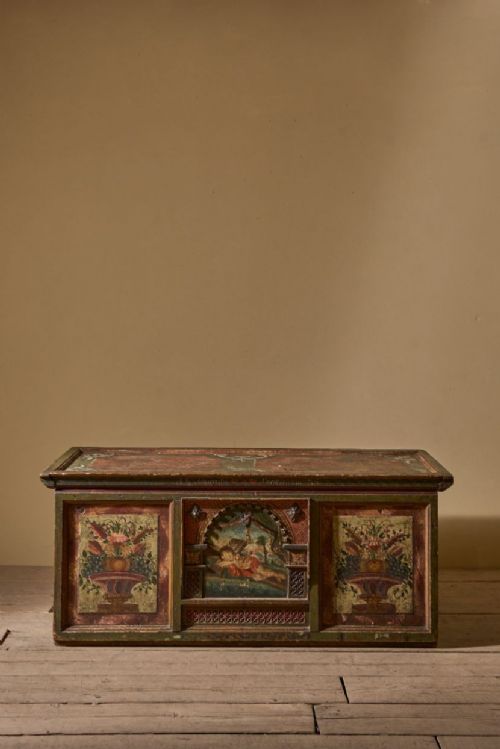
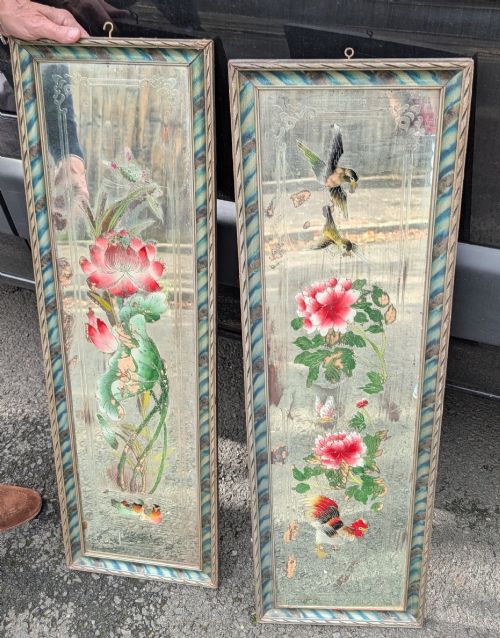
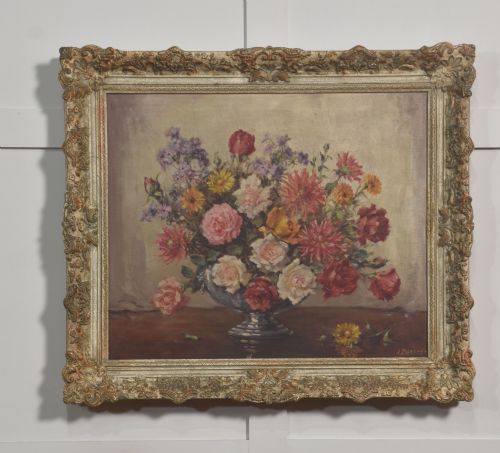
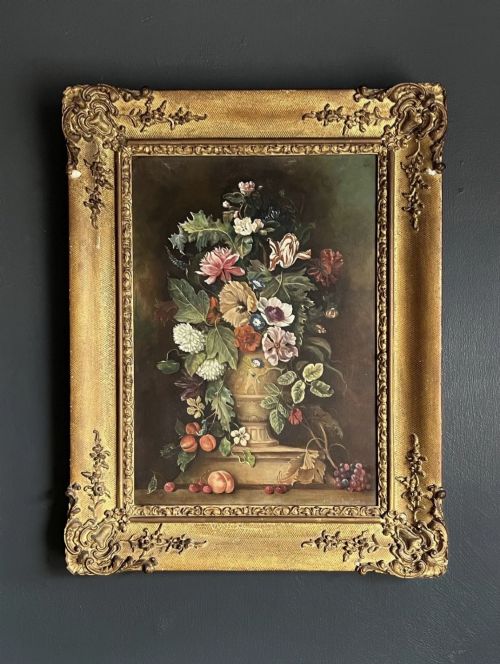
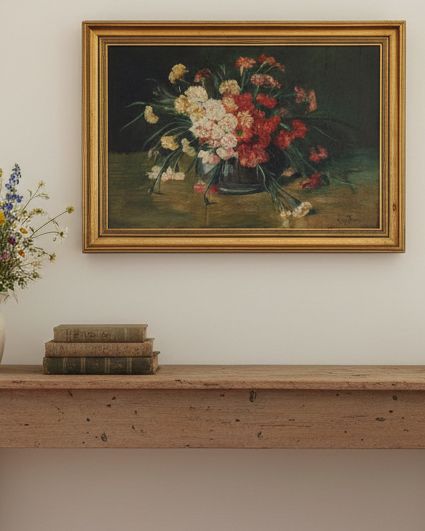
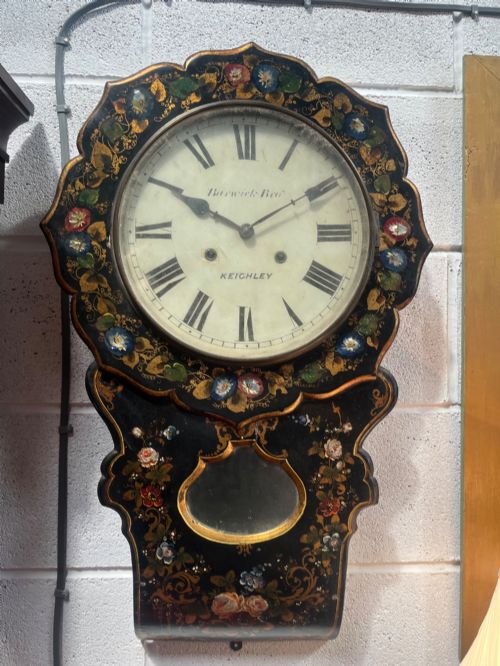
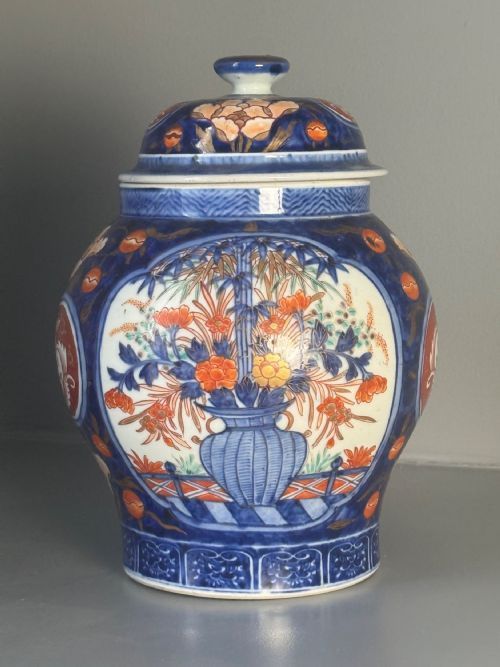
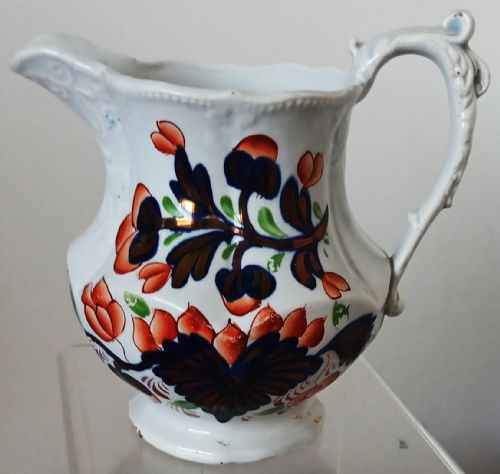
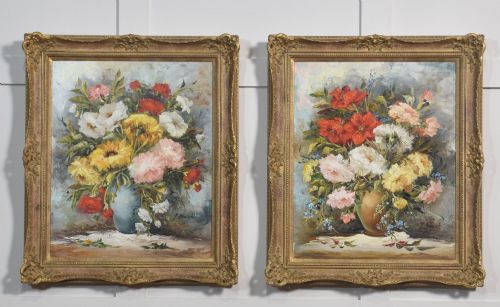
Traditional floral painting spans canvas oils, decorative ceramics, and hand-painted wooden furniture originating from the eighteenth to the mid-twentieth century. Buyers searching this phrase encounter still-life canvases, Japanese Imari chargers, Gaudy Welsh pottery jugs, and painted marriage trunks adorned with botanical motifs.
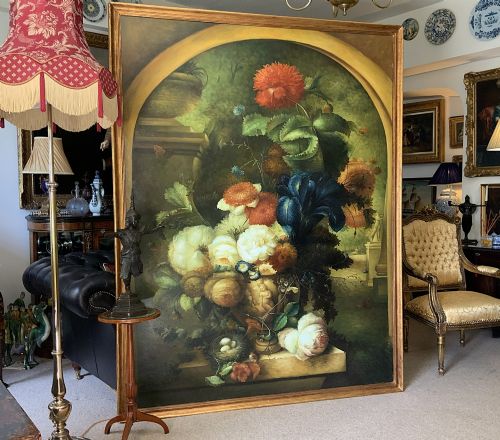
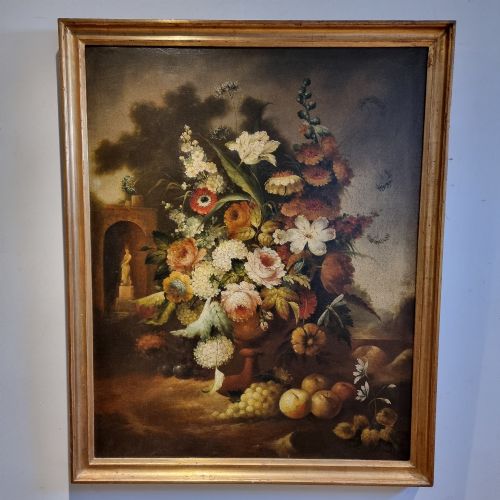
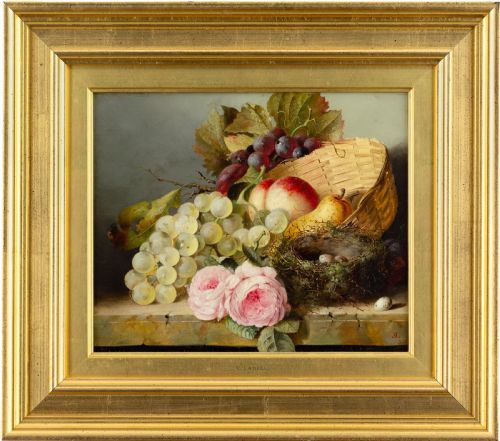
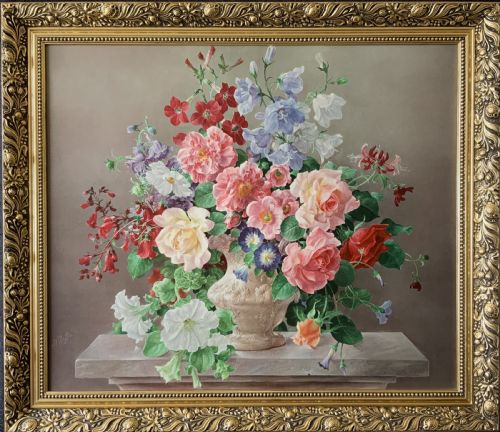
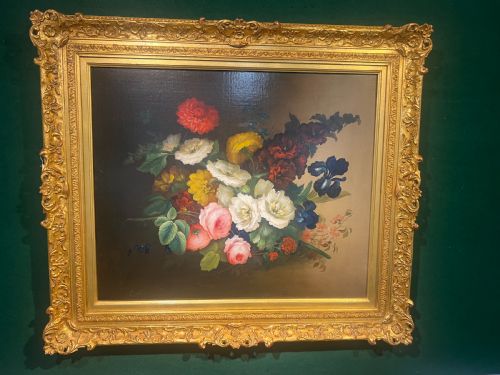
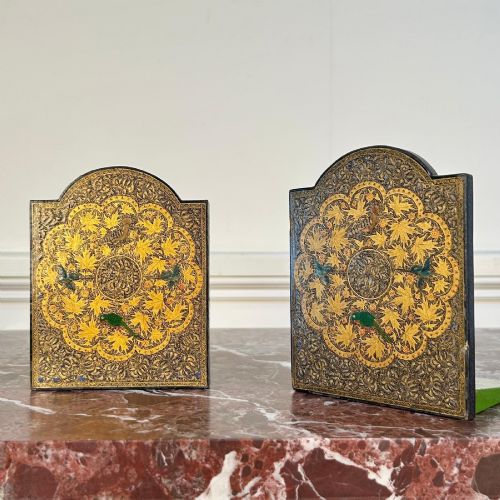
The selection ranges from detailed nineteenth-century still-life oil paintings in gilt frames to folk art pine boxes and Kashmiri storage pieces. Oil paintings and ceramic plates dominate the current grouping, reflecting diverse regional interpretations of floral subjects.
Materials and construction methods
Painters utilised oil on canvas and panels, frequently housing their works in gilt gesso frames, while potters applied enamel glazes over ceramic bodies and ironstone china. Woodworkers decorated pine boxes, chests, and cabinets using hand-painted pigments sealed with protective varnishes.
Ceramic pieces combined moulded earthenware with underglaze blue, polychrome enamels, and transfer-printed patterns such as the Gaudy Welsh styles. Furniture surfaces received decorative brushwork executed directly onto lacquered or prepared wooden substrates.
Birds nesting in wicker baskets share canvas space with towering Dutch flower arrangements and modest pottery jugs.
Distinctions in quality and execution
Quality rests in the precision of the brushwork, the depth of the glaze colours, and the harmony of the botanical composition. Finer oil paintings display subtle tonal graduation in petal and leaf rendering, whereas superior ceramics exhibit crisp transfer printing and richly saturated enamels.
The integrity of the original surface, whether unblemished glaze on pottery or intact gesso on a picture frame, determines the standing of each piece. Maker attribution and signed canvases similarly elevate the work above unsigned or decorative production items.
I. Berezny·Harold Clayton·Edwin Steele·Manuela Bonati·William Thomas Wood·Gertrude Hayes·Mann & Co
The Traditional Floral Painting Glossary
- Gilt gesso
- A plaster-based compound applied to wooden frames and covered in gold leaf before burnishing. This technique provided ornate relief decoration around nineteenth-century oil paintings.
- Imari
- A style of Japanese porcelain featuring cobalt blue and iron red paint highlighted with gold. These pieces were widely exported and imitated in European ceramics.
- Oleograph
- A mechanical colour lithograph printed on textured canvas to imitate an oil painting. These reproduction prints became popular domestic wall art during the Victorian period.
- Spongeware
- Pottery decorated by dabbing pigment onto the clay body using a sponge or similar porous material. This method created speckled, mottled floral and abstract patterns on utilitarian vessels.
Traditional Floral Painting: Frequently Asked Questions
How do I care for an antique oil painting?
Keep painted canvases away from direct sunlight and rapid temperature fluctuations to prevent the cracking of pigments and canvas slackening.
Dust surfaces gently with a soft, dry brush and avoid liquid cleaners or moisture on both the canvas and the gilt frame.
Are Japanese Imari plates safe for dining?
Most antique Imari chargers and plates contain surface enamels and metallic highlights that can wear or leach with modern acidic foods.
Display these items on walls or plate stands rather than utilising them for everyday food service.
What defines Gaudy Welsh pottery?
Gaudy Welsh pieces feature bold, cobalt blue underglaze designs combined with vibrant copper lustre, pink, and green enamel accents.
Potters produced these robust earthenware jugs, basins, and plates during the nineteenth century primarily for domestic utility in Wales and the borders.
How are nineteenth-century wooden chests painted?
Craftsmen prepared pine or hardwood surfaces with a ground layer before applying hand-painted floral motifs and protective varnish finishes.
These painted marriage chests and storage boxes served both practical household storage and ceremonial gift functions in regional communities.