

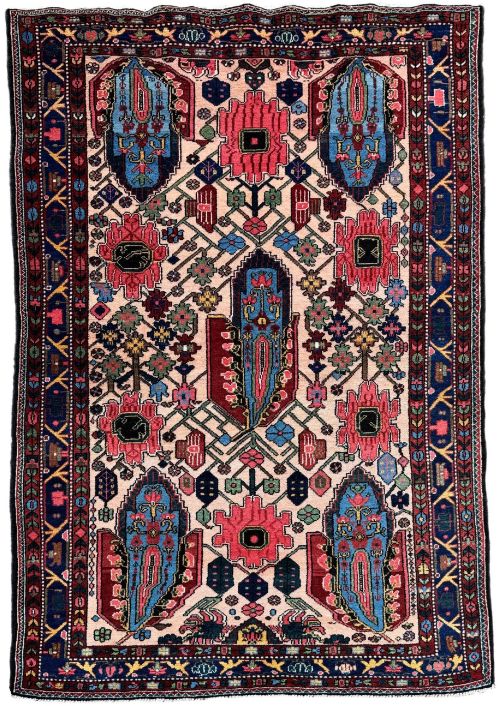
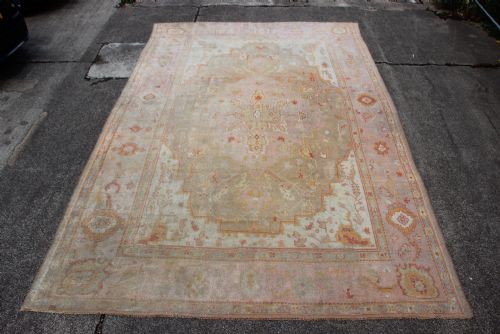
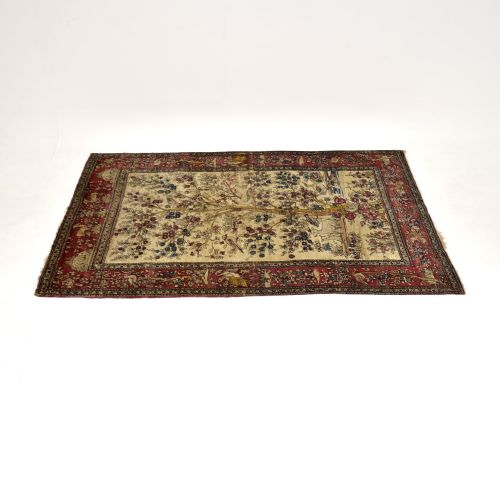
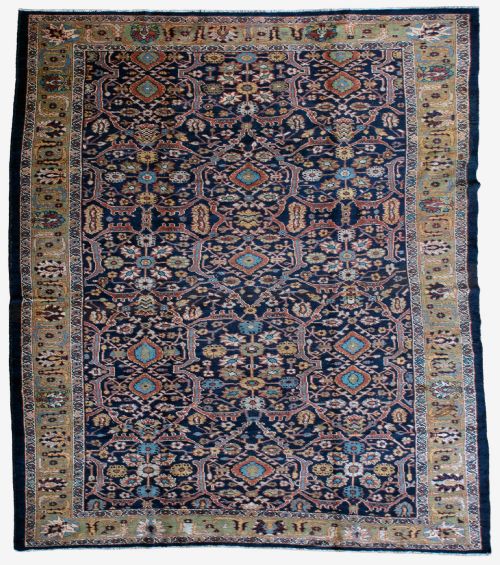
Traditional Floral Carpet
These traditional floral carpet pieces bring centuries of intricate botanical design into a room, offering warm palettes and deep historical character.
Traditional Floral Carpet
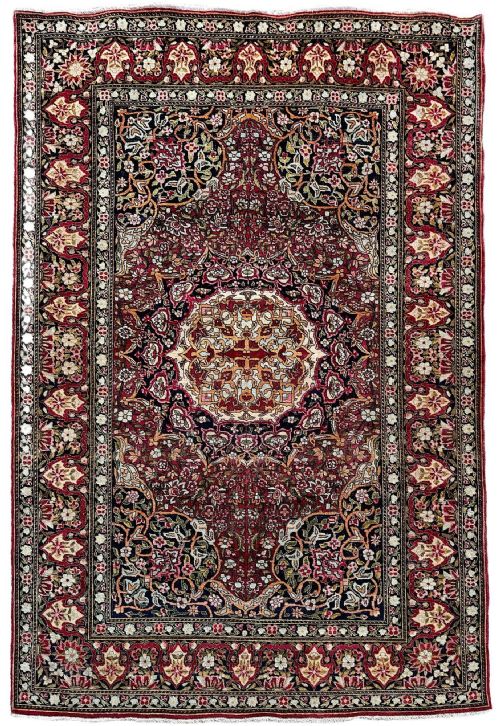
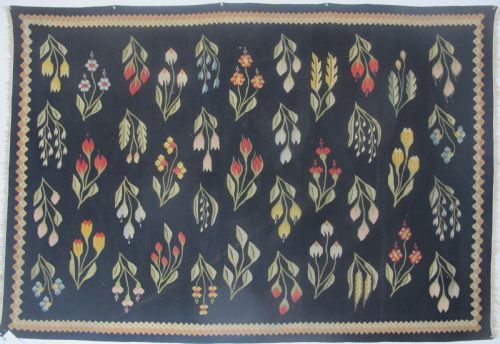
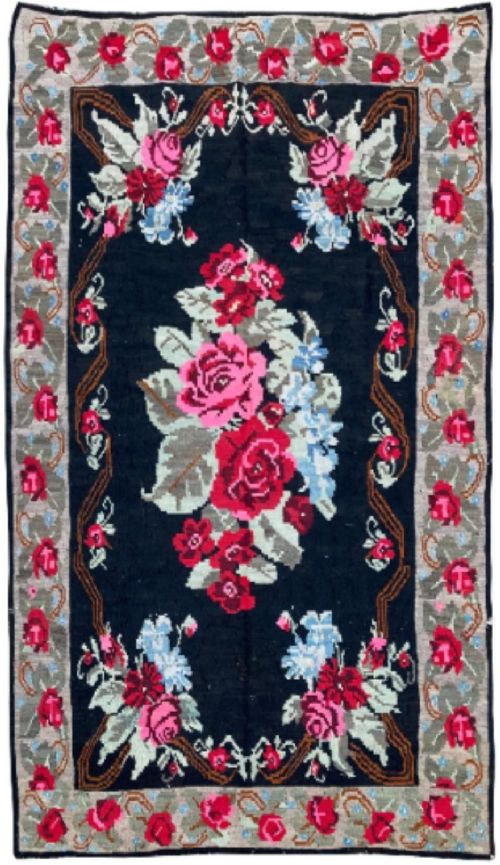
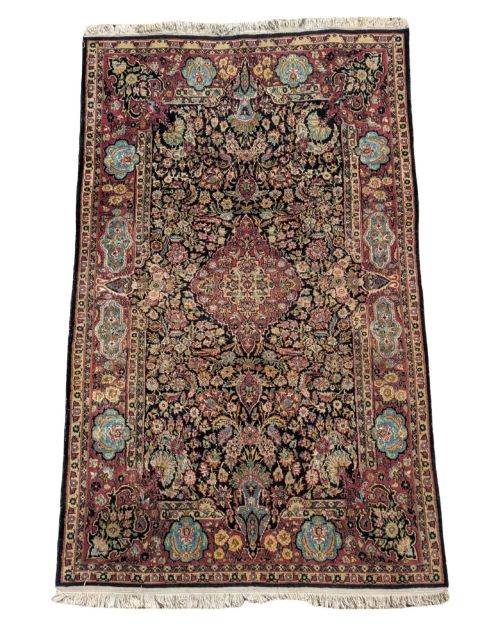
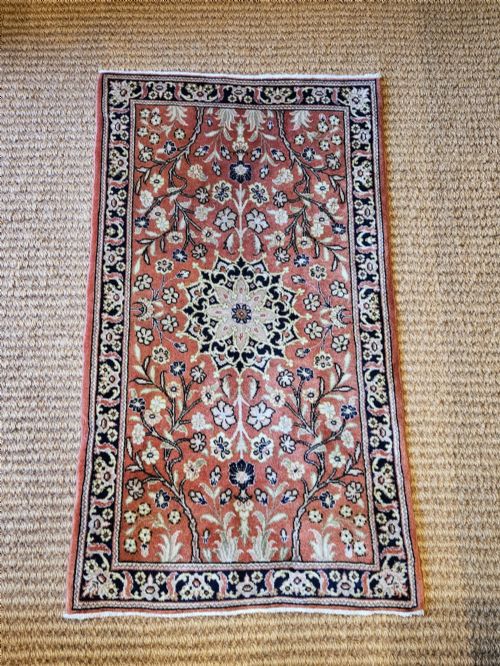
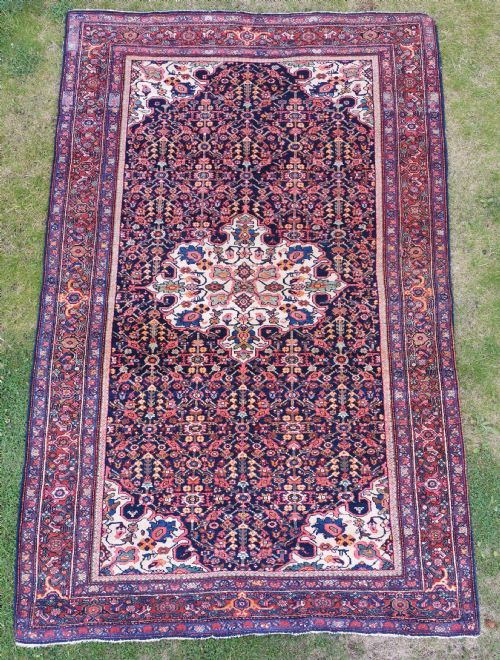
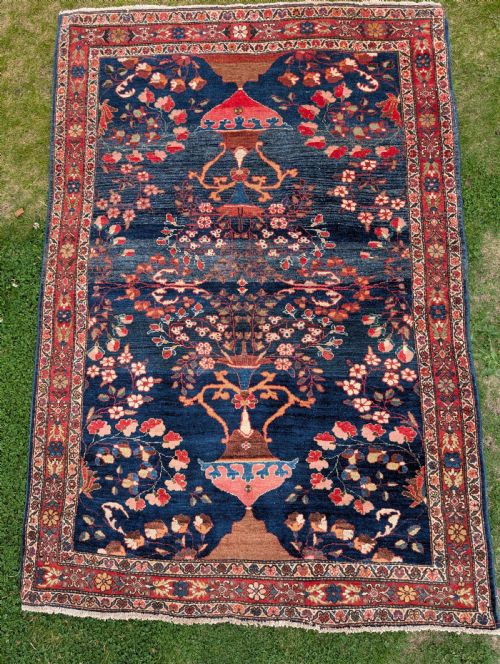
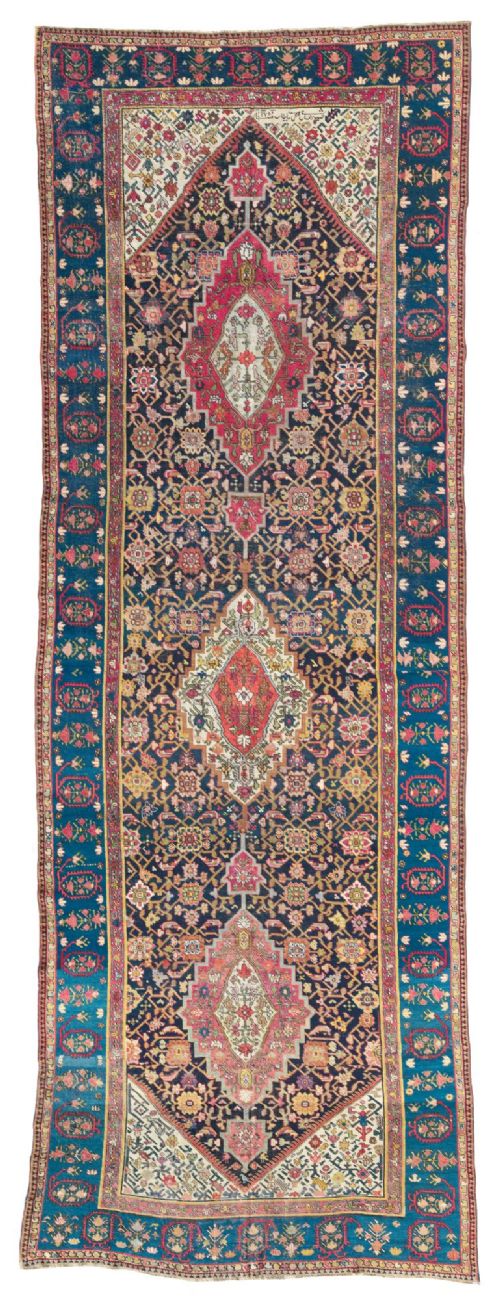
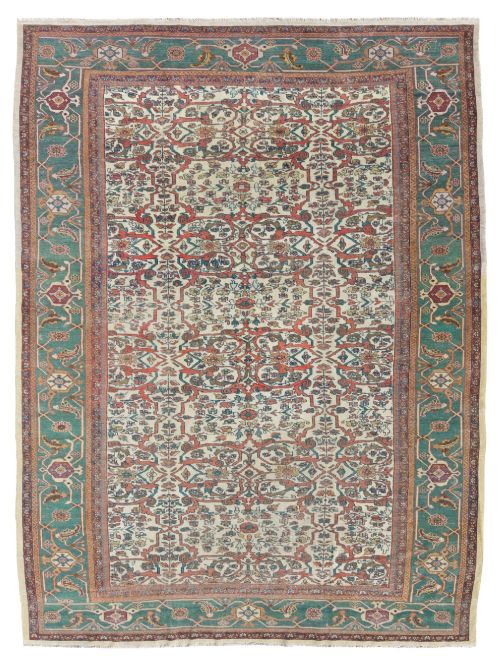
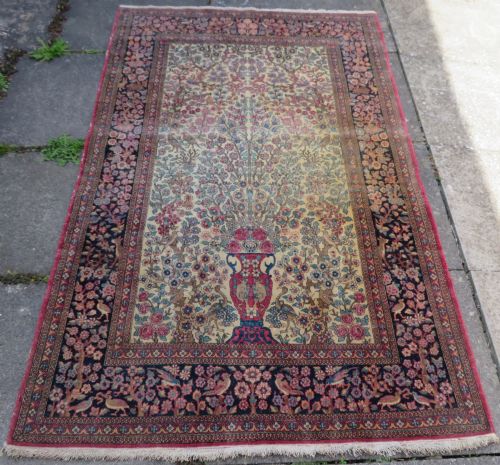
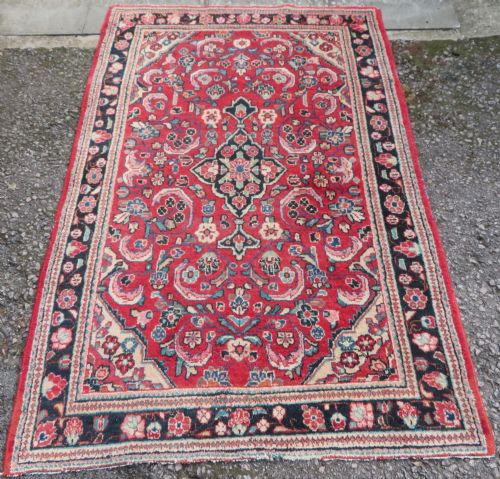
A traditional floral carpet comprises woven floor coverings featuring elaborate botanical motifs, scrolling vines, and central medallions derived from classical eastern and European workshop traditions. Buyers searching for a traditional floral carpet encounter hand-knotted room-size carpets and smaller rugs originating from diverse regional styles such as Mahal, Isfahan, Ziegler, and Tabriz. The inventory on this page spans several decades around the turn of the twentieth century, showcasing room-scale dimensions alongside smaller formats like the Kashmir chain stitch rug.
The aesthetic range draws heavily on Persian Mahal and Ziegler designs, alongside French Chateau influences visible in Aubusson-inspired pieces. These textile forms range from grand floor coverings exceeding four metres in length down to compact area rugs suitable for intimate spaces.
Materials and construction
The construction of these floor coverings relies on durable natural fibres, principally wool pile knotted onto cotton foundations, with occasional silk elements. Artisans employ traditional hand-knotting and chain stitch techniques to build dense, resilient surfaces capable of withstanding generations of daily foot traffic.
Dyeing methods utilise natural colourants that age gracefully, developing soft patinas across wool and cotton yarns over decades of exposure and use.
Traditional Floral Carpet Retail Price Guide 2026
Typical asking prices for traditional floral carpet among the pieces listed under this phrase on Sellingantiques today, from the lower quarter to the upper quarter. They describe what is for sale here now, not the wider market.
Early twentieth-century weavers occasionally adjusted grand palace proportions into manageable domestic sizes, letting a humble hallway enjoy royal floral symmetry.
Assessing quality in traditional floral carpets
Quality separates along lines of knot density, pile preservation, and the clarity of the botanical drawing across the field. Finer knot counts allow for sharper delineation of intricate floral scrolls and medallion outlines, distinguishing master-weaver workshops from standard production.
The integrity of the foundation and the uniformity of wear across the wool pile dictate the visual impact of the piece. Carpets retaining deep pile and balanced secondary borders demonstrate superior structural survival compared to examples with extensive foundation exposure.
The Traditional Floral Carpet Glossary
- Mahal
- A regional style of Persian carpet known for large-scale, open floral patterns and soft, muted colour palettes. These pieces date predominantly to the late nineteenth and early twentieth centuries.
- Chain stitch
- An embroidery technique where looped stitches form a continuous chain across a fabric base, visible in Kashmir pieces. This method creates a textured surface distinct from knotted pile construction.
- Medallion
- A central ornamental motif positioned in the middle of the carpet field, often surrounded by elaborate floral sprays and corner spandrels. It serves as the primary focal point of the design composition.
- Foundation
- The structural grid of warp and weft threads that supports the knotted wool pile. Cotton is the standard material used for this hidden framework.
- Ziegler
- A nineteenth-century commercial workshop style developed for western markets, featuring subdued grounds and softened floral motifs. These carpets coordinate easily with traditional domestic interiors.
Traditional Floral Carpet: Frequently Asked Questions
How do I clean an antique carpet?
Gentle surface vacuuming without a beater bar removes loose dirt from the wool pile. Professional textile cleaning is necessary for deep washing to prevent dye migration.
Water should be kept away from natural fibre foundations to avoid rot and shrinkage. Specialist care preserves the integrity of the cotton warp and weft.
Where should I place these rugs?
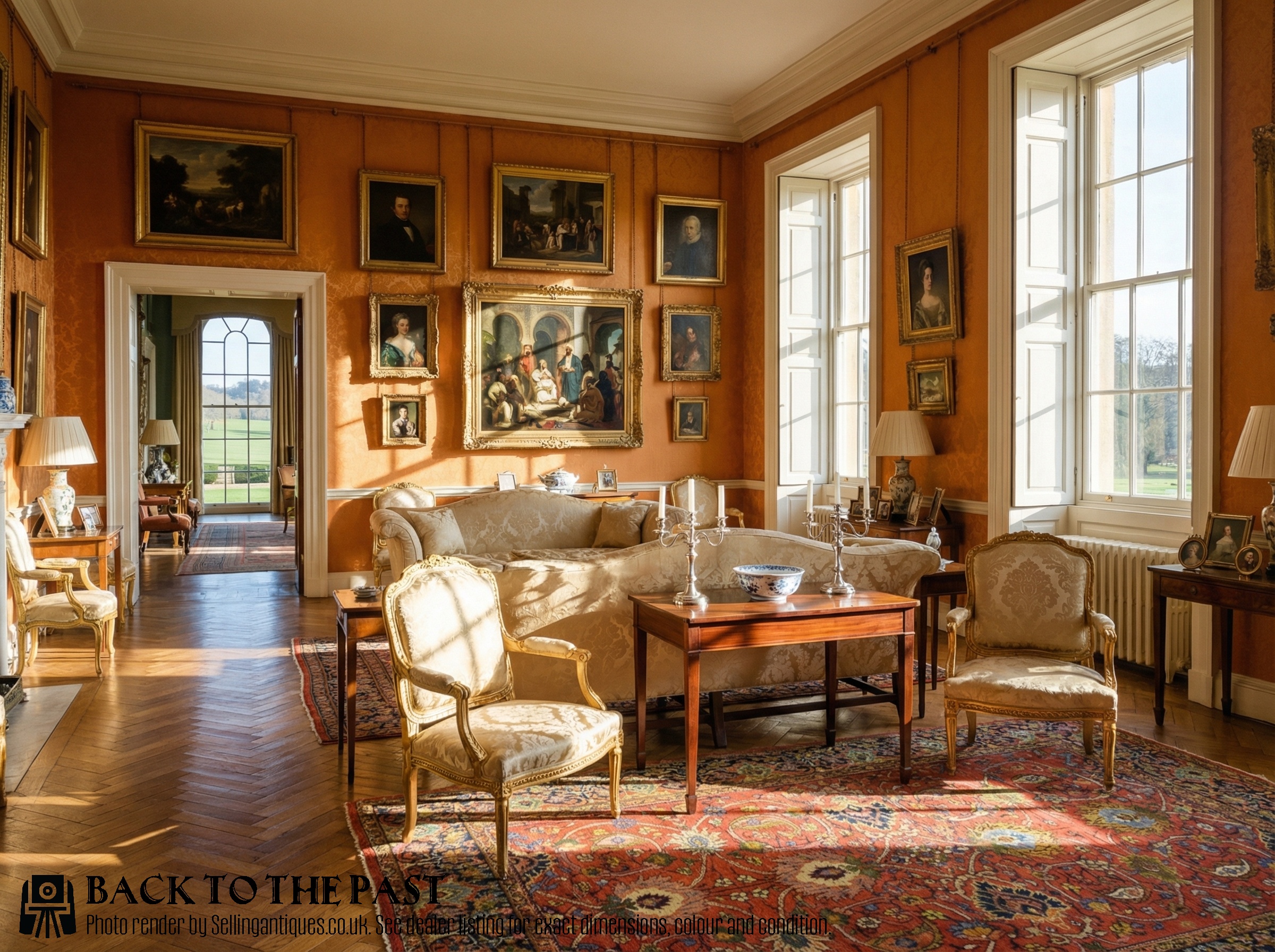
Large formats anchor living rooms and dining spaces, sitting comfortably beneath furniture groupings. Smaller area rugs suit studies, bedrooms, and hallways.
Placing a quality underlay beneath the carpet prevents slipping and reduces friction against hard flooring.
How do I identify a Mahal carpet?
Mahal carpets typically feature oversized floral motifs spread across open fields with relaxed geometry. The colour palette often incorporates terracotta, soft blues, and muted creams.
They generally date from the late nineteenth or early twentieth centuries and carry a durable, heavy handle.