
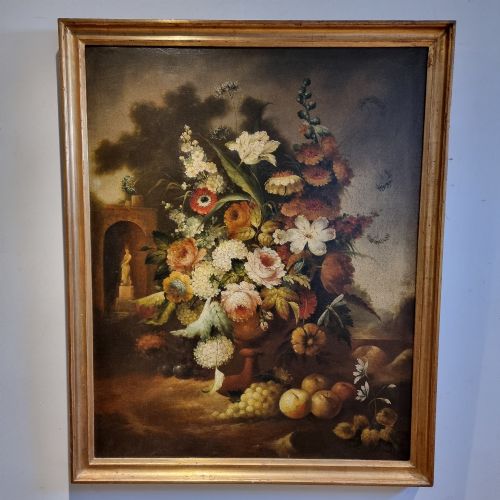
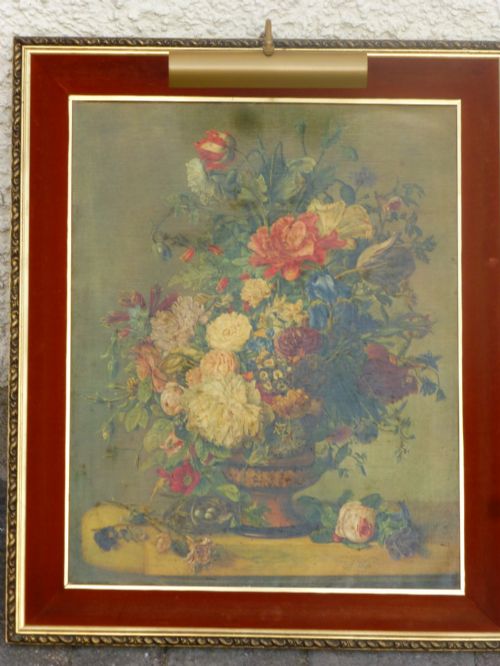
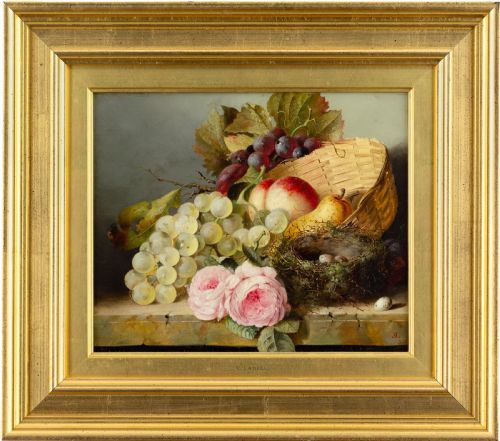
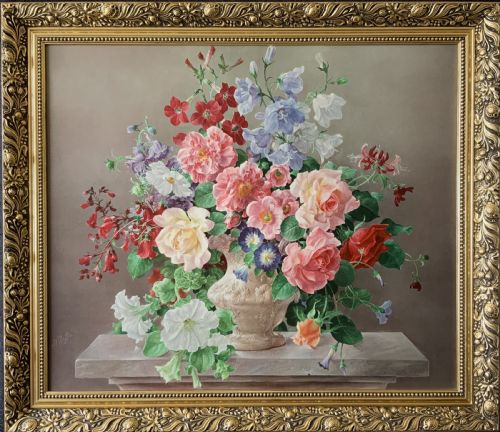


Traditional Floral Canvas Artwork
Traditional floral canvas artwork brings centuries of painted blossoms into a room, spanning delicate Victorian studies and grand Dutch revival canvases.
Traditional Floral Canvas Artwork
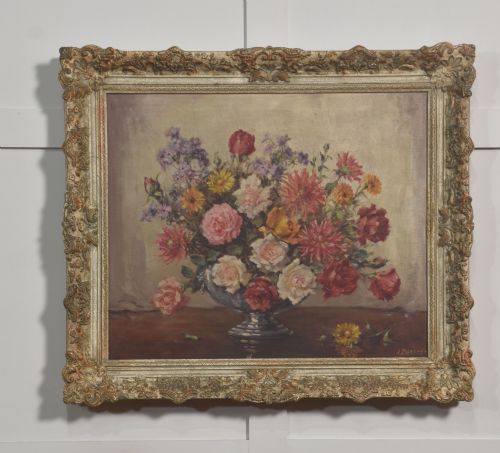
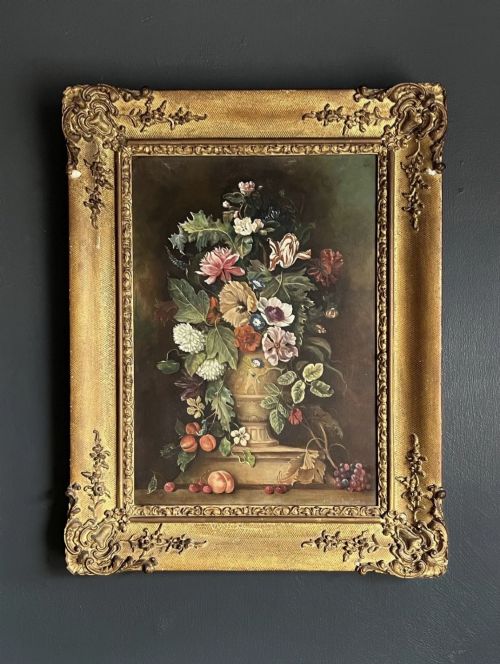
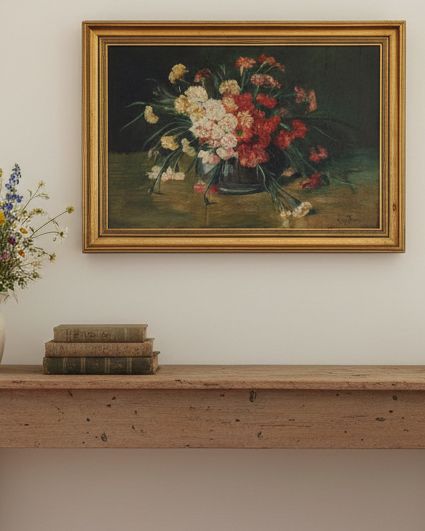
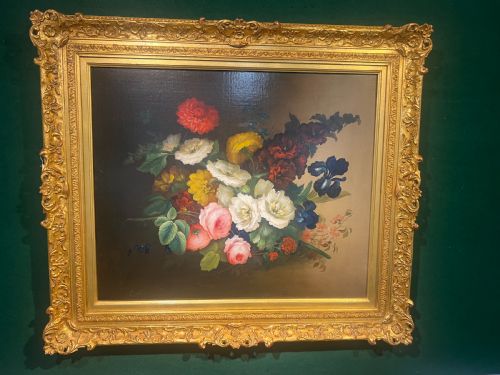
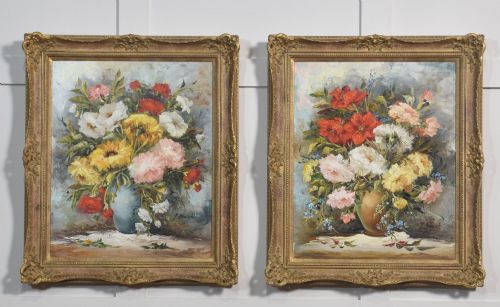
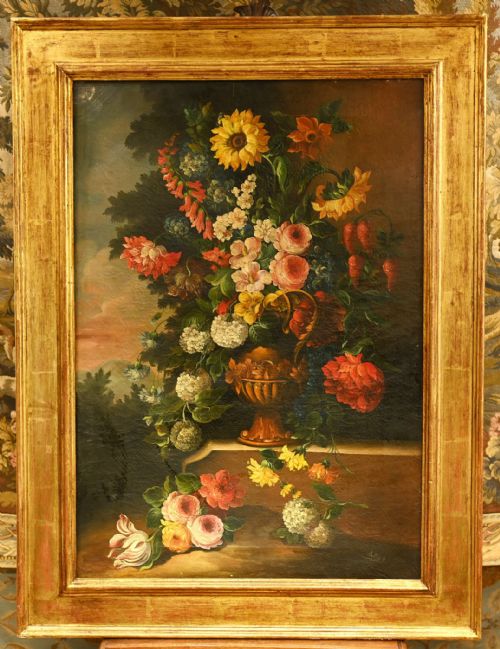
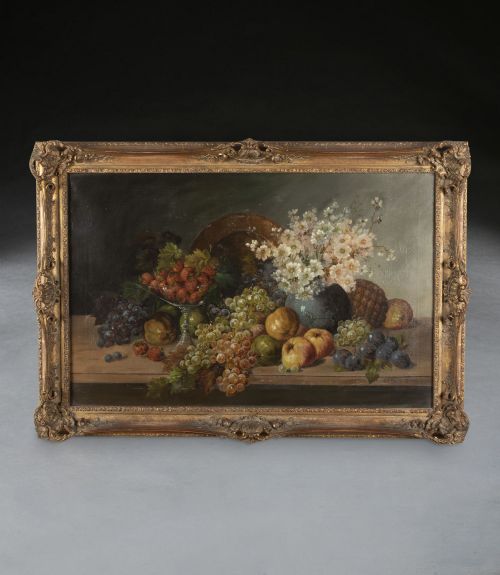
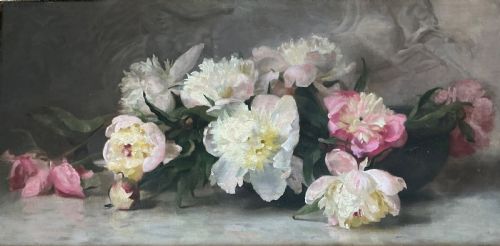
Traditional floral canvas artwork comprises oil paintings on canvas depicting flowers, still-life compositions, and garden scenes. These pieces capture botanical arrangements in vases, baskets, or natural settings, rendered with varying degrees of realism and painterly flair.
The selections available here range from 18th-century revival compositions and Victorian studies to mid-20th-century British and continental works. Buyers frequently encounter oil paintings on canvas housed in gilt frames, depicting roses, peonies, and mixed spring or summer blooms.
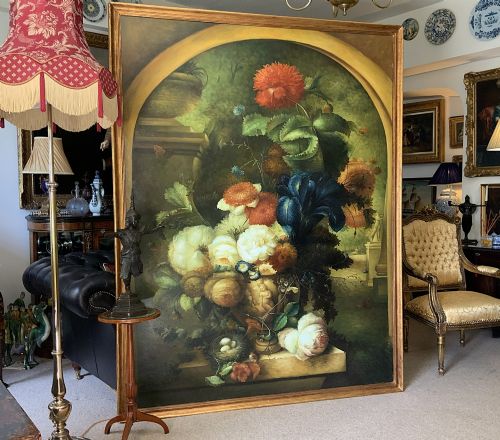
Originating across Britain, France, Switzerland, and the Netherlands, these artworks reflect enduring stylistic lineages from Dutch Baroque traditions to British Impressionism. The physical formats span intimate cabinet pieces to monumental multi-foot decorative statements.
How traditional floral canvas artwork was made
Painters applied oil paint to stretched canvas, building rich textures and subtle tonal gradations with bristle brushes. Artists frequently employed gesso grounds on wooden stretcher frames to prepare the canvas surface before laying down the pigment.
Frames formed an integral part of the finished piece, utilising carved wood, gilded wood, and gold leaf to complement the painted imagery. These ornate surrounds often carried decorative moulding characteristic of their respective periods.
Several floral canvases sneak feathered visitors and fluttering butterflies directly into the flower arrangements.
What varies in quality in traditional floral canvas artwork
The deftness of brushwork and the precision of botanical rendering distinguish finer compositions from simpler decorative studies. Superior handling of light, shadow, and depth transforms a standard floral arrangement into a compelling visual study.
The integrity of the canvas and the preservation of the original oil paint layer dictate the overall standard of survival. Contemporary framing choices, particularly period-matching gilt gesso surrounds, add significantly to the cohesion of the piece.
I. Berezny·Edward Ladell·Edwin Steele·Manuela Bonati·William Thomas Wood·Gertrude Hayes·Owen Bowen·Calzolari·Robin MacKertich·Henry Schouten·Pierre-Joseph Redouté·Emily Selinger·Margaret Evangeline Wilson·Harold Edward Conway·Edgar Bundy·Ralph Hedley·Fred Merriman·Jules Felix Ragot
The Traditional Floral Canvas Artwork Glossary
- Canvas
- A heavy woven fabric stretched across a wooden frame to serve as a durable support for oil painting. It provides the foundational texture visible beneath many traditional brushstrokes.
- Gesso
- A plaster-like mixture applied to wooden panels or frames to create a smooth, stable surface for gilding and paint. This preparation layer underlies many antique picture frames.
- Oleograph
- A mechanical colour print produced on canvas to simulate the appearance of an oil painting. These reproduction pieces gained popularity in the late 19th and mid-20th centuries.
- Still Life
- An artwork depicting inanimate subject matter, typically commonplace objects such as flowers, fruit, or vessels. In this category, botanical arrangements form the primary focus.
- Baroque Revival
- A 19th-century artistic movement that emulated the dramatic scale, rich colour palette, and ornate composition of 17th-century Baroque art. Works in this style often feature exuberant floral arrangements against dark backgrounds.
Traditional Floral Canvas Artwork: Frequently Asked Questions
What periods do these paintings come from?
The available pieces span multiple centuries, including 18th-century revival works, Victorian compositions, and mid-20th-century post-war studies. Artists continued working in traditional naturalist and revivalist modes well into the modern era.
Dates recorded in the listings stretch from the 18th century through the 1960s. This broad timeline reflects the persistent appeal of botanical still-life painting across generations.
How should I hang a large floral canvas?
Large canvases require secure wall fixings suited to the combined weight of the wooden stretcher and the heavy gilt frame. Positioning them away from direct sunlight protects the oil pigments from fading over time.
Consider eye-level placement in rooms with stable ambient temperatures to safeguard the canvas tension. Substantial pieces, such as monumental multi-foot works, serve well as central focal points in principal reception spaces.
What is the difference between an oil painting and an oleograph?
An oil painting consists of hand-applied pigment directly onto a canvas by an artist using brushes. Brush texture, layering, and individual hand movements remain visible upon close inspection.
An oleograph is a printed reproduction technique designed to mimic the texture and appearance of oil paint on canvas. These printed pieces often date from the late 19th or mid-20th centuries as accessible decorative alternatives.
Are these paintings usually signed?
Many of the listed works feature artist signatures, often located near the lower corners of the canvas. Signed pieces connect directly to recorded painters from British and continental schools.
Unsigned works also appear frequently, often attributed to specific periods or regional schools based on their style and technique. Both signed and unsigned examples offer authentic period character for interior display.