


Traditional Floral Area Rug
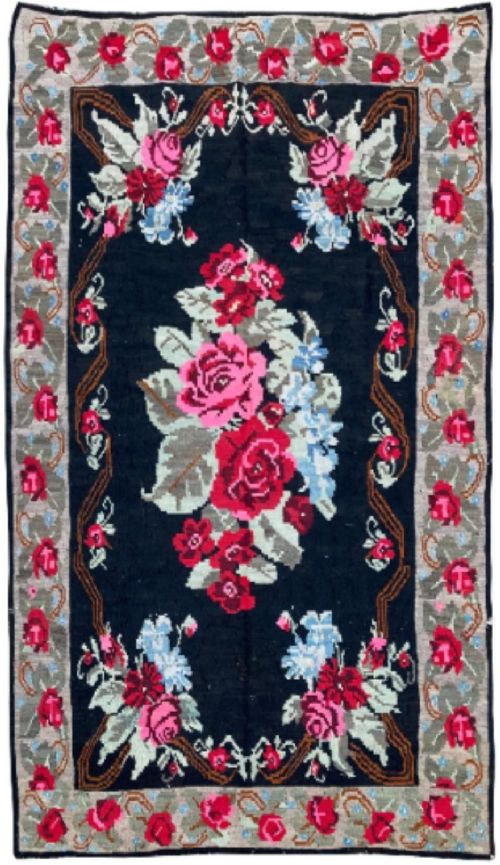
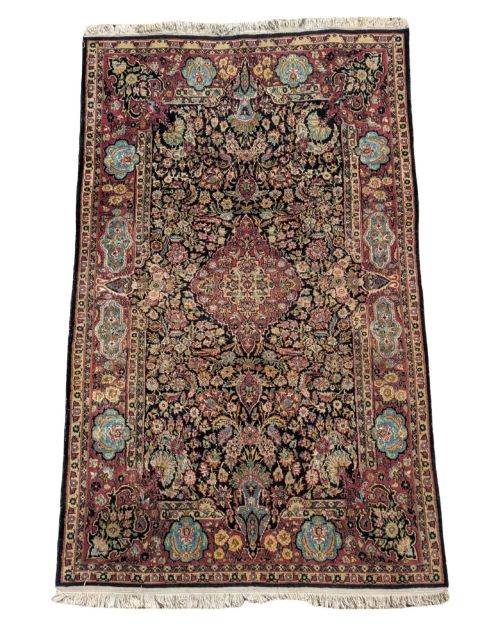
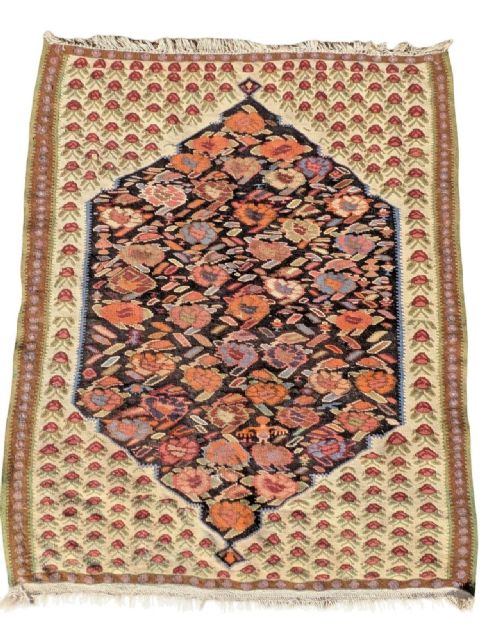
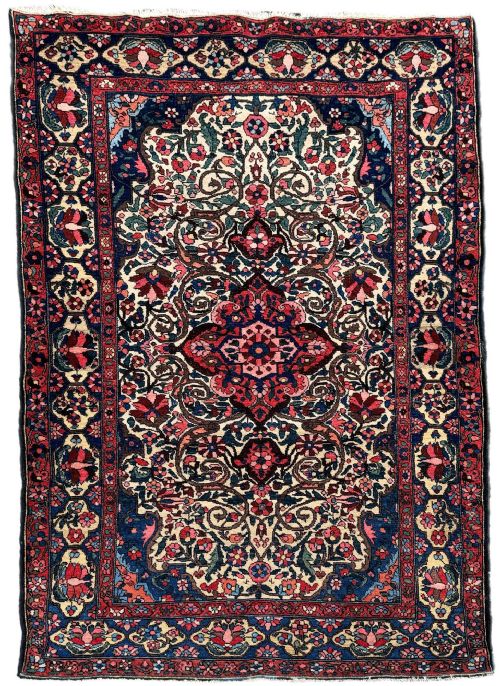
A traditional floral area rug brings centuries of woven artistry into a room, offering rich botanic patterns rooted in Persian and Caucasian traditions.
Traditional Floral Area Rug
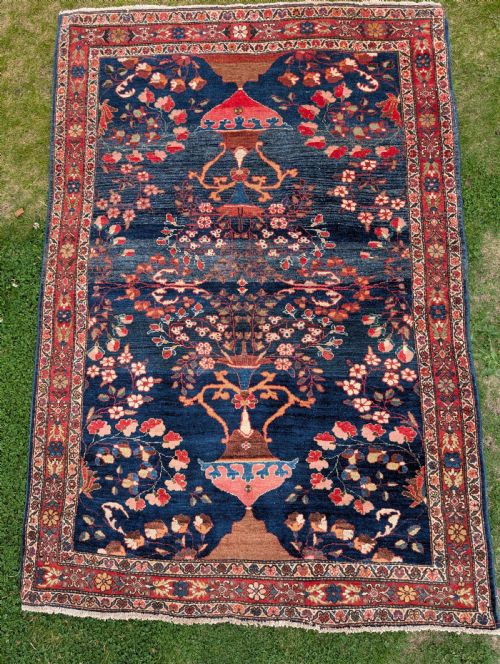
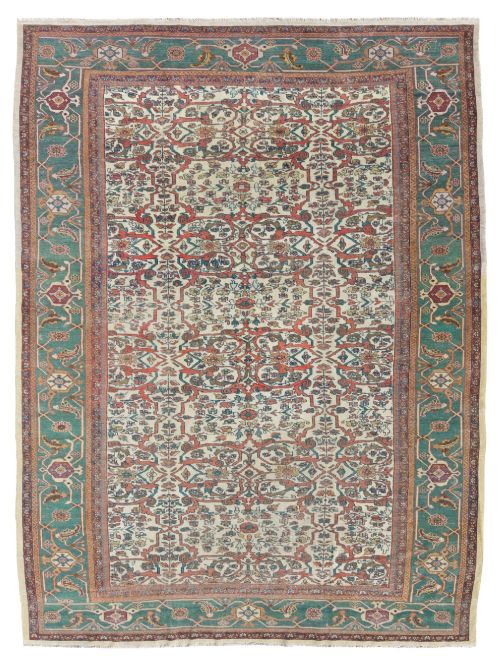
When searching for a traditional floral area rug, collectors encounter hand-knotted room-size carpets and smaller hearth rugs originating from workshops and villages across Persia, the Caucasus, and surrounding regions. These pieces date primarily from the late nineteenth century through the early decades of the twentieth century, reflecting established regional weaving conventions.
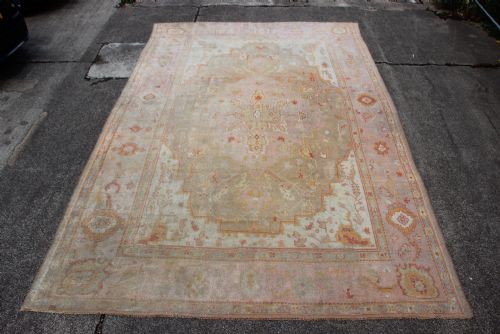
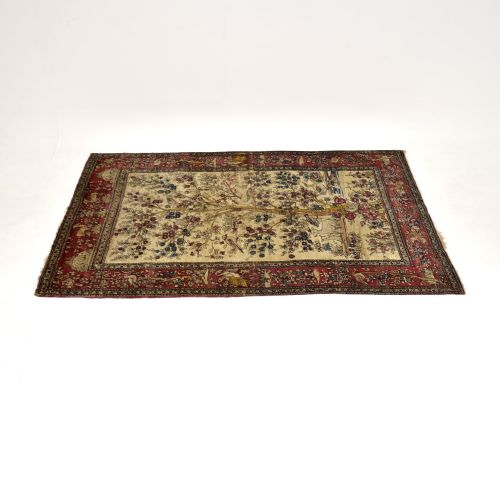
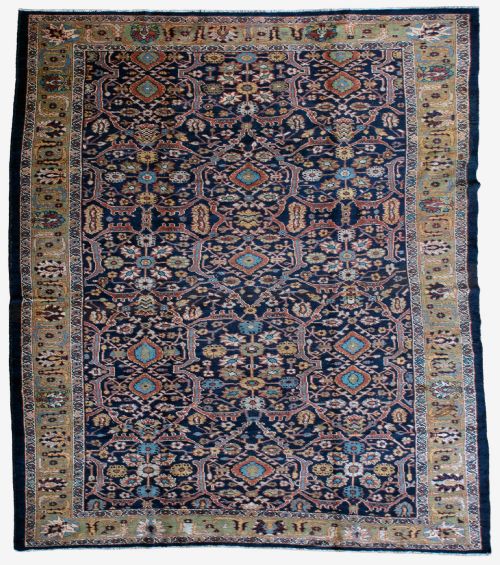
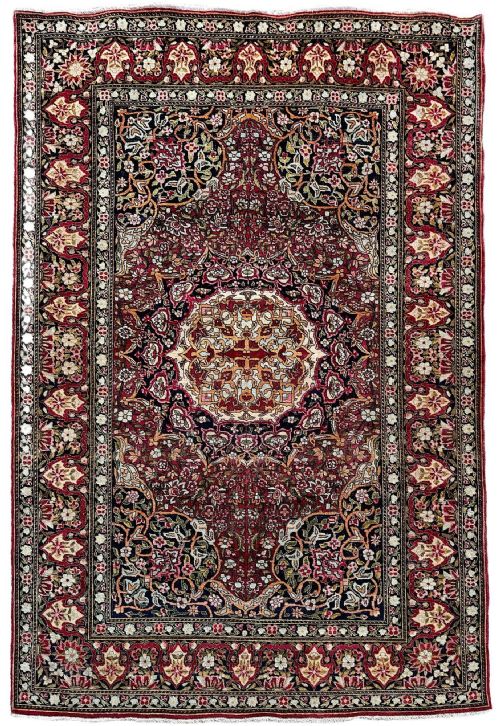
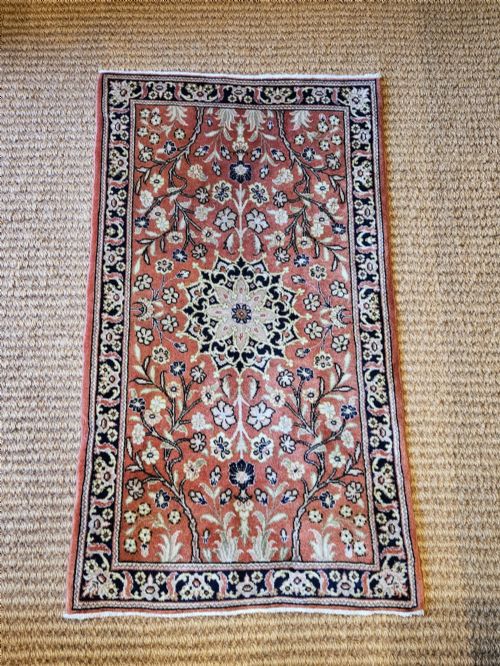
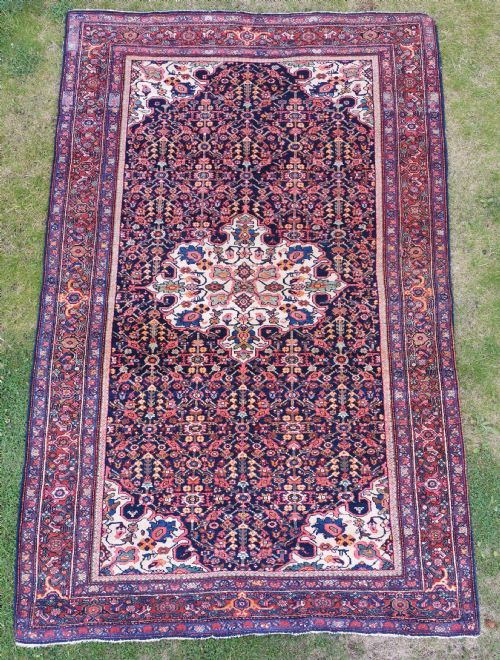
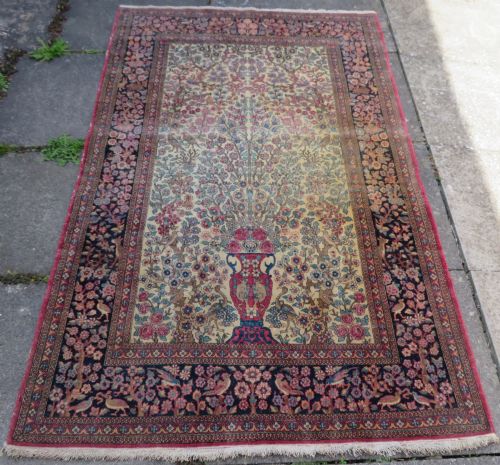
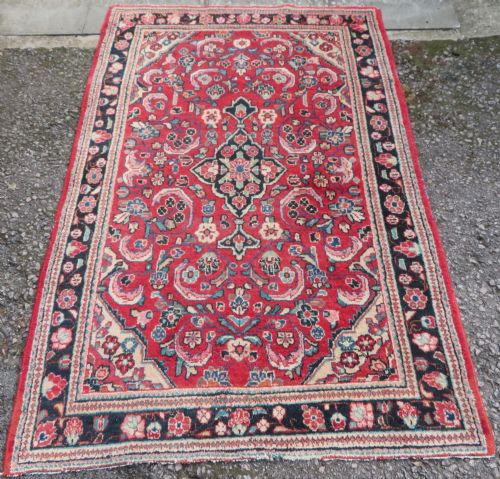
The most common formats on this page include room-size carpets and smaller area rugs bearing intricate botanical motifs, medallion layouts, and tree of life designs. Named origins such as Tabriz, Heriz, Mahal, and Bakhtiar appear frequently among the listings, each displaying distinct structural traits and colour palettes.
Buyers select these textiles to anchor interior spaces with historic character, utilising resilient wool piles and occasional silk highlights that endure generations of daily use. Every rug carries the specific aesthetic choices of its weaver, translating floral themes into geometric or curvilinear forms.
How they were made
Makers constructed these rugs using a foundation of spun cotton or sturdy wool warps and wefts, upon which hand-knotted wool or silk piles were meticulously tied. This dense knotting method allowed workshops to achieve crisp floral delineations and durable floor coverings.
Dyers utilised natural materials to colour the wool and silk fibres, producing rich tones of red, blue, and neutral earth shades that soften gracefully over time. Skilled artisans executed both geometric village designs and curvilinear workshop patterns with remarkable precision.
Listings feature wool, cotton, and silk materials spanning production dates from eighteen-fifty to nineteen-thirty across multiple Persian and Caucasian regions.
What varies in quality
Knot density dictates the clarity of the floral motifs, with tightly packed knots permitting finer lines and more intricate medallion details. Rugs originating from urban workshops generally exhibit higher knot counts than rustic village pieces.
The choice of materials also elevates a piece, particularly the inclusion of glossy silk highlights or exceptionally fine hand-spun wool that retains its lustre. Structural integrity and even wear across the pile distinguish superior examples from standard utility carpets.
Ahmadi Isfahan
The Traditional Floral Area Rug Glossary
- Pile
- The vertical tufts of wool or silk that form the usable surface of the rug. This soft layer absorbs foot traffic and displays the woven design.
- Warp
- The stationary longitudinal threads stretched across the loom before knotting begins. These strong foundation strings support the entire tension of the carpet.
- Weft
- The horizontal threads passed across the warp threads after each row of knots is secured. Wefts hold the individual rows firmly in place.
- Kilim
- A flat-woven carpet or rug made without a pile, often featuring sharp geometric patterns. These lighter textiles serve as versatile floor coverings or decorative wall hangings.
- Medallion
- A large central ornamental design motif placed in the middle of the field. This focal point anchors the surrounding floral and geometric elements.
Traditional Floral Area Rug: Frequently Asked Questions
How do I clean a traditional floral area rug?
Professional dusting and gentle washing by a specialist experienced in antique textiles ensure the delicate wool and cotton foundations remain undamaged. Avoid harsh chemical cleaners and excessive water immersion.
Regular light vacuuming without a rotating beater bar prevents dust accumulation within the pile fibres. This gentle maintenance preserves the natural lanolin in the wool.
Are these rugs suitable for heavy traffic rooms?
Sturdily constructed wool pile carpets withstand daily movement remarkably well when placed over a quality underlay. Their dense knotting naturally resists crushing in busy living spaces.
Placing them in moderate traffic areas allows the historic fibres to age gracefully without premature wear. Rotating the rug periodically ensures even exposure to sunlight and foot traffic.
How do I distinguish regional styles apart?
Heriz and Serapi carpets typically feature bold geometric medallions and sturdy corners, whereas Tabriz examples display refined curvilinear floral sprays. Village rugs often show more playful asymmetry compared to formal city workshop pieces.
Examining the weave structure and palette helps identify whether a rug originates from Persian centres or Caucasian regions. Each weaving tradition utilises characteristic border arrangements and colour combinations.
What is a tree of life design?
The tree of life motif depicts a symbolic tree branching upward through the central field, often surrounded by flowering plants and birds. This ancient imagery represents eternal life and spiritual growth in traditional weaving.
Artisans rendered these botanical compositions with profound detail, making them highly prized by collectors. Such rugs serve as striking visual centerpieces in traditional interiors.