


Traditional Fireplace Screen
A traditional fireplace screen stands before an active hearth to check stray sparks while complementing the room.
Traditional Fireplace Screen
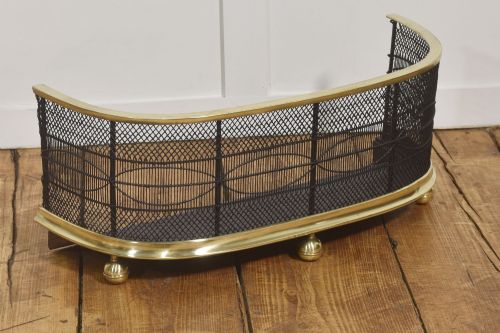
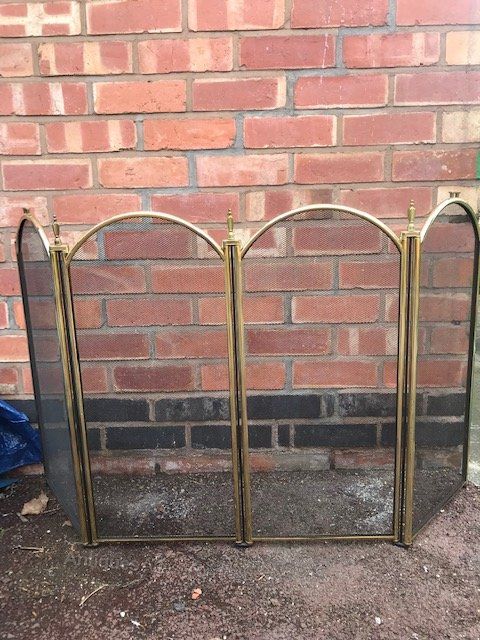
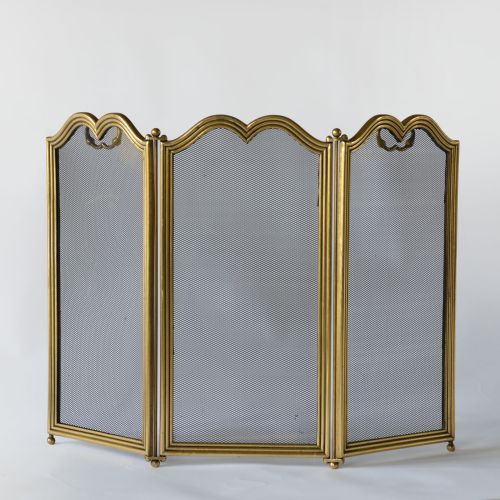
A traditional fireplace screen serves to protect the room from stray embers while adding a decorative focal point to the hearth. Buyers seeking a traditional fireplace screen will encounter various forms, from folding brass spark guards to wooden frames inset with textiles.
The selection ranges across several historical periods, with Victorian and nineteenth-century examples appearing frequently alongside Edwardian and Regency pieces. These accessories span simple wire mesh guards to elaborate carved panels.
Makers utilised distinct regional designs, incorporating Chinese Qing dynasty hand-carved wood panels and Indian embroidered silver and gold textile elements alongside standard British domestic forms.
What varies in quality
Quality differentiates through the substance of the materials and the complexity of the construction, such as heavy wrought iron versus lighter wire mesh. The weight of the metal and the robustness of folding hinges dictate the structural integrity of guards.
Decorative detail elevates certain pieces, demonstrated by intricate needlework tapestries, silk embroidery, and hand-carved wood panels rather than plain wire or simple mesh surfaces.
Listings span the nineteenth century, Victorian, Edwardian, and Regency periods, utilising brass, iron, mahogany, silk, and tapestry.
The Traditional Fireplace Screen Glossary
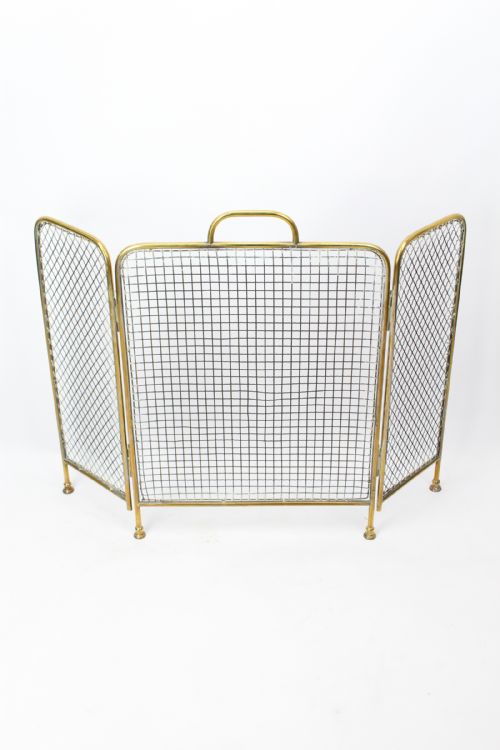
- Spark guard
- A metal mesh barrier designed specifically to contain flying embers and sparks from an open fire. These guards often feature folding sections for ease of adjustment.
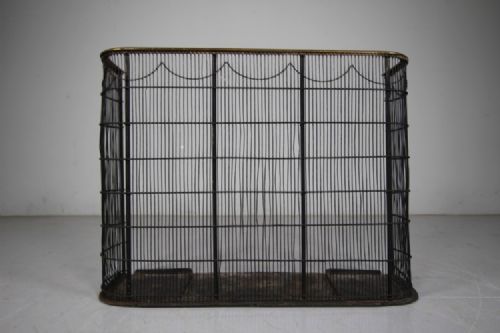
- Nursery fender
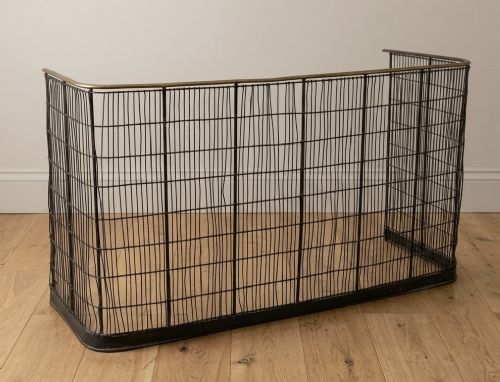
- A protective metal barrier that surrounds the hearth area to keep children and pets at a safe distance from the fire. They frequently incorporate brass top rails or integrated clothes rails.
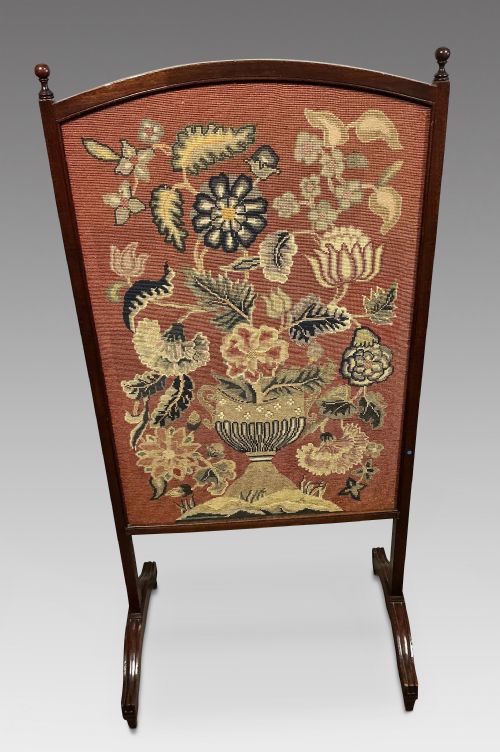
- Firescreen
- A decorative panel placed in front of the fireplace when the hearth is not in use. They commonly display tapestry, silk embroidery, or painted canvas within wooden or brass frames.
- Demi-lune
- A half-moon shape characteristic of certain curved fireplace guards and fenders. This profile allows the guard to fit snugly against hearths of matching curvature.
- Tapestry
- Hand-woven textile art utilised as the central display panel within traditional wooden frames. These pictorial fabrics bring colour and texture to domestic interiors.
Traditional Fireplace Screen: Frequently Asked Questions
What is a traditional fireplace screen?
A traditional fireplace screen is a protective or decorative barrier placed before a hearth. It functions either to catch flying embers during a fire or to conceal the grate when the fireplace is unlit.
Designs range from folding brass wire mesh spark guards to mahogany frames inset with tapestry or silk embroidery.
How do I choose the right size?
Selecting the correct size requires measuring the opening of your fireplace and the hearth area it occupies. Ensure the guard provides adequate coverage across the entire width of the fire opening.
Consider whether you need a simple flat screen, a folding multi-section guard, or a larger nursery fender that encloses the hearth perimeter.
What materials were used?
Traditional screens incorporate metals such as brass, iron, wrought iron, copper, and steel, frequently paired with wire mesh. Frames are often built from mahogany or Chinese hardwood.
Fabric elements include canvas, silk embroidery, and tapestry, while specific examples feature embroidered silver and gold textile work.
How do I date a fireplace screen?
Dating relies on identifying stylistic markers, construction techniques, and materials associated with specific periods such as the Victorian, Edwardian, or Regency eras. Hand-carved wooden panels, specific brass finishes, and regional embroidery styles provide chronological clues.
Reference the listed periods of nineteenth-century, Victorian, Edwardian, and Regency designs to compare construction characteristics.
Can these screens be used with active fires?
Many metal and wire mesh guards are built specifically to handle active fires by containing sparks and embers. Fabric or wooden tapestry screens are generally intended for decorative use when the fire is unlit.
Check the construction material, such as heavy wrought iron or brass mesh, to determine suitability for spark protection.