
Traditional Fireplace Log Dogs
Traditional fireplace log dogs provide essential support for burning wood in an open hearth, combining practical function with robust metal craft.
Traditional Fireplace Log Dogs
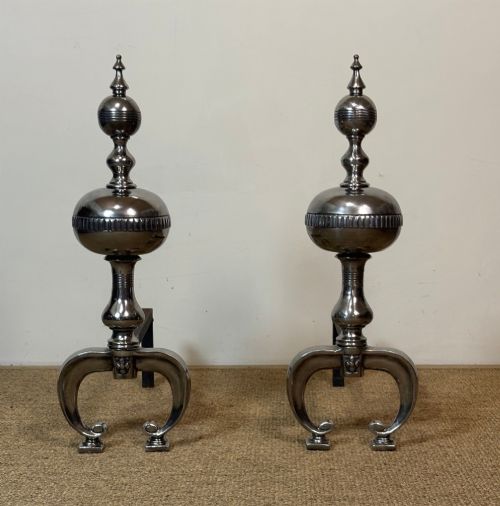
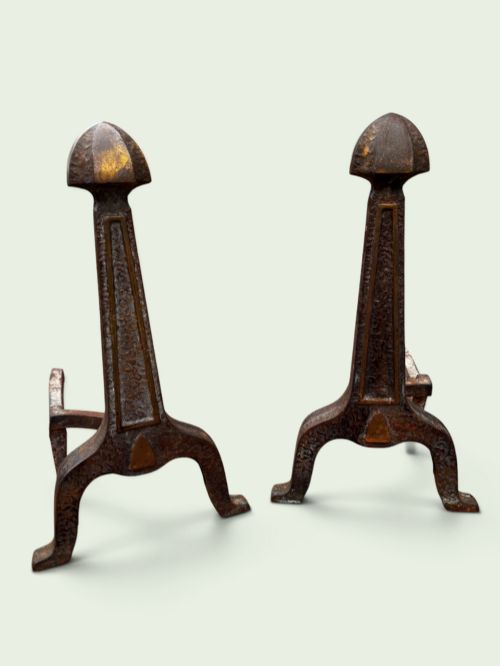
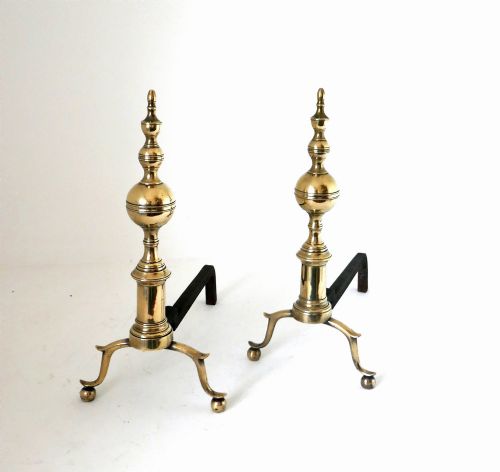
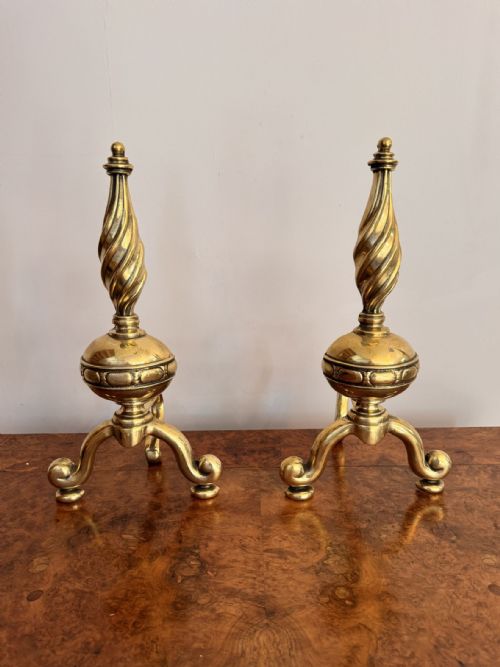
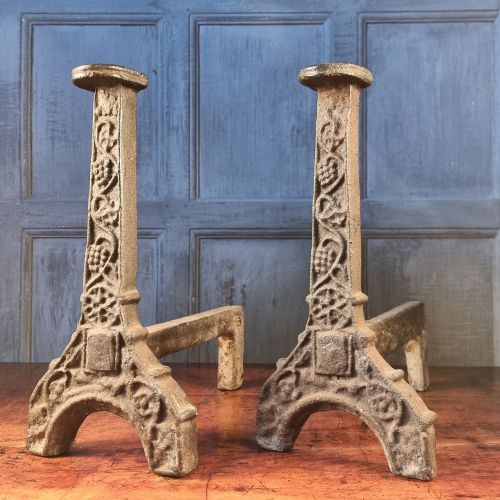
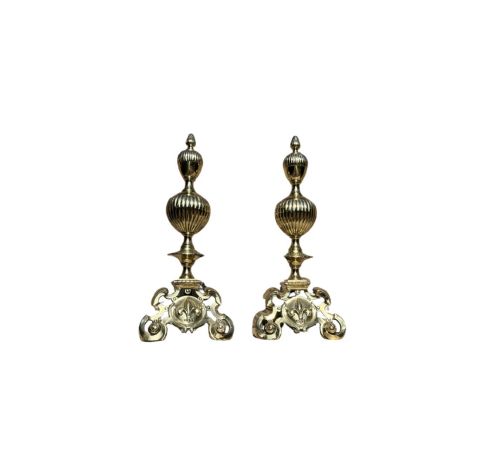
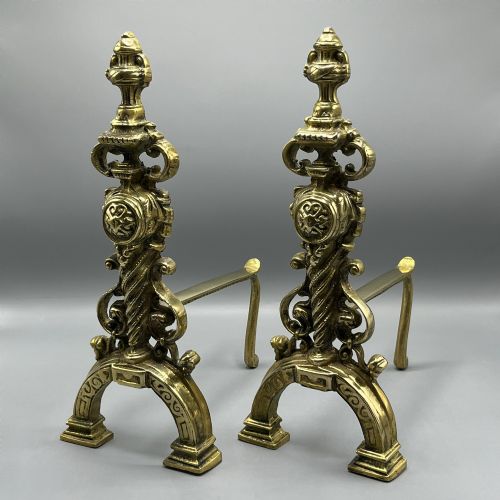
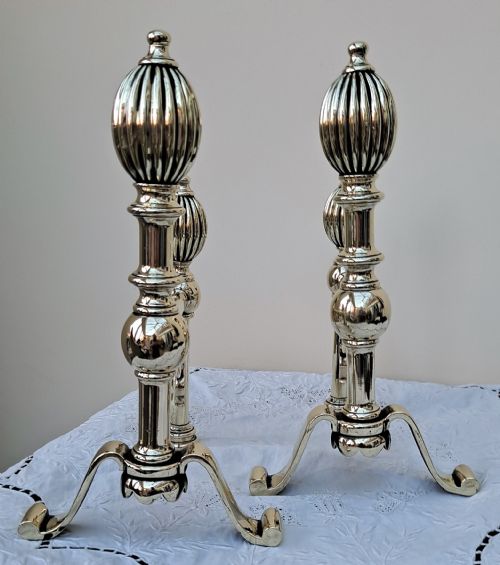
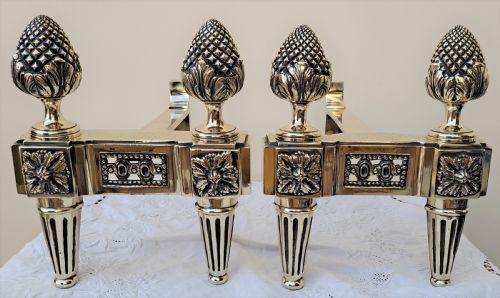
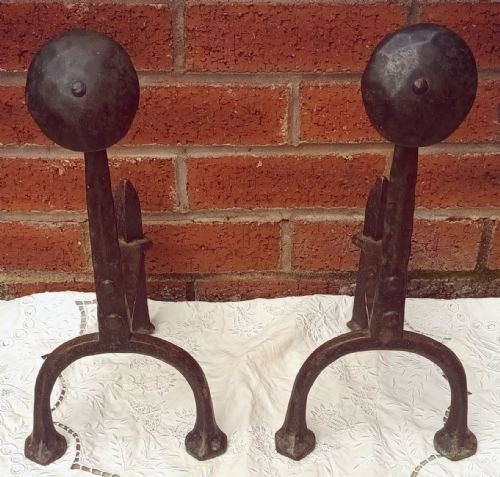
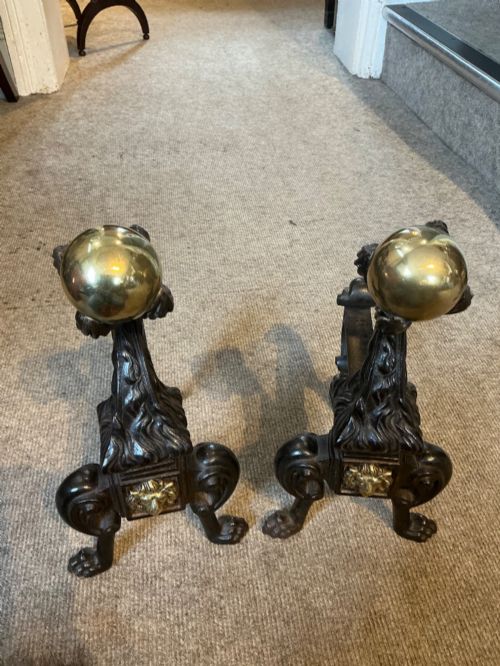
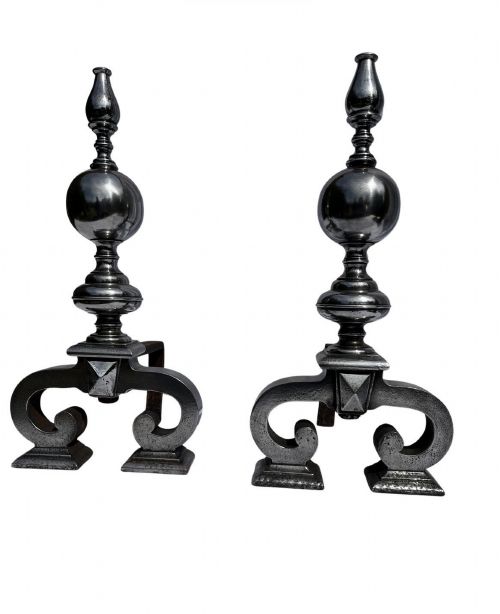
Traditional fireplace log dogs, frequently catalogued as andirons or fire dogs, support logs above the hearth floor to improve airflow and combustion. The selections here span centuries of domestic hearth design, featuring heavy utilitarian pieces alongside ornate decorative pairs.
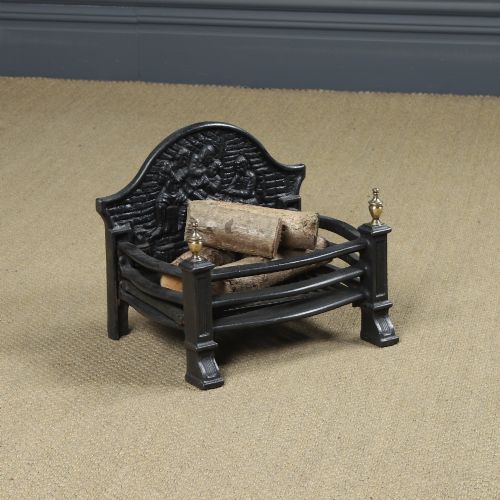
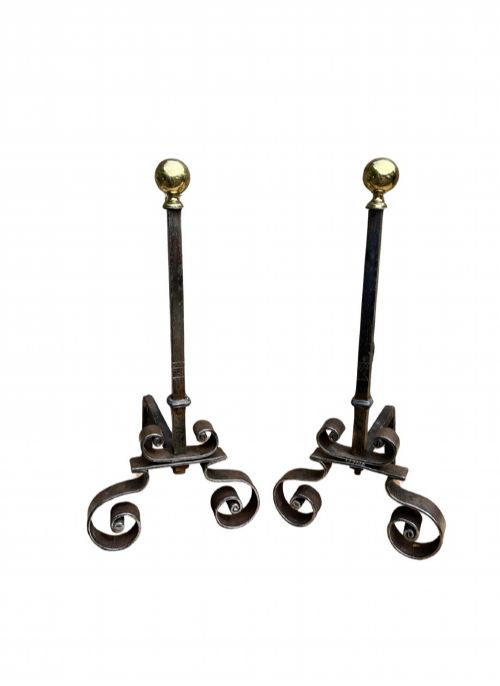
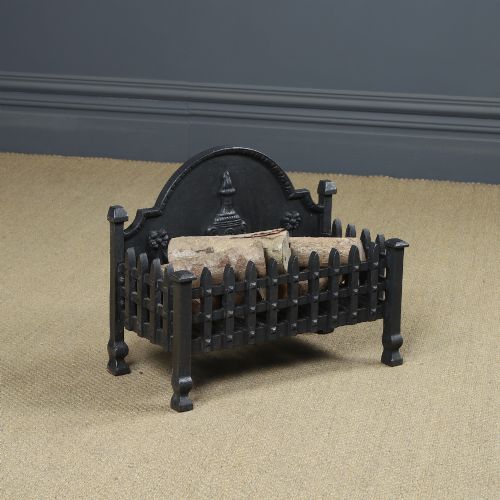
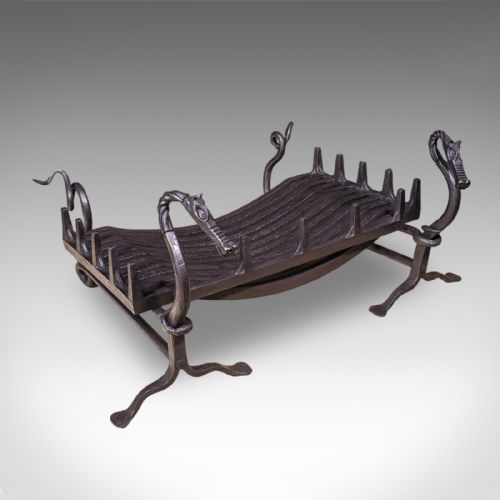
Victorian brass and iron examples appear most regularly, often accompanied by matching fire baskets or grates. Pieces range from simple wrought iron supports to monumental gilt brass designs intended for formal reception rooms.
Factors of Quality
Superior examples show clean casting detail, substantial weight, and well-balanced construction that remains stable under heavy timber. Lesser pieces often exhibit thinner metal sections and simpler assembly without the refined finish of period workshop production.
Some Victorian and Edwardian sets include integrated mulling devices, ensuring the hearth could warm evening drinks as well as the room.
The Traditional Fireplace Log Dogs Glossary
- Andiron
- A metal support used in pairs to hold logs in an open fireplace. They typically feature a horizontal bar and an upright decorative front.
- Fire basket
- An iron container designed to hold burning coal or wood within the hearth opening. These often integrate directly with matching log dogs.
- Gilt brass
- Brass coated with a thin layer of gold or gold-coloured finish. This treatment enhances the decorative impact of formal Victorian and Georgian hearth furniture.
- Wrought iron
- Iron that has been heated and shaped with tools by a blacksmith. This material yields strong, fibrous fire dogs with visible hand-forged character.
Traditional Fireplace Log Dogs: Frequently Asked Questions
How do log dogs work in a fireplace?
Log dogs sit in pairs on the hearth floor to hold logs off the bottom bricks. This elevation allows air to circulate underneath the wood for a cleaner burn.
The upright fronts also prevent rolling logs from spilling out onto the floorboards.
What is the difference between andirons and log dogs?
The terms are largely interchangeable for traditional hearth supports. Both refer to metal pairs placed in the fireplace to hold wood.
Some regional descriptions favour one term over the other, but the function remains identical.
How do I date an iron fire dog?
Dating relies on stylistic clues like Gothic revival motifs or Arts and Crafts hand-forging methods. Material thickness and surface finish also point to specific manufacturing eras.
Earlier pieces often display simpler forged lines compared to ornate Victorian castings.
Can these be used in modern fireplaces?
Many traditional pairs fit standard open hearths if measured correctly for depth and width. They handle active wood fires provided the metal remains structurally sound.
Users should check hearth dimensions before placing antique pairs into daily service.