

Traditional Figurative Oil Painting
A traditional figurative oil painting brings historical narrative, portraiture and domestic genre scenes into an interior through layered oil pigments on canvas or wood panel.
Traditional Figurative Oil Painting
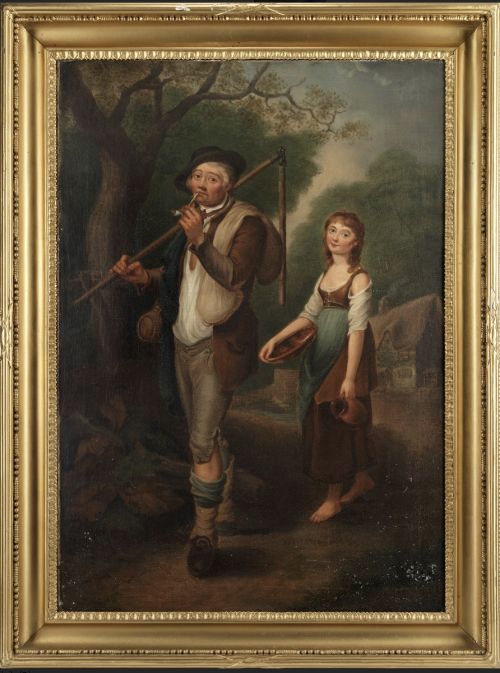
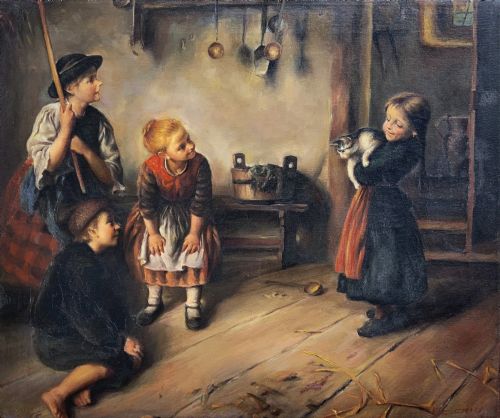
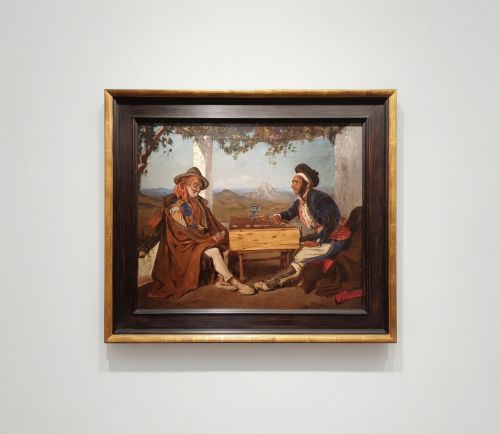
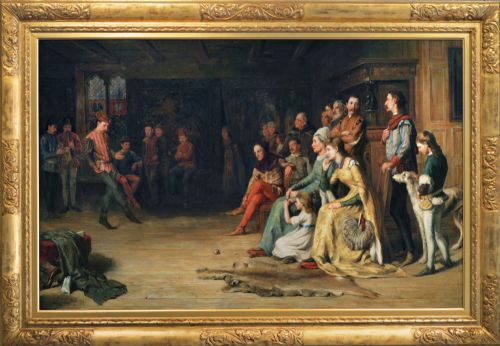
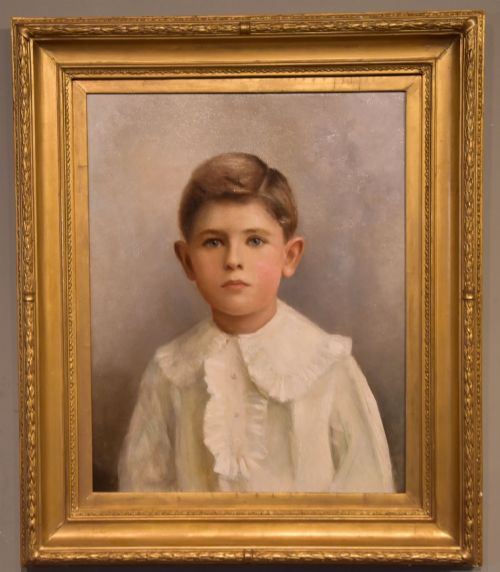
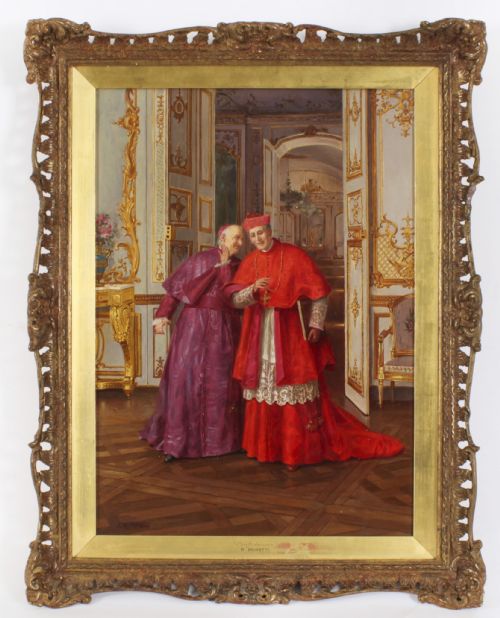
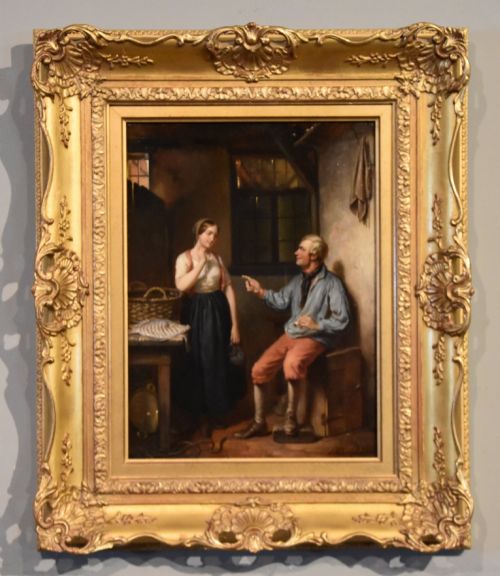
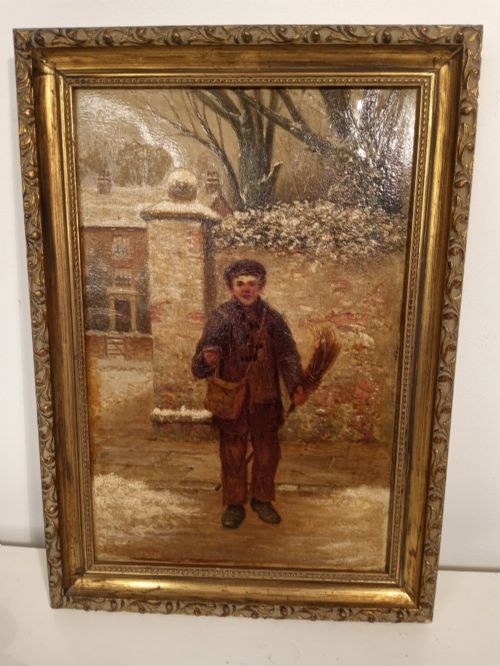
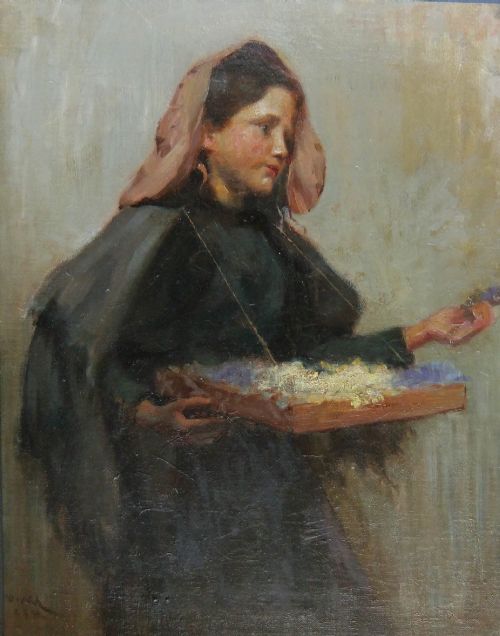
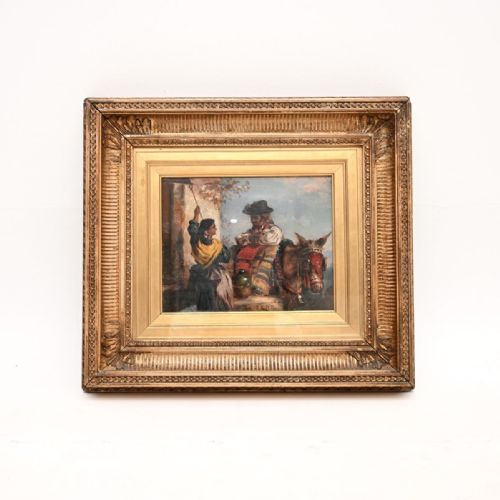
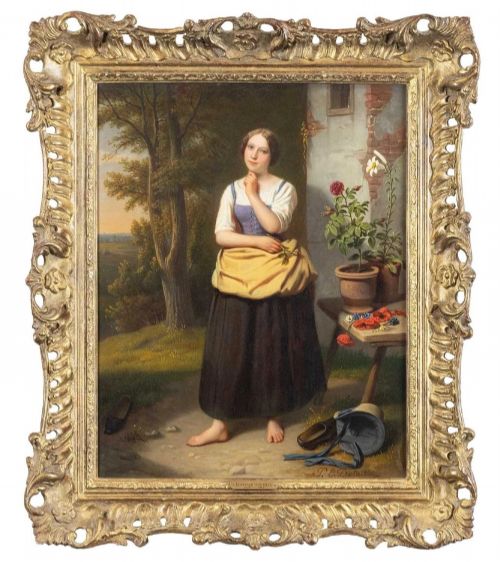
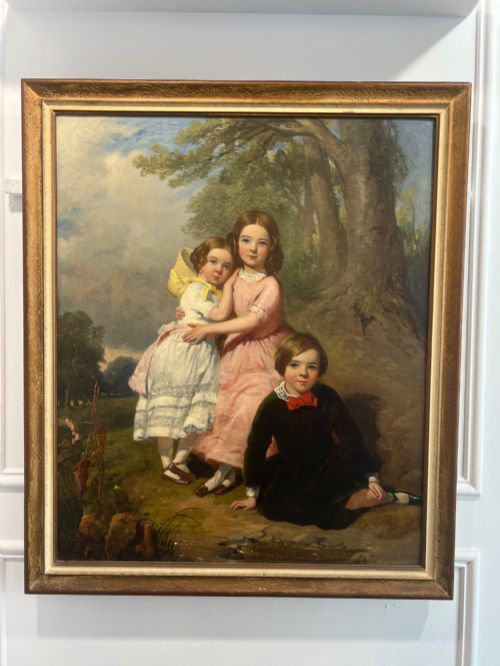
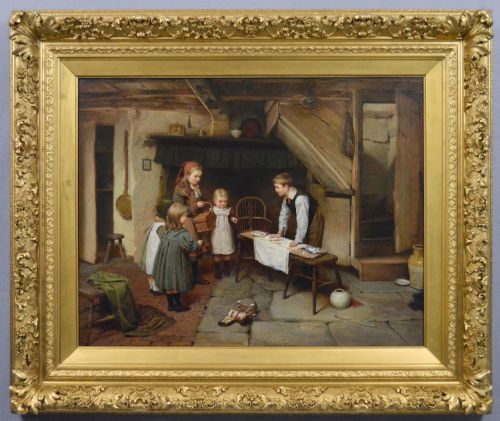
Traditional figurative oil paintings depict human subjects, domestic narratives and historical moments across the nineteenth and early twentieth centuries. A buyer searching for a traditional figurative oil painting encounters framed works ranging from intimate cottage interiors and children at play to large historical genre scenes and formal portraits.
The selections span Victorian realism, academic realism and romanticism, originating from British, Dutch, French and Italian schools. These works capture daily life, social interactions and character studies executed by named artists and regional schools working within established academic traditions.
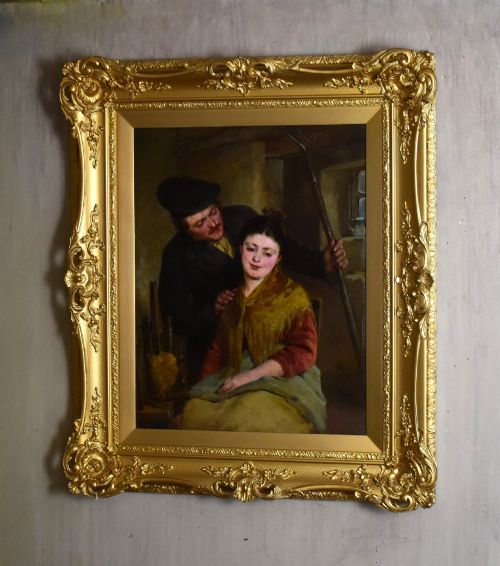
Most examples rely on canvas or wood panels housed within period giltwood and gesso frames. The subject matter centres firmly on people, whether solitary figures or groups gathered in landscapes, country houses and modest interiors.
How they were made
Artists applied oil paint in multiple layers, building depth through translucent glazes and opaque highlights upon a prepared canvas or wood panel. This technique allowed painters to achieve subtle tonal gradations in skin tones, fabrics and interior lighting.
Supports were stretched over wooden frames or secured to wooden panels, then primed to receive the oil medium. Completed artworks were typically housed in ornate giltwood frames finished with moulded gesso detailing.
Traditional Figurative Oil Painting Retail Price Guide 2026
Typical asking prices for traditional figurative oil painting among the pieces listed under this phrase on Sellingantiques today, from the lower quarter to the upper quarter. They describe what is for sale here now, not the wider market.
Listings feature works executed on canvas and wood, framed in giltwood and gesso across the nineteenth and twentieth centuries.
What varies in quality
Quality rests in the handling of anatomy, facial expression and the interaction of light within the composition. Masterful brushwork defines texture in fabrics and skin, whereas weaker examples present stiff figures and flat, unconvincing spatial depth.
The integrity of the original canvas, the stability of the paint layers and the preservation of the matching period giltwood frame distinguish superior survivals from compromised works.
Thomas Barker of Bath·Howard Helmick·James Hamilton·Henry Windsor Fry·Jacob Akkersdijk·William Watt Milne·Thomas Kent Pelham·Harry Brooker·Charles Haigh Wood·Haynes King·John Sanderson Wells·James Kyd·David Teniers II·Friedrich von Kaulbach·Hendricus Joseph Dillens·William Adolph Bouguereau·Frank Hyde·Fernand Jean Barbier·Jane Maria Bowkett·William Oliver·Henry Weigall·Thomas Rose Miles·John Ritchie·Karel Frans Philippeau·Frederick Bartman
The Traditional Figurative Oil Painting Glossary
- Genre painting
- Depiction of aspects of everyday life by depicting ordinary people caught in common activities. These scenes offer social history through domestic interiors and street life.
- Giltwood
- Wood carved and covered with a thin layer of gold leaf. This material forms the primary construction of ornate Victorian and Edwardian picture frames.
- Gesso
- A paint mixture consisting of a binder mixed with chalk, gypsum, or pigment. It served as a smooth preparation base for wooden panels and was moulded for decorative frame relief.
- Oil on canvas
- Pigment ground in a drying oil applied to a woven fabric support. Canvas remains the standard foundation for traditional paintings across the nineteenth century.
- Academic realism
- A style of painting produced under the influence of European academies of art. It prioritises precise draughtsmanship, classical composition and finished surface detail.
Traditional Figurative Oil Painting: Frequently Asked Questions
What is a genre oil painting?
A genre painting portrays scenes from everyday life, featuring ordinary people engaged in common domestic, social or outdoor activities.
Unlike formal portraits or historical tableaux, these works capture narrative moments and social observations of their era.
Are original giltwood frames important?
Period frames provide historical context and complement the aesthetic balance of nineteenth-century canvases.
Matching frames preserve the integrity of the piece, though frames often underwent replacement or regilding over decades of ownership.
How do I date a nineteenth-century oil painting?
Dating relies on stylistic evidence, artist signatures, biographical records and the construction methods of the canvas support and frame.
Examine stretcher bars, canvas stamps from art suppliers and written inscriptions on the reverse for clues to the origin.