

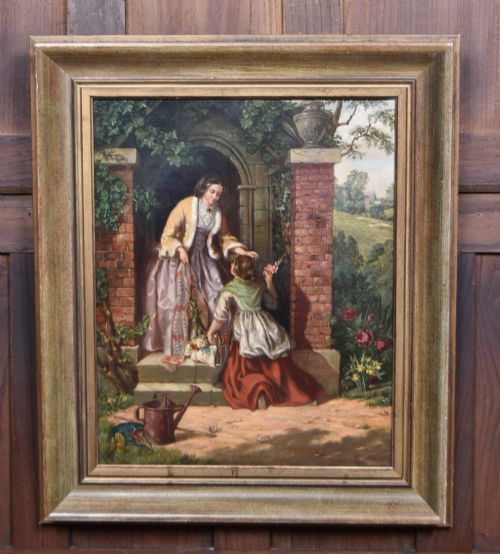
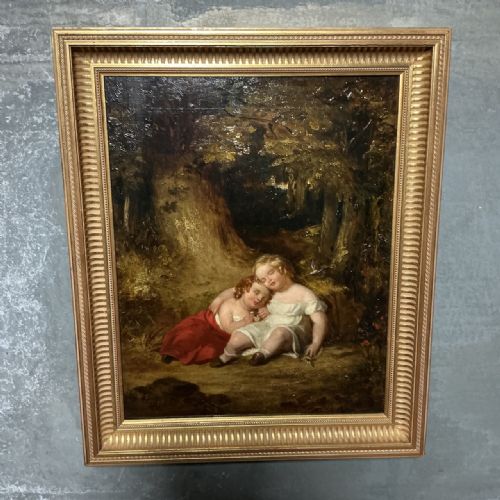
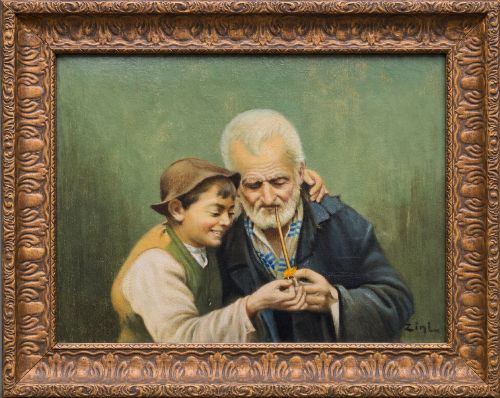
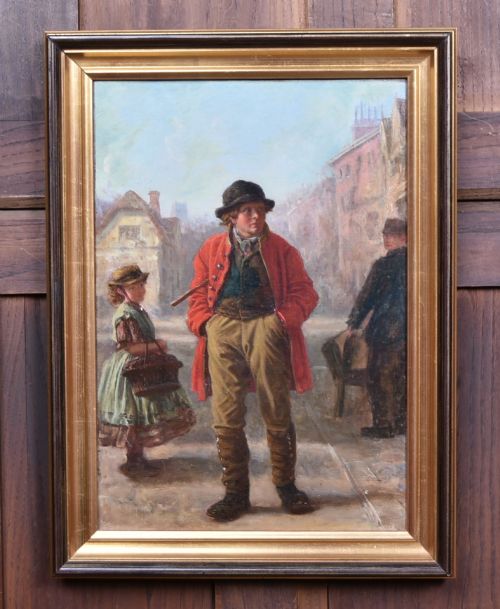
Traditional Figurative Art
Traditional figurative art centres on human subjects and daily life, offering buyers a window into past societies through portraits and narrative scenes.
Traditional Figurative Art
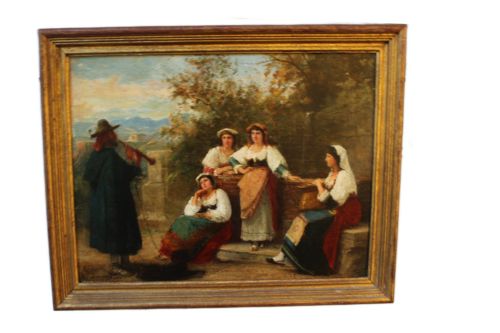
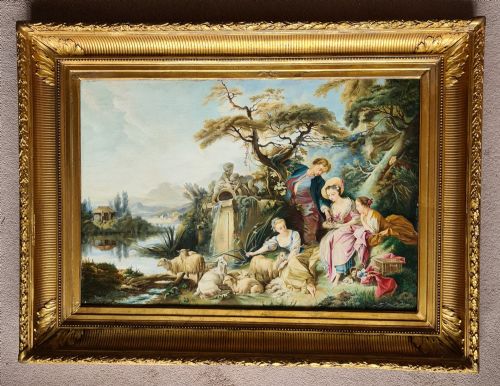
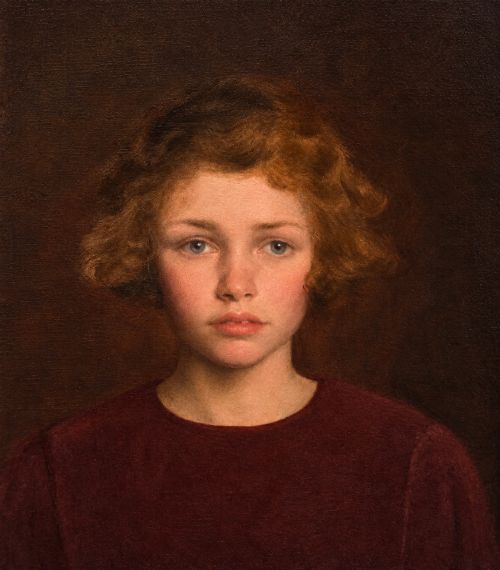
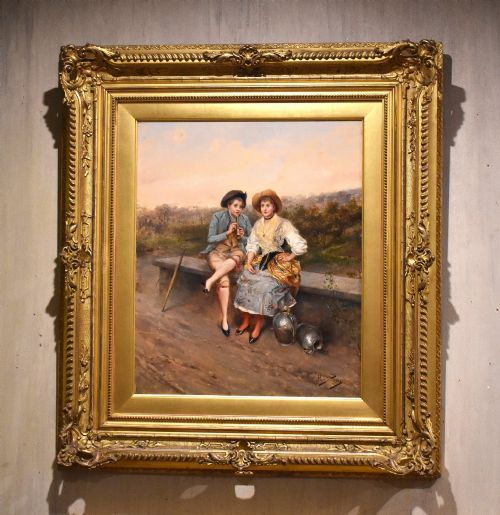
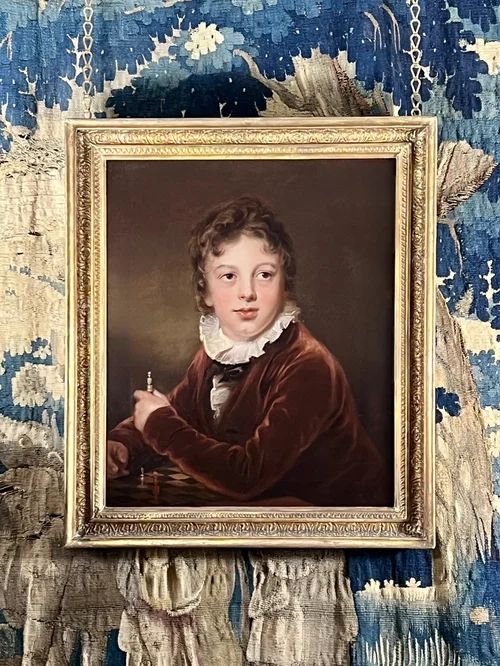
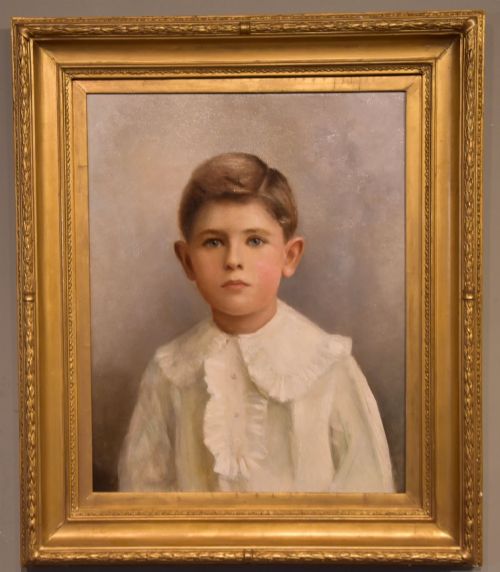
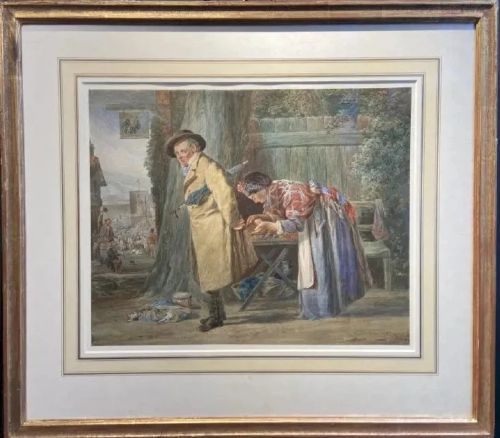
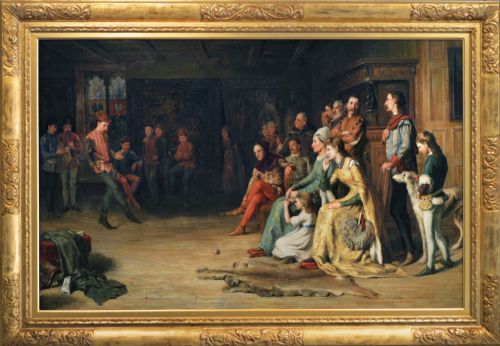
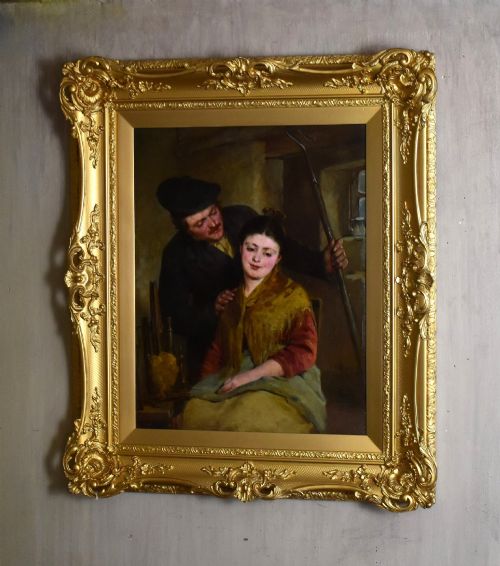
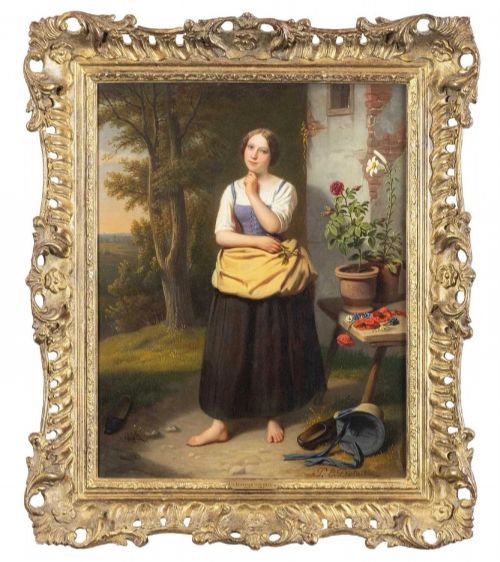
Traditional figurative art captures human forms and narrative scenes, ranging from formal portraiture to intimate glimpses of daily life. When searching for traditional figurative art, buyers encounter works executed across the nineteenth and twentieth centuries, including Regency, Victorian, and Edwardian examples.
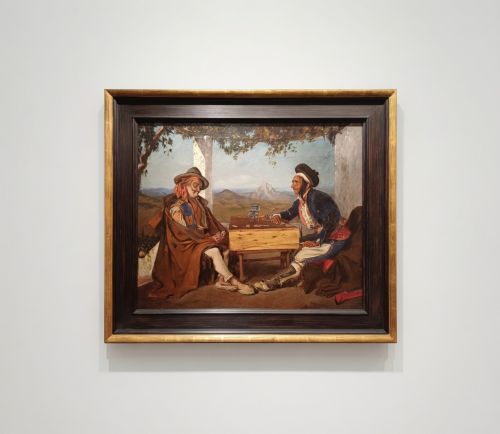
The selections span oil paintings on canvas and panel, alongside watercolours, tempera, and woodblock prints. Domestic subjects, genre scenes of cottage life, and individual portraits dominate the offerings, reflecting societal values and artistic conventions of their respective eras.
Works originate from British, Dutch, Flemish, and broader European schools, capturing regional dress, trades, and interiors. Each piece preserves a fragment of human history through the lens of academic realism, romanticism, or regional genre painting.
How they were made
Makers built these pieces primarily using oil paint applied to woven canvas or wooden panels, often supported by gesso grounds and housed in giltwood frames. Artists utilised fine brushes to build up layered glazes, rendering textures of fabric, skin, and interior furnishings with precision.
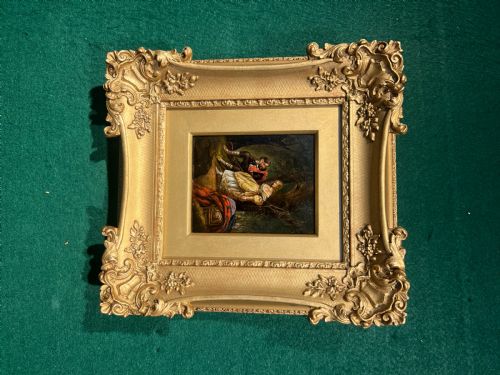
Support materials varied from heavy linen canvas stretched over wooden frames to dense wooden panels and paper sheets for watercolours and prints. Giltwood moulding provided ornate framing that completed the presentation of the finished work.
Traditional Figurative Art Retail Price Guide 2026
Typical asking prices for traditional figurative art among the pieces listed under this phrase on Sellingantiques today, from the lower quarter to the upper quarter. They describe what is for sale here now, not the wider market.
Among the portraits of humans and rural scenes sits an amusing carved wood nutcracker depicting a night watchman.
What varies in quality
Quality rests upon the artist's command of anatomy, expression, and light, which separates routine studio output from masterwork composition. Finer examples capture psychological depth and narrative tension with confident brushwork, whereas lesser pieces rely on stiff posture and repetitive formulae.
The handling of materials also distinguishes the grade of a piece, observable in the preservation of pigment layers and the integrity of the canvas or panel support. Original frames matching the period of the artwork add a layer of coherence that elevates the piece.
Margaret Sarah Carpenter·Thomas Barker of Bath·Howard Helmick·Joseph H Barnes·James Hamilton·Henry Windsor Fry·Renato Moretti·Jacob Akkersdijk·Thomas Kent Pelham·Charles Edward Wilson·Harry Brooker·Charles Haigh Wood·Haynes King·John Sanderson Wells·James Kyd·David Teniers II·Friedrich von Kaulbach·Kunisada·Hendricus Joseph Dillens·William Adolph Bouguereau·Frank Hyde·Fernand Jean Barbier·Thomas James Lloyd·Jane Maria Bowkett
The Traditional Figurative Art Glossary
- Genre painting
- Depiction of aspects of everyday life by portraying ordinary people occupied in common scenes. These works capture domestic interiors, markets, and rural labour rather than grand historical or mythological events.
- Oil on canvas
- Pigments bound in a drying oil medium applied to a stretched fabric support. This technique allowed artists to blend tones smoothly and rework areas during the painting process.
- Gesso
- A white paint mixture consisting of a binder mixed with chalk, gypsum, or pigment. It served as a prepared surface on wood panels or frames before gilding or painting.
- Giltwood
- Wood carved and treated with a thin layer of gold leaf or gold paint. It frequently forms the decorative surface of antique picture frames.
- Woodblock print
- A technique for printing text, images or patterns used widely in East Asian art. Ink is applied to a carved wooden block and transferred onto paper under pressure.
Traditional Figurative Art: Frequently Asked Questions
What is traditional figurative art?
Traditional figurative art encompasses paintings, watercolours, and prints that focus primarily on the human form, portraits, and narrative scenes of daily life.
These pieces reflect historical artistic conventions, capturing likenesses and societal customs from the seventeenth century through the mid-twentieth century.
How were these artworks displayed?
Historical artworks of this nature were predominantly framed in carved wood and gilt mouldings designed to complement domestic interiors and public reception rooms.
Collectors today continue this tradition by hanging pieces on prominent walls with adequate ambient lighting to showcase the paint texture and detail.
How do I identify the period?
Dating relies upon stylistic markers in clothing, interior decoration, and the framing materials used alongside the technical execution of the brushwork.
Signatures, inscriptions on the reverse, and stretcher construction also provide concrete clues to establish the era of creation.
How should I care for oil paintings?
Oil paintings require stable indoor humidity and protection from direct sunlight to prevent canvas slackening, pigment fading, and varnish yellowing.
Dusting should be performed gently with a soft, dry brush, avoiding liquid cleaners or harsh chemical solvents entirely.