


Traditional English Dog Art
Traditional English dog art captures working and sporting hounds in oils on canvas or board, originating largely from Victorian and Edwardian periods.
Traditional English Dog Art
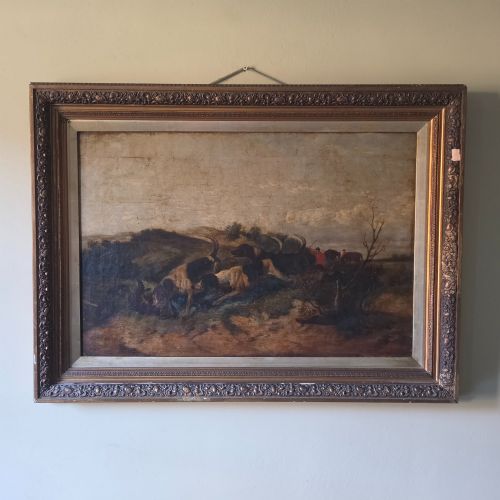
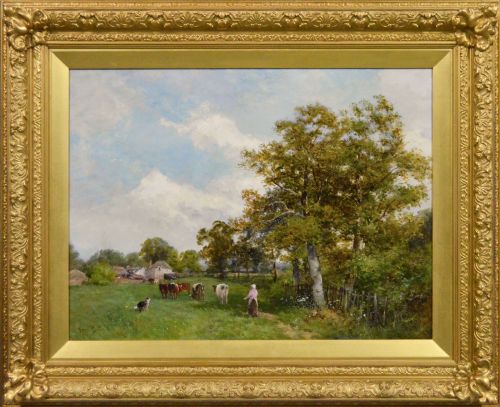
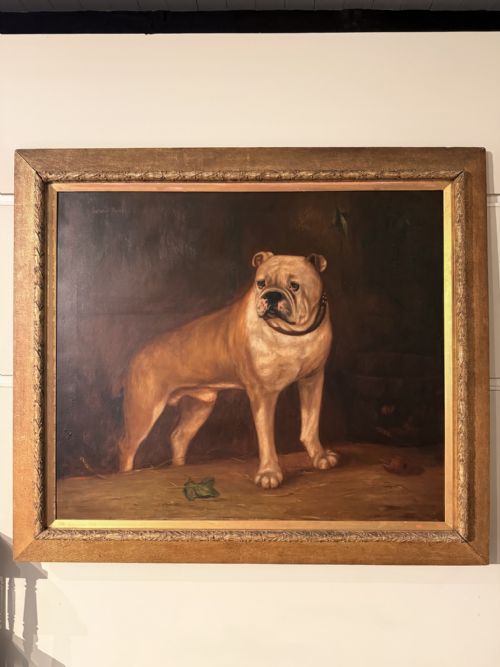
Traditional English dog art comprises oil paintings, watercolours, and lithographs depicting hounds, terriers, and sporting dogs in rural and domestic settings. Buyers seeking this category encounter Victorian and Edwardian works created by named sporting painters and naive artists alike.
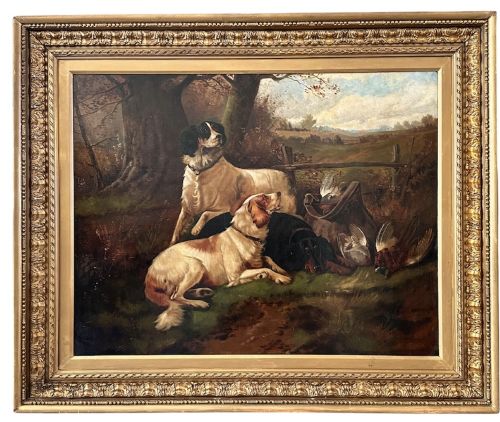
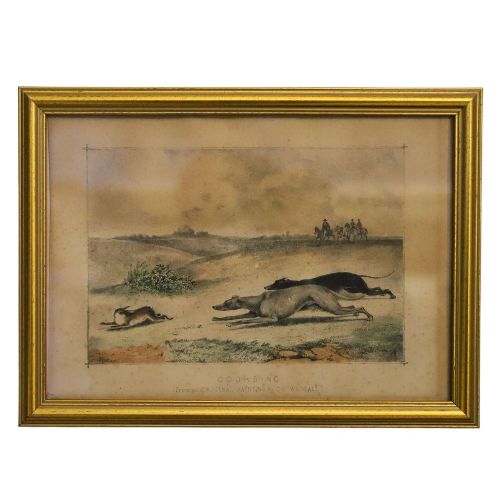
The subjects range from solitary terriers and bulldogs to gun dogs, greyhounds, and hunting parties accompanied by horses and farmworkers. These pieces reflect the prominent place of working animals in nineteenth-century country life.
Most examples originate from the nineteenth century, executed on canvas, board, or paper, often housed in period wooden or gilt frames. The selection includes both signed canvases by established painters and atmospheric works by followers of recognised animal artists.
What varies in quality
Anatomical accuracy and the rendering of canine expression set the finest paintings apart from naive or derivative works. Painters who understood bone structure and musculature captured movement and posture with distinct vitality.
The sophistication of the surrounding landscape and handling of light determine the artistic ambition of a piece. Works by listed academic artists display more accomplished brushwork in foliage and atmosphere than anonymous school pieces.
Several dogs share their canvas with farmworkers, pheasants, and top hats, proving that nineteenth-century hounds moved in very distinguished company.
David Bates·John Sargent Noble·Colin Graeme Roe·Henri Schouten·Thomas Blinks·James Ward·George Cole·John Emms
The Traditional English Dog Art Glossary
- Oil on canvas
- Pigment suspended in drying oil applied to stretched woven fabric. This medium allows for deep blending of colour and texture in animal portraits.
- Lithography
- A planographic printing process using stone or metal plates to produce multiple impressions. It allowed nineteenth-century sporting scenes to reach a wider audience.
- Naive school
- Art created by self-taught or untrained painters working outside academic conventions. These pieces possess direct charm and unvarnished character.
- Sporting art
- Depictions of rural pastimes, game, horses, and hounds. This genre reflects the social history of British field sports and country pursuits.
Traditional English Dog Art: Frequently Asked Questions
What periods do these paintings come from?
The available works span the nineteenth and early twentieth centuries, with a strong representation of Victorian and Edwardian examples.
Dates range from early nineteenth-century scenes through to Edwardian interpretations of traditional sporting subjects.
Are these works signed by the artist?
Many pieces carry signatures or attributions to recognised nineteenth-century sporting painters and their followers.
Others are attributed to naive schools or remain unsigned while displaying period characteristics.
What dog breeds appear most often?
Common subjects include setters, spaniels, pointers, terriers, greyhounds, and bulldogs shown in working or rural environments.
These breeds reflect the popularity of shooting, hunting, and companionship in British country life.
How do I display a framed oil painting?
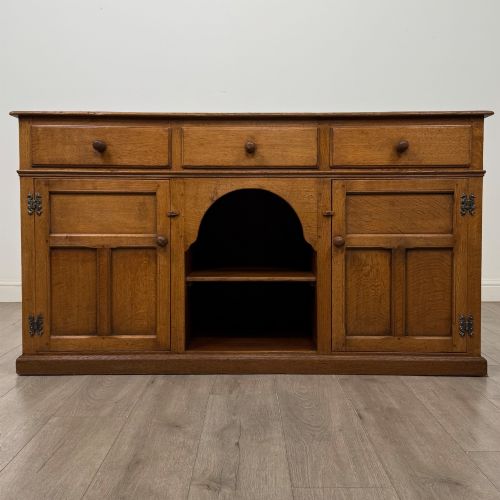
These paintings suit traditional interiors, libraries, and country house settings, often mounted above sideboards or dressers.
They require stable wall spaces away from direct sunlight and excessive moisture to protect the canvas and gilt frames.