


English Naive Art Painting
An english naive art painting brings direct, unpretentious charm into a room through honest brushwork and local character.
English Naive Art Painting
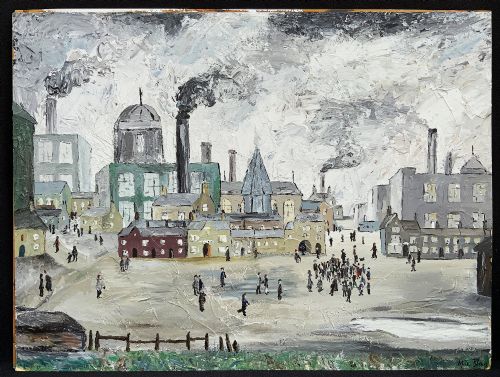
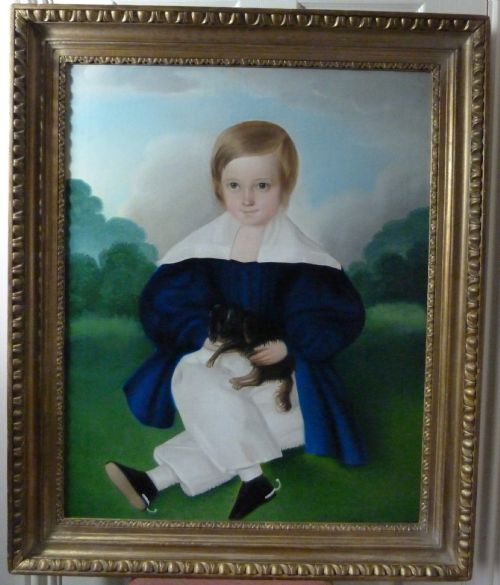
An english naive art painting captures everyday subjects through the unfiltered lens of self-taught artists, offering a direct view of historical life. When exploring an english naive art painting, you will encounter diverse forms ranging from rural street scenes and animal portraits to topographical townscapes.
The selections available here span multiple periods, including pieces from the eighteenth century, the nineteenth century, the Edwardian era, and mid-twentieth-century works. These depictions reflect local trades, domestic animals, and familiar landscapes created without formal academic training.
Most examples you meet on this page lean heavily into the English Naive School, Folk Art, and British Naive Art traditions. Their appeal lies in their lack of academic perspective, favouring instead a bold clarity that tells a straightforward visual story.
Materials and construction
Makers of an english naive art painting typically applied oil paint directly onto stretched canvas, prepared wooden boards, or standard wood panels. These accessible grounds were readily available to provincial makers and amateur artists.
Pigments were worked with straightforward brushes to build flat planes of colour and clear outlines rather than subtle sfumato or academic shading. Many surviving works retain simple wooden or period gilt frames that complement the directness of the imagery.
Assessing quality and character
Quality in an english naive art painting rests on the strength of the composition and the confidence of the brushwork. Stronger examples command attention through bold colour choices and a distinct narrative clarity that brings the subject to life.
The vitality of the expression separates compelling works from stiff or hesitant copies. A superior piece captures the personality of a border collie or the atmosphere of a northern townscape with unforced rhythm and direct observation.
Gertrude Halsband·Fred Yates
The English Naive Art Painting Glossary
- Oil on canvas
- Pigment suspended in drying oil applied to a woven fabric support. This combination forms the primary medium for many traditional framed paintings.
- Primitive
- Art created by individuals without formal academic training, often characterised by simplified perspective and direct storytelling.
- Topographical
- Depicting a specific real-world place, building, or landscape with recognisable local landmarks. These works often serve as historical records of towns and villages.
- Provincial
- Originating from outside the capital or major artistic centres, reflecting local styles and regional materials. Such works showcase the tastes of country communities.
- Gilt
- Covered with a thin layer of gold leaf or gold-coloured paint. This finish frequently highlights the moulded wooden frames surrounding historical artworks.
English Naive Art Painting: Frequently Asked Questions
What is an english naive art painting?
An english naive art painting is a work created by an artist without formal academic training, typically focusing on everyday scenes, animals, or local topography.
These pieces use direct perspectives and bold forms to record historical life without the constraints of classical rules.
How do I date an english naive art painting?
Dating relies on the materials used, such as canvas or wooden board, alongside the clothing, architecture, and subject matter depicted in the scene.
Inscribed dates on the reverse or stylistic clues tied to periods like the Victorian era or Edwardian years also help establish age.
Where were these paintings displayed?
These works historically hung in provincial homes, local public houses, or farmhouses rather than grand salons or academic galleries.
Their unpretentious subject matter made them suited for everyday domestic spaces and local meeting places.
How do I care for my painting?
Keep the artwork out of direct sunlight and away from damp environments to protect the oil paint and canvas from deterioration.
Dust the surface gently with a dry, soft cloth and avoid using liquid cleaners on the paint or frame.