

Traditional English Dining Table
A traditional english dining table brings solid timber and centuries of craft to the room, anchoring the space for daily meals and gatherings.
Traditional English Dining Table
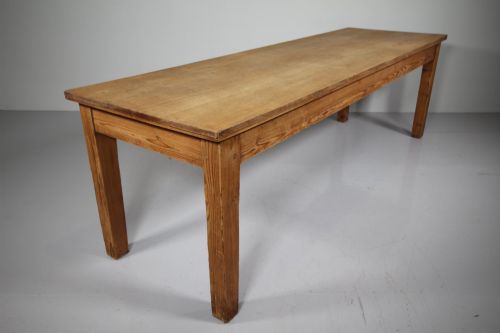
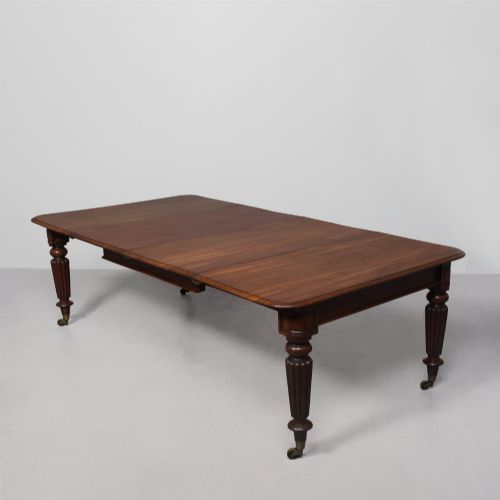
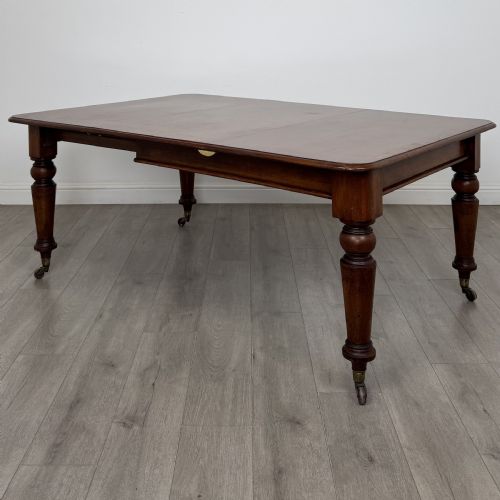
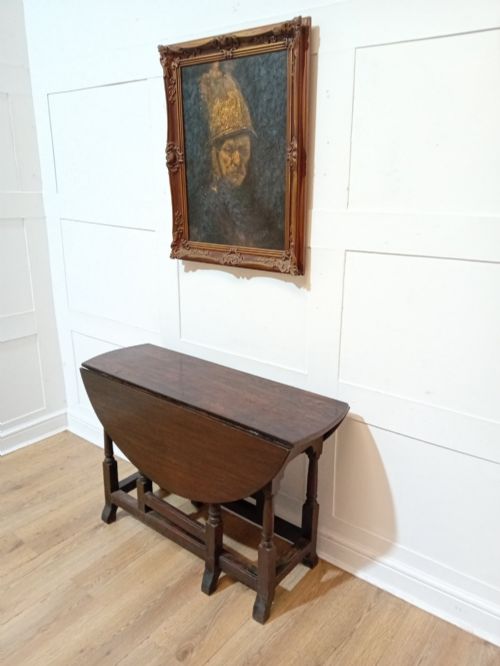
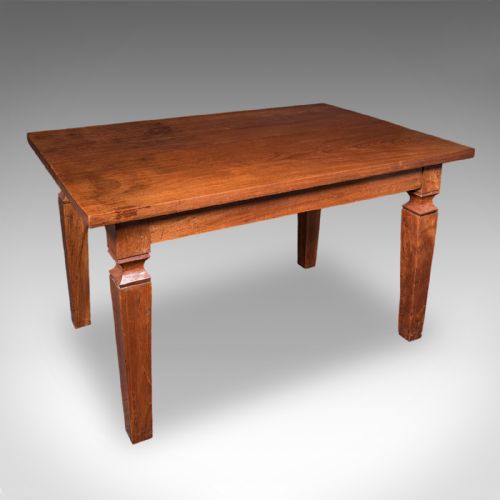
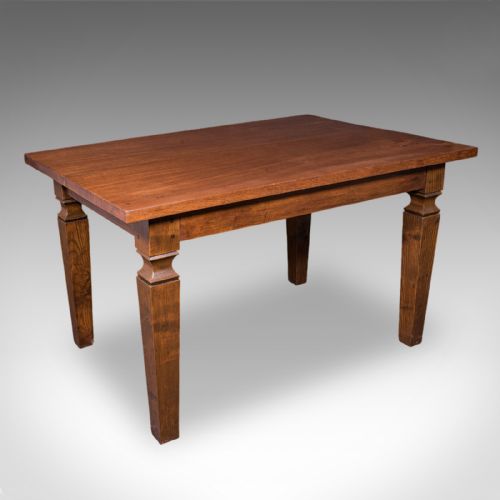
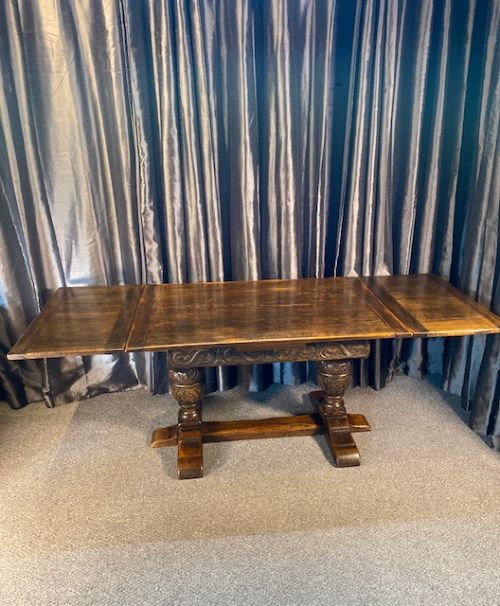
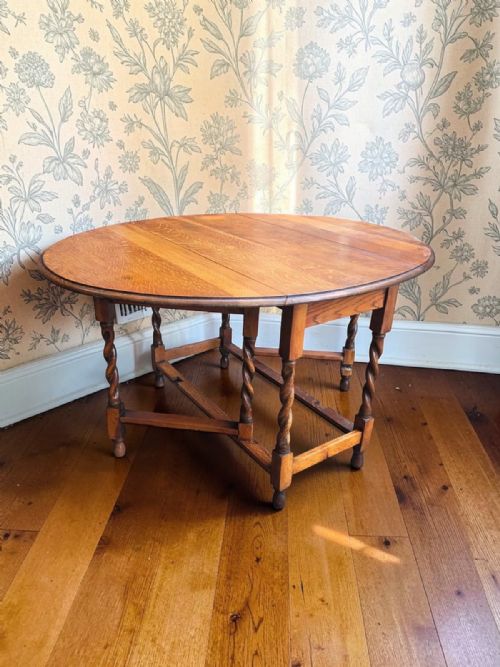
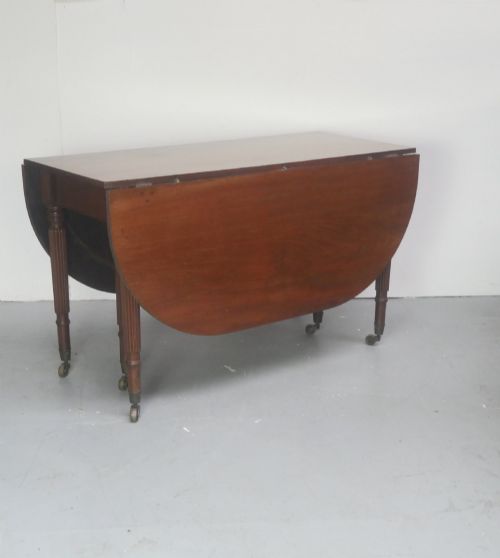
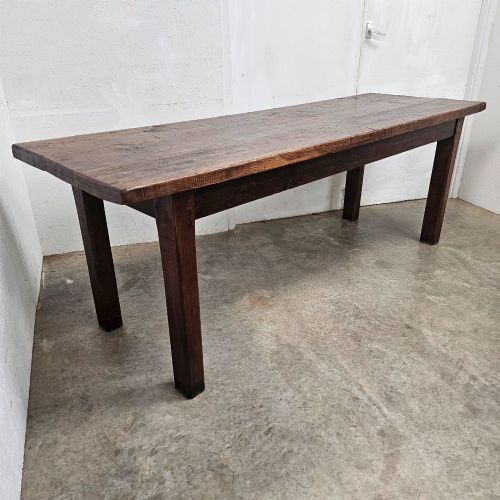
A traditional english dining table spans centuries of domestic design, ranging from early oak gateleg and refectory forms to later mahogany banquet tables. Buyers encounter sturdy farmhouse and kitchen tables built from local timbers, alongside refined mahogany and walnut pieces echoing Georgian and Regency proportions.
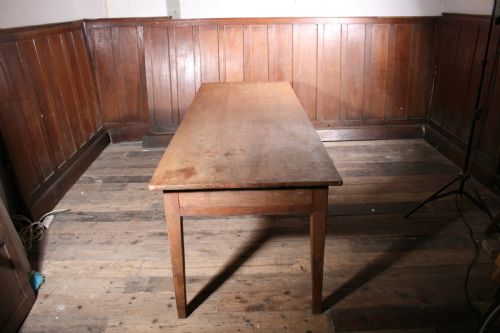
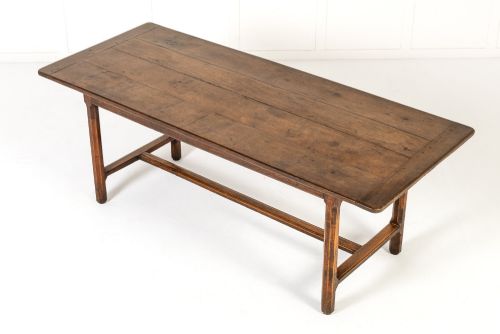
The selection leans heavily toward oak and pine farmhouse tables, alongside drop-leaf and draw-leaf variants designed for practical expansion. These pieces reflect the functional needs of English dining spaces across the seventeenth, eighteenth, nineteenth, and early twentieth centuries.
Materials and Construction
Makers relied primarily on English oak, mahogany, walnut, and pine, selecting timbers for strength and grain pattern. Joinery methods such as draw-leaf mechanisms, gateleg pivots, and solid plank construction ensured that large tables could support heavy daily use without losing stability.
Secondary timbers like beech and elm often reinforced structural elements, while clever mechanics like drop leaves and extending leaves provided versatility. Surfaces were finished to highlight the natural warmth of the wood rather than conceal it beneath heavy pigments.
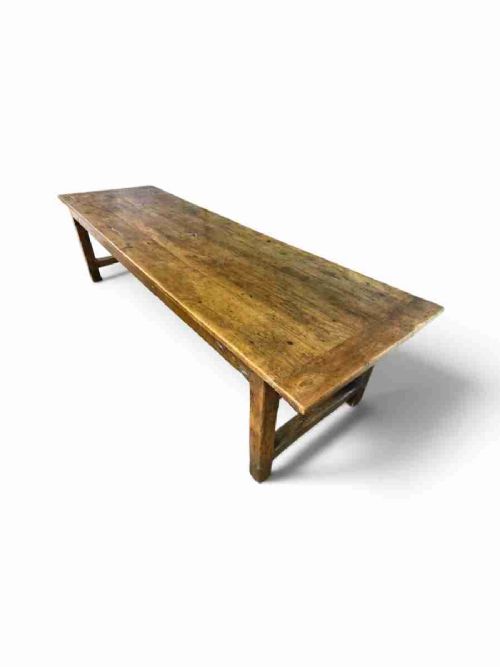
Listings feature eighteenth-century oak farmhouse examples alongside nineteenth-century pine tavern trestles and early twentieth-century draw-leaf tables.
Material Integrity and Proportion
Quality rests in the integrity of the timber and the honesty of the construction, where boards retain their original thickness and texture. Superior examples display thoughtful joinery that accommodates natural wood movement while maintaining a rigid, level surface.
Proportion and restraint separate utilitarian pieces from finer expressions of period style, such as balanced gateleg turnings or well-scaled pedestals. The handling of edges, leaves, and stretchers reveals the maker's eye for harmonious domestic design.
Gillows . Lancaster·James Dixon & Sons
The Traditional English Dining Table Glossary
- Gateleg table
- A table with hinged drop leaves supported by legs that swing outward like gates. This clever mechanism allows the surface area to double when guests arrive.
- Refectory table
- A long, narrow dining table traditionally used in communal dining halls. These pieces typically feature substantial legs joined by low floor stretchers for added rigidity.
- Draw-leaf table
- An extending table featuring two pull-out leaves stored beneath the main top. Pulling them extends the surface smoothly without removing the centre section.
- Barley twist
- A turning technique resembling a spiralling rope found on table legs and stretchers. This decorative detail gained popularity during the seventeenth century and later revivals.
- Drop-leaf
- A table top configuration comprising a fixed centre section and hinged flaps on either side. It offers compact storage when lowered against walls.
Traditional English Dining Table: Frequently Asked Questions
How do I choose the right size?
Consider the daily seating requirements alongside the maximum extension offered by leaves or draw mechanisms. Allow sufficient clearance around the perimeter for chairs and movement within the room.
Measure the available floor space carefully, keeping in mind that older tables often feature overhangs or trestle bases that alter how seating fits underneath.
How should I care for an old timber top?
Protect the wood from excessive moisture and direct heat sources that can cause timber to warp or split. Apply natural waxes periodically to nourish the grain and maintain a protective barrier against everyday wear.
Avoid harsh chemical cleaners, relying instead on a soft, damp cloth for routine dusting and cleaning. Promptly wipe up spills to preserve the finish.
How do I distinguish oak from mahogany tables?
Oak exhibits a pronounced, open grain with visible medullary rays, often showing a warm golden or medium brown tone. Mahogany tends to feature a tighter, reddish-brown grain that takes a smoother, darker polish.
Examining the weight and density also helps, as mahogany often feels lighter and smoother to the touch compared to the heavy, textured surface of seasoned oak.
Can I use a historic table every day?
These tables were built for heavy domestic use and handle daily meals comfortably. Using heat mats and coasters protects the historic surface from marks while allowing you to enjoy the piece daily.
Regular use helps the timber settle into a home environment, provided humidity levels remain relatively stable throughout the changing seasons.