


Traditional English Bureau
A traditional english bureau is a working writing cabinet built to store papers behind a hinged slope, offering enduring utility and timber character.
Traditional English Bureau
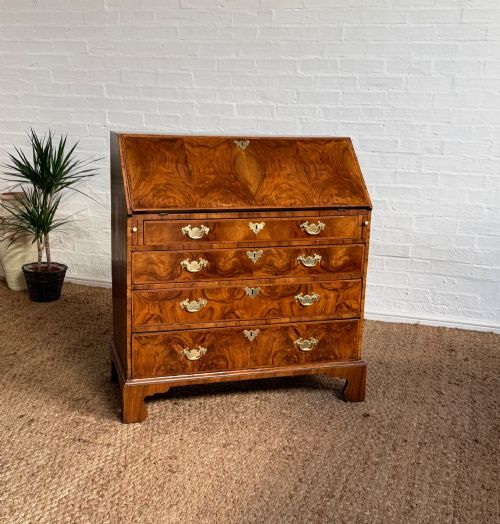
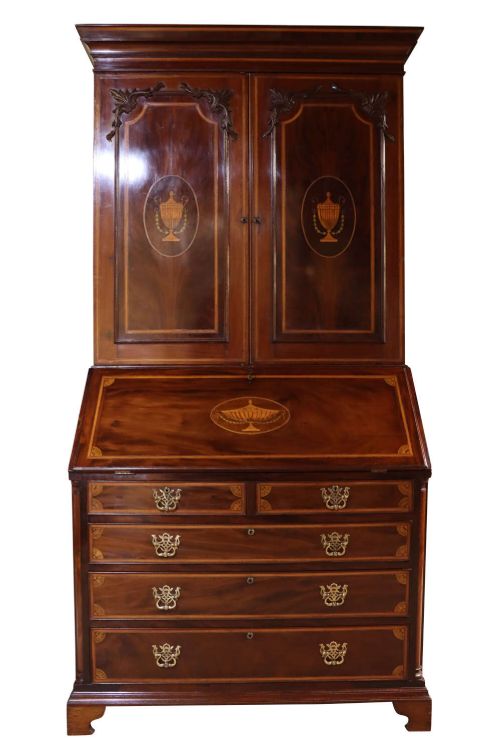
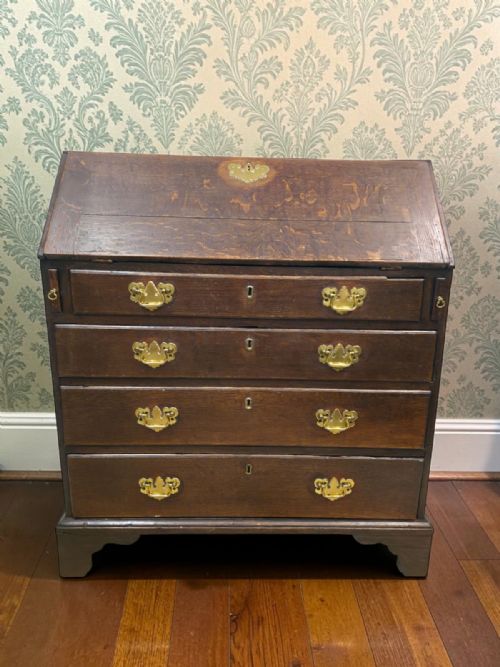
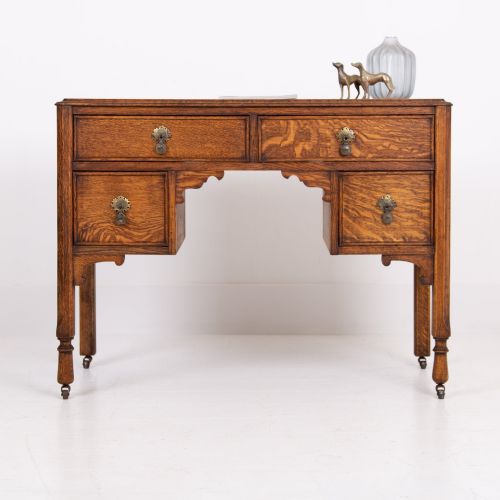
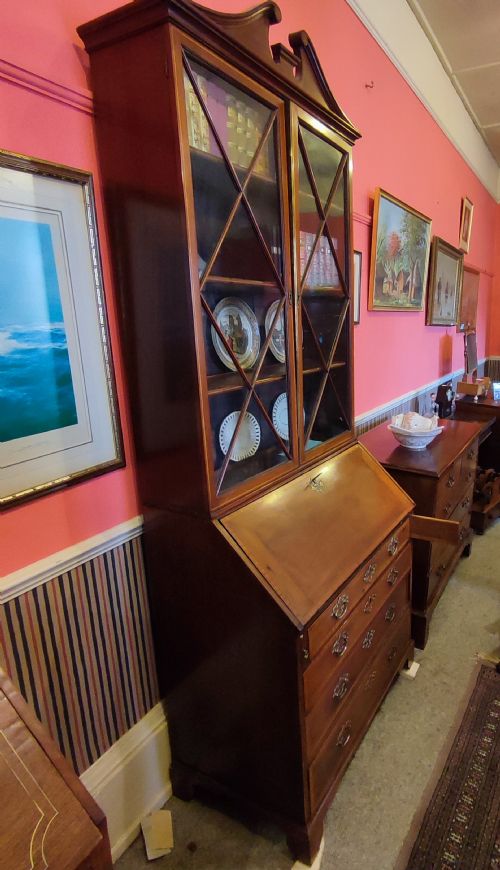
A traditional english bureau brings together writing surfaces and concealed storage in domestic rooms. Buyers hunting for a traditional english bureau typically find pieces from the Georgian and Victorian eras, alongside earlier walnut and oak examples. These items range from compact fall-front cabinets to substantial bureau bookcases fitted with glazed upper shelving.
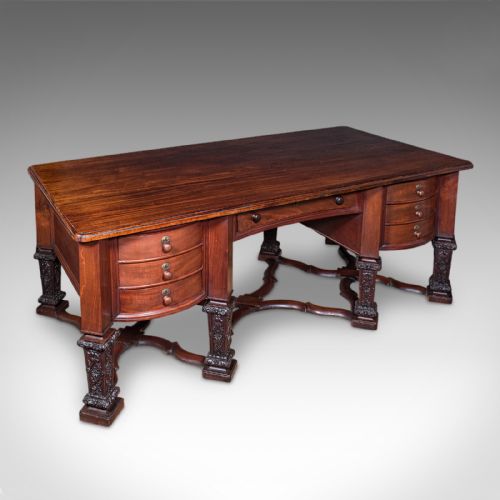
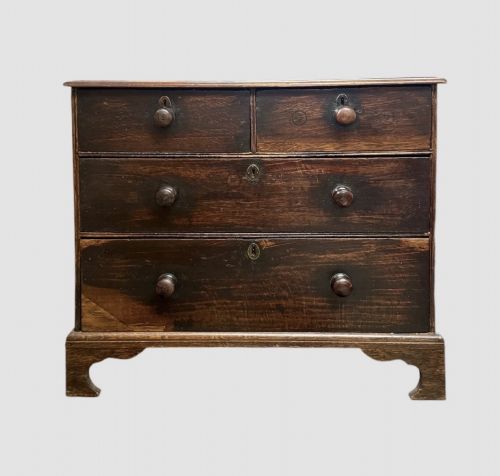
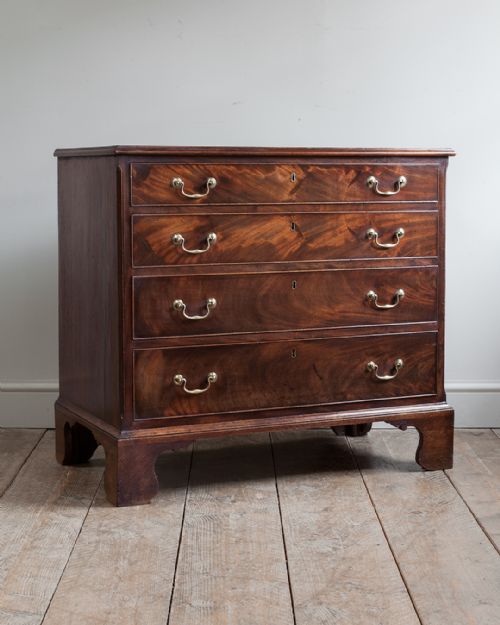
The selection includes fall-front writing desks, secretaire bookcases, and Davenport desks alongside related forms like chests of drawers. Oak and mahogany dominate the offerings, spanning the seventeenth, eighteenth, and nineteenth centuries. Each piece reflects the domestic storage needs of its period, from simple country workshops to refined urban drawing rooms.
Materials and construction
Cabinetmakers constructed these pieces primarily using solid oak, mahogany, and walnut, often applying decorative veneers over secondary timbers such as pine. Timber selection defined the character of the facade, utilising figured grains and burr growths to create visual depth on writing slopes and drawer fronts. Cabinetry methods evolved from sturdy pegged joinery in early oak examples to sophisticated veneering techniques in later periods.
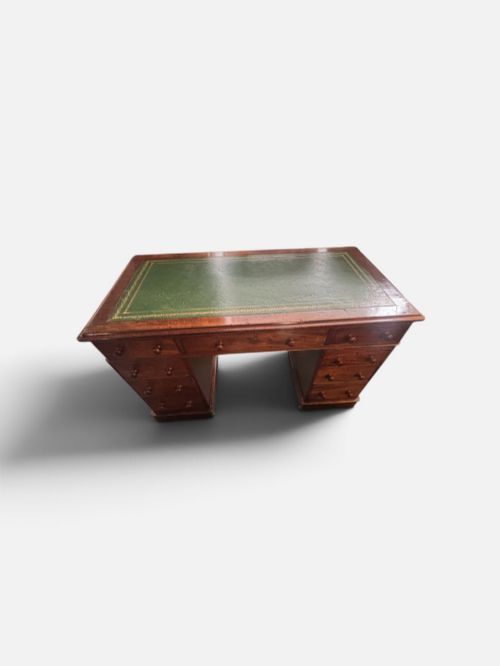
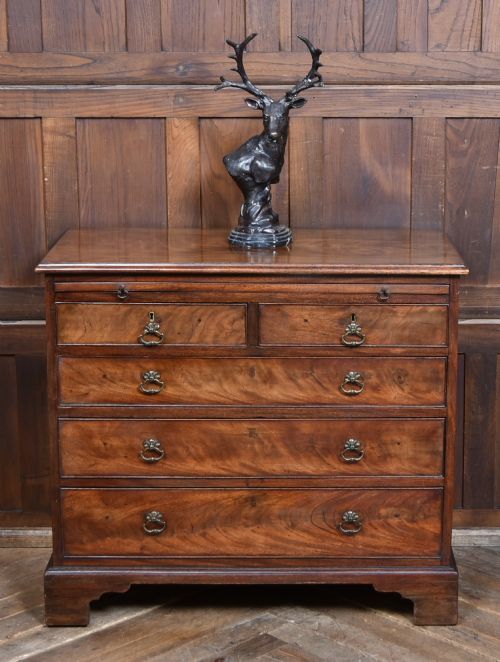
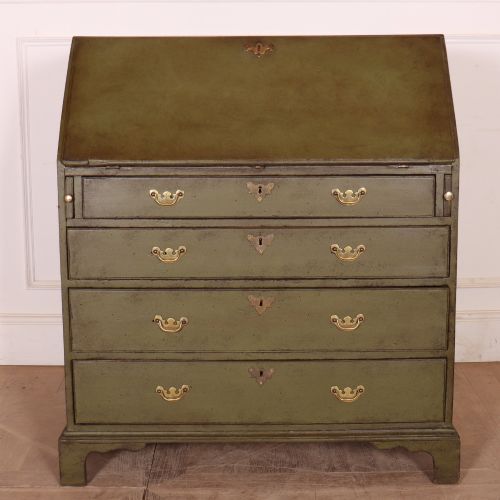
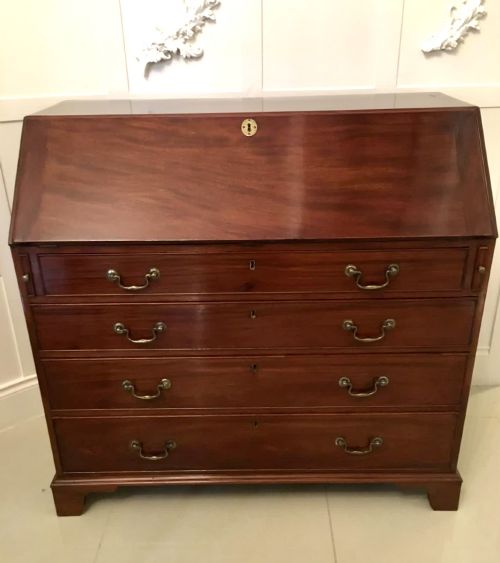
Hardware played an essential functional and decorative role, featuring brass handles and escutcheons secured to drawer fronts. Writing surfaces frequently incorporated inset leather writing panels to provide a smooth surface for correspondence. Secondary woods like pine appeared inside drawer construction, ensuring durable daily operation for sliding compartments.
Secret compartments hidden behind removable pigeonholes reward curious owners with miniature hiding spots for precious keepsakes.
Gradations in manufacture
Quality rests primarily on timber selection and the precision of internal joinery within the fitted pigeonholes and small drawers. Superior examples display carefully matched veneers and dense, richly figured hardwoods, while simpler pieces rely on plain domestic oak or painted pine. The integrity of the fall-front hinge mechanism and the smoothness of the drawer runs further separate workshop standards.
Proportion and decorative restraint dictate the refinement of a piece, distinguishing urban cabinet work from regional country production. Finer items incorporate complex interior compartments and well-executed glazing bars on upper bookcase sections. These details indicate the original commission tier and the skill of the anonymous maker.
The Traditional English Bureau Glossary
- Fall-front
- A hinged writing flap that drops forward to create a flat desk surface, concealing internal pigeonholes and small drawers when closed.
- Bureau bookcase
- A tall cabinet combining a lower writing bureau with an upper shelving section, usually enclosed by glass doors.
- Veneer
- A thin layer of figured timber applied over a stable secondary wood to present a decorative exterior surface.
- Secretaire
- A piece of furniture containing a pull-out or drop-front writing drawer, often integrated into a bookcase or chest.
- Pigeonhole
- A small, open compartment set within the interior nest of a desk for sorting letters and documents.
Traditional English Bureau: Frequently Asked Questions
What is a bureau?
A bureau is a writing cabinet featuring a sloping hinged lid that opens to reveal internal compartments and small drawers.
These pieces were designed for household correspondence and record keeping, keeping writing materials neatly stored out of sight.
How do I date a bureau?
Dating relies on timber choice, construction methods, hardware styles, and overall proportions seen across different centuries.
Early pieces often utilise solid oak with simple panel construction, whereas eighteenth and nineteenth-century examples frequently feature mahogany veneers and refined brass handles.
What woods were used?
Cabinetmakers utilised native and imported hardwoods including oak, mahogany, walnut, and yew alongside secondary softwoods like pine.
Exotic timbers and figured veneers appeared on high-status urban commissions, while regional pieces favoured sturdy local oak or painted finishes.
Where were they placed?
These cabinets sat in parlours, studies, and bedrooms as functional furniture for managing personal letters and household accounts.
The enclosed writing slope allowed owners to leave correspondence mid-task while keeping private documents secure.