





Traditional Dutch Ceiling Fitting
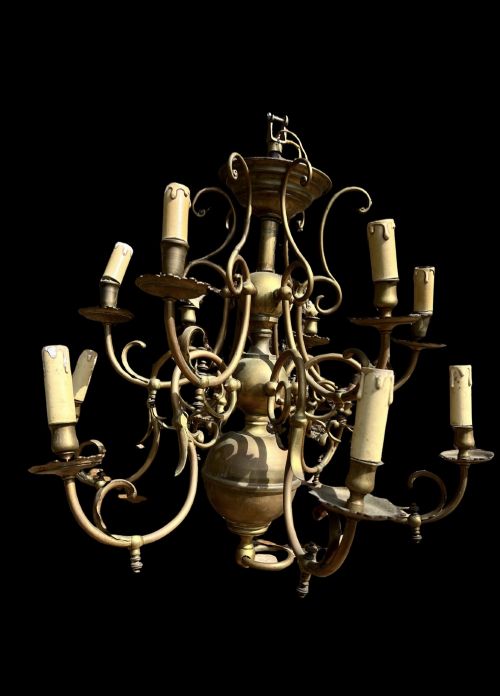
These traditional dutch ceiling fitting examples bring heavy brass and bronze branch work into domestic spaces, offering period illumination with substantial metal weight.
Traditional Dutch Ceiling Fitting
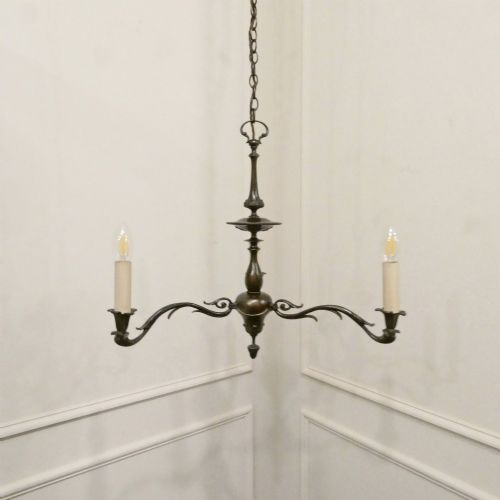
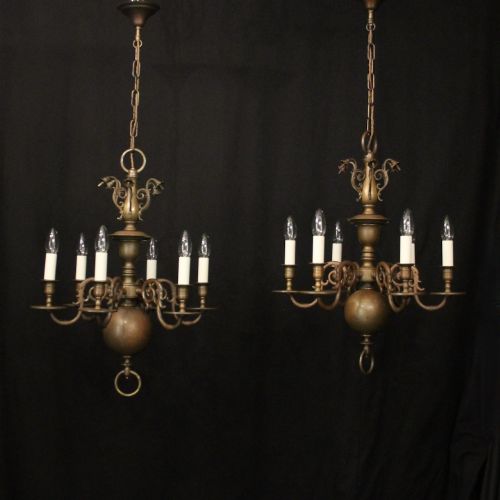
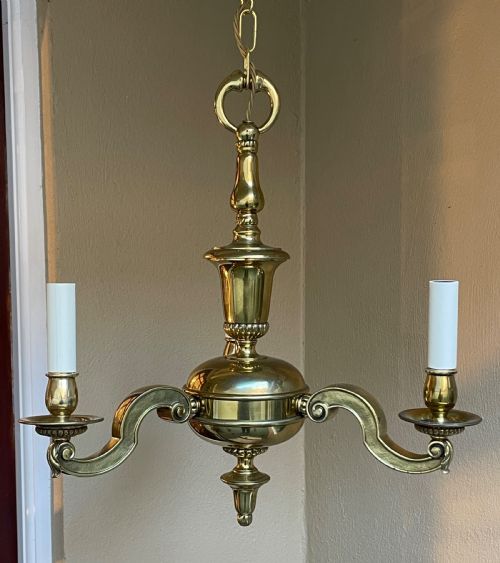
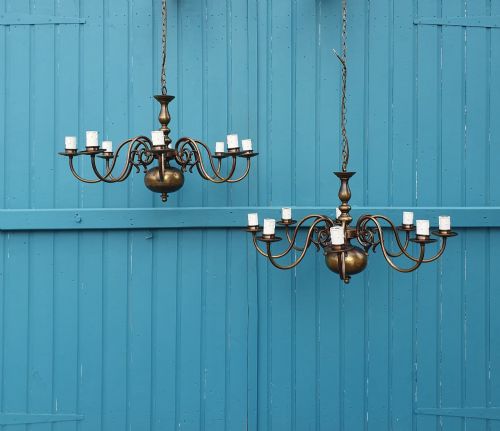
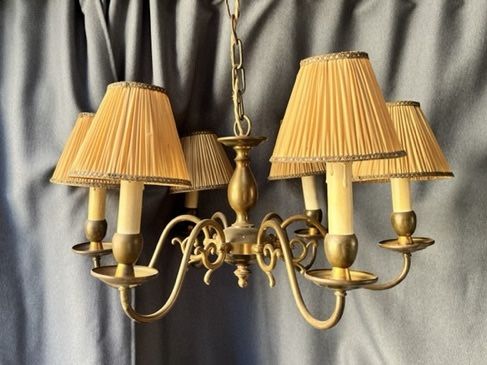
When you search for a traditional dutch ceiling fitting, you encounter multi-armed brass and bronze chandeliers spanning periods from the eighteenth century up through the Edwardian era and the 1930s. The core form relies on robust metal branches, typically featuring three to twelve lights arranged in single or multi-tier configurations.
The versions you meet most frequently on this page date from the Edwardian period, 1920, and 1930, alongside earlier nineteenth-century examples and eighteenth-century styles. These pieces draw on Dutch Baroque, Flemish Renaissance, and Victorian Flemish Revival design traditions, using cast brass, solid brass, copper, and silver plate.
Origin and style intersect through heavy metalwork associated with Dutch and Flemish lighting forms. Whether rendered as a gasoliere from 1850 or a large scroll-armed pendant from 1920, each fitting presents a substantial overhead presence rooted in historical European metalworking idioms.
Materials and construction methods
Construction relies heavily on cast brass, solid brass, and bronze, often shaped into structural scrolls and multiple branches to support the weight of the metal components. Copper and silver plate appear as surface materials and contrasting elements across the listed examples.
The manufacturing techniques involve traditional metal casting and joining methods suited to heavy chandelier frames. Individual arms are secured to central columns, accommodating early gas configurations or later electrical conversions while maintaining structural integrity.
Traditional Dutch Ceiling Fitting Retail Price Guide 2026
Typical asking prices for traditional dutch ceiling fitting among the pieces listed under this phrase on Sellingantiques today, from the lower quarter to the upper quarter. They describe what is for sale here now, not the wider market.
Current listings span periods from the 18th century through Edwardian times to 1930, executed in brass, bronze, copper, and silver plate.
Judging quality in these fixtures
Quality reveals itself in the crispness of the metal casting and the complexity of the branch arrangement. Simpler three-branch fixtures differ significantly from large twelve-branch, two-tier constructions that demand greater engineering skill in the metalwork.
The choice of primary metal also marks distinction, moving from standard brass castings to heavier bronze or silver-plated surfaces. The depth of historical style execution, from straightforward Edwardian interpretations to detailed Dutch Baroque Revival forms, separates basic production from more ambitious examples.
The Traditional Dutch Ceiling Fitting Glossary
- Brass
- An alloy of copper and zinc used extensively for the structural arms and bodies of these fixtures. It provides a durable metallic surface that polishes brightly or darkens with age.
- Bronze
- A copper alloy containing tin, offering a heavier and darker metal alternative to brass. It appears in English and continental multi-light chandelier construction.
- Gasoliere
- A nineteenth-century chandelier specifically designed to burn coal gas for illumination before the widespread adoption of electricity. The 1850 example listed here represents this transitional lighting technology.
- Tier
- A horizontal level of branches or lights on a chandelier. Multi-tier fixtures, such as two-tier examples, arrange branches vertically to increase illumination capacity and visual presence.
- Scroll arm
- A curved, ornamental metal branch supporting a light fitting. These arms define the silhouette of many Edwardian and twentieth-century chandeliers.
Traditional Dutch Ceiling Fitting: Frequently Asked Questions
What periods do these chandeliers come from?
The selection includes pieces spanning the eighteenth century, the nineteenth century, and the early twentieth century. You will find Edwardian examples alongside fixtures dated specifically to 1850, 1900, 1910, 1920, and 1930.
Style designations also reference earlier traditions, incorporating Dutch Baroque, Flemish Renaissance, Georgian, and Victorian Flemish Revival aesthetics into physical objects made across these later production dates.
How many lights do these fittings have?
Branch counts vary across the listed inventory depending on the scale and purpose of the fixture. You will encounter smaller three-branch and five-branch designs suited to modest rooms.
Larger options extend to six, eight, and twelve branches, sometimes arranged across two distinct tiers for grander spaces. Heavier multi-light configurations often incorporate bronze or silver-plated brass.
What metals are used in these fittings?
Solid brass, cast brass, and bronze form the primary structural material for nearly all listed examples. These copper alloys provide the weight and rigidity necessary to support multiple arms.
Secondary materials include copper and silver plate, which alter the surface appearance and colour of the metalwork. Fabric elements occasionally appear in supporting contexts.
Are these fixtures converted for electricity?
Many older metal chandeliers, including nineteenth-century gasolieres and early twentieth-century designs, undergo adaptation for modern electrical wiring. The physical conversion allows historical metalwork to function safely with contemporary ceiling points.
Evaluating a piece involves looking at how the original gas or candle arrangements accommodate modern lamp holders without compromising the antique brass or bronze structure.
What is the difference between Dutch and Flemish styles?
Dutch and Flemish revival styles share heavy cast metal construction, multi-branched scrolling arms, and robust proportions. They draw on seventeenth and eighteenth-century Low Countries lighting traditions.
While listings often group them together as Dutch or Flemish style, the regional distinction reflects overlapping decorative idioms executed in solid brass, bronze, and copper.