
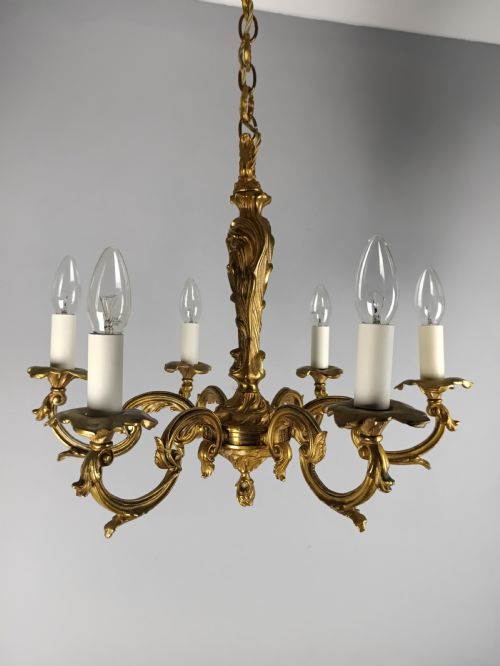
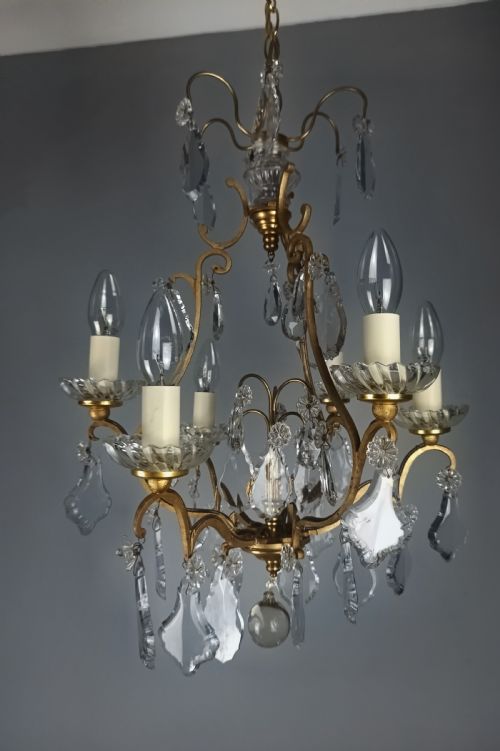
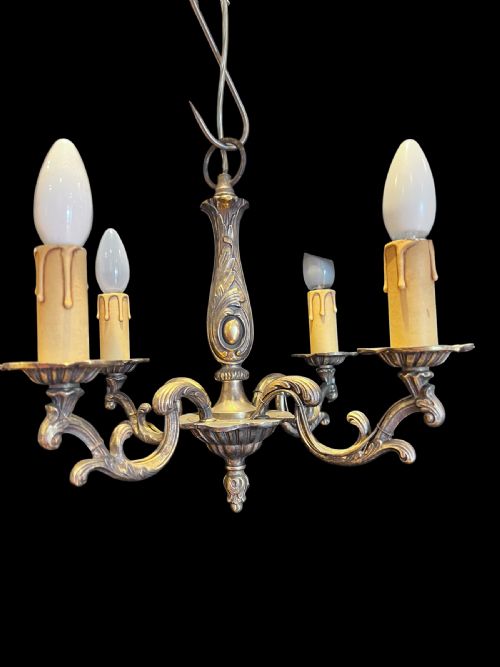
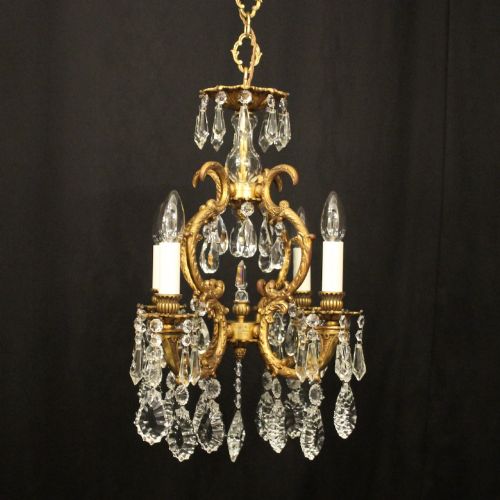


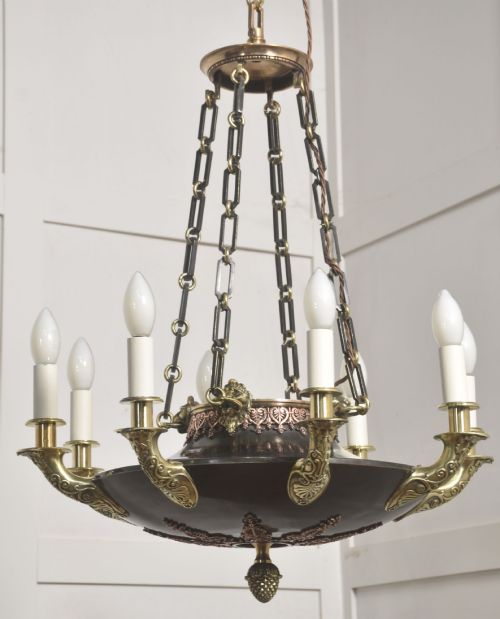
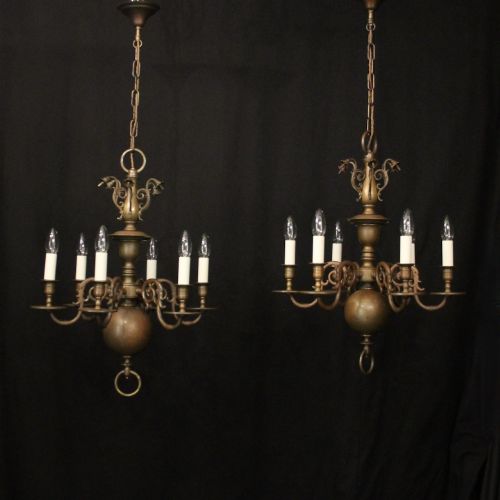
Brass Pendant Ceiling Fixture
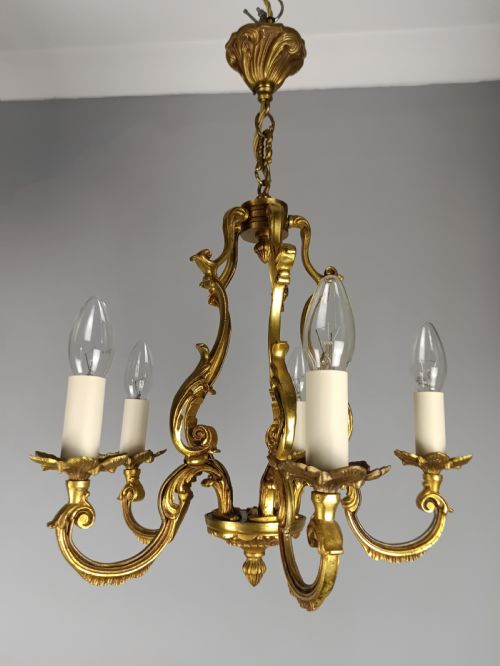
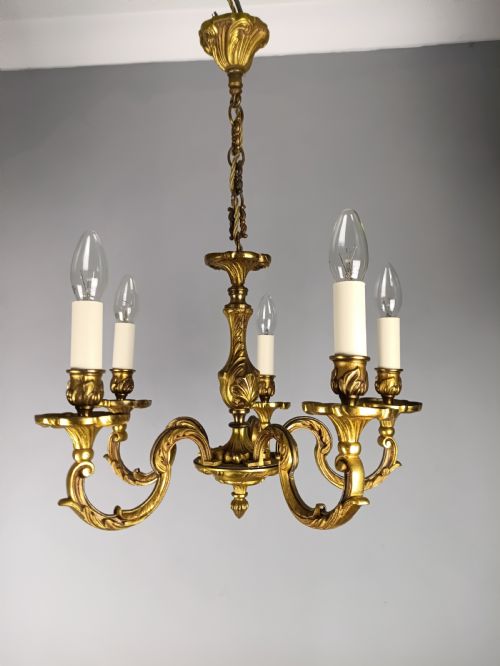
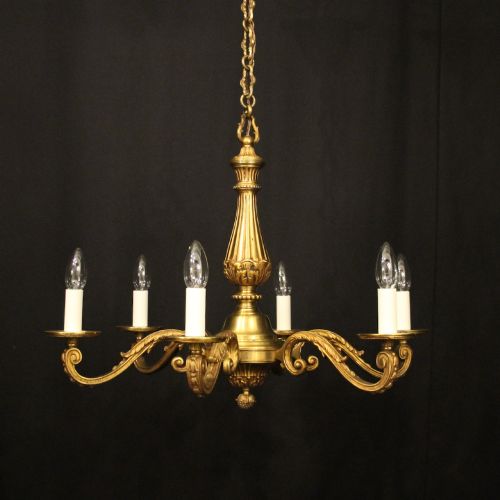
A brass pendant ceiling fixture brings height and illumination to a room, drawing the eye upwards through polished metal and glass.
Brass Pendant Ceiling Fixture
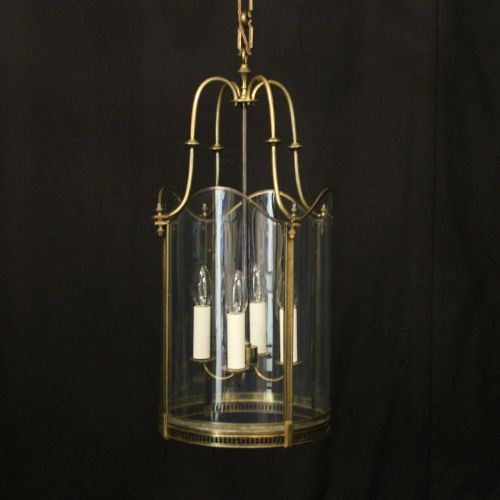
A brass pendant ceiling fixture encompasses a wide variety of hanging illumination, from multi-branch chandeliers to single glass lanterns. These pieces span the nineteenth century through the 1930s, incorporating styles such as French Neoclassical, Art Deco, and Victorian.
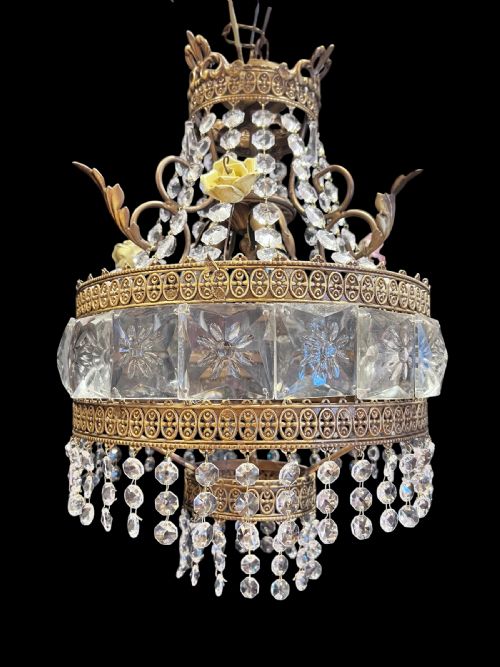
Originating largely from French and English workshops, these fixtures range from compact single-bulb domes to grand twenty-five light centerpieces. Buyers encounter numerous variations including tent and waterfall chandeliers, Moravian stars, and drop pendants designed for period interiors.
Materials and construction
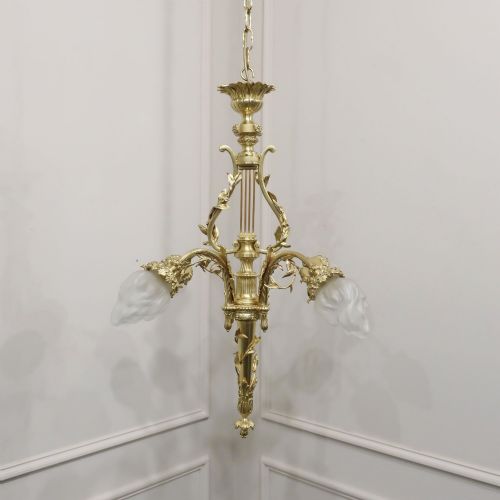
Makers utilised cast and spun brass, bronze, and gilt bronze to form the structural frames of these fixtures. Metal components are frequently chased, gilded, or patinated to achieve distinct surface finishes.
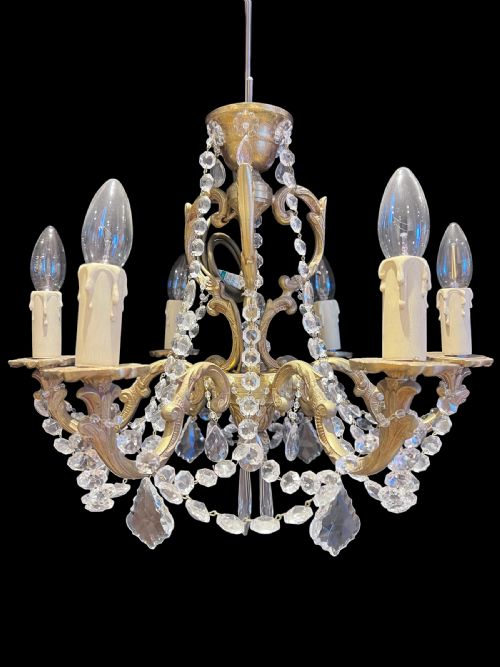
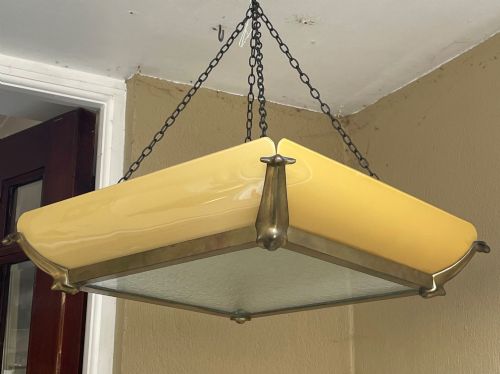
Glass elements are integral to the construction, appearing as cut crystal lustres, bevelled panels, opalescent shades, and moulded glass globes. These glass components are hand-cut, blown, or slumped and secured to the metal frames via pins, wires, or brass collars.
Materials appearing across these ceiling lights include cut glass, crystal, gilt bronze, opalescent glass, and ceramic flowers.
Judging the quality
Quality rests upon the crispness of the metal casting and the depth of the chasing on the brass or bronze frame. Finer examples display sharp detailing in foliage, scrollwork, and mounts, whereas simpler pieces show softer, less defined edges.
The integration of the glass elevates a fixture, separating standard production from superior work. Heavy cut crystal lustres, thick bevelled glass panels, and hand-formed opalescent shades indicate higher grade manufacture compared to thin, machine-pressed alternatives.
The Brass Pendant Ceiling Fixture Glossary
- Gilt bronze
- Bronze that has been coated with a thin layer of gold or gold-coloured alloy. This technique provides a durable, lustrous surface finish common on French period lighting.
- Lustre
- A cut glass or crystal pendant suspended from a chandelier to refract light. Lustres hang in various shapes, including spears, drops, and buttons.
- Plafonnier
- A ceiling light fixture mounted flush or close to the ceiling rather than suspended on a long chain. These often utilise moulded or frosted glass bowls.
- Tent and waterfall
- A specific chandelier configuration where strings of glass beads form an upper tent shape above a lower cascading tier of crystals. This design maximises light refraction across a room.
- Slip shade
- A type of glass shade used in twentieth-century lighting that slots into a metal frame without screws. These shades are frequently moulded in Art Deco geometric patterns.
Brass Pendant Ceiling Fixture: Frequently Asked Questions
Can I convert an old gasolier to electricity?
Many nineteenth-century gas fixtures have already been rewired for modern electrical use. Conversion involves running internal wires through the original brass arms and replacing gas burners with standard lamp holders.
When buying, check if the wiring has been updated to meet current safety standards or if a rewiring by a qualified electrician is necessary.
How do I clean crystal drops on a chandelier?
Crystal lustres should be cleaned in place using a specialised spray cleaner and a soft cloth, or removed individually for washing in warm soapy water. Rinsing with distilled water prevents mineral spots from forming as they dry.
Avoid harsh chemical cleaners that can strip the protective lacquer from the underlying brass frame.
What is the difference between an Edwardian and a Victorian ceiling light?
Victorian lighting tends to be heavier and more ornate, featuring Gothic Revival details, gasolier designs, and darker patinated bronze or cast brass. These pieces often incorporate opalescent or heavily etched glass shades.
Edwardian fixtures shift towards lighter forms, utilising brighter polished brass, delicate cut glass, and simpler neoclassical or Arts and Crafts motifs.