





Traditional Dining Cabinet
A traditional dining cabinet brings sturdy timbers and generous proportions to the room, offering storage for tableware and serving space for feasts.
Traditional Dining Cabinet
A traditional dining cabinet encompasses sideboards, dressers, buffets, and chiffoniers designed for the dining room. These large storage forms serve to house plates, cutlery, and linens while providing a surface for food and drink.
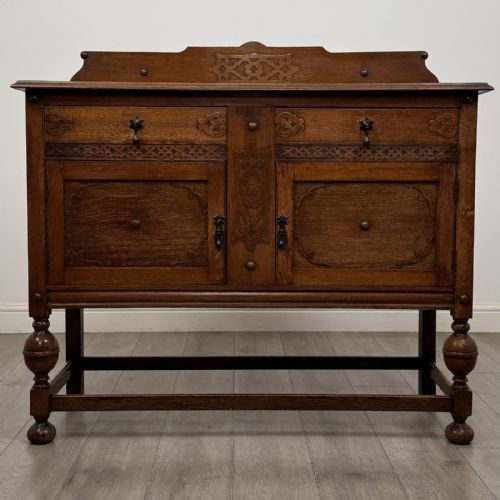
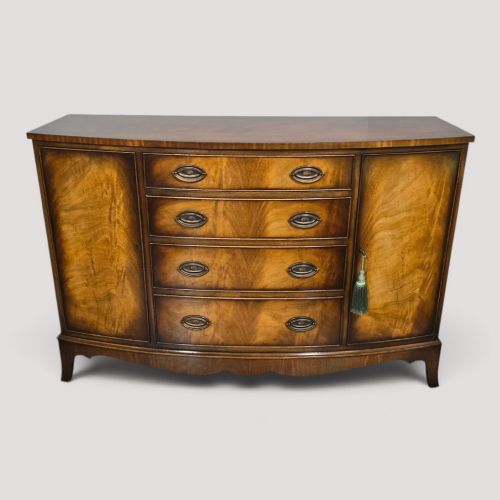
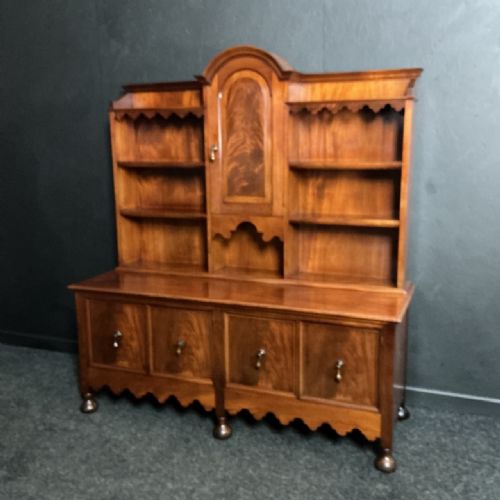
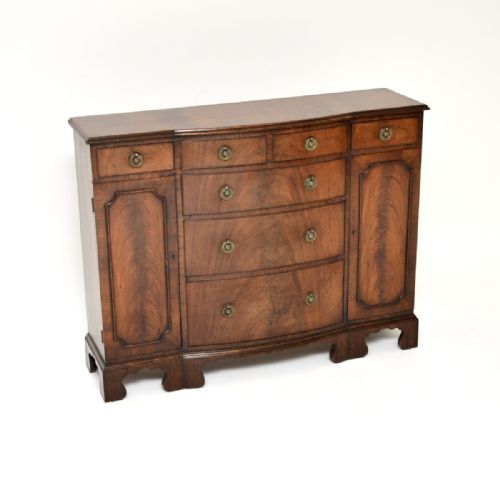
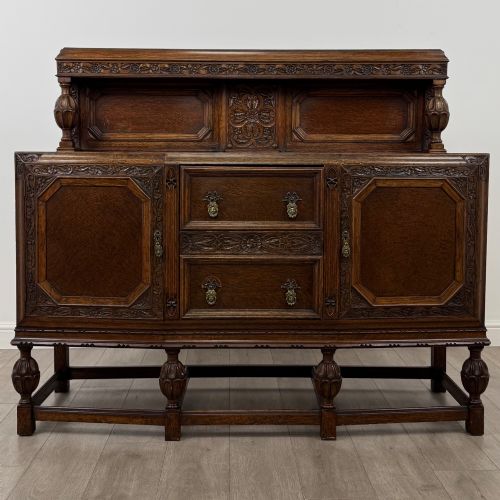
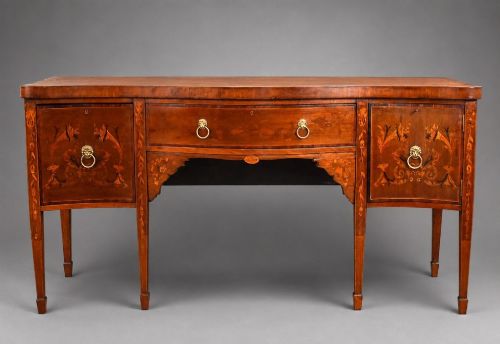
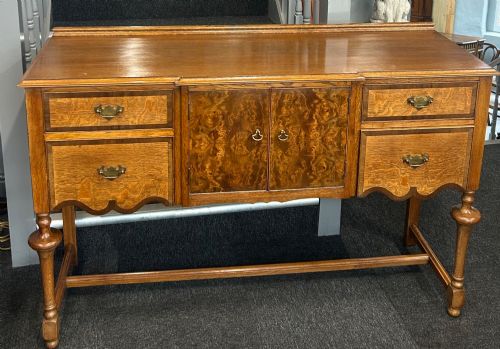
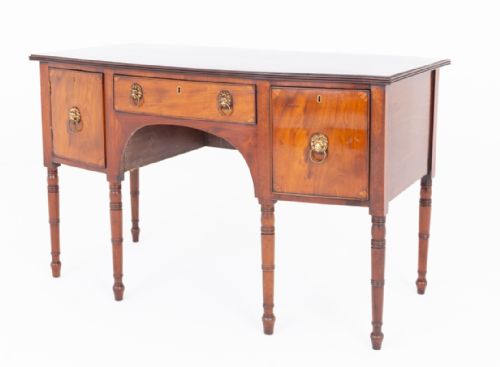
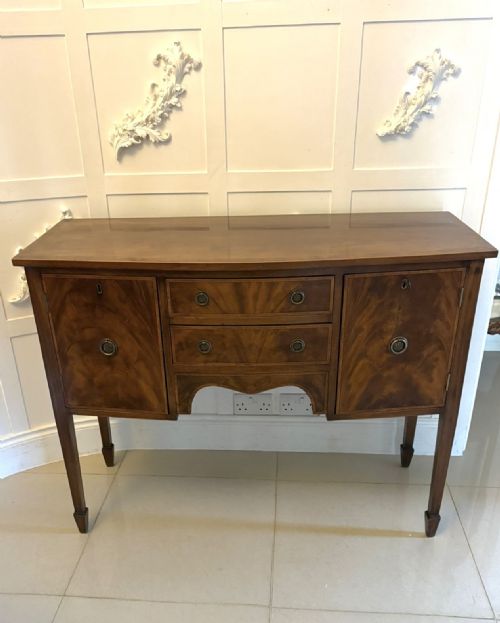
The pieces appearing on this page span several centuries and styles, including Georgian, Victorian, Edwardian, and revival movements. Oak and mahogany dominate the selection, taking the form of sideboards with drawers and cupboards, or tall Welsh dressers with shelving.
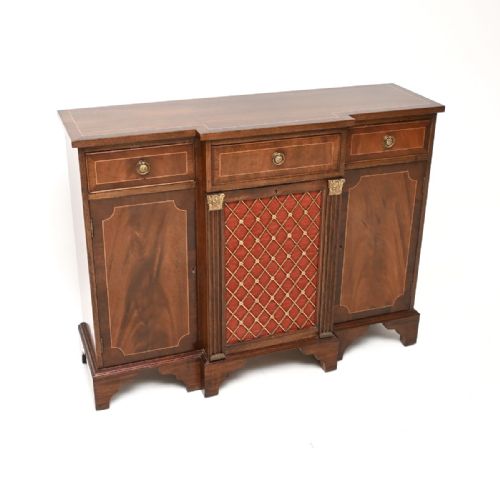
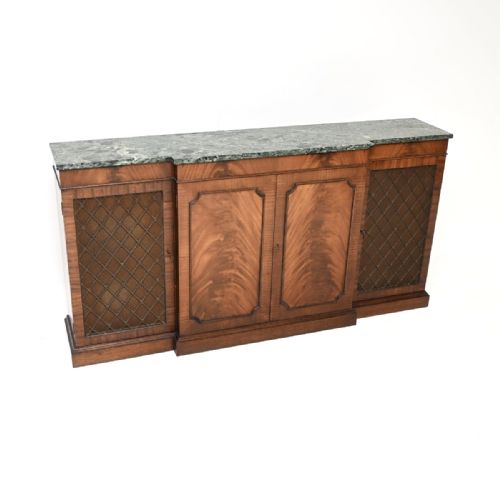
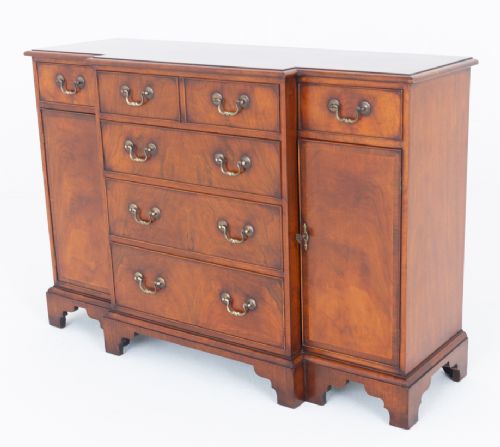
Buyers meet sturdy oak items from the eighteenth and nineteenth centuries alongside refined mahogany Georgian revival pieces from the early twentieth century. Each type reflects the dining customs of its era, from country house dressers to formal breakfront sideboards.
What varies in quality
The grade of timber and the complexity of the cabinetwork distinguish standard examples from finer commissions. Figured mahogany veneers and select pollard oak display greater depth and movement in the grain than plain boards.
Carved ornamentation, such as detailed woodwork on Edwardian oak and proportions found in breakfront Georgian revival designs, indicate skilled craftsmanship. Original hardware, including specific brass handles and intact grill fronts, adds integrity to the piece.
Traditional Dining Cabinet Retail Price Guide 2026
Typical asking prices for traditional dining cabinet among the pieces listed under this phrase on Sellingantiques today, from the lower quarter to the upper quarter. They describe what is for sale here now, not the wider market.
Several heavy oak pieces arrive with secret drawers designed to hide the silver spoons from sticky-fingered guests.
The Traditional Dining Cabinet Glossary
- Sideboard
- A long dining room cabinet fitted with cupboards and drawers for storing tableware and serving food. This form evolved significantly from eighteenth-century side tables into comprehensive storage units.
- Welsh dresser
- A traditional piece combining lower cupboards or drawers with open upper shelves for displaying plates. Country examples often utilise solid oak construction.
- Breakfront
- A cabinet design where the central section projects forward from the flanking wings. This architectural arrangement creates shadow and depth on large dining furniture.
- Chiffonier
- A compact sideboard or low cabinet, often featuring a mirror or small shelf back, popular during the Victorian period. It provided modest storage for dining rooms lacking space for a full buffet.
- Flame mahogany
- A veneer cut from the fork of the mahogany tree to produce a flickering, flame-like pattern. Cabinet makers applied this to prominent surfaces for visual impact.
Traditional Dining Cabinet: Frequently Asked Questions
What is the difference between a sideboard and a buffet?
Sideboards and buffets both serve dining room storage needs, though buffets traditionally emphasise serving space and lower cabinets. Sideboards often incorporate a wider arrangement of drawers and flanking cupboards.
Over time, the terms became interchangeable in cabinet making, with makers applying both labels to large dining room servers and cabinets.
How do I date an oak dresser?
Dating an oak dresser involves examining the construction methods of the drawers, the style of the hardware, and the general proportions. Eighteenth-century pieces frequently show hand-planed surfaces and pegged joints.
Later revival pieces from the Victorian and Edwardian eras often feature machine-sawn timber and standardised brass fittings while imitating earlier country styles.
Where should I place a large breakfront cabinet?
Large breakfront cabinets require a substantial wall in a dining room or long hallway to accommodate their proportions. Positioning them away from direct sunlight and heat sources protects the mahogany or oak timber from drying out.
Sufficient clearance in front of the cabinet ensures that drawers and cupboard doors can open fully without obstruction.
What maintenance do mahogany cabinets need?
Mahogany dining cabinets benefit from occasional treatment with appropriate wax to nourish the timber and maintain the lustre of the grain. Avoiding harsh chemical cleaners prevents damage to the original polish and veneer.
Keeping the room at a stable humidity level protects the wood joints from shifting or splitting over the years.