


Traditional Country House Settee
A traditional country house settee provides deep comfort, bringing classic English seating styles into a room.
Traditional Country House Settee
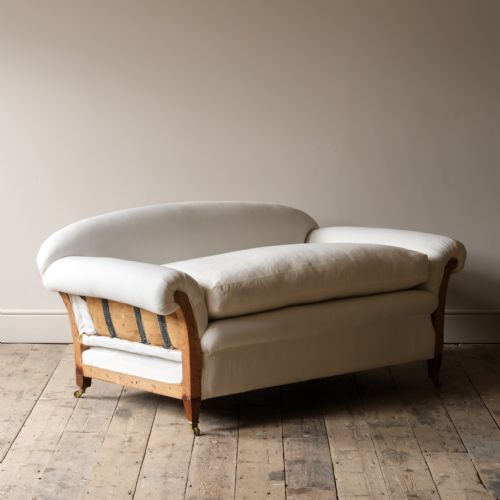
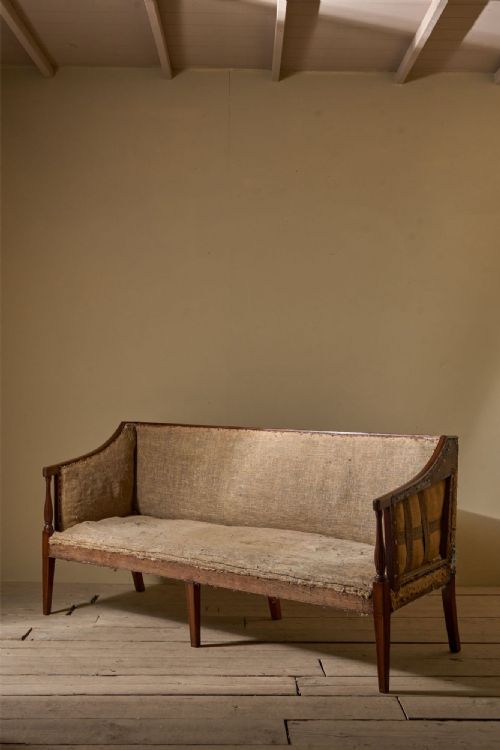
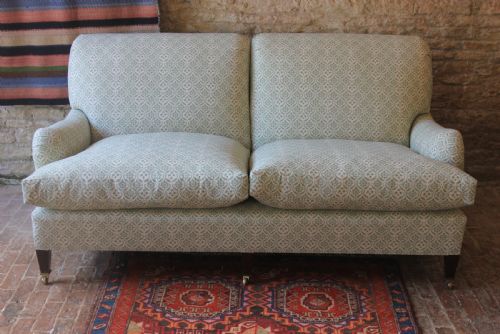
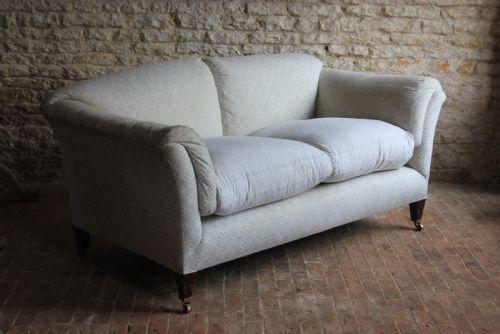
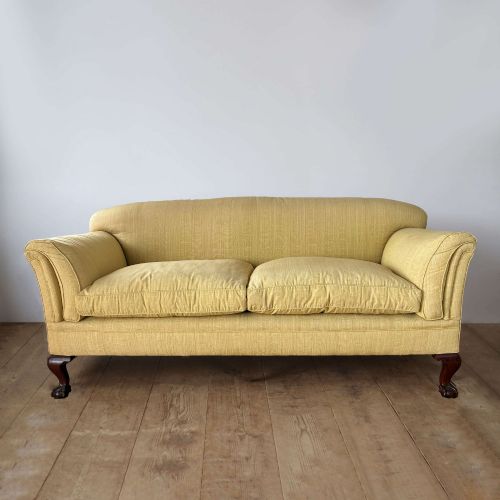
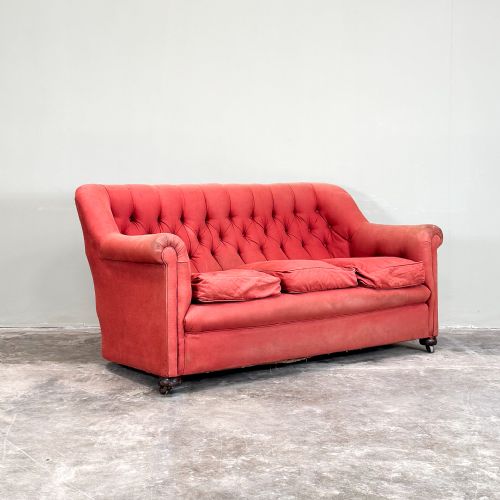
A traditional country house settee is a deep seated, upholstered form designed for long periods of rest in a domestic interior. These seating pieces span periods from the Regency era through Victorian times, the Edwardian period, and into the 1930s.
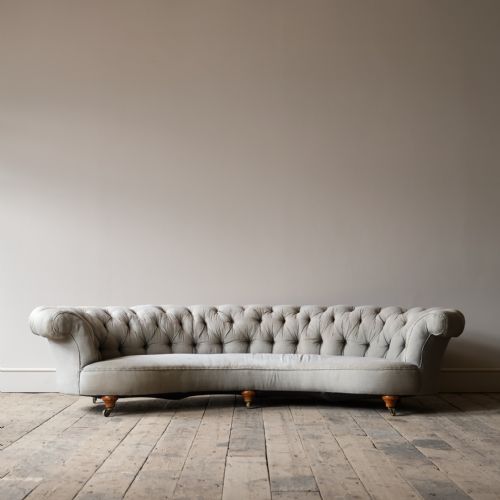
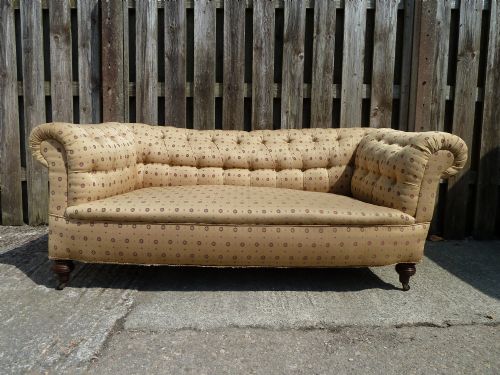
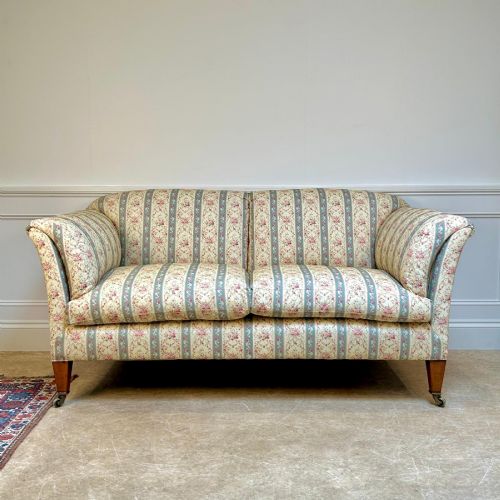
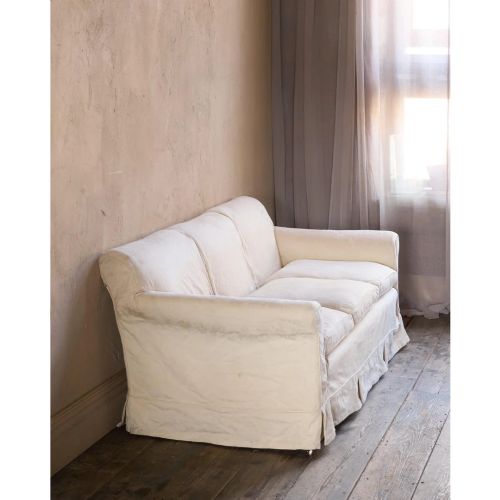
Buyers will encounter two seater and three seater sofas, along with Knole sofas and Chesterfield designs. Most examples originate from the nineteenth and early twentieth centuries, constructed to anchor a drawing room or library.
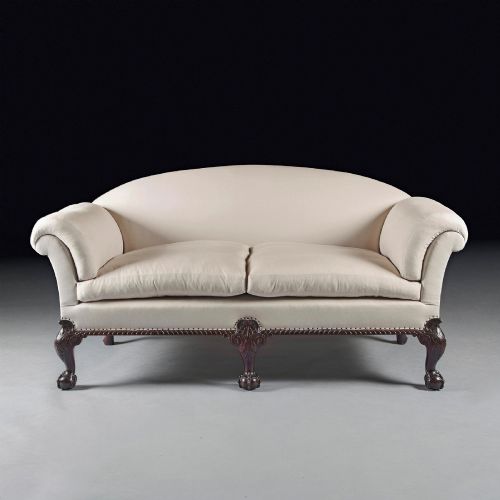
The aesthetic leans toward English country house style, combining generous proportions with traditional upholstery materials. Pieces range from straightforward mahogany framed settees to grander giltwood and walnut framed examples.
How they were made
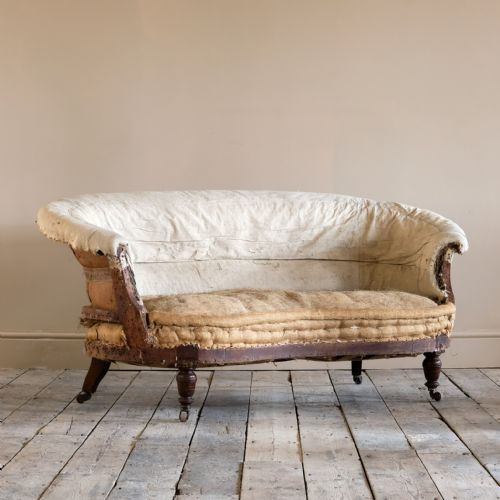
The underlying structure relies on solid timber frames, frequently utilising mahogany, walnut, or hardwood to support the substantial weight of deep seating. Brass fittings appear on castors and decorative mounts, while giltwood accents denote formal nineteenth century pieces.
Upholstery techniques involve traditional internal foundations built with hessian and calico before final finishing in velvet, damask, leather, or printed fabric. Makers such as Howard and Sons applied specialised spring systems and distinct ticking lining to achieve their renowned comfort.
Current listings feature frames from the Regency period, Victorian era, Edwardian years, and the 1930s, using mahogany, walnut, and hardwood.
What varies in quality
Quality rests upon the integrity of the timber frame and the historical accuracy of the upholstery construction. Superior pieces maintain rigid joints and robust internal webbing that supports deep seating without sagging.
Distinction exists between standard Victorian production and branded workshop output bearing maker stamps. The refinement of carved details on mahogany frames or simulated rosewood finishes further separates standard examples from exceptional ones.
Howard and Sons·Hampton and Sons·Morison and Co Edinburgh
The Traditional Country House Settee Glossary
- Chesterfield
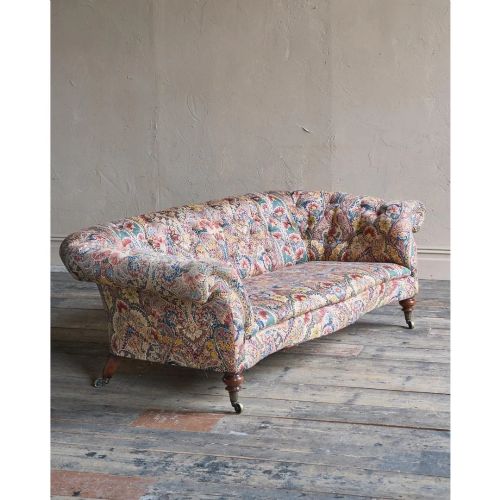
- A classic upholstered sofa style characterised by rolled arms and deep buttoning. This form dates back to the nineteenth century and remains a staple of country house interiors.
- Knole Sofa
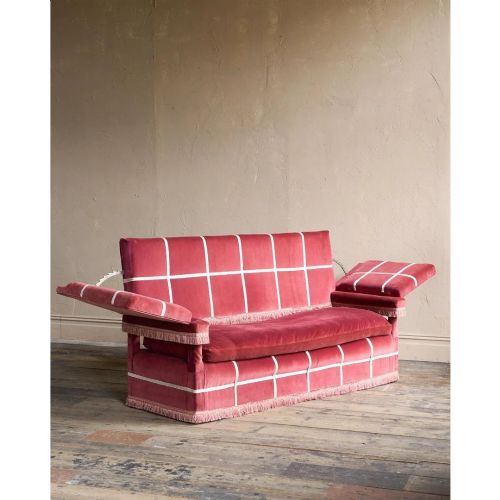
- A traditional settee type featuring adjustable or hinged drop arms tied back with heavy braids. It takes its name from Knole House in Kent.
- Calico
- A plain woven textile typically used as the primary under-upholstery layer on deep seated frames before decorative outer fabrics are applied.
- Hessian
- A coarse woven fabric made from jute fibres, utilised inside traditional upholstery foundations to hold stuffing and support springs.
- Giltwood
- Timber treated with a thin layer of gold leaf, found on more formal nineteenth century frames.
Traditional Country House Settee: Frequently Asked Questions
What defines a country house settee?
These pieces combine deep, generous proportions with traditional upholstery designed for comfort rather than formal posture.
They appear primarily in nineteenth and early twentieth century forms, ranging from buttoned Chesterfields to adjustable Knole sofas.
How do I identify an Edwardian settee?
Edwardian examples typically date from around 1900 to 1910, showing lighter proportions while retaining deep seating comfort.
They often feature simpler woodwork and softer floral or velvet upholstery suited to domestic drawing rooms.
Are these settees comfortable for daily use?
Deep seated country house designs were originally engineered precisely for long hours of lounging and reading.
Their substantial sprung frames provide enduring support, provided the internal webbing remains firm and sound.
What is a Howard and Sons sofa?
Howard and Sons was a prominent nineteenth century London firm known for pioneering exceptionally comfortable sprung seating.
Their pieces are often identified by stamped frame numbers, signature ticking linings, and superior joinery.