





Traditional Corridor Runner
A traditional corridor runner brings warmth and pattern to long, narrow spaces using centuries-old weaving traditions from Persian, Caucasian, and Anatolian regions.
Traditional Corridor Runner
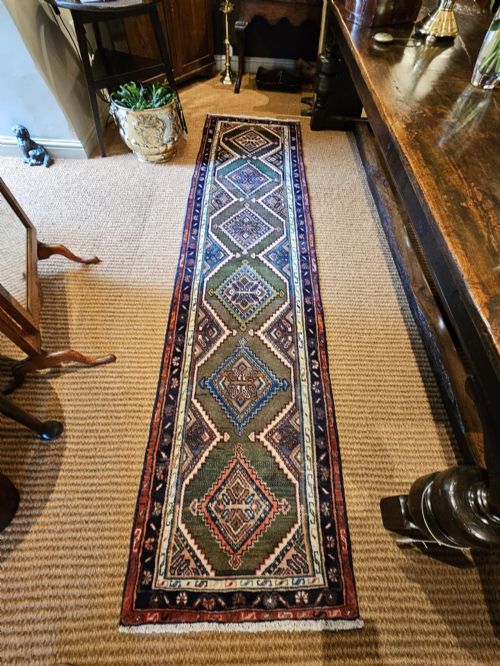
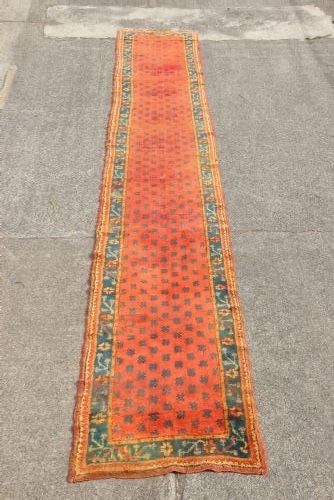
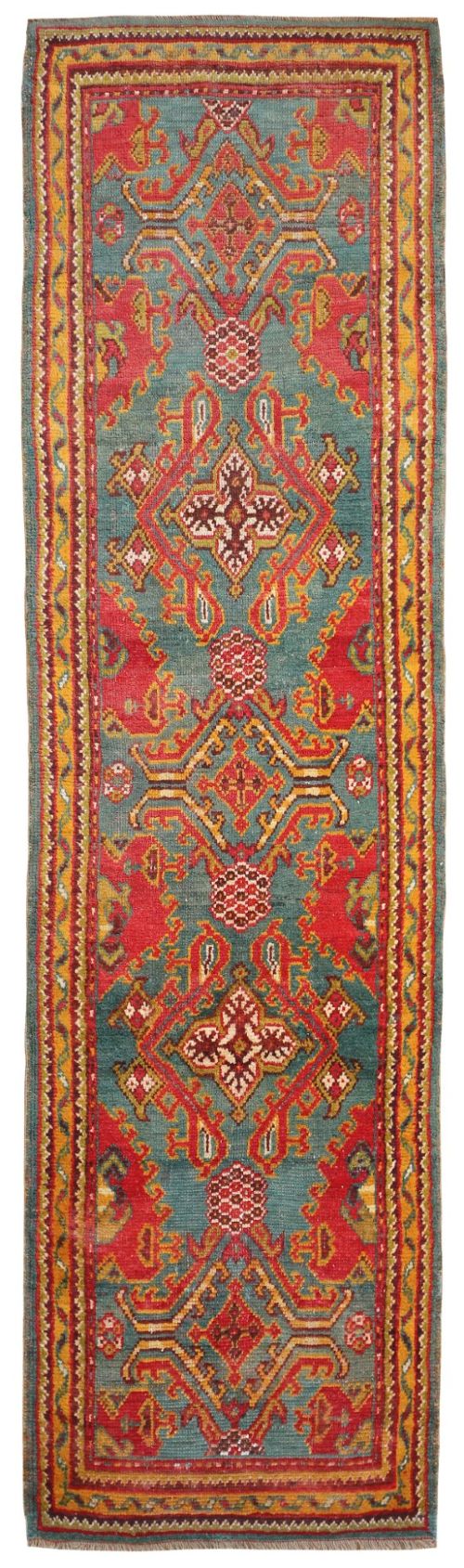
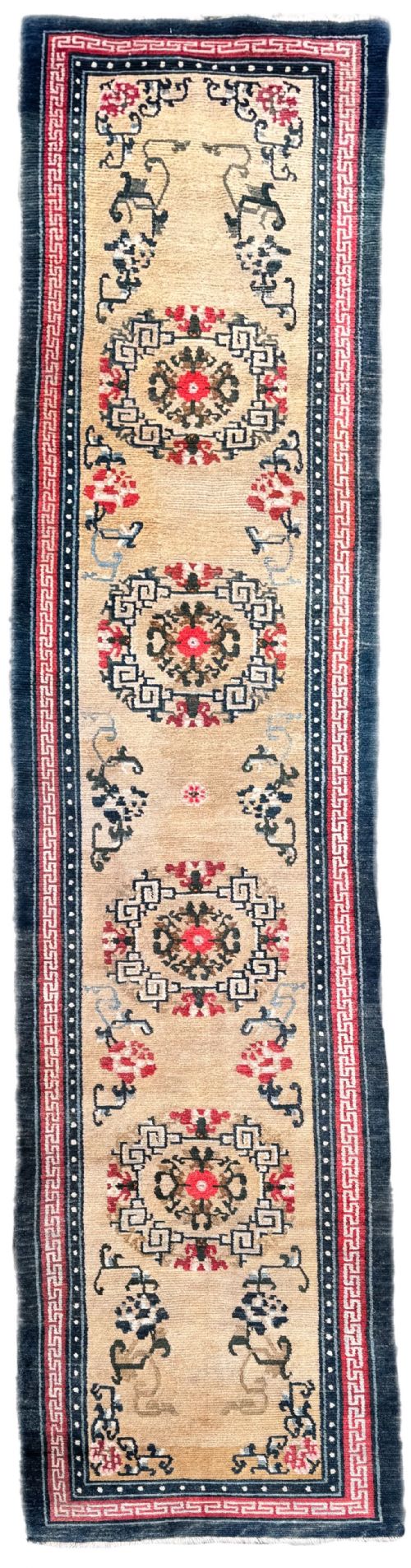
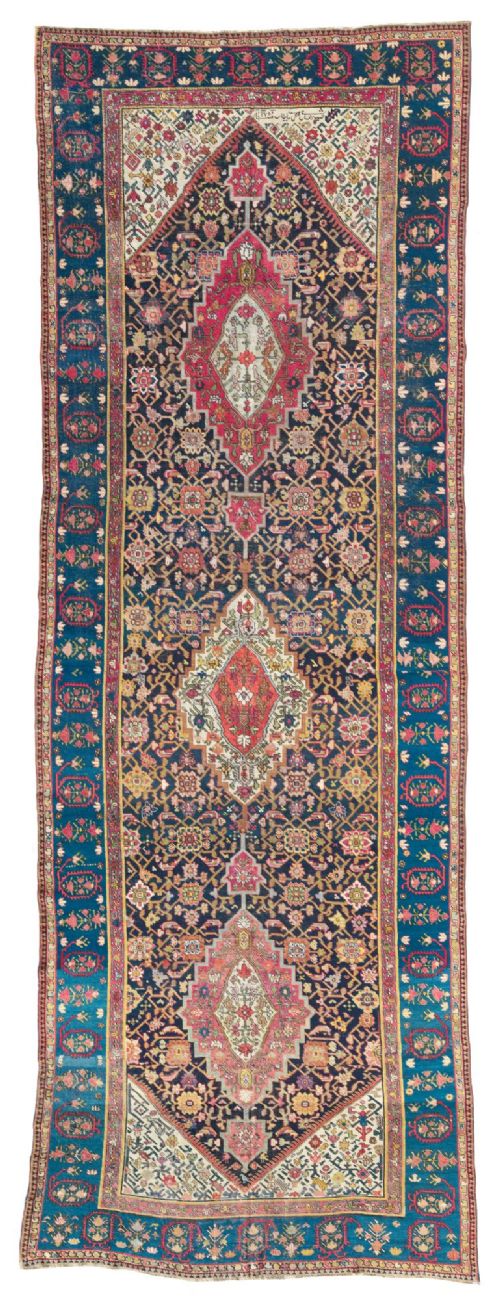
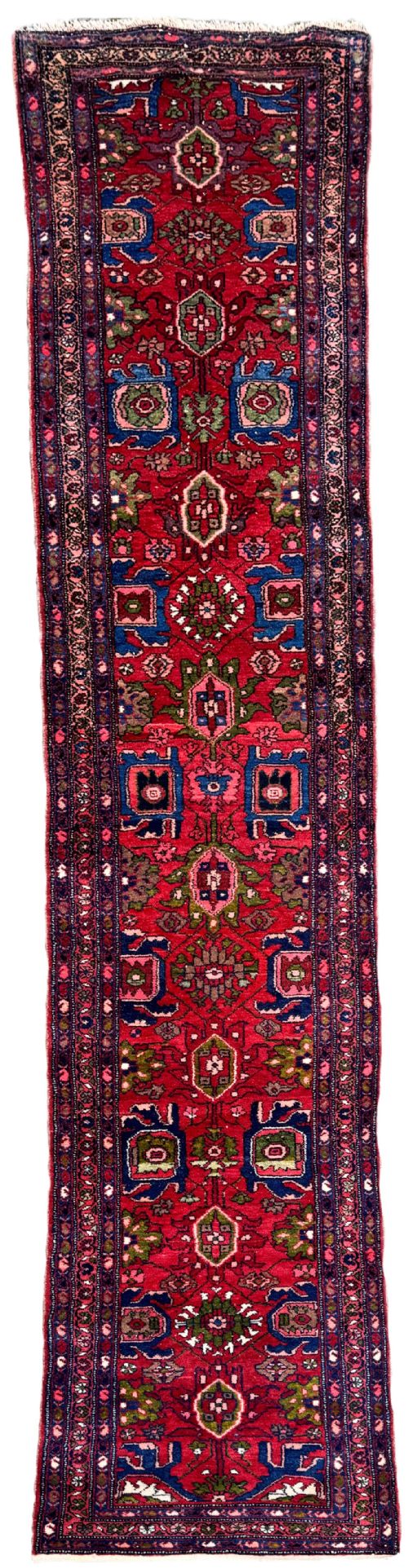
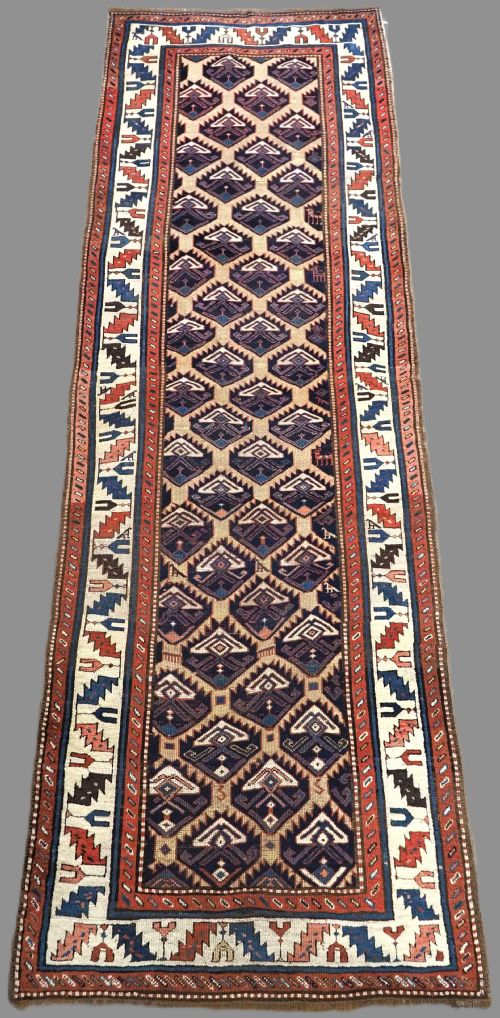
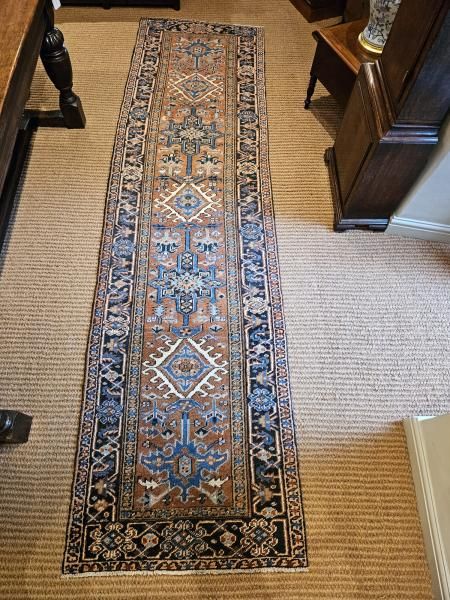
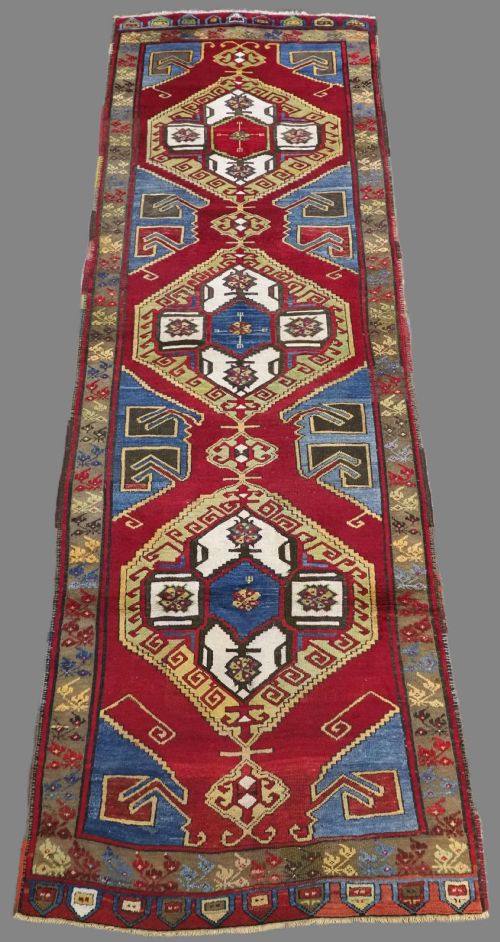
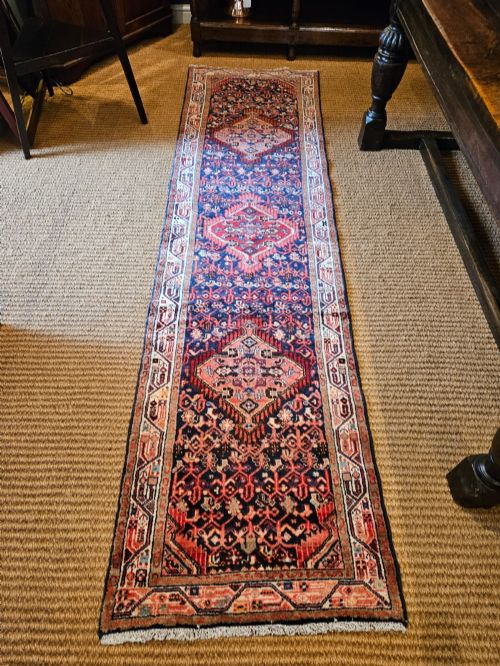
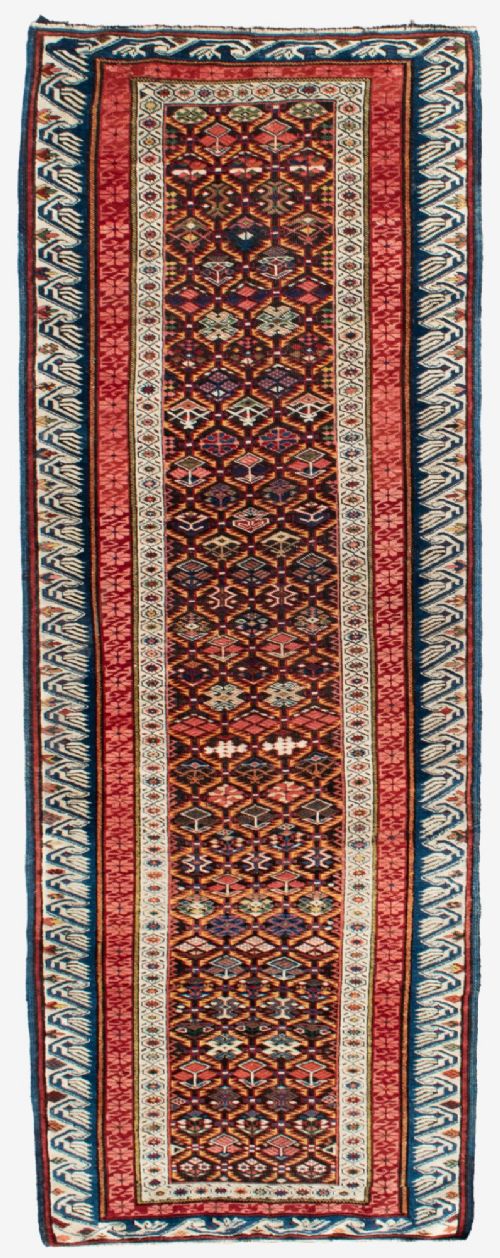
When searching for a traditional corridor runner, you examine long, narrow formats designed specifically for hallways, landings, and galleries. The selections available encompass pieces originating from Persian tribal workshops, Caucasian looms, and Anatolian villages.
Most examples you encounter date from the nineteenth century up through the nineteen-thirties, showcasing regional designs such as Heriz, Kurdish, Ushak, and Kazak patterns. These textiles served practical purposes in homes while displaying distinct tribal and village artistry.
How They Were Made
The construction relies predominantly on wool and hand-spun wool, often paired with cotton foundations to provide structural stability for heavy foot traffic. Weavers utilised natural dye sources to achieve the deep olive greens, navy blues, and varied earth tones seen across the inventory.
Techniques varied from dense knotted pile carpets to flatwoven kilim structures, depending on whether the piece originated from nomadic tribal camps or established weaving towns. This combination of durable animal fibres and tight knotting accounts for the longevity of these long formats.
Traditional Corridor Runner Retail Price Guide 2026
Typical asking prices for traditional corridor runner among the pieces listed under this phrase on Sellingantiques today, from the lower quarter to the upper quarter. They describe what is for sale here now, not the wider market.
Materials across the inventory consist primarily of wool, cotton, and hand-spun wool configured into narrow hallway formats.
What Varies in Quality
The standard of a runner depends heavily on the fineness of the weave and the clarity of the regional design, such as a well-drawn Mina Khani or lattice motif. Tighter knot counts allow complex geometric and floral patterns to hold their definition sharply along narrow proportions.
The integrity of the wool and the depth of the natural dyes also set finer examples apart from standard utility pieces. Superior handling of the materials results in a resilient pile that maintains its character after generations of use.
The Traditional Corridor Runner Glossary
- Runner
- A long, narrow carpet format traditionally used in hallways, corridors, and staircases. These pieces measure significantly longer than they are wide.
- Pile
- The upright yarn loops or cut ends that form the soft surface of a rug. In older examples, the height of this surface varies from dense to worn.
- Kilim
- A flatwoven textile made without a pile, produced by tightly interweaving warp and weft threads. Some corridor examples utilise this technique entirely or in half-kilim construction.
- Kelleh
- A large format rug that is longer than a standard rug but wider than a typical corridor runner. Collectors prize these substantial floor coverings for principal rooms.
- Warp
- The vertical threads stretched tightly on a loom before weaving begins. The visible ends of these threads often form the fringe at either end of the textile.
Traditional Corridor Runner: Frequently Asked Questions
Where should I place a traditional corridor runner?
These narrow formats suit hallways, long corridors, and entryways where foot traffic benefits from floor protection and warmth. Their elongated dimensions also fit well along wide landings or beside large bedroom furniture.
Ensure you measure the walkway carefully, leaving exposed floorboards around the edges to frame the pattern properly. A quality underlay helps keep the piece stable on smooth wooden or tiled surfaces.
How do I care for an antique wool runner?
Regular gentle vacuuming without a rotating brush roll removes dust from the wool pile without pulling the delicate fibres. Professional cleaning should be undertaken periodically by specialists familiar with historic textiles.
Keep the piece out of direct, intense sunlight to protect the natural dyes from fading unevenly over time. Rotating the runner every few months ensures even wear along the length of heavy-traffic pathways.
How can I tell the origin of these runners?
Regional characteristics such as specific knotting techniques, palette choices, and motif structures point toward distinct weaving centres. For instance, pieces from Heriz often display bold geometric medallions, while Caucasian examples favour sharper rectilinear lattices.
Examining the selvedges and the preparation of the wool provides further clues regarding whether a textile emerged from a nomadic tribal camp or a settled village.
Are these runners durable enough for daily use?
Historic wool and hand-spun materials were originally produced to withstand rigorous daily domestic environments in family homes. The natural lanolin present in traditional wool provides inherent resistance to standard household dirt and wear.
Using an appropriate rug pad beneath the runner absorbs impact from footsteps and prevents the textile from shifting or sliding on hard floors.