


Traditional Copper Pans
Traditional copper pans bring warmth and utility to the kitchen, offering solid metal construction and centuries of practical heritage.
Traditional Copper Pans
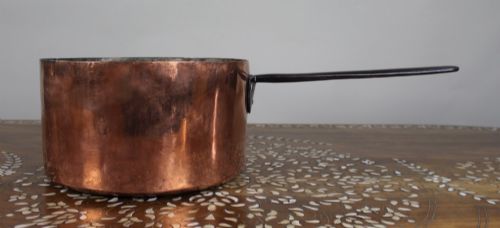
Traditional copper pans encompass heavy preserving vessels, lidded saucepans, and matching sets originating from the Georgian and Victorian eras. These items served functional roles in domestic kitchens, ranging from rapid boiling to slow jam-making over open flames. Buyers frequently encounter nineteenth-century pieces alongside French and English country styles.
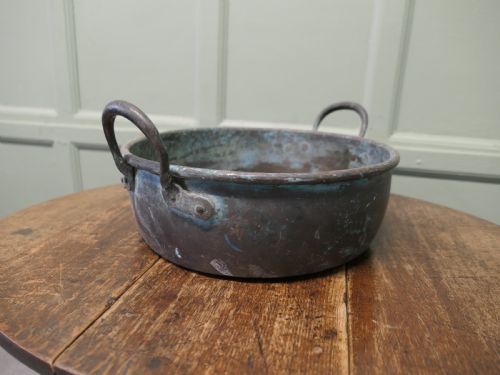
The selection ranges from large single preserving pans to matched sets of multiple saucepans and specialised fish kettles. Smaller variants include pint saucepan sizes and cream setting pans designed for specific dairy tasks. Robust handles in iron or brass distinguish these utilitarian kitchenware items.
Materials and Construction
Makers formed these items using beaten copper sheets, often joining seams with visible rivets for structural strength. Iron handles and brass mounts were attached securely to bear the considerable weight of the heavy metal vessels. Tin linings were traditionally applied to the interior surface to prevent food from reacting with the copper.
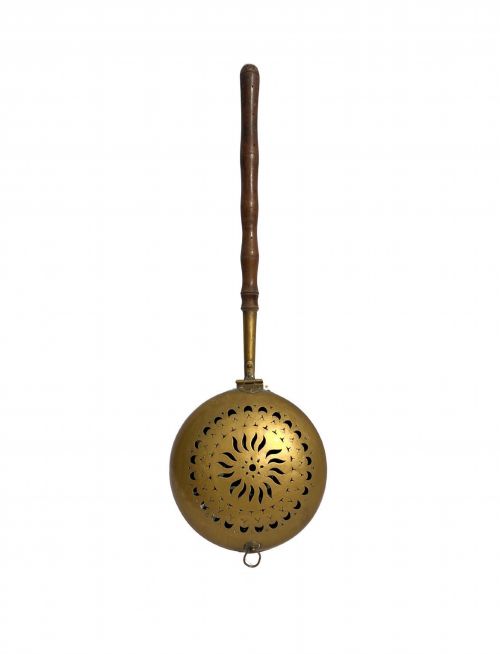
Wooden elements appear on handles and warming pans, utilising walnut alongside other sturdy timbers. Cast iron and wrought iron components provide durable support for larger cooking vessels and balance scales.
Garden scales made a surprising leap from the kitchen to the conservatory, weighing cabbages with aristocratic dignity.
Evaluating Quality
Gauge thickness separates heavier professional kitchenware from thinner decorative examples, dictating how well a vessel holds and distributes heat. Superior pieces display careful hand-beating and robust dovetail or riveted joints that remain tight after generations of use.
Maker attribution and complete matching sets elevate the desirability of a group, especially when original iron fittings and matching lids survive intact. The condition of the internal tin lining and the integrity of the base metal determine long-term utility.
Hodges and Sons·Griffiths Patent
The Traditional Copper Pans Glossary
- Preserving pan
- A wide, open vessel designed for boiling fruit and sugar mixtures. These typically feature swing handles for easy pouring.
- Fish kettle
- An elongated pan with a fitted lid and internal drainer tray designed for poaching whole fish. These items reflect specialised nineteenth-century culinary requirements.
- Bed warming pan
- A long-handled metal pan filled with hot embers and placed between sheets to warm beds. They often feature pierced brass lids decorated with floral or geometric patterns.
- Brasero
- A traditional Spanish heated brazier used for warmth, constructed from metal. These pieces demonstrate alternative domestic applications for heavy copper and brass work.
- Cream setting pan
- A shallow vessel utilised in dairies to allow cream to rise to the top of milk. These uncommon pieces highlight the breadth of nineteenth-century utilitarian metalwork.
Traditional Copper Pans: Frequently Asked Questions
How do I clean a copper pan?
Traditional copper responds well to specialised metal polishes or a mixture of salt and acid to remove oxidation.
Avoid abrasive scourers that scratch the surface and wear down the historic metal over time.
Can I cook with antique copper pans?
Many antique pans require a fresh tin lining before modern food preparation can safely take place.
Assess the interior surface carefully to ensure the underlying copper remains fully sealed.
How do I date a copper pan?
Examine the construction methods, such as hand-cut dovetailing, rivet styles, and handle attachment techniques.
Georgian and Victorian pieces display distinct hand-hammered marks that differ from later industrial manufacturing.
What is a preserving pan used for?
Preserving pans were built wide and deep to evaporate moisture quickly when boiling down fruits with sugar.
Their generous capacity and sturdy swing handles made them essential for large-scale domestic jam-making.