


Traditional Copper Metalware
Traditional copper metalware brings warmth and weight to a room, offering practical domestic vessels shaped through centuries of skilled handwork.

Traditional Copper Metalware
Traditional copper metalware encompasses heavy utility items designed for daily hearth and kitchen use, alongside decorative vessels from various global traditions. These objects span several centuries, with pieces originating from Georgian, Victorian, and Regency periods alongside international workshops.
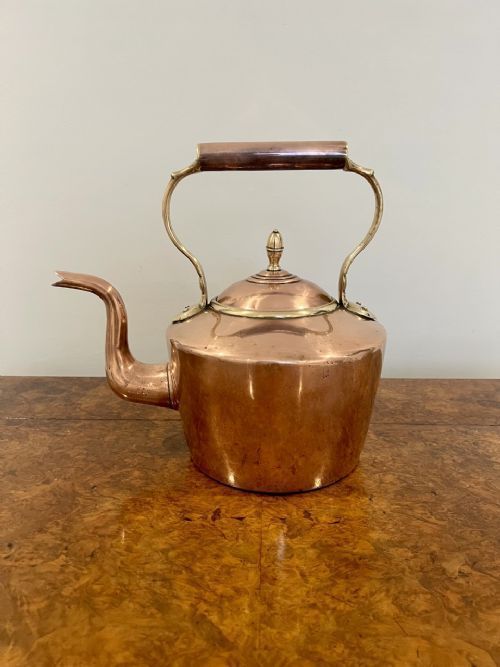
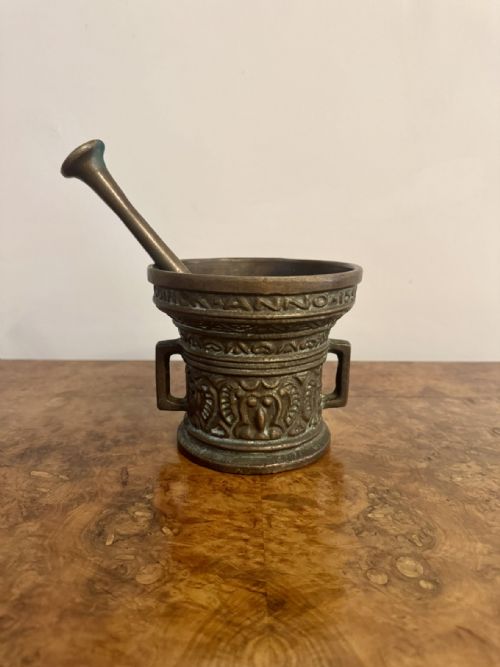
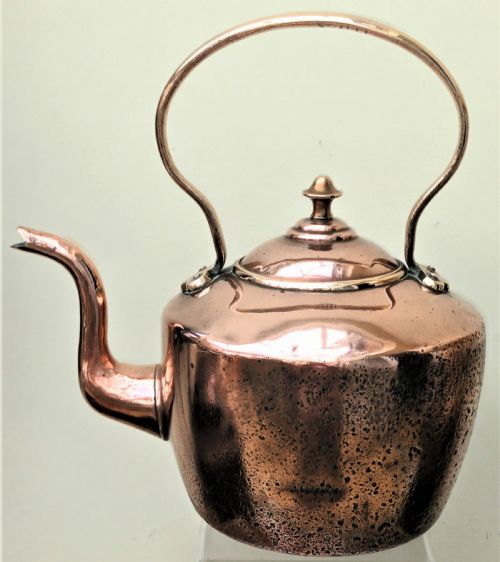
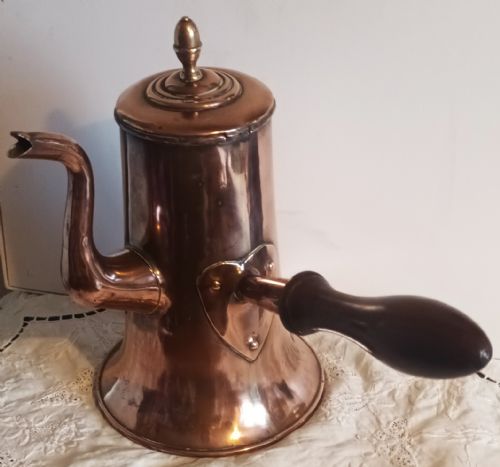
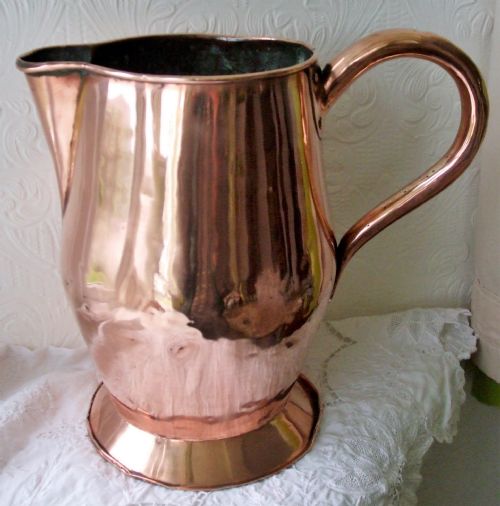
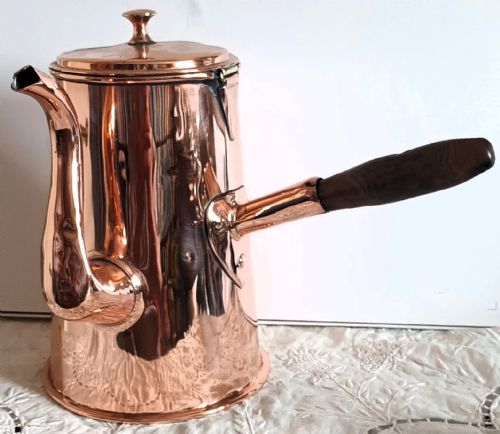
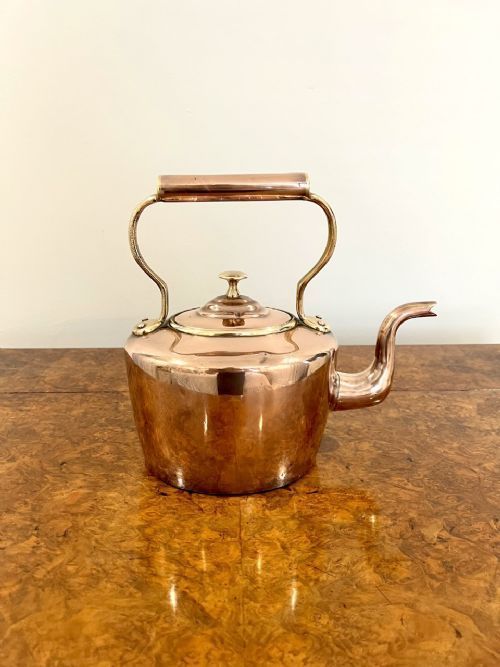
The selection on this page relies heavily on domestic and service items, with tea kettles, jugs, pitchers, and coffee pots appearing most frequently. Buyers will also encounter specialised vessels like coal scuttles, warming pans, mortars, and ceremonial bowls.
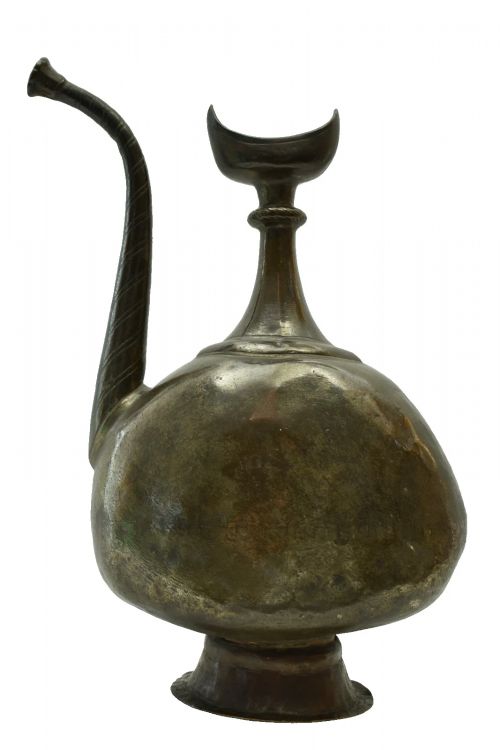
Origins stretch across English domestic workshops to Ottoman, Persian, and Indian regional centres, reflecting diverse manufacturing traditions. Materials lean primarily on hammered copper, often supported by brass handles, iron fittings, or tin linings.
Materials and Construction
Makers formed these vessels predominantly from sheet copper, hammering the metal over stakes to achieve seamless bodies or joining seams with meticulous dovetailing and brazing. Brass and cast bronze frequently provided durable accents, handles, spouts, and finials that contrasted with the warmer red tone of the copper body.
Interior surfaces of culinary vessels typically received a protective lining of tin to prevent copper toxicity during food preparation. Decorative pieces utilised engraving, japanning, or applied patination to create contrasting surface textures and intricate patterns.
Current listings feature diverse materials including copper, brass, wood, tin, bronze, cast bronze, japanned metal, and bone across multiple historical periods.
Assessing Quality and Execution
Superior execution shows in the crispness of hand-hammered marks, the balance of heavy cast brass handles, and the integrity of dovetailed or brazed seams. Finer examples maintain their original proportions without excessive thinning of the metal wall from aggressive historic cleaning.
Artistic ambition separates standard kitchen utility wares from high-status decorative chargers, ewers, and presentation trays. Pieces bearing fine engraved details, maker attributions, or unusual regional forms command greater appreciation for their craftsmanship.
The Traditional Copper Metalware Glossary
- Japanned metal
- A European imitation of East Asian lacquer work achieved by applying layers of dark resinous varnish to metal surfaces. Pontypool ware is a notable British manifestation of this technique.
- Mortar and pestle
- A heavy grinding set, often fashioned from cast bronze or brass, used for pulverizing culinary spices or medicinal substances. The material must possess sufficient density to withstand heavy impacts.
- Seer measure
- A traditional unit of volume measure, often found as a graduated set of copper and brass containers originating from Indian trade contexts. These cylindrical vessels demonstrate standardised local capacity.
- Wine cistern
- A large ornamental basin, such as 18th-century Italian examples, utilised for chilling wine bottles at the dining table. They require robust construction and waterproof seams to hold ice and liquid.
Traditional Copper Metalware: Frequently Asked Questions
What is traditional copper metalware?
Traditional copper metalware comprises domestic, culinary, and decorative objects fashioned primarily from sheet copper and associated alloys by historical artisans.
These pieces include utilitarian kettles, jugs, and scuttles alongside decorative ewers and bowls spanning the Georgian and Victorian eras.
How do I date an old copper kettle?
Dating relies on observing construction methods, such as hand-dovetailed body seams, cast brass handle mounts, and the overall profile of the spout and lid.
Earlier George III examples often display distinct hand-beaten characteristics and heavy fittings compared to later mass-produced Victorian alternatives.
Were these copper vessels used for cooking?
Many items, particularly kettles, coffee pots, and ale mullers, served active roles over open hearths and coal fires in historical kitchens.
To ensure safety with food, interior surfaces were traditionally lined with a thin layer of protective tin.
How should I clean antique copper?
Preserving the natural historic patina is generally preferred over aggressive polishing that strips away centuries of surface evolution.
Gentle washing with warm soapy water removes accumulated dust without damaging the underlying metal or soft soldered joints.